
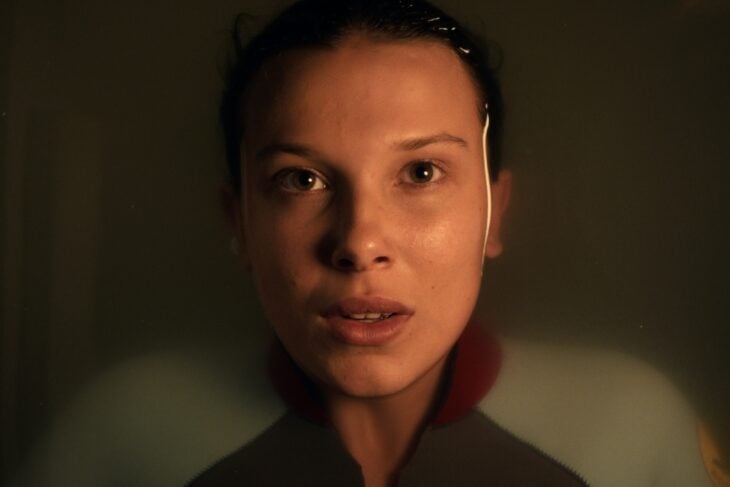
Eleven’s Fate is a Disservice to What Stranger Things Once Stood For
Stranger Things has ended with an astonishing and divisive series finale.
Many character arcs come full circle, but not everyone gets a happy ending. In fact, El — short for Eleven — seemingly dies by sacrificing herself to destroy the Upside Down once and for all.
Even though Mike’s theory suggests El might still be alive, her removal from the group is a disservice to everything Stranger Things has embodied since the pilot.
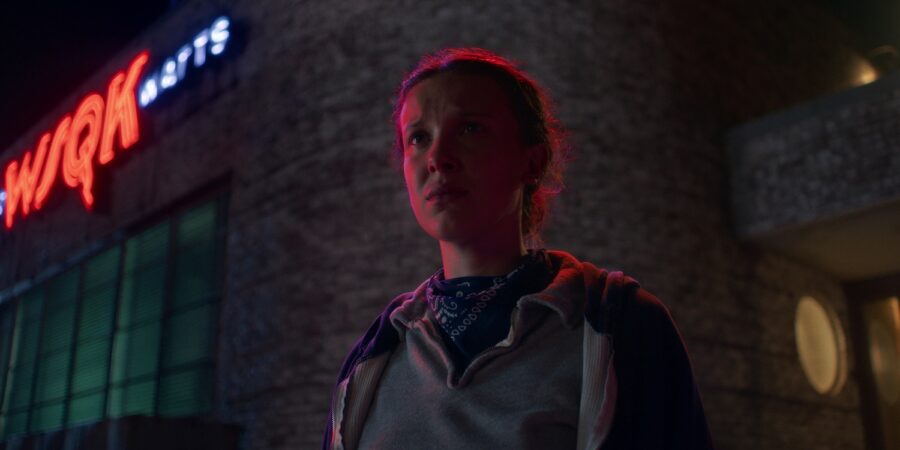
The first four seasons of Stranger Things focus on Eleven. She is the catalyst that brings all other important characters and subplots together for the larger narrative.
Regardless of the narrative — whether it involves fighting Billy in Season 3 or finding Will in the Upside Down — Eleven leads the fight against Vecna.
Season 4’s flashbacks portraying El and Vecna’s history prove it has always been about them; the showdown is meant to come down to these two characters, the ultimate hero and villain.
She is the prodigal daughter fated to defeat the big bad and destroy the Upside Down. Yet, El’s purpose expands to something more as she builds a home for herself, makes friends, and learns how to live after being locked up and experimented on her entire life.
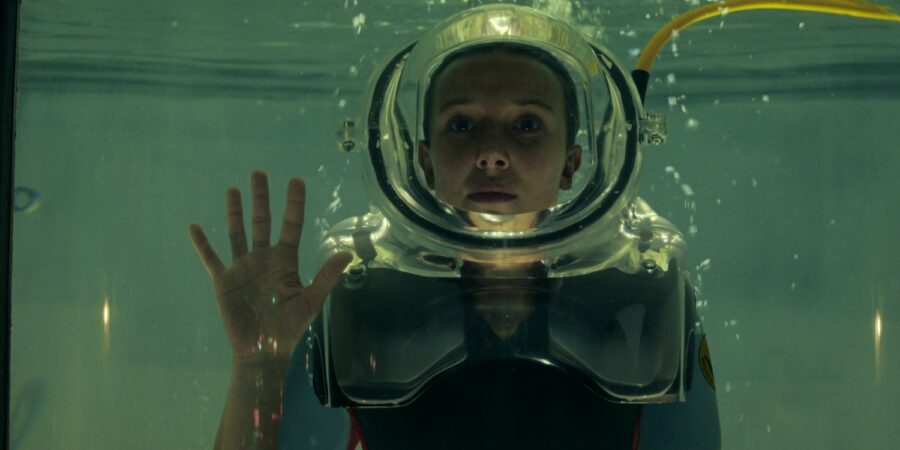
Therefore, it is a complete shock that Stranger Things opts to reduce her significance in Season 5.
Instead of utilizing El to come together with Will as the two siblings face down Vecna, she is reduced to a tool with no meaningful development. The narrative treats her like a secondary character in her own story.
It is part of the reason why the final battle with Vecna seems anticlimactic.
Most of the final battle against Vecna involves the primary characters in Hawkins joining together. Eleven cannot defeat Vecna alone, but the group should be propping up El so that she can defeat Vecna — not the other way around.
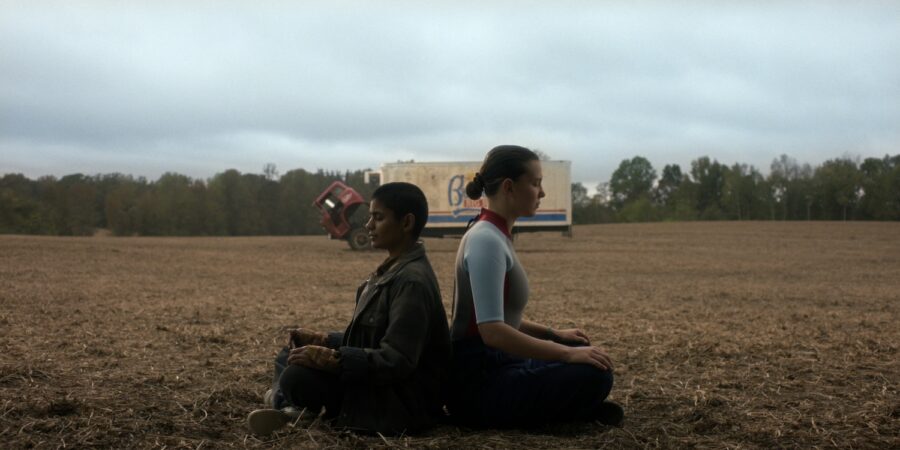
El only weakens Vecna so that Joyce can ultimately deliver the final blow. Otherwise, she is spending the finale grappling with the aftermath of Vecna and what she should do about her future.
This debate proves to go nowhere as El sacrifices herself when destroying the Upside Down so everyone else can have a happy ending.
After five seasons of Eleven fighting for her right to live a normal life against the US government’s wishes, while busting her butt to defeat Vecna, this narrative choice suggests more suffering was the only ending in the cards for her.
Worst of all, during the flash-forward, everyone seems to have moved on except for Mike. Dustin mourns Eddie for almost two years, but barely bats an eyelash at one of his best friends.
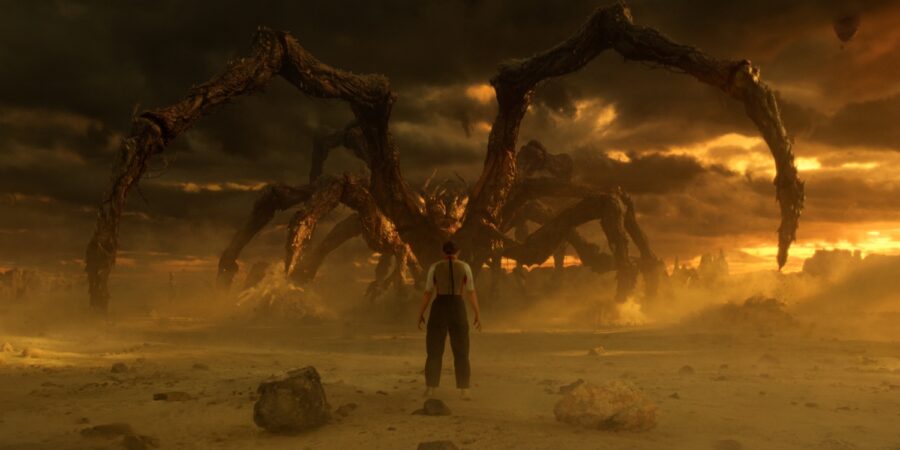
Hopper’s biggest fear is losing another daughter, but he comes to accept her choice after a single conversation. He is now living his best life and has made peace with losing El after only 18 months.
Eleven: None of this will ever end, not if I’m still here. I need you to take to the others. I need you to thank them for me, for being so kind to me, and teaching me what it means to be a friend. Mike, I need you to help them understand my choice.
Hopper should not be miserable forever, but refusing to show his grieving process is a slap in the face to El and their special father-daughter bond.
Stranger Things also throws El’s development with her other friends and family out the window. The narrative reintroduces her sister, only for Kali to plant the idea of sacrifice in El’s head and then die a meaningless death.
Max is Eleven’s best friend, but the show seemingly forgets about their friendship altogether. Even Joyce and El’s unique mother-daughter bond is nowhere to be found in the aftermath of El’s sacrifice.
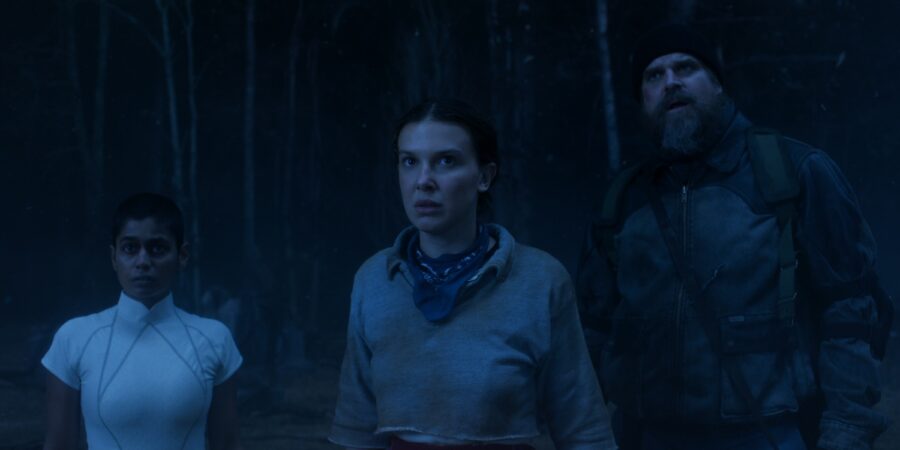
No one seems to care about Eleven outside the context of Dungeons & Dragons. Stranger Things treats her like a piece in the game, not her own character in the story.
The Duffer Brothers revealed in an interview with Netflix Tudum that Stranger Things was always going to end with Eleven leaving the life she built for herself in Hawkins.
They claim El was always going to separate from her friends and family because it was the only way they could move on from the events surrounding the Upside Down.
Ross Duffer: There was never a version of the story where Eleven was hanging out with the gang at the end. For us and our writers, we didn’t want to take her powers away. She represents magic in a lot of ways and the magic of childhood. For our characters to move on and for the story of Hawkins and the Upside Down to come to a close, Eleven had to go away. We thought it would be beautiful if our characters continued to believe in that happier ending even if we didn’t give them a clear answer to whether that’s true or not. The fact that they’re believing in it, we just thought it was such a better way to end the story and a better way to represent the closure of this journey and their journey from children to adults.
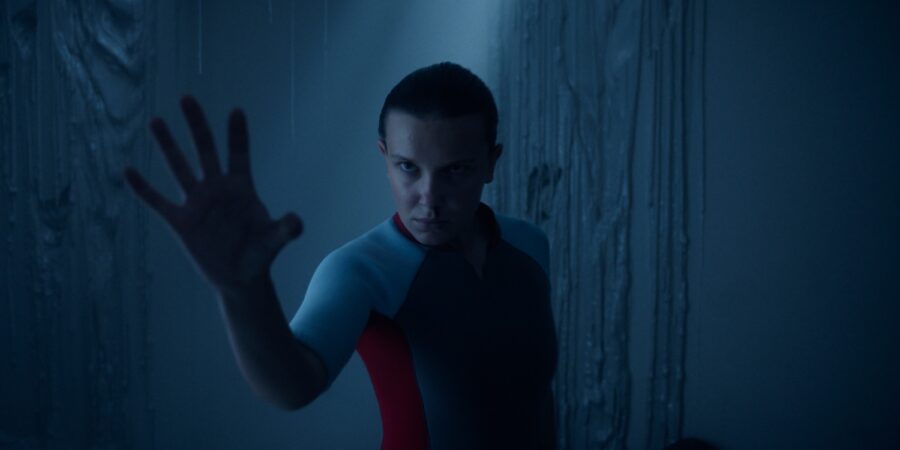
This reasoning suggests the narrative does see El as an independent character. She is used as an obstacle, representing childhood magic rather than a person with hopes, plans, and dreams.
The sudden switch during Season 5 regarding El’s arc treats her as a weapon rather than a human being, after seasons of crafting the opposite narrative. It is disgraceful and dishonorable, especially considering how the US military has abused Eleven most of her life.
El is the heart of this show and deserves better than the ending she receives. Hopefully, she really is out there in Iceland, living peacefully and freely, because that is the only comfort we can take in her last stand.
—
All episodes of Stranger Things are streaming now on Netflix.
Follow us on X and on Instagram!
Want more from Tell-Tale TV? Subscribe to our newsletter here!
Sarah Novack

Sarah has been a passionate writer and blogger about various forms of media for as long as she can remember, and her favorite method of expressing this passion is through writing and discussion. She loves way too many TV shows, books, and movies, specializing in book-to-screen adaptations, fantasy, sitcoms, and procedurals.