

How Adults and Overcompensating Demonstrate What Gen Z Wants to See on TV
If you’re wondering why you’ve been hearing so much buzz around Adults and Overcompensating, look no further.
Overcompensating is a Prime Video series that follows two college students: a closeted ex-football player, Benny, who forms a strong friendship with Carmen, a girl grieving the loss of her brother.
Adults is a Hulu series about a group of people in their 20s living together in Brooklyn and how their messy lives get entangled.

These two streaming shows have captured the hearts of eager Gen Z watchers. As a result, there has been considerable conversation on social media about these new series.
Of course, it helps that some of the cast members already have a significant social media presence, such as Benito Skinner in Overcompensating and Jack Innanen in Adults.
However, there’s more to how these shows have captured the hearts of one of the up-and-rising demographics of TV watchers.
A central theme of both shows is that the main characters are imperfect people. They make mistakes and often embarrass themselves in the process.

While it can be hard to watch without cringing, many Gen Zers can also heavily relate. From agonizing over text messages to coming to terms with one’s sexuality, these shows cover common dilemmas this generation is familiar with.
Additionally, these shows portray modern friendships in a surprisingly honest way.
Instead of presenting friendships as something taken for granted, both Overcompensating and Adults display how it can often be a bumpy road.
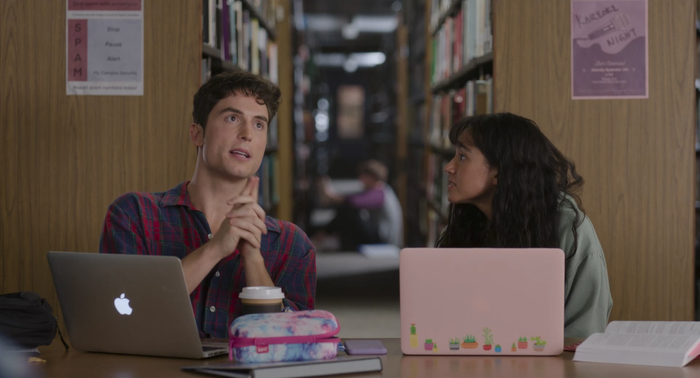
On Overcompensating, Benny and Carmen have a rough patch in the middle of the season. It stems from the fact that Benny is in denial of his sexuality and tries to use Carmen as a shield.
Of course, this makes Carmen upset when she hears the rumors Benny has spread about her in the process. Eventually, Benny apologizes to her and works to fix their friendship by being more truthful.
On Adults, Issa convinces her friends to let her partner, Paul Baker, move in. During this move-in process, everyone in the house helps set goals for one another. The scenes of the friends confronting each other demonstrate the importance of communication in friendships.
A lesson that many Gen Zers are facing in their process of growing pains is often miscommunication in the face of changing social norms. This representation helps illustrate ways to set healthy boundaries.
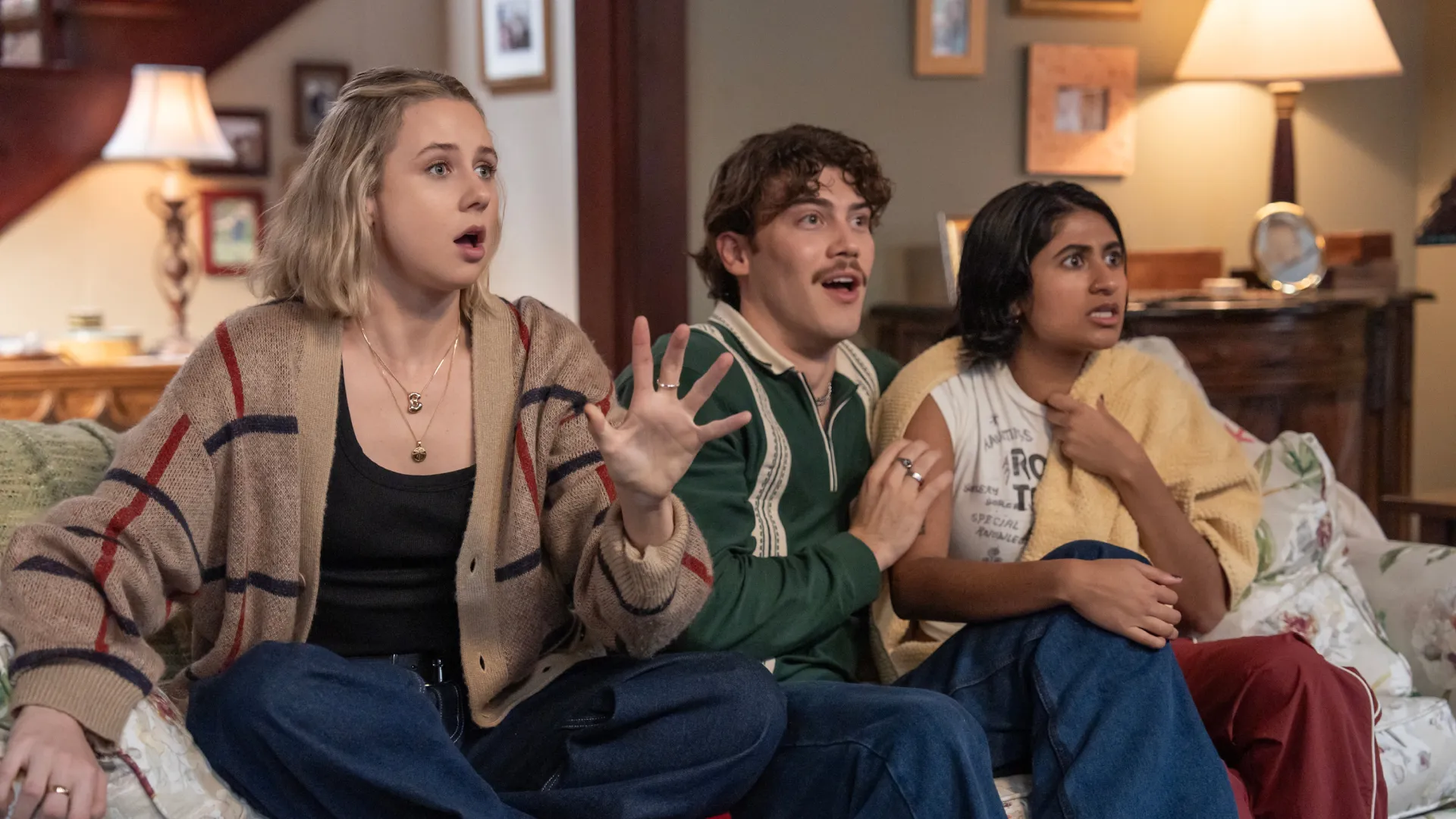
At their core, both of these shows emphasize the crucial point that friendship and learning from mistakes are integral to growing up.
It’s rare to see such an honest depiction of this reality, which is why it isn’t surprising that Adults and Overcompensating resonate with the Gen Z audience.
Another important topic both shows cover is the topic of queer identity.

In a time when many queer shows are getting canceled, the queer Gen Z audience is seeking more LGBTQ+ stories on screen.
Overcompensating and Adults both have queer main characters, and queerness is a central part of the story rather than an afterthought. Therefore, it’s refreshing to see the open exploration of sexuality, especially among people who are similar in age for Gen Zers.
These shows may touch on topics personal to the audience, but they also don’t shy away from having fun. If you ask anyone who has watched either show, they’d agree that neither takes itself seriously.
Both Overcompensating and Adults fall into the comedy category, so they’ve got jokes and bits for days. But what stands out about their humor the most is perhaps its cultural relevancy.

Given the length of time it takes to produce a season of a show, many comedies fall victim to the trap of their jokes feeling stale. The time between when they’re written and when they’re aired is long enough to make the timely jokes fall flat.
For the most part, Adults and Overcompensating manage to avoid this while still feeling very relevant to the current world. They accomplish this by bringing in topics that have long-lasting significance in pop culture, particularly among the Gen Z audience.
For example, Charli XCX makes a cameo in Overcompensating. Her “brat” era has left a lasting mark on Gen Z, as everyone is still feeling the effects of her global takeover with her iconic green album.
As for Adults, they poke fun at the use of AirTags to track friends’ locations and the way many adults in their early 20s have developed extremely codependent relationships due to technology. It never feels like either of the shows is making fun of Gen Z experiences, but instead feel like they are laughing alongside this demographic.

Both shows are currently awaiting a renewal for Season 2.
They came out over a month ago, around the same time, and their dedicated fan base has been eagerly awaiting news about more episodes.
Hopefully, it gets announced soon so Gen Z can have something to look forward to watching that they know will be worthwhile.
—
Overcompensating Season 1 is available to stream on Prime Video. Adults Season 1 is available to stream on Hulu.
Follow us on X and on Instagram!
Want more from Tell-Tale TV? Subscribe to our newsletter here!
Sam Huang

Sam Huang is a college student and writer. They are passionate about TV comedies and writing works that explore intersectionality. Their work has been published in the Healthline Zine, Filmcred, and Mediaversity.