
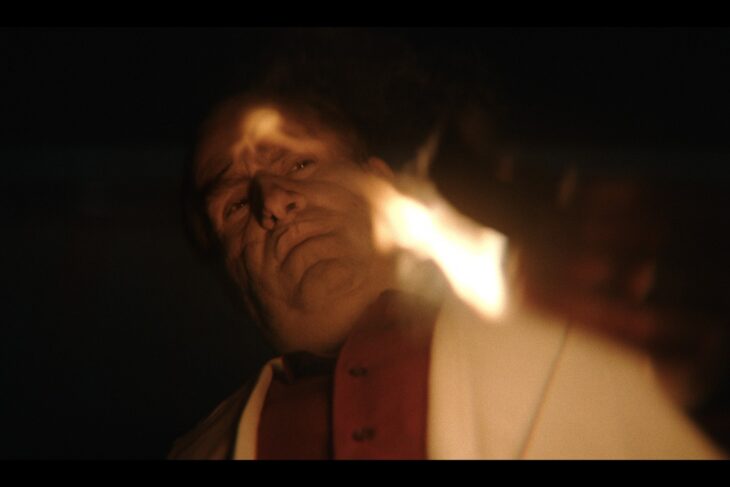
The Penguin Review: Another Classic Batman Villain Gets His Honorable Dues
Batman’s rogues gallery has been continually explored in ways that really make these characters stand out. Whether it be Todd Phillips’s sinister Joker films or the chaotically colorful Harley Quinn series, these takes work well.
However, for me, Matt Reeves’s The Batman films modernized this side of the DC Universe through its noir, The Godfather-like perspective. Reeves shaped his version of the Dark Knight and his world in a dark way that heavily resonated with fans.
However, one other character who stood out was Colin Farrell’s Oswald Cobb, whose nuanced role was heightened by Farrell’s compelling performance. So, when Max’s The Penguin began to take shape, some were intrigued by the idea of exploring yet another villain. Fortunately, through this show, Reeves and company continue to prove that a meticulous approach to iconic characters can work.
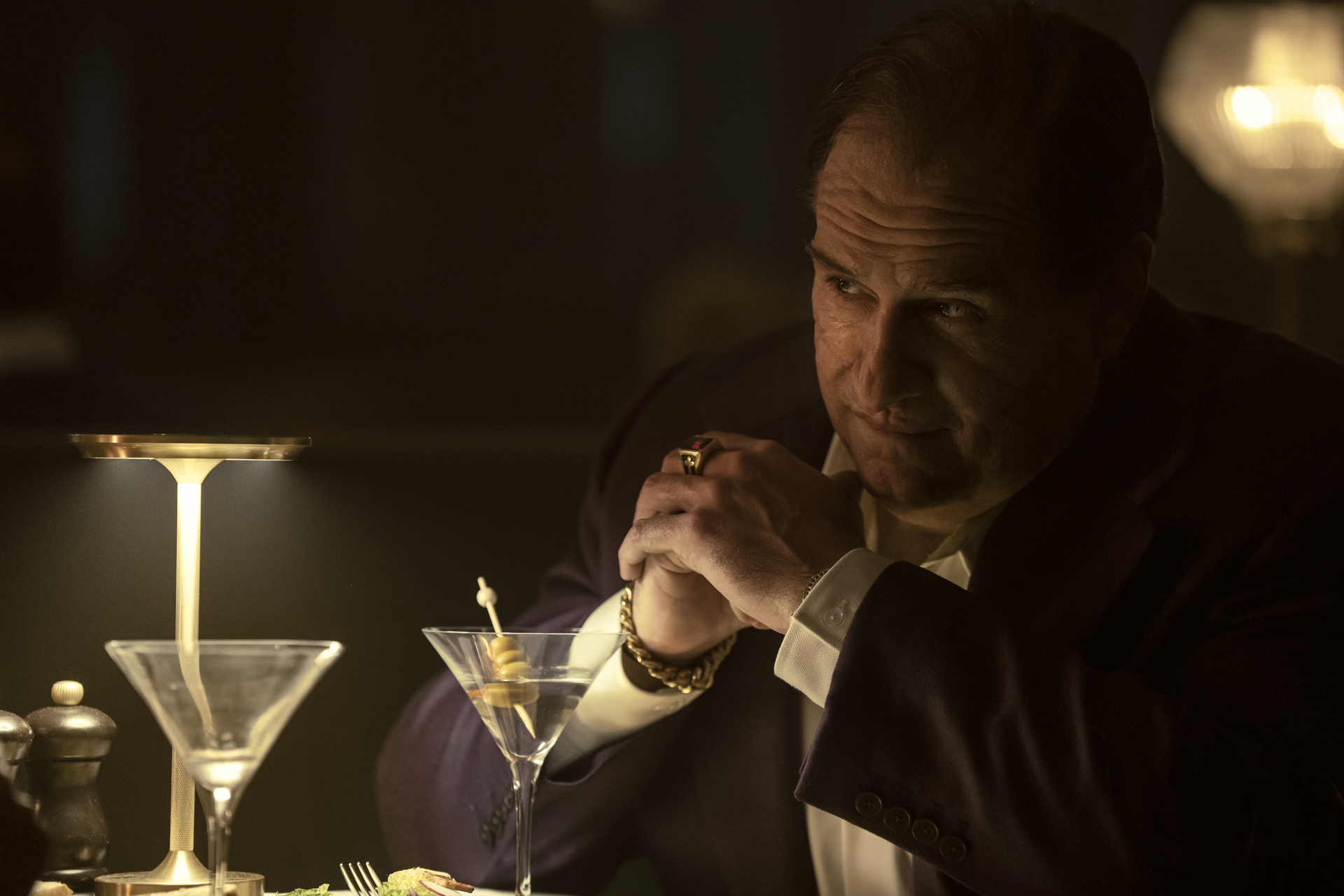
While the show is closely inspired by the comics, The Penguin is shaped around many complex ideas. Tonally, it’s a serialized criminal drama that seems on par with shows like The Sopranos and Narcos. The visuals and hard-hitting cinematography from the film clearly influence this show.
When looked at deeply, this show explores how evil can manifest and be shaped by innocence. This idea has definitely been explored in other DC shows like Gotham. However, these personalized perspectives allow further exploration by expanding the lore around Cobb’s past and present.
Similarly to the Joker, Cobb decides to take on an apprentice in Rhenzy Feliz’s Victor to help him take down the Falcone family. Unlike Joker and Harley, Cobb and Victor’s relationship maintains this level of respect and empathy, and Cobb genuinely sees Victor as his own “son.”
There’s a specific episode near the middle of the season that shines out because it involves Victor’s perspective. It’s clear that Victor doesn’t want to fully indulge in what Cobb wants for Gotham because he has this moral conflict. Feliz’s performance in that episode gives the show a greater sense of brevity as he gets into more complicated situations later.
Although The Penguin is still obviously Cobb’s story, Reeves and Farrell take careful steps to make him more intimidating.
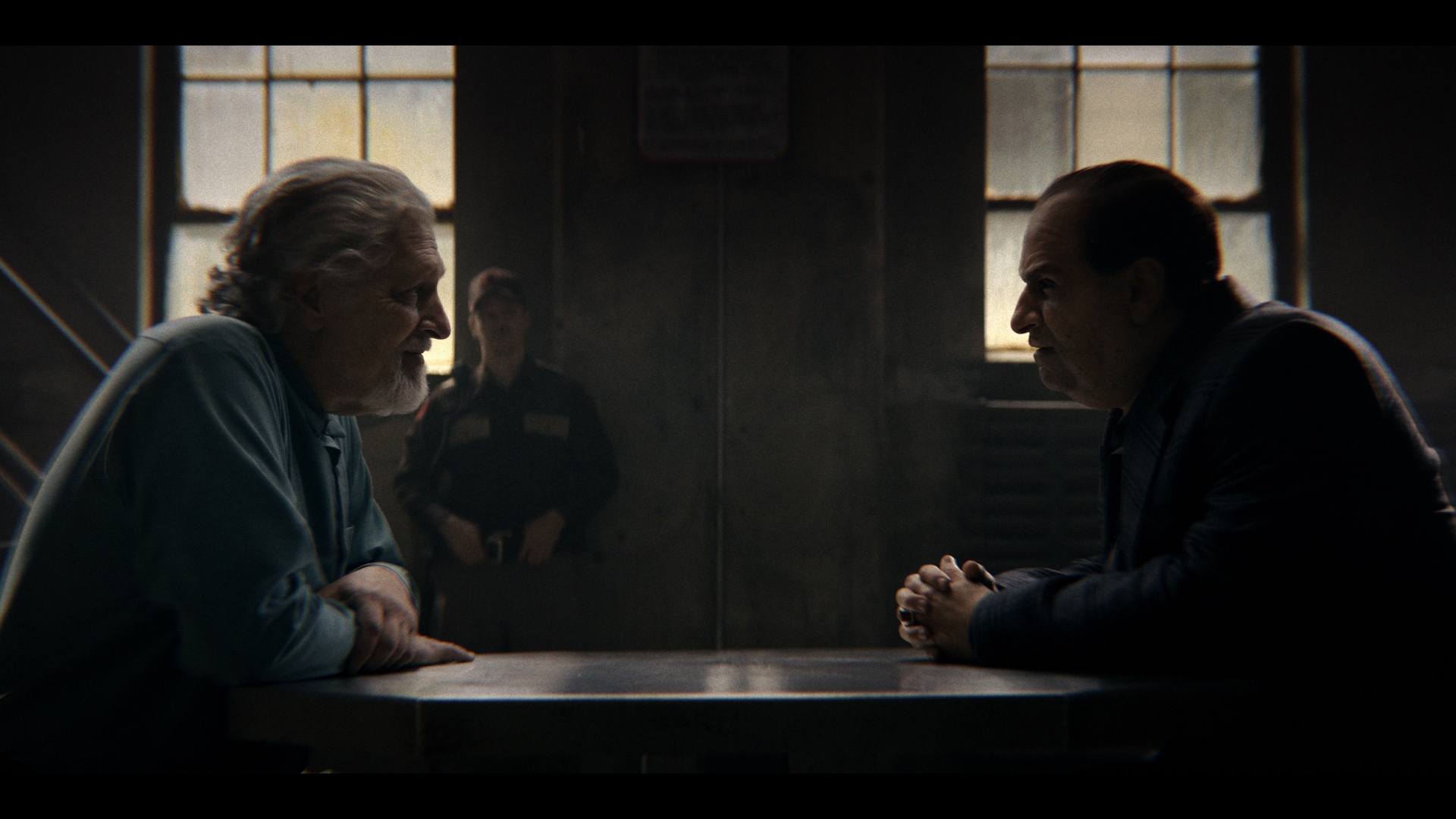
Through this show, Farrell gives Oswald Cobb a new shade of complexity that was definitely missing from The Batman. With Falcone dead and Salvatore Maroni in prison, Cobb is trying to fill that void of power while also trying to find his way in the world.
Unlike Cobb in the comics, Farrell’s version is initially directionless, with the sense he wants to be that major player.
In a way, Cobb makes for a great antiheroic character who somewhat pulls the character out of his villainous ways. He takes drastic measures, particularly in the tail-ended episodes, yet he does so in ways that show his care towards Victor while hiding his true intentions. However, in the end, he’s still that masochistic monster that everyone knows him to be.
Additionally, The Penguin opens up a new perspective on Cristin Milioti’s Sofia Falcone, who has even deeper ties with Cobb. Milioti makes Falcone somewhat more terrifying than her father, who only appears here and there. Sofia Falcone is this deceptive figure who is always a step ahead of Cobb, making her a fitting antagonist to face.
The Falcones have their influence over Cobb’s rise to power in ways that go to the extreme. You could continuously feel this sense of urgency that comes with each move they make, especially on The Penguin Season 1 Episode 6, “Gold Summit.” Despite not being as action-based as the film, the show still retains a looming terror with everything they do.

Essentially, both Cobb and Victor have to face their pasts and resolve their issues in due time. Both of these characters have problems that are tightly connected to this overarching idea about family and belonging to one.
After the first two episodes, the show digs even deeper into Cobb’s connection with the Falcones in a way that intertwines with Victor’s familial trauma. Every episode successfully showcases why there’s this shared need to belong: for survival and, ultimately, purpose.
Reeves and company implement this idea with such maturity that it feels refreshing compared to previous DC shows. By focusing on multiple perspectives, The Penguin not only successfully makes the iconic Batman villain a distinct character but also shows new shades that make him feel different from other iterations.
Removing Batman and superheroes from the equation legitimately seems to work, but the future will see how shows around villainous characters will continue.
Critic Rating:
User Rating:
The Penguin begins streaming on Max on September 19. New episodes will be released every Sunday.
Follow us on X and on Instagram!
Want more from Tell-Tale TV? Subscribe to our newsletter here!
Chris Gallardo

Christopher Gallardo is an entertainment writer, critic, and member of New York Film Critics Online. While not running his own social channels, Chris can be found writing reviews and breakdowns on all things films and TV for multiple outlets. Plus, he loves Percy Jackson, animated films and shows, and Fallout! You can find him anywhere on social media at @chrisagwrites.