

How ‘Supernatural’ Proves We Need TV Shows with Longer Seasons
The beloved sci-fi/fantasy series Supernatural wouldn’t have been the same if it didn’t have the once-standard 2o plus episodes per season. It’s just one example of a TV show that thrived in a format that is becoming less and less popular.
With many popular shows launching on streaming or cable rather than network now, those series often pride themselves as “prestige TV.” Rather than spread their budgets towards 20 episodes per season, many shows now release 6 to 10 episodes.
This is one of the defining traits that separates streaming and cable from network television. Whereas network TV can run a show weekly for months, streaming and cable series often condense things in a shorter time.
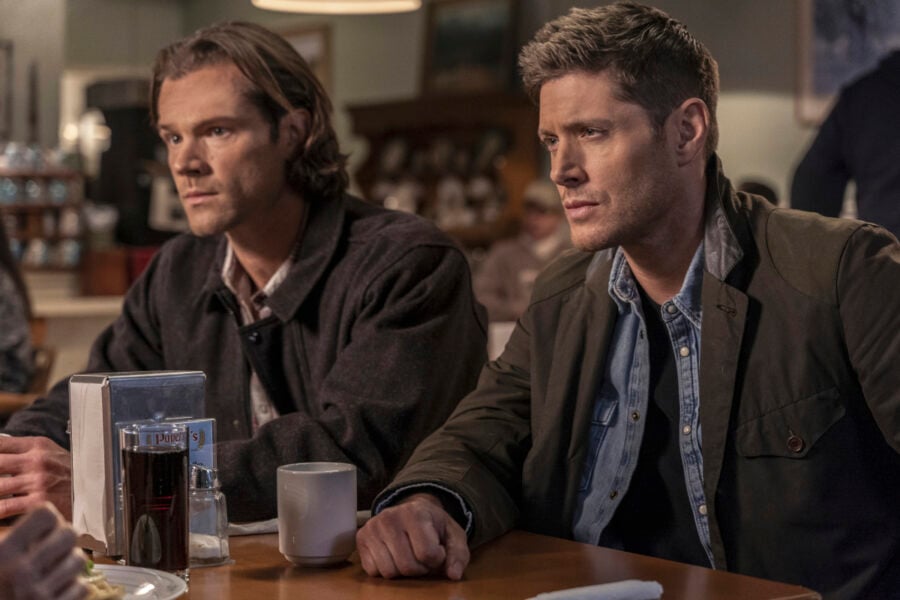
Supernatural was designed to stretch its budget to 22 (sometimes 23) episodes per season. Some episodes appear cheaper than others, and the writing often gets repetitive. There are only so many episodes where the Winchesters fight against vampires that you start seeing patterns.
On the contrary, shows on streaming are designed to have fewer episodes yet have higher budgets for each episode. Stranger Things is one of the biggest hits on Netflix, but despite lasting four seasons, the show only has 34 episodes. Supernatural had 82 episodes when it finished its fourth season.
The large number of Supernatural episodes may seem excessive, nevertheless, they help give audiences a better understanding of the world and fall in love with the characters. Those extra episodes also allow for more creativity and variety, and keep audiences engaged longer.
The network models are also released yearly, in contrast to the two-year gap between the streaming model. The longer wait time between seasons has also become a determinant of modern shows, a problem that Supernatural never had.
Why Abandon The 20-Episode Network Model?

With the streaming model becoming increasingly the norm, it feels as if companies are abandoning the old network model.
The main benefit of shorter television seasons is that it gives the show a higher budget per episode count. Rather than stretch the budget out to 20 episodes, shows can still condense a series to a fraction of that. The higher budget allows the series to have a more polished look and appear more similar to high-quality films.
Many modern shows benefited from the smaller episode count and bigger budgets for each episode. Nonetheless, we ultimately lost something with fewer episodes. We don’t get to know the characters as well as we do in the network model. Our time with the characters is more limited, and we don’t get to see all facets of the cast.
The streaming model also doesn’t give writers much room to experiment and add variety to the series.
Making matters worse, most modern shows take two years to release in-between seasons.
Why Supernatural’s 22 Episode Seasons Matter

The main benefit of Supernatural having 20 episodes per season is that viewers get to know the characters more. Each episode would provide a new angle on the character that audiences haven’t seen before.
For example, in Supernatural, Dean often shares his ruthless side when hunting for monsters and other creatures. While under the possession of the Mark of Cain, Dean mercilessly slaughters a family of necromancers in Supernatural Season 10 Episode 21, “Prisoners.”
On the flip side, Dean has a goofy side to his personality. The show has a running gag for his love of pies and greasy hamburgers. Supernatural Season 8 Episode 8, “Hunteri Heroici,” has Dean being silly while chasing after a criminal who changes reality to follow Looney Tunes’ logic.
Without the more extended episode counts, the show wouldn’t have enough time to dive into different shades of the characters. With only 6 to 10 episodes, most streaming seasons are much more plot-focused. There isn’t enough time for shows to explore characters more uniquely or experimentally.
Supernatural would always have an episode every season that is more off-the-wall than a standard episode. These episodes include one where the Winchesters are stuck in different TV channels in Supernatural Season 5 Episode 8, “Changing Channels.”
Another example is when the Winchesters end up on the real-life set of the show in Supernatural Season 6 Episode 15, “French Mistake.”
You don’t get any of that in the more prestige era of modern TV. With such a limited episode count, every single story beat matters. Even though the plot is always important for storytelling, characters should always come first. You don’t get as invested in the characters if a show is nothing but the plot.
Supernatural Allowed Side Characters Get to Star in Their Own Episodes

Noteworthy streaming shows can add personality and character moments. Nonetheless, they always felt highly constrained.
For instance, The Boys only has eight episodes per season. Because of that constraint, there can never be a standalone episode where the characters stand around and live their lives. Every episode must build towards the characters’ goal to stop bad superheroes.
Rather than getting a dedicated episode exploring Frenchie, his character arc runs parallel to the ongoing story thread. His significant character moment in Season 3 was confronting his former partner Cherie in The Boys Season 3 Episode 6, “Herogasm.”
However, because of the limitations of the eight-episode season, Frenchie’s moment was overshadowed by the climactic fight between Homelander and Soldier Boy in the same episode.
That’s not an issue in Supernatural or other shows with the network model. Every character, even the side characters, has dedicated episodes to themselves for audiences to get to know them better.
Supernatural, Season 6 Episode 4, “Weekend at Bobby’s,” is a nice standalone episode that stars a beloved recurring character. It doesn’t contribute much to the overall storyline but gives fans more of what they love about the series. An episode like “Weekend at Bobby’s” wouldn’t exist in the current streaming model.
Supernatural Was Allowed To Take Risks and Keep Audiences Engaged Longer

There’s a reason why Supernatural lasted for fifteen years. The writers, producers, and directors knew how to keep viewers engaged for years. They knew how to spice up the series and take bold risks.
Every season of Supernatural features an original ongoing storyline, something new for fans to engage with and experience. If someone didn’t like a particular story beat from one season, that same person may like another storyline from a different season.
It adds variety to the show, making it less stale and repetitive. While Supernatural always remained a dark fantasy about hunting monsters, each season is unique. This was done to keep viewers more engaged for as long as possible. Each season also builds on top of each other, creating an expansive lore.
Even though Stranger Things, for example, is a very well-constructed streaming show, all its seasons are fundamentally the same. Supernatural never had that problem.
Because Supernatural had more screen time, it was allowed to be more creative and take more risks. Outrageous episodes like “Hunteri Heroici” wouldn’t exist in the current streaming model because they wouldn’t have the time.
Supernatural also took plenty of daring story twists and character deaths. Dean’s death in Supernatural, Season 3, Episode 16, “No Rest for the Wicked,” is genuinely gruelly and sad to witness. The introduction of Angels and Dean’s resurrection in Supernatural, Season 4 Episode 1, “Lazarus Rising” is equally shocking.
These plot twists allowed Supernatural to keep viewers interested for over fifteen years, a luxury most streaming shows would kill to have. Most modern shows would often end within two seasons before they can reach a rhythm.
Current Streaming and Cable Shows Should Have Longer Seasons
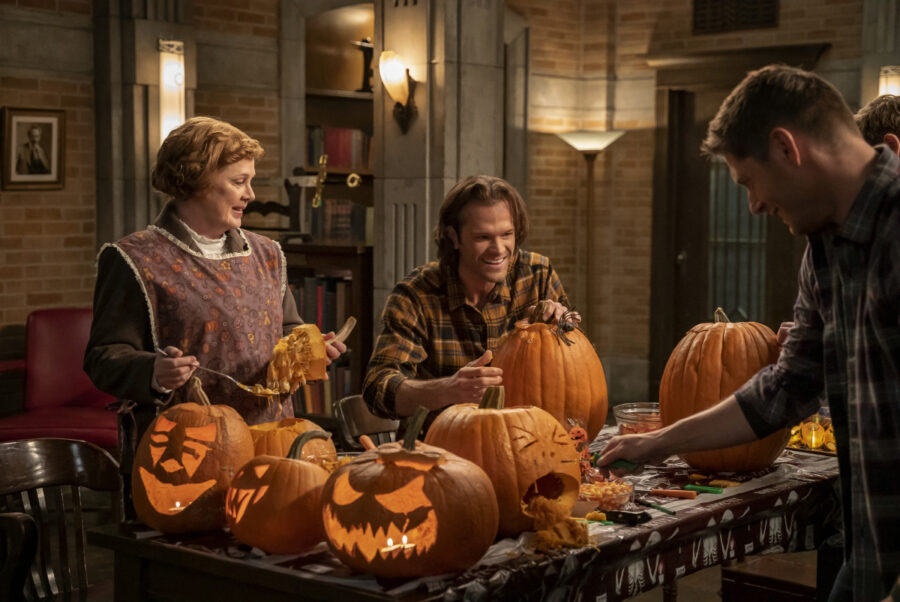
Even though the 20 or higher episodes meant we were more likely to get bad episodes, the trade-off was worth it. Supernatural and other network series prove that TV shows were built to have longer seasons. Audiences become more invested when we have more episodes to enjoy.
Without the longer seasons, we don’t get to know about the world or characters more. Even ten episodes per season don’t give audiences enough time to fall in love with characters in the same way they do with long-running series.
The streaming model also takes too long to release in-between seasons and lacks variety.
Hopefully, producers and executives won’t abandon the 20-episode seasons altogether. Even though not every show needs it, there is something genuinely beautiful about these longer seasons.
Follow us on X and on Instagram!
Want more from Tell-Tale TV? Subscribe to our newsletter here!
Misael Duran

I'm a professional writer who has written for IGN, CBR, TheGamer, Gamepur, and many more websites.