

15 TV Shows That Left Us Hanging
Watching TV is to yearn for and dread the conclusion at the same time. You want to keep following the characters’ stories indefinitely but also want the reassurance of an ending.
That’s what makes unexpected cancellations, and the resultant unfinished endings and cliffhangers, so frustrating.
Many shows have been canceled and then rescued, often by another network, but for every one that was saved and got a proper ending, there are at least three that weren’t.
Then, there are the shows that end on their own terms yet still don’t wrap everything up, as if to say that conclusion is overrated. This is important to remember because while early cancellations are often treated as black marks on a show’s legacy, that there’s any piece of story left to watch is a small miracle.
David Milch, creator of Deadwood, wrote in his memoir Life’s Work that the show’s early cancellation was unfortunate, but it wasn’t the final word on how he remembered the experience.
“To waste time regretting or feeling betrayed as if there was some contract with the audience that was defaulted on, was to deprive oneself, as a member of the audience and participant in the making, of the pleasure of appreciating what did exist.”
As for Deadwood getting a wrap-up movie in 2019 that did resolve unfinished business … don’t let that sully the sentiment.
Here are 15 TV shows that left us hanging:
1. 1899
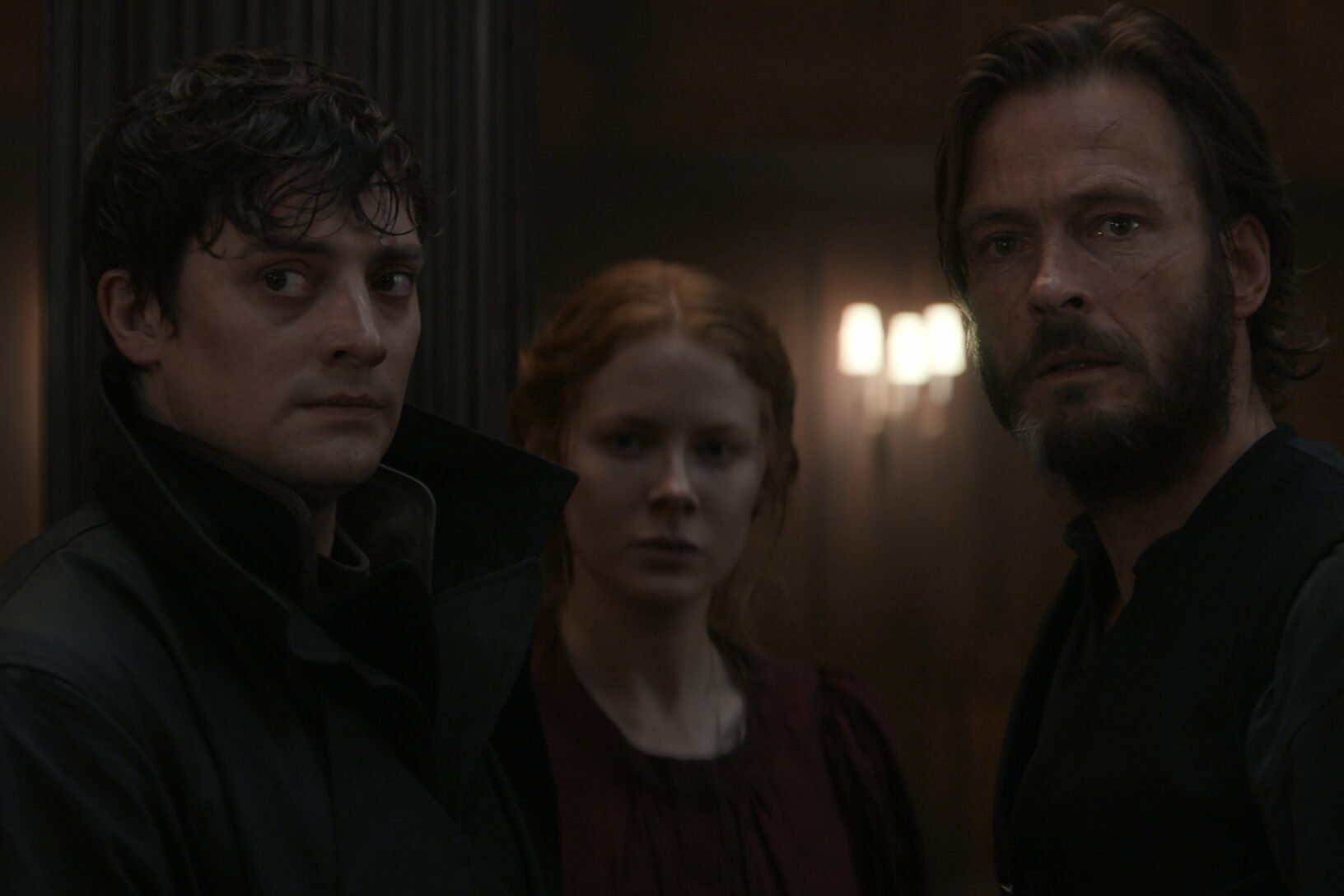
Unfortunately, the streaming era has not ended the practice of executives abruptly pulling the plug on unfinished shows before they can even build up an audience. Netflix has become particularly guilty of this.
1899, the follow-up to Dark from co-creators Jantje Friese & Baran bo Odar, followed a ship of English immigrants sailing to the New World. The voyage turns into a mystery no passenger was expecting.
Despite the success of Friese and Odar’s previous series, that cache wasn’t enough for Netflix to give 1899 a second shot. Thus, the series’ 8-episode run concludes with protagonist Maura (Emily Beecham) discovering she lives in the future (2099 to be precise), not the past.
Would the show’s own title turn out to be a red herring, or would this cliffhanger’s resolution reveal a different truth? It’s unknown, but we at Tell-Tale TV have argued that 1899 deserves another season.
2. Agent Carter
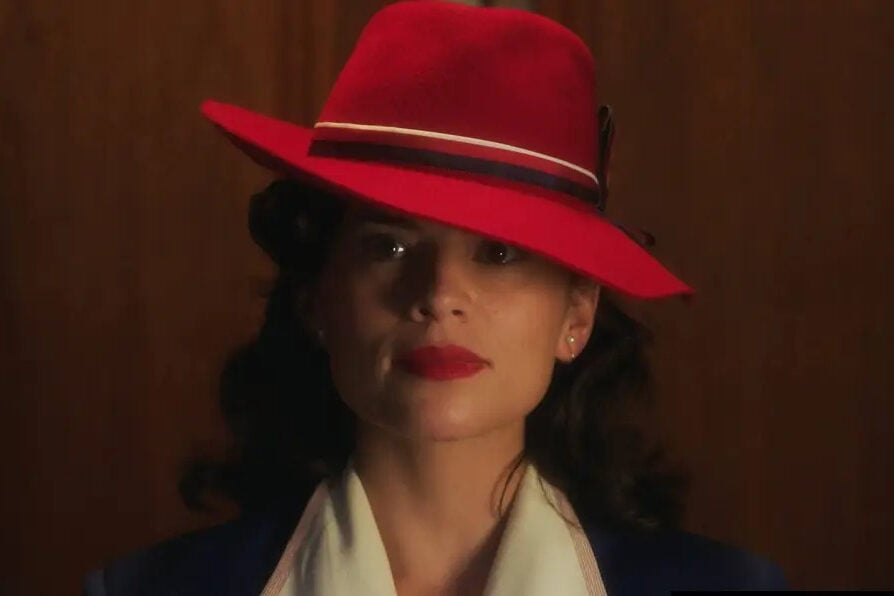
The Marvel Cinematic Universe has its tendrils wrapped tightly across the entertainment industry, with almost every new installment leading to another spin-off. Like the comics these films and TV are based on, some storylines fall through the cracks.
Agent Carter was a TV sequel to Captain America: The First Avenger, following Peggy Carter (Hayley Atwell) in 1946. One year after World War 2’s end, she’s still grieving the presumed dead Steve Rogers (Chris Evans) but keeping at spy work, fighting villains and sexism at the same time.
Agent Carter Season 2 ends with Agent Jack Thompson (Chad Michael Murray) being shot by an unknown assailant who steals a file on Carter — and that’s all she wrote.
Peggy/Atwell has not been forgotten by the MCU (she’s been starring in “What If…” as the superpowered Captain Carter) but this loose thread remains untied.
3. Angel
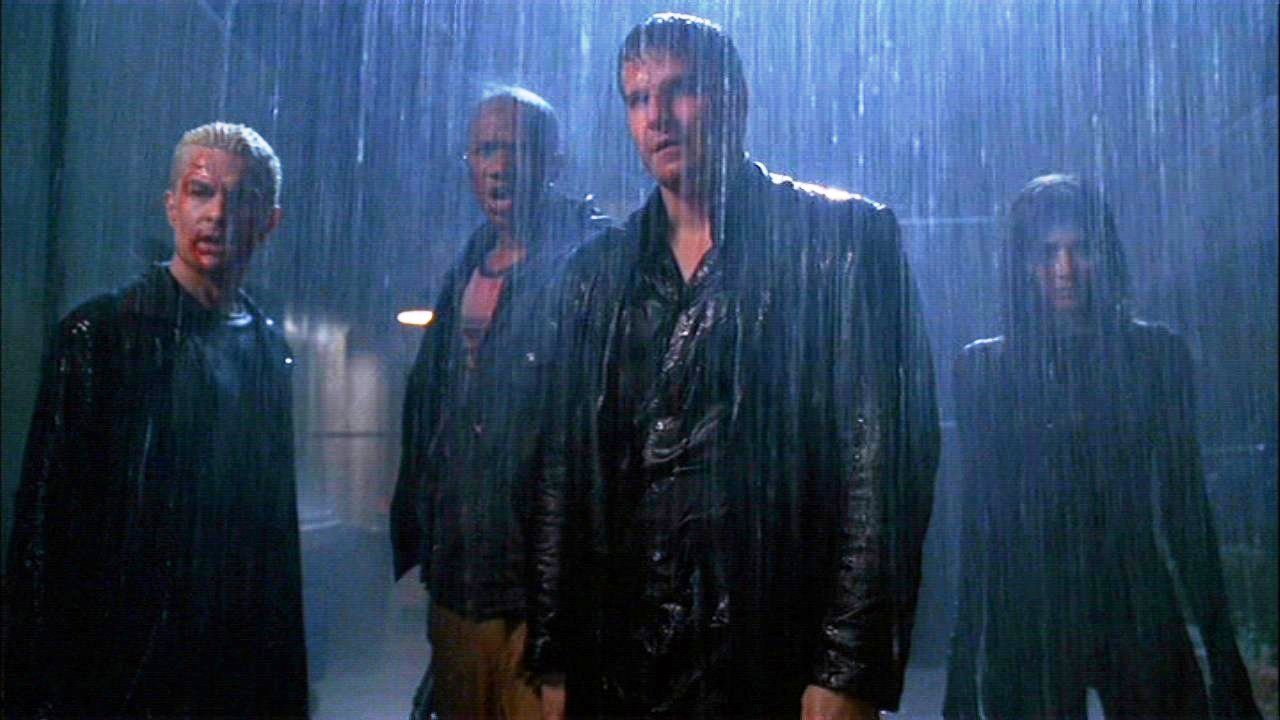
Angel ended a year after its parent show, Buffy The Vampire Slayer. Despite the creators’ hope for a sixth season, the show was able to go out on its own terms — open-ended ones.
Our vampiric lead (David Boreanaz) spends Season 5 working for law firm Wolfram & Hart, the root of evil on the mortal realm. He learns you can’t win in a deal with the devil, so on Angel Season 5 Episode 22, “Not Fade Away,” Angel breaks his contract.
Angel assigns his team to assassinate one member of each of the Circle of Black Thorn, Wolfram & Hart’s elite agents. The survivors are confronted by a massive demon army for their actions and end the series fatalistically determined to go down swinging.
The philosophy of Angel (the show and character) is “if nothing we do matters, then all that matters is what we do.” This end exemplifies that and Angel’s own quest for redemption; it’ll never be over because redemption isn’t an end goal, it’s a continual state of choosing to better.
The ending of Angel is not conclusive, but it is satisfying.
4. Cowboy Bebop

Here, we have the opportunity to underline the difference between an unresolved ending and an ambiguous ending.
The 2021 live-action adaptation of the classic anime Cowboy Bebop was short-lived. Season 1 ended with the motley crew of bounty hunters — Spike Spiegel (John Cho), Jet Black (Mustafa Shakir), and Faye Valentine (Daniella Pineda) — going their separate ways.
The series ends with Spike stumbling out of a bar and running into insane hacker Radical Edward (Eden Perkins), who has a new mission for him: finding Vincent Volaju, “the Butterfly Man.” Any fan knows this would mean an adaptation of the Cowboy Bebop movie, Knockin’ On Heaven’s Door.
Ending the season like this was a show of confidence by the makers that there would be more. Instead, they teased a story that won’t be coming.
The original Cowboy Bebop ends abruptly too — in Episodes 25/26, “The Real Folk Blues” (a two-part series finale), Spike collapses after a final battle with his former friend turned enemy Vicious. There, though, it’s a deliberate choice by director Shinichirō Watanabe to leave the audience wanting more.
5. Drive
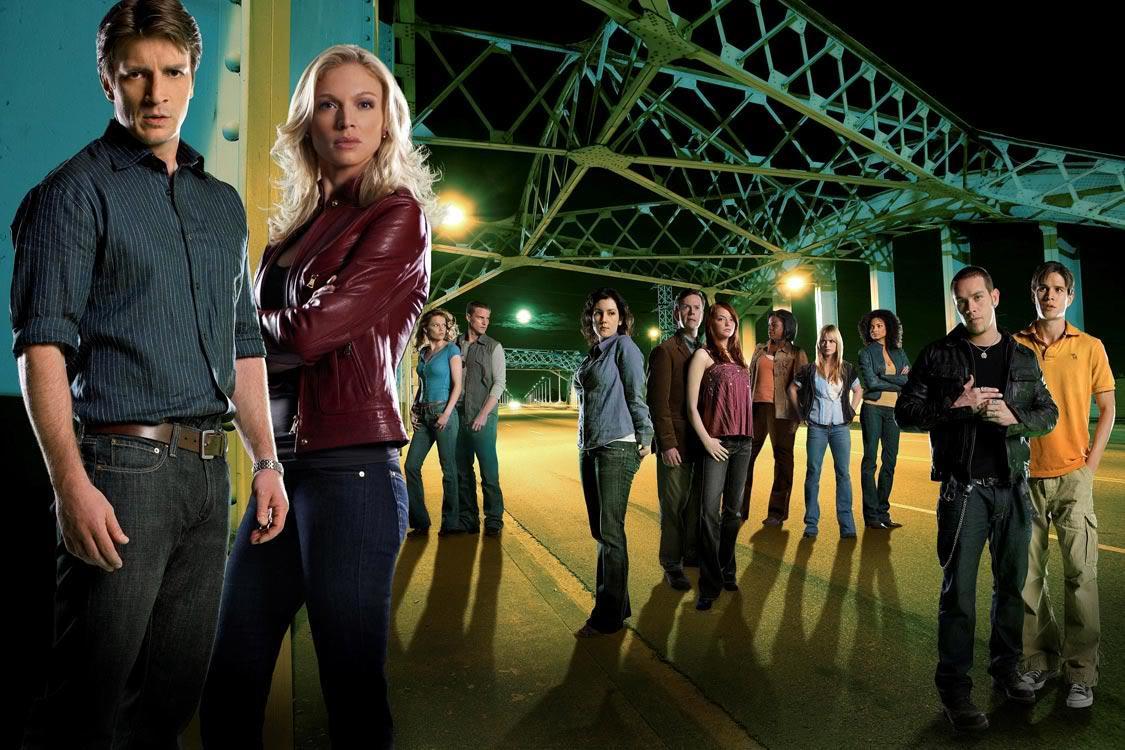
This show, starring Nathan Fillion, was canceled by Fox before it aired even a full season. Wait, do you think I’m talking about Firefly?
That 14-episode space western is the stuff of canceled TV legend (and a revival remains a geeky pipe dream). However, Browncoats got a proper ending pretty quickly with the 2005 follow-up film Serenity.
Drive (not to be confused with the 2011 Ryan Gosling crime film) was not so lucky. Co-created by Firefly alum Tim Minear, he also recruited Fillion to star as Alex Tully, one of an ensemble blackmailed into participating in an illegal road race across America for nebulous reasons.
The cast also included Melanie Lynskey, Dylan Baker, and a pre-breakout Emma Stone. Yet, Drive only lasted for four episodes in early 2007 (two were produced but not aired) before its engine gave out. The series ended with the race unfinished, and thus no winner. and the slowly teased character backstories were left incomplete.
In 2018, Fillion joked to the A.V. Club that he “sometimes forgets” he was in Drive.
6. Hannibal
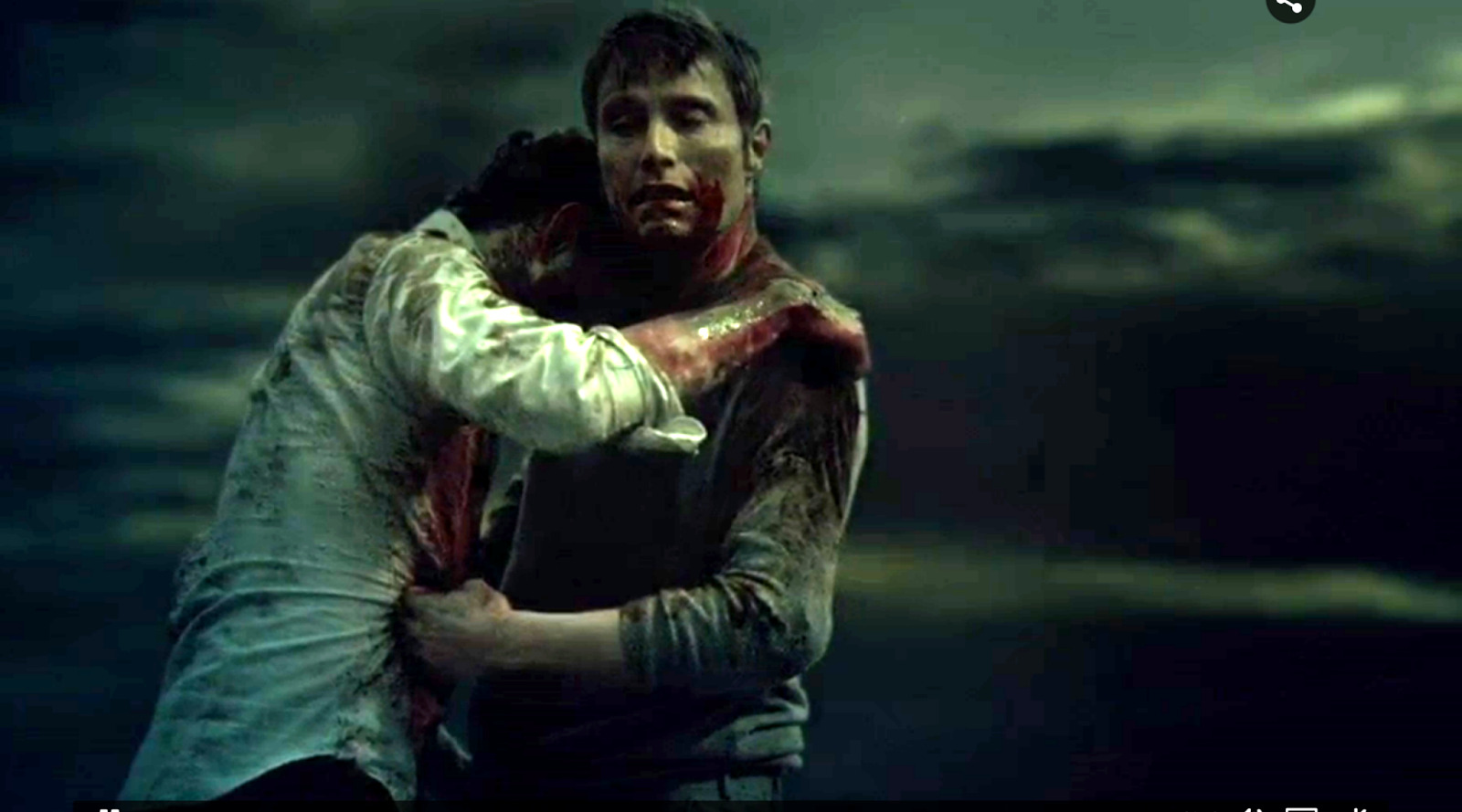
Hannibal creator Bryan Fuller always played with fire with his season finales. Season 1 ends with Dr. Lecter (Mads Mikkelsen) framing Will Graham (Hugh Dancy) for his crimes. Season 2 ends with nearly all the main cast bleeding out while Hannibal escapes.
Given how unfortunately low the ratings for Hannibal were, each of these could have been the series finale — by Season 3, that finally happened. On Hannibal Season 3, episode 13, “Wrath of the Lamb,” Will and Hannibal (who’ve shared a pseudo-romantic connection from the beginning) slay the Red Dragon Killer (Richard Armitage) together and embrace.
Then, Will throws himself and his “murder husband” off a nearby cliff into the ocean. Fuller is being cheeky with this ending, suggesting a literal cliffhanger with the uncertainty of whether Will and Hannibal survive.
If one reads it less literally, though (as you should with Hannibal) it’s possible to see the moment as Will’s rebirth, the ocean below symbolizing a baptism (typically done with water). Even so, we can only imagine what happens next.
7. Kings
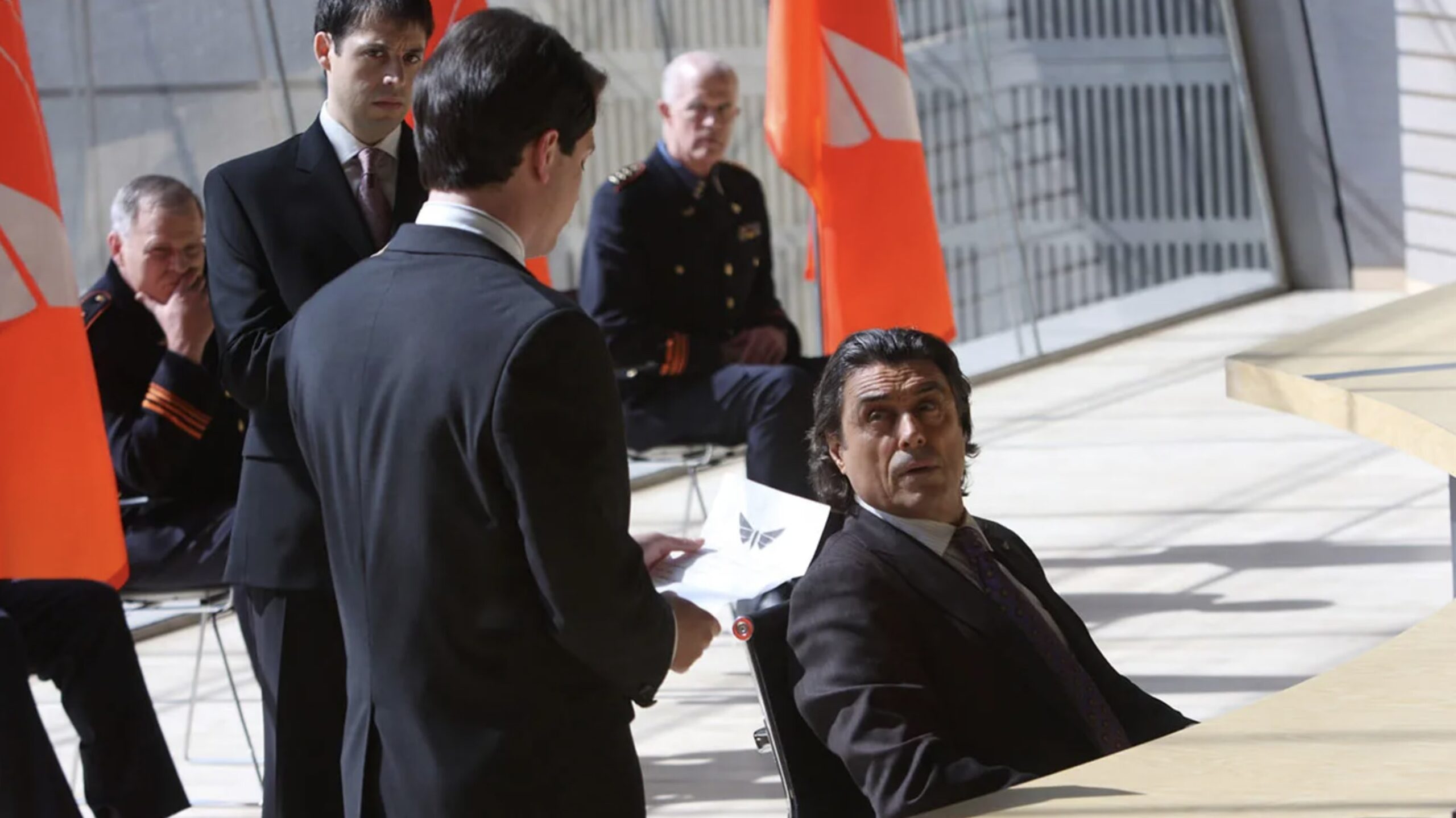
Kings (created by Michael Green, now famous for Blue Eye Samurai) retold the story of King David in a modern-day context. With only one 13-episode season (aired in 2009), it didn’t reach the epic heights of its inspiration.
Season 1 of Kings builds up the relationship between hero soldier David Shepherd (Christopher Egan) and the paranoid Silas Benjamin, King of Gilboa (Ian McShane).
The kinship reaches its breaking point by the end of Season 1, with Silas (like the Biblical Saul) scared that God has named David his successor. David, meanwhile, grows disillusioned with the ruthless king he once served.
Season 1 Episode 13 “The New King” spends its last 15 minutes setting up plot threads for the nonexistent season 2. David flees to the neighboring country Gath, but he would inevitably return while Silas would fall. We just never got to see it.
8. Legends of Tomorrow
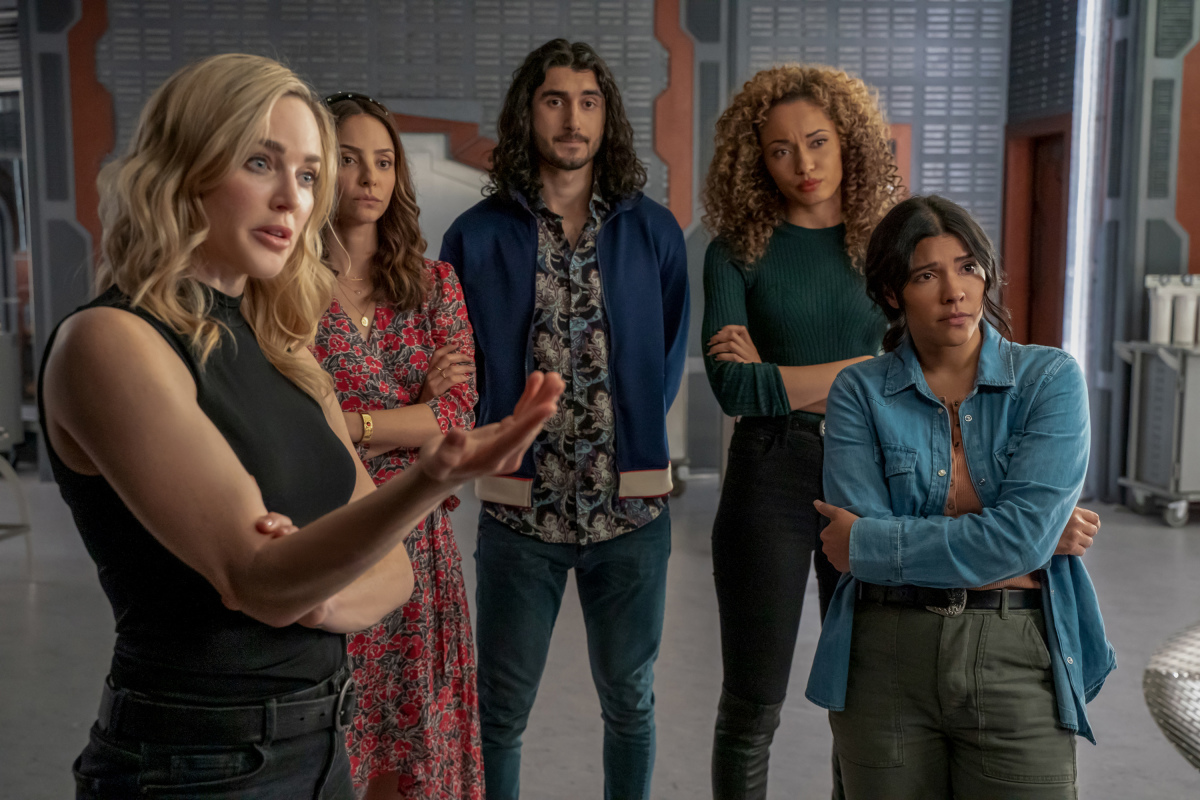
The “Arrowverse”, the shared universe based on DC Comics that once dominated the CW, is dead and buried. Of the long-running programs that made up this franchise, Legends of Tomorrow got the most abrupt ending.
Legends of Tomorrow was crafted by throwing supporting superheroes from Arrow and The Flash into a time travel plot a la Doctor Who. Running for seven seasons and 110 episodes (though only Caity Lotz, as Sarah Lance/White Canary, stayed from beginning to end) the show was abruptly canceled in 2022.
Thus, it ends with the titular “Legends” being arrested by time-traveling authorities after meeting Booster Gold (Donald Faison), DC’s go-to futuristic hero.
Even shows that run for season after season can see their fortunes shift for the worse.
9. The OA
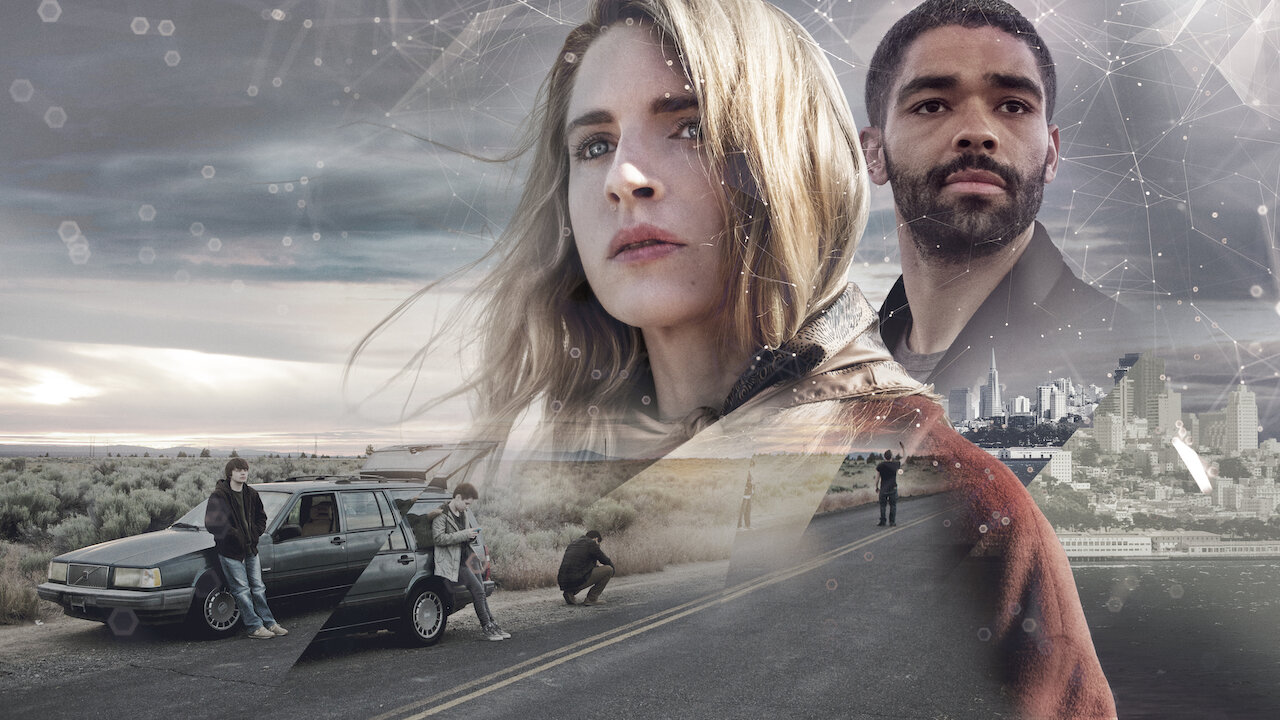
Another casualty of Netflix, The OA at least got the dignity of two seasons and a fandom to show for it.
The OA follows Prarie Johnson (Britt Marling, who also co-created), a blind woman who returns after having disappeared seven years prior, calling herself the “Original Angel.” What’s more, she can now see — and maybe more.
Marling and her co-creator Zal Batmanglij had a five-season plan, but only two-fifths of that was realized before Netflix canceled The OA in 2019.
However, their creative partnership survived; last year, their mini-series “A Murder At The End of the World” ran on Hulu. A show being left in limbo doesn’t mean the bonds forged on it have to as well.
10. Pushing Daisies
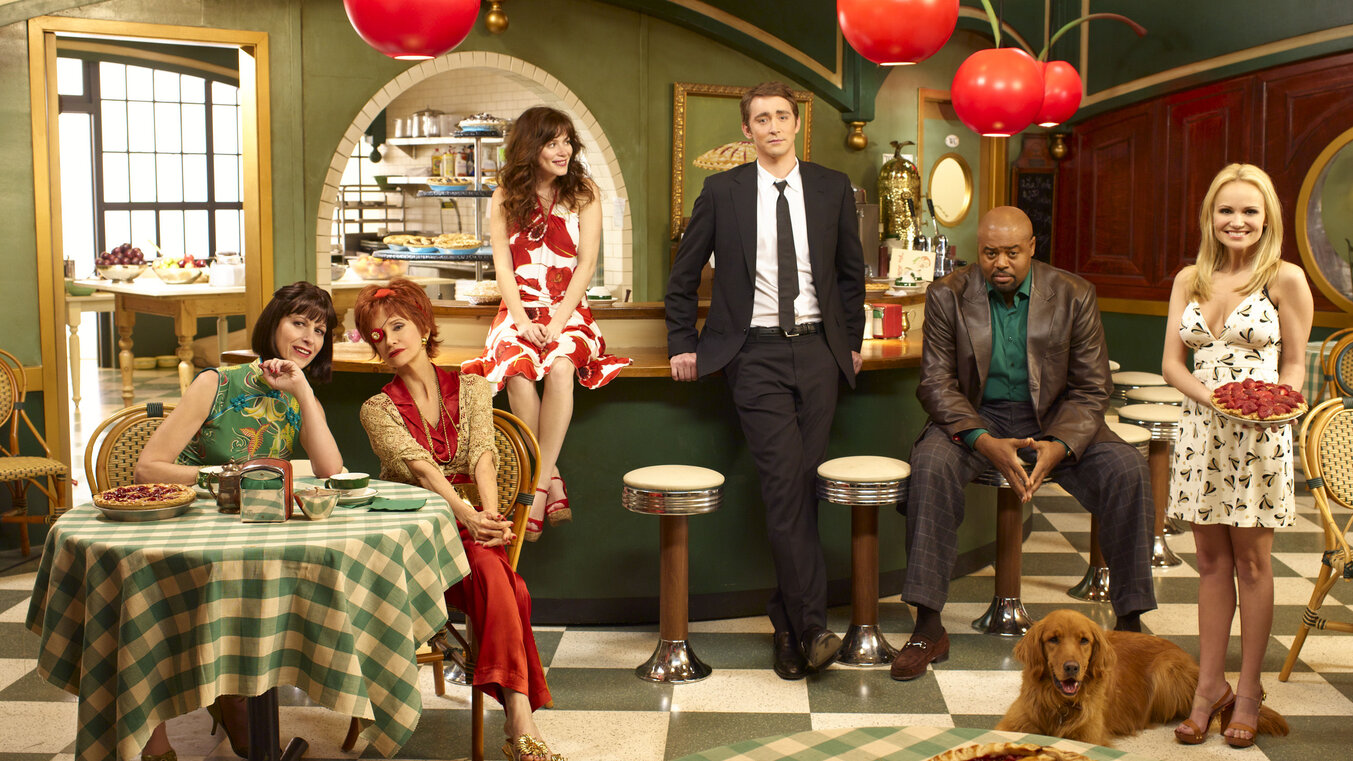
Another Bryan Fuller joint canceled before its time, Pushing Daisies is a murder mystery procedural with the color palette of Amélie and a supernatural twist.
Ned (Lee Pace), the Piemaker, can bring the dead back to life with a touch, but the act takes an equivalent life if not undone in 60 seconds. If he touches the revived again, they die for good.
He helps PI Emerson Cod (Chi McBride) by questioning murder victims; one of their first is Charlotte “Chuck” Charles (Anna Friel), his childhood crush. From there, she becomes the third leg of their partnership.
Pushing Daisies Season 1 was cut short by the 2007 WGA strike and then Season 2 was the last. Season 2 Episode 13 “Kerplunk” raced through plot threads to tie them up but couldn’t resolve everything. The narrator closes the series by reminding viewers that “endings are where we begin,” suggesting an unrealized hope for more.
11. Reaper
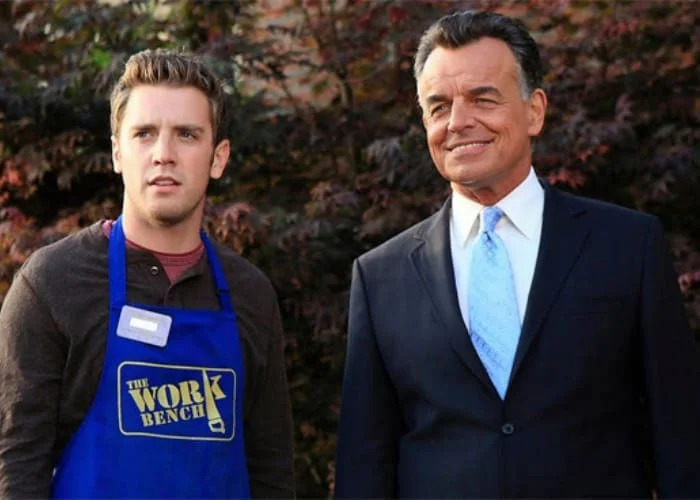
Reaper stars Sam Oliver (Bret Harrison), a slacker employed at a big box store. On his 21st birthday, he discovers that his parents sold his soul to the Devil (Ray Wise) and he is assigned a side hustle: capturing human souls who escaped from Hell (now with powers reflecting their sins).
The series was made in the vein of Buffy the Vampire Slayer and its monster of the week formula, but it never came close to that show’s success. Instead, Reaper was canceled after Season 2 with a frustrating finale.
On Reaper Season 2 Episode 13, “The Devil and Sam Oliver,” Sam makes a bet with the Devil to get out of their contract; Sam’s girlfriend Andi (Missy Peregrym) offers her soul as collateral. Unfortunately, the angel Steve (Michael Ian Black) injures Sam for the “greater good” and so the Devil wins.
The show’s creators, Michele Fazekas and Tara Butters, were at least kind enough to spill the beans on their plans but that’s a faint echo of a Season 3.
12. The Spectacular Spider-Man

The 2008 cartoon series The Spectacular Spider-Man might well be the definitive version of Spidey … if it had gotten the chance to grow into it. It mixed the spirit of the original Ditko/Lee Spider-Man comics, the modern edge of Ultimate Spider-Man, the action of the Sam Raimi Spider-Man films, and the clever writing that creator Greg Weisman first brought to Gargoyles.
Unfortunately, Sony forfeited the Spider-Man animation rights to Marvel in 2009, which meant the show legally couldn’t continue.
The Spectacular Spider-Man Season 2 Episode 13, “Final Curtain,” ends with Peter Parker (Josh Keaton) unmasking the Green Goblin (Steve Blum) as Norman Osborn, who seemingly perishes. He doesn’t (the very last scene is him flying to the Cayman Islands), but now Peter’s friend Harry Osborn hates Spider-Man, and Gwen Stacy is stuck dating Harry, not Peter like she wanted to.
The 1994 Spider-Man cartoon had an open ending (Spider-Man embarked on a quest through dimensions to find Mary Jane, who’d vanished in the Season 3 finale), but that felt like the promise of a happy ending. “Final Curtain” feels more bitter than sweet.
13. Terminator: The Sarah Connor Chronicles
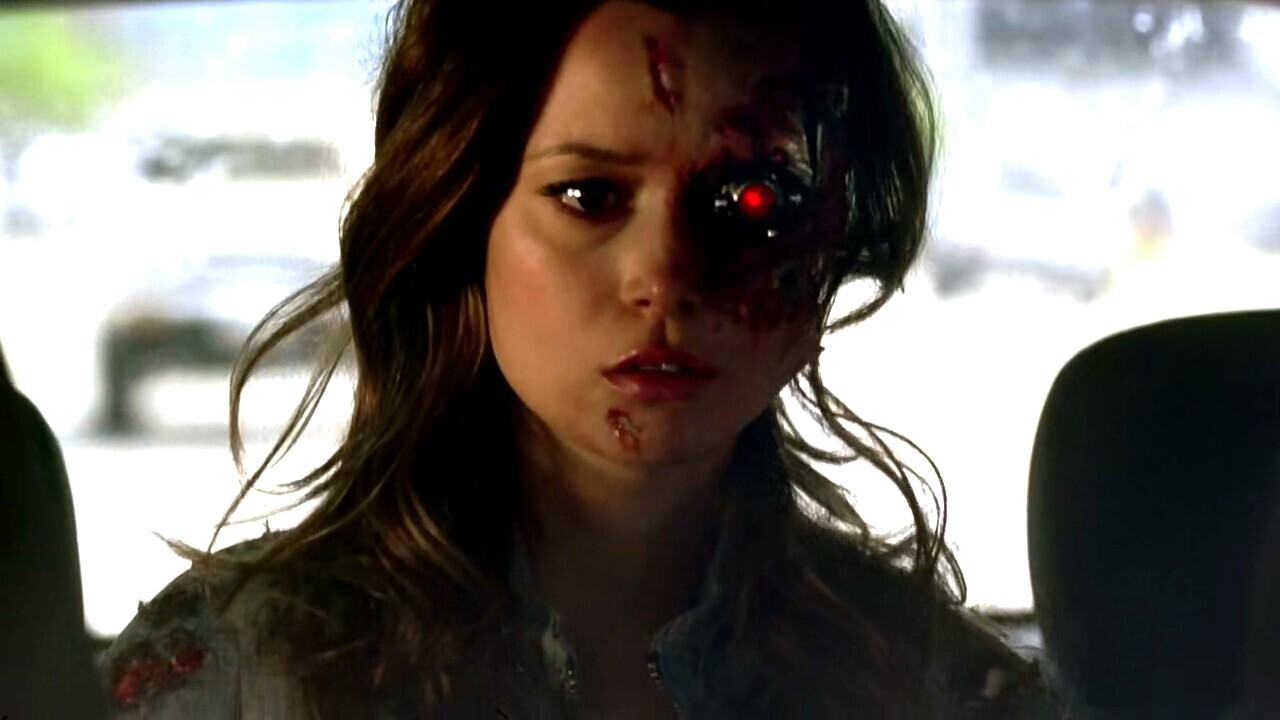
Yet another follow-up to Terminator 2: Judgment Day that ignores the others (we’re at four and counting now), Terminator: The Sarah Connor Chronicles lasted two seasons.
If you’ve seen that movie, you know Sarah (Lena Headey, pre-Cersei) and her son John (Thomas Dekker) fought to prevent the creation of the world-annihilating AI Skynet. The show suggests they may have just delayed the inevitable. Luckily, they soon meet another Terminator sent back to help them, Cameron (Summer Glau).
The show ends with Terminator: The Sarah Connor Chronicles Season 2 Episode 22, “Born to Run,” where the teenage John arrives in an alternate future where no one has heard of him — weird since his future self is supposed to be the savior of mankind (why else are his initials JC?).
Season 3 would’ve shown John navigating this future, but it unfortunately wasn’t made.
14. Terra Nova
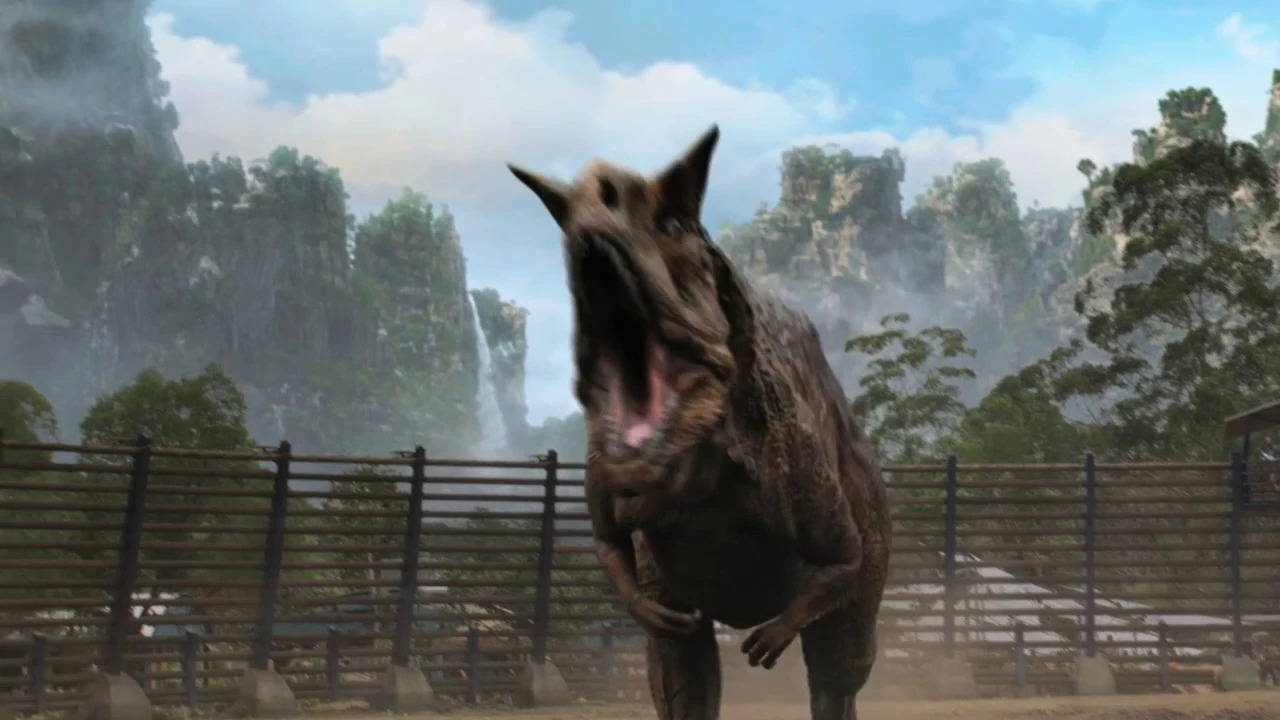
Terra Nova followed refugees from the dystopian 2150s who settle in the Cretaceous period (via a one-way time portal), intent on giving humanity a second chance. The colony’s name? Terra Nova.
Produced by Steven Spielberg, the show was clearly aping Jurassic Park in using a science-fiction concept to throw humans into a world ruled by dinosaurs.
Audiences stopped showing up and with the enormous costs, the show lasted only one season of 13 episodes before Fox pulled the plug.
The finale saw a group of mercenaries invade Terra Nova to steal the resources of the past. The series ends with them still in the past, setting up further conflict in Season 2. The main characters also discover an ancient ship masthead, indicating there’s more than one time portal out there.
No Season 2 came to offer further answers.
15. V (2009)
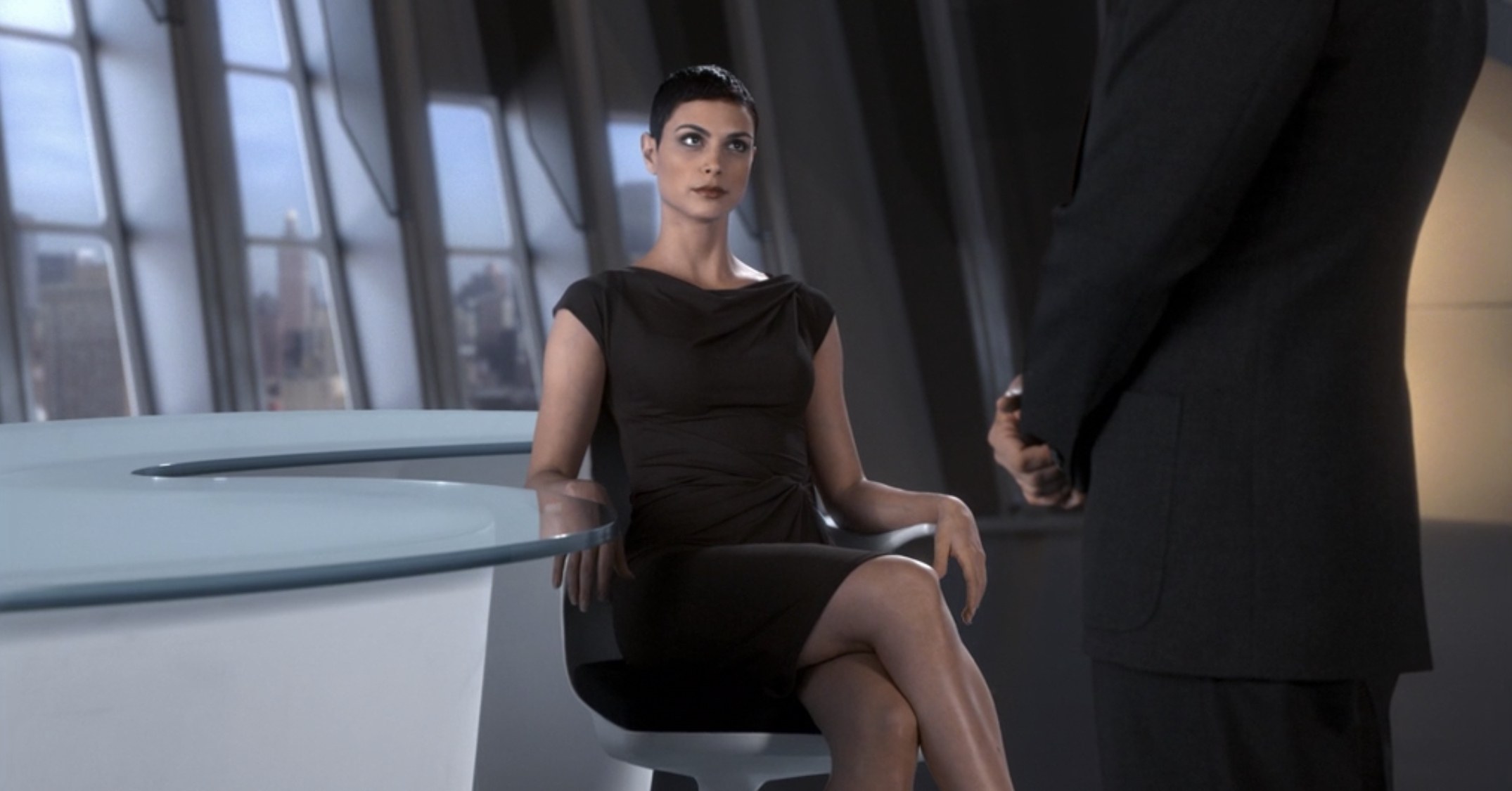
1983’s V is a classic of alien invasion sci-fi. Human-looking aliens land on Earth in flying saucers and present themselves as benevolent Visitors. The aliens are not what they appear to be (literally, for their skins are disguises concealing lizard visage).
In 2009, the series was remade as an ongoing series. The two leads are Erica Evans (Elizabeth Mitchell), a human FBI agent suspicious of the Visitors, and Anna (Morena Baccarin), leader of the Visitors.
The series ends with Anna unleashing her “Bliss” (the telepathic control she uses on her drones) on Earth, enslaving humanity without a shot fired. The series wasn’t meant to end with Earth conquered, but the cancellation means we don’t see the resistance triumph.
—
What other TV shows left you wondering what would have happened next? Let us know in the comments below!
 Follow us on Twitter and on
  Instagram!
Want more from Tell-Tale TV? Subscribe to our newsletter here!
Devin Meenan

Devin Meenan is a freelance entertainment writer, with bylines at outlets including IGN, /Film, Polygon and more. His first love was movies but he found himself writing more passionately about TV, hence him joining the Tell-Tale TV team. His favorite types of TV to sink into include prestige dramas, mystery box thrillers, sci-fi/fantasy, and anime. He can be reached on Twitter @ DevinM626.