

Representation on TV: Highlights for July Include ‘Ms. Marvel,’ ‘Squid Game,’ and ’Craig of the Creek’
Welcome to July’s Representation on TV Highlights. This month’s highlights include Ms. Marvel, Craig of the Creek, Abbott Elementary, and Squid Game.
We have lots of exciting news for animation fans, and we are putting the spotlight on Legends of Tomorrow’s trailblazing character, Zari.
In the News

Iyanu: Child of Wonder picked up by Cartoon Network and HBO Max
- The 2D animated fantasy/superhero show is an adaptation of the Dark Horse comic series and is heavily influenced by the Yoruba people of Nigeria.
- The show is financed and overseen by Black-owned animation studio Lion Forge Animation.
Craig of the Creek Spotlights Black American Sign Language
- Craig of the Creek Season 4 Episode 21, “The Champion’s Hike,” features a scene of Jackie, a recurring deaf character, speaking with his father using Black American Sign Language (BASL).
- The series consulted with the organization Southern California Black Deaf Advocates for the episode.
Disney Animator Launches new Black-owned studio
- Brothers Kris and Chase Wimberly launched the independent animation studio to discover, support, train, and prepare animation talent from underrepresented and marginalized communities.
- Kris Wimberly is a successful animation director, producer, and storyboard artist who recently worked on Disney’s Firebuds.
Highs and Lows for This Year’s Emmy® Award Nominations
- Over half of the nominations for non-white actors were from the same three shows, Squid Game, Abbott Elementary, and Ted Lasso.
- The percentage of non-white acting nominees was 24.5 percent. That’s down from 44 percent in 2021.
- Quinta Brunson became the first Black woman nominated for three Emmys, while Squid Game was the first non-English series to be nominated for best drama.
On TV Screens: Ms. Marvel

Ms. Marvel, which wrapped its first season this month, brings one of Marvel’s most popular superheroes to the screen for the first time.
Based on the 2014 comics, Ms. Marvel Season 1 tells the story of Kamala Khan. Kamala is a young Pakistani American teen. When a family heirloom unlocks superpowers, she jumps at the chance to be a hero just like her idol Carol Danvers (aka Captain Marvel).
The series captures the spirit and charm of the comic, and brings themes from the page to the screen flawlessly. Themes about family, community, and the complexity of identity propel both the series and its source material.
The TV version also explores the history of Partition. Partition is the post-WWII period when the British empire divided what was then known as British India into two separate dominions — India and Pakistan — at the end of their colonial occupation. It’s something we rarely — if ever — see explored on TV.
Through an exciting superhero adventure, Ms. Marvel gives voice to the trauma, resilience, and generational impact of something many know only as lines in a textbook if they know about it at all.
Ms. Marvel is a highlight of what’s possible, even in our most familiar genres, when we embrace the rich diversity of perspectives and experiences across the country and the world.
All six episodes of Ms. Marvel Season 1 are currently streaming on Disney+.
Spotlight: Zari Tomaz/Tarazi, the first Muslim TV Superhero
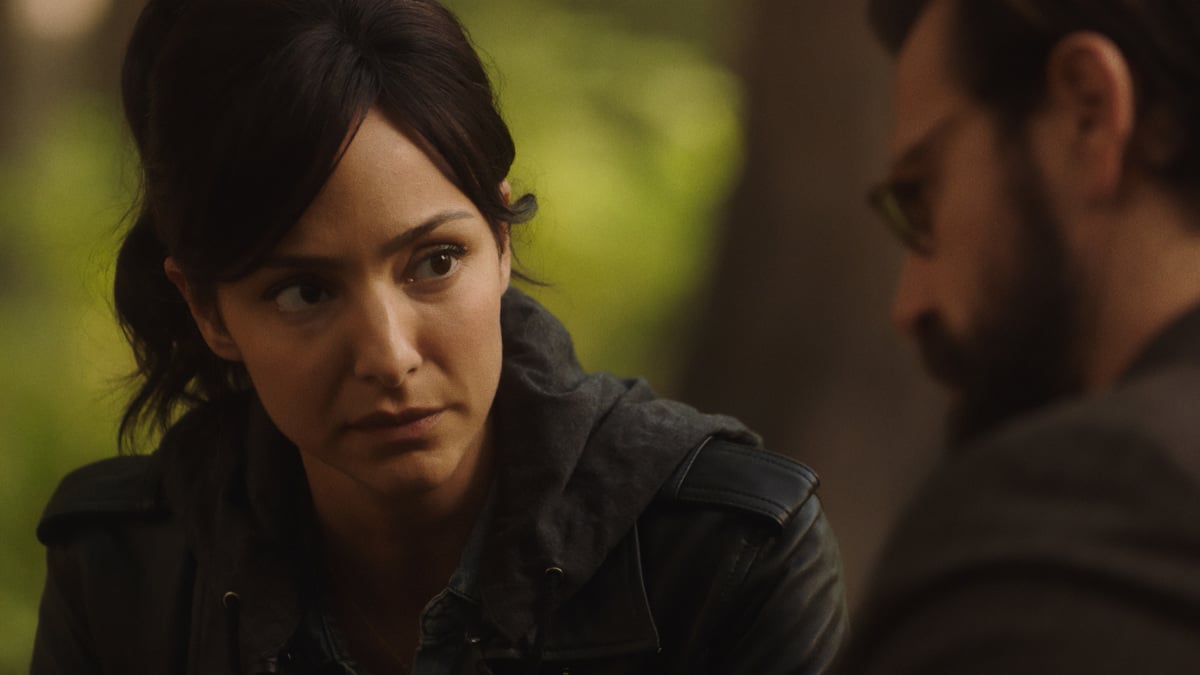
Before Ms. Marvel’s Kamala Khan graced our screens in 2022, there was another superhero breaking barriers and blazing a path for characters like Kamala to build on. For that reason, we’re putting the spotlight on Legends of Tomorrow’s Zari Tomaz (later also known as Zari Tarazi) was the first Muslim superhero to star on a TV series.
Being the first she set the bar for those that followed, and she set it high. She was an example of what Muslim representation could look like when examples were scarce and desperately needed.
Five years after Zari’s 2017 debut it’s easy to forget how significant Zari’s appearance on Legends felt at the time. Zari’s debut came after months of destructive political rhetoric and policies directed at Muslims. It came in a year that saw hate crimes against Muslims rise 15 percent, as well.
On-screen there was a dearth of Muslim characters. Much of what viewers did see continued to perpetuate shallow tropes. Zari felt like a direct rebut to all of that. It was exhilarating.
She was not only the first Muslim superhero to have a central role on a popular series. Zari was a fully realized character that subverted stereotypes on a show that fully embraced her Muslim identity.
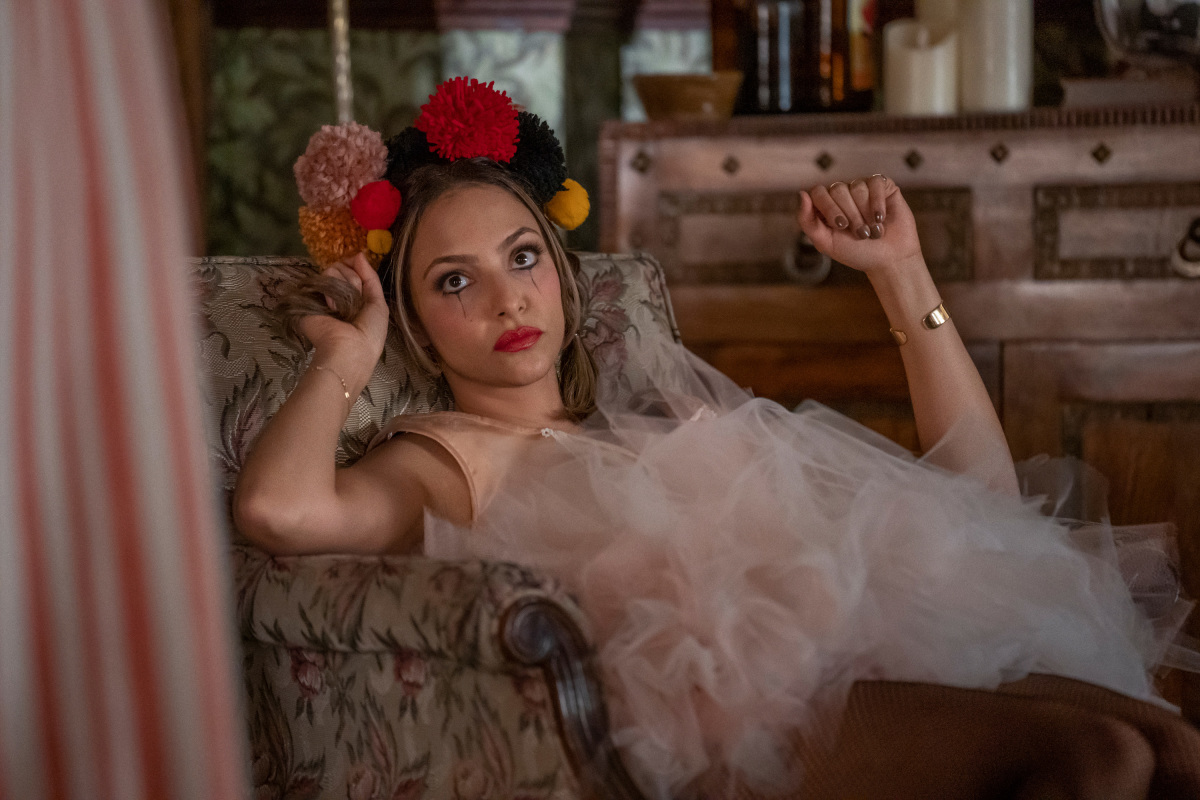
For example, at the end of Legends of Tomorrow Season 3 Episode 16, “I, Ava,” Zari talks about Ramadan. She explains how it makes her feel connected to her family and why she chooses to observe it.
The scene builds empathy by using Zari’s relationship with her religion to explore feelings about family, tradition, and childhood. It’s one of the series’ most poignant and memorable scenes.
Rather than Zari’s Muslim identity being used as a way to “other” her — as is too often the case — it is a point of connection with another character and with viewers.
Since Zari’s introduction, new characters like Young Justice’s Halo, the women of We Are Lady Parts, and the aforementioned Kamala Khan from Ms. Marvel have taken the baton and run with it. They have given us complicated, intersectional characters to cheer, each one adding depth and nuance to Islam’s portrayal on screen.
Progress is slowly being made, and Zari helped ignite that progress. So, while Legends of Tomorrow may have been canceled in 2022, Zari’s legacy will continue to endure.
—
Are you excited about any of the news or TV shows discussed? Share your thoughts with us in the comments below!
 Follow us on Twitter and on
  Instagram!
Want more from Tell-Tale TV? Subscribe to our newsletter here!
Sarah Fields

Sarah is an obsessive geek who likes to get into the weeds and over think things. She is passionate about Sci-Fi and comics and is a giant classic film nerd. Sarah cares deeply about media representation and the power of telling diverse stories. When she's not writing or watching her favorite shows she spends her days working in the non-profit world trying to make life a little better for those that need some extra help.