

Hollywood Review: When Happy Endings Become Insults
This review contains spoilers for the Netflix limited series Hollywood.
One of the biggest lessons to learn from Netflix’s Hollywood is that good intentions don’t always make good TV.
This is a shame because it obviously wants to give viewers hope at the very least, but people who need hope are struggling. Zero characters on Hollywood struggle long enough to need empathy let alone deserve it enough that they become relatable.
It’s one of the series’ biggest problems because happy endings aren’t happy if they aren’t earned: they’re absolutely pointless.
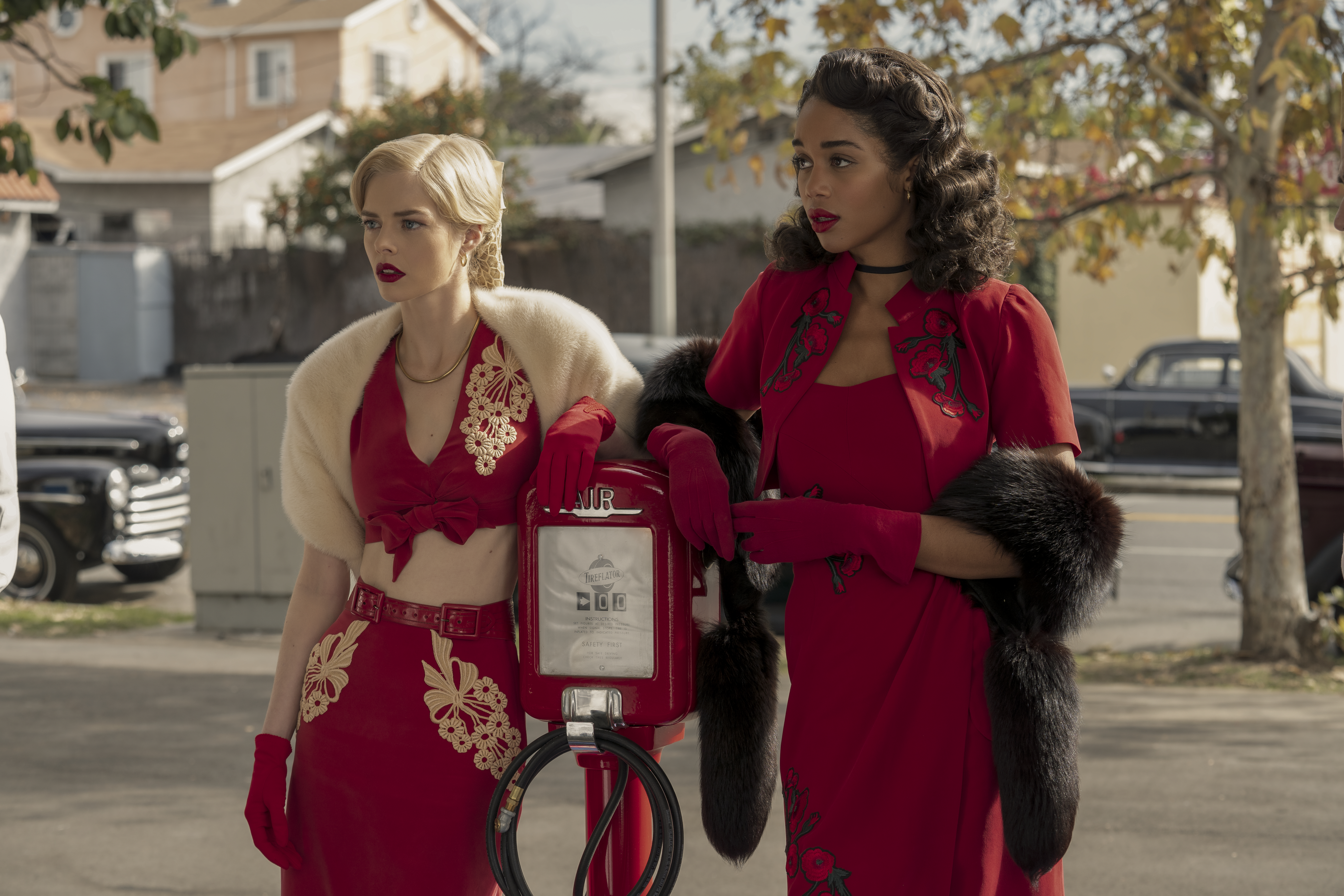
To be fair, there are plenty of conflicts in the series that each last for far too short a time.
Let’s take Camille Washington’s (Laura Harrier) fight to get the title role of “Peg.”
Sure, at first she’s told by someone at the studio that it’s a “white” role. So, it’s a good thing she’s sleeping with the half-Asian director who is friends with the black writer of the film, right?
Right. She casually brings up a title change to Raymond (Darren Criss) during sex, it doesn’t take him all that long to get on board with the idea, and together they persuade writer Archie (Jeremy Pope) to agree.
A well-timed heart attack that puts all of Ace Pictures in Avis Amberg’s (Patti Lupone) female hands, sprinkle in some very progressive studio executives, and presto-chango, “Peg” is “Meg” starring Camille Washington, because she’s the best actress for the part.
She smiles her way to the front row of the Academy Awards (essentially fighting her way in by telling an usher she’ll scream “fire” in a crowded theater) and happily accepts her prize, inspiring young black ladies everywhere listening to the ceremony on the radio. Amazing story?
Absolutely not. Writer/creator Ryan Murphy tells Time, “I wanted to do something where I gave some if not all of these people a happy ending.”
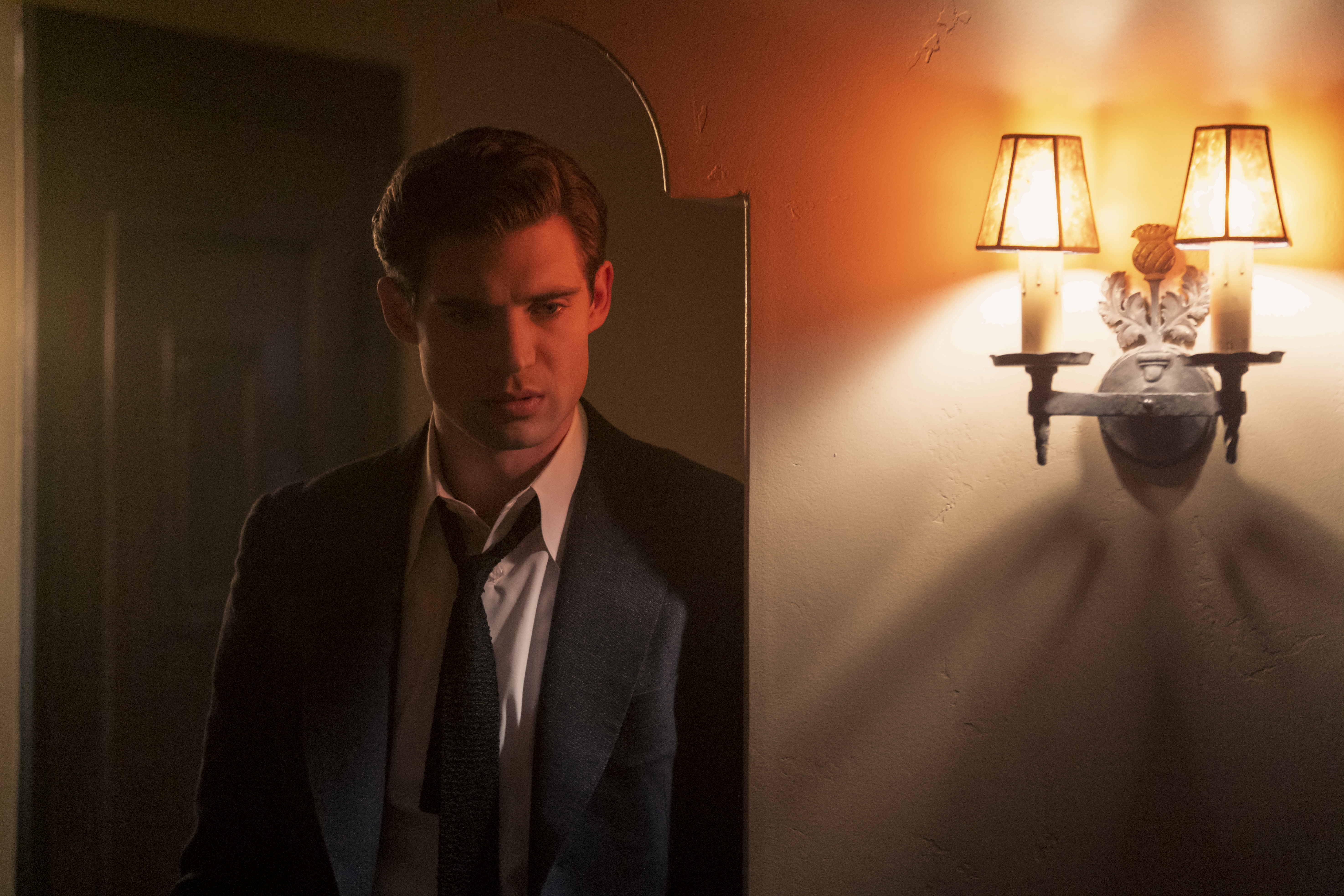
Done well, those are great. But these sugary sweet journeys are insulting, not only to the viewers who are members of the communities Hollywood is failing to inspire, but to all of the real-life people who either share names with the characters in the series or whose journeys inspired them.
Fiction is allowed to alter history, and that’s the point sometimes. But no show grounded so deeply in it should completely erase it. Hollywood has nerve using the actual names of actors like Anna May Wong and Rock Hudson just to ignore their stories.
Wong’s story at least references her wonderful screen test for The Good Earth where she is passed over for the lead role because of the Hays Code preventing interracial relationships on-screen.
She can’t be redeemed by a supporting role in Meg; only winning the golden statue will do.
This ending not only disrespects Wong’s entire life struggle, but it’s also an insult to Asian-American actors in actual Hollywood, who are still fighting for roles today.
Miyoshi Umeki won the Oscar for Best Supporting Actress for the role of Katsumi Kelly in the film Sayonara in 1957, about a decade after Hollywood takes place. An Asian-American has yet to win a statue in the acting category since.
We’re watching a series about the past, not the future. There are subtle ways to alter history without insulting the human beings a series is meant to be honoring. Hollywood does Wong no justice.
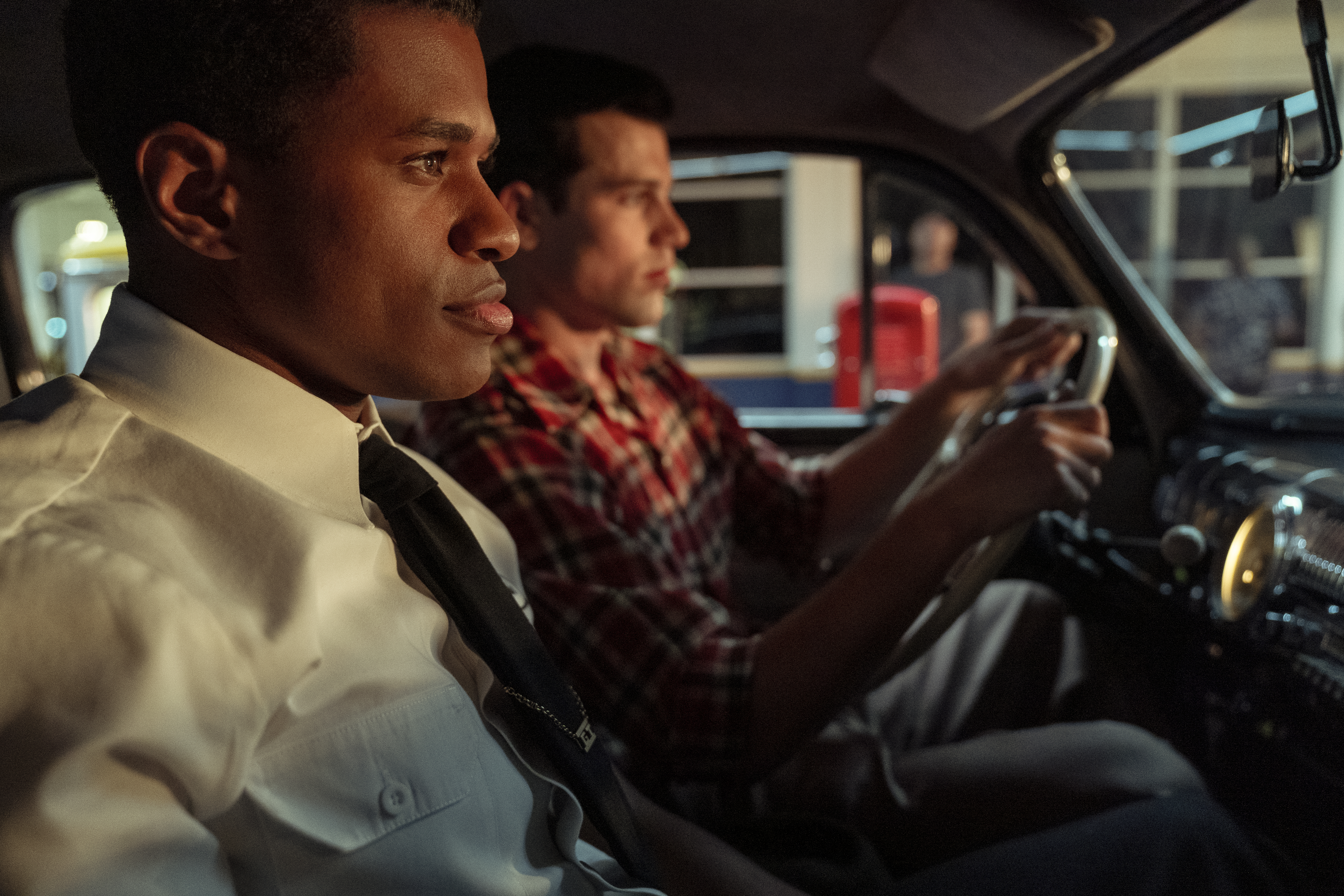
Similar can be said for its story of Rock Hudson. He doesn’t get Oscars glory via a statue, though he does hold hands with his completely fictional boyfriend Archie at the ceremony.
Archie wins an award for Best Screenplay, and when he gets booed for kissing Rock when his name is announced, he laughs it off because he’s happy.
In post-World War II America, a black man is more likely to get kicked out of the building and killed for such behavior.
There is a compromise Hollywood can make for almost every utopian ending it chooses that is still happy.
By blatantly refusing to do so with any character, it’s found a way to make decent acting annoying and happy endings feel like slaps in the face.
Hollywood knows its potential to insult, too. White gay men get sadder endings compared to other characters. Perhaps Murphy couldn’t dare erase his own struggle as Hollywood does for everyone else. That possibility only adds salt to the wound.
What did you think of the limited series Hollywood? Share your thoughts in the comments below!
Critic Rating:
User Rating:
Hollywood is currently streaming on Netflix.
 Follow us on Twitter and on
  Instagram!
Want more from Tell-Tale TV? Subscribe to our newsletter here!
Esme Mazzeo

Esme Mazzeo is a lifestyle and entertainment journalist from Long Island. When she's not writing for work, she's writing for fun, or searching for something to satisfy her sweet tooth. She thinks rainy days are the best kind of days. Certified night owl.