
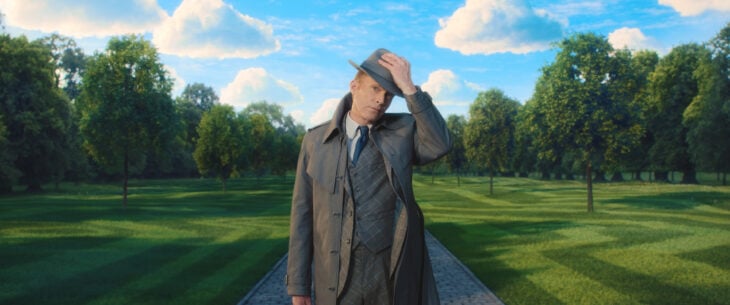
VisionQuest Introduces a Different Kind of Grief to the MCU
VisionQuest, the highly anticipated conclusion to Marvel’s WandaVision trilogy, finally allows Vision (Paul Bettany) to take center stage. However, this isn’t the same Vision we’ve grown to know and love over the years. One might think this semi-reset would feel like a backtrack, but it actually permits the show to continue explore the themes prescient in the trilogy through a fresh and exciting lens.
The two-episode premiere finds Vision in hiding trying to reconnect with the humanity of his past self. As he puts it, he knows the facts of his old life, but now he’s searching for the feeling of it.
This places Vision in a fascinating middleground. He has the knowledge that he is capable of humanity but lacks the capability to express it. We’re at square one and able to experience a full arc with him without completely repeating a decade’s worth of plot beats.
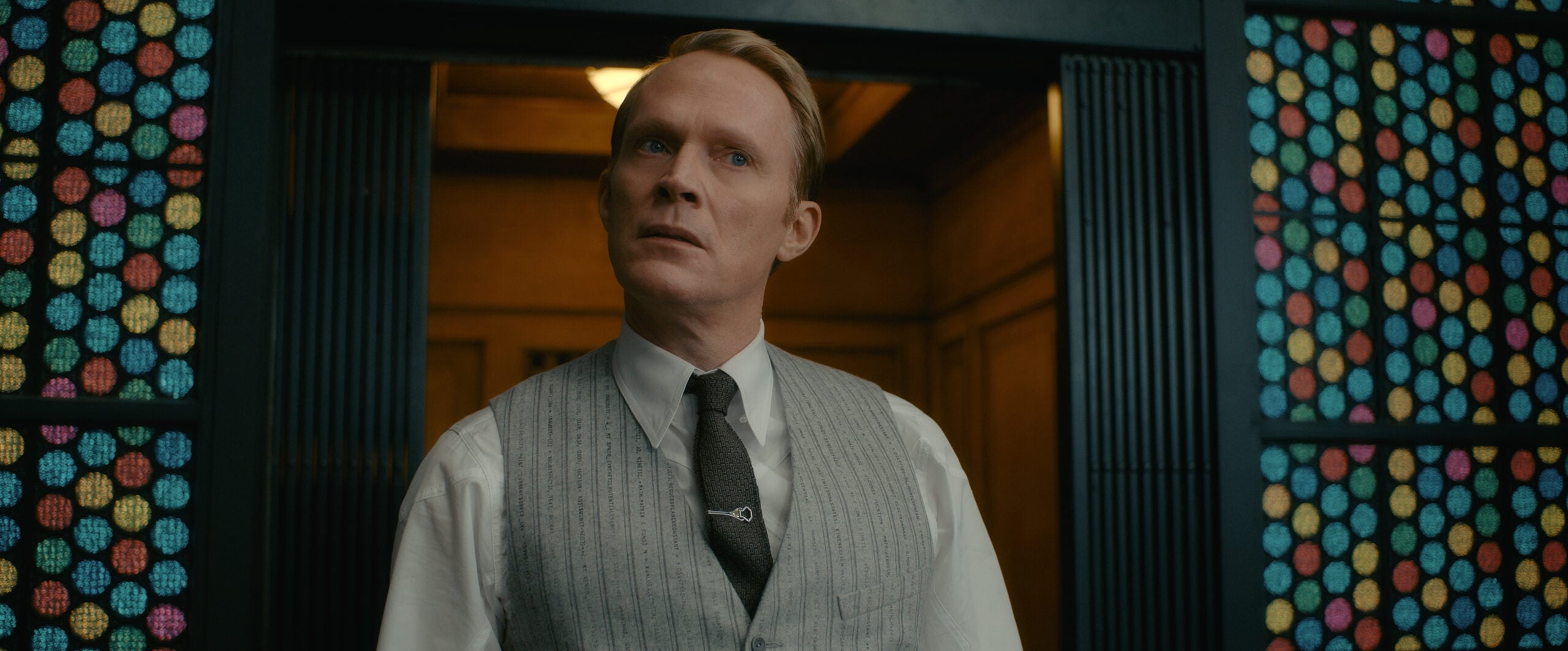
So much of the other installments in the WandaVision trilogy ruminate on grief and the ways in which it manifests. VisionQuest introduces a new kind of grief. It works entirely in conversation with the previous installments, while weaving in a new component.
This version of Vision is much darker, struggling under the weight of his previous version’s legacy. He mourns this pedestal that he cannot reach, despite the fact that the capacity to do so is clearly there. Vision’s grief not only centers around what was lost but the fact that he cannot connect or live up to it.
Vision frequently retreats into his own head, living in a world of his own creation. The retrofuturist production design delivers a clever articulation of Vision’s inner systems, breaking from traditional “tech” we often see in science fiction.
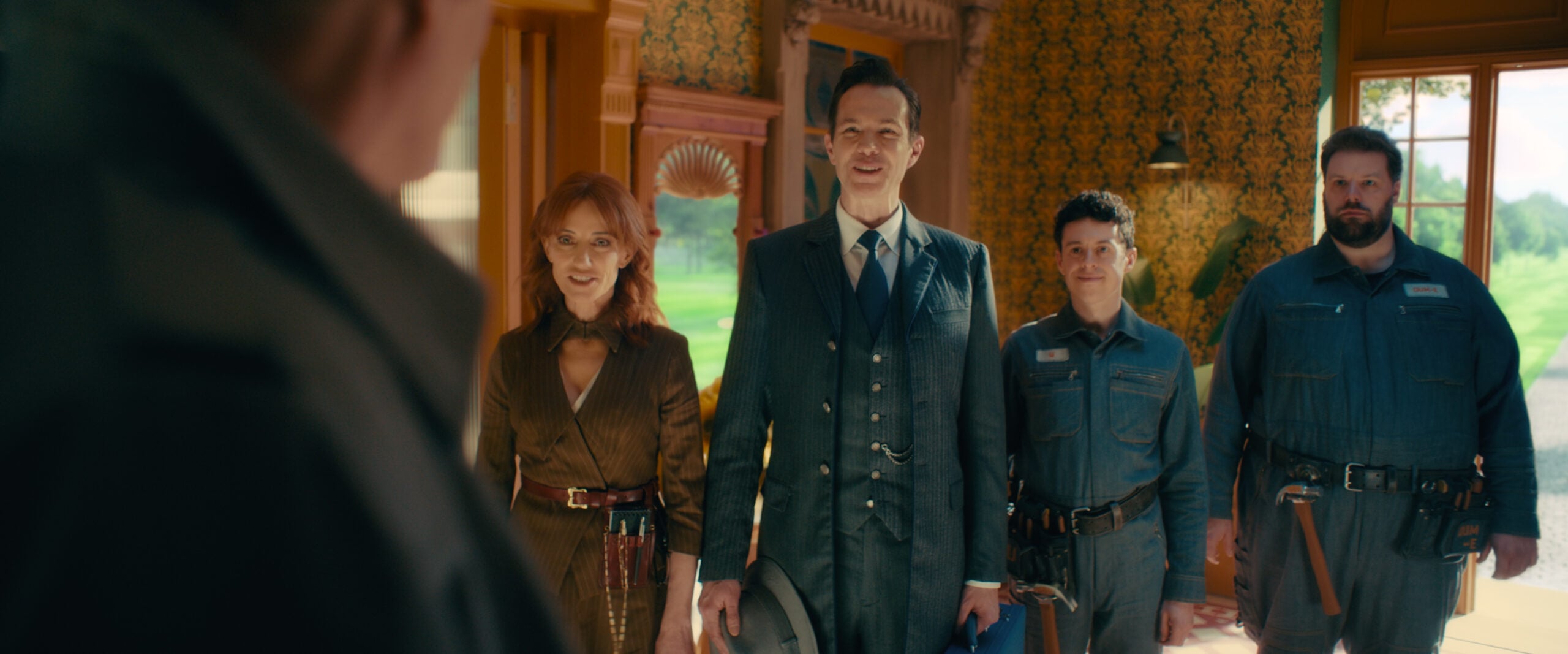
Accompanying Vision in his quirky estate are various AI systems taken from Stark Industries. The eclectic bunch gives Vision entities to actually converse with and creates a sense of dynamism from his interiority. Emily Hampshire particularly dazzles as E.D.I.T.H., breaking up the self-seriousness of the estate with a sense of plucky wonder.
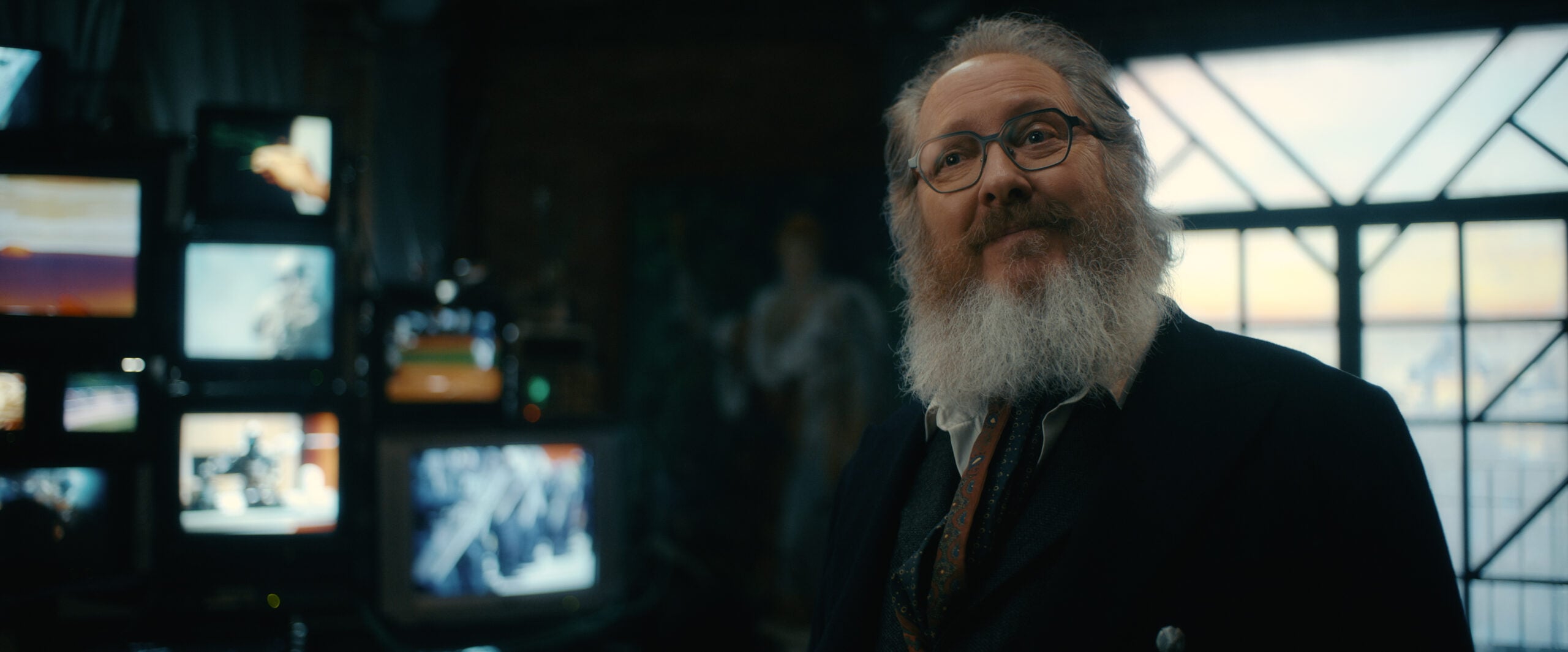
The biggest surprise of the bunch is James Spader returning as Ultron. Much like Vision, though, this isn’t quite the same Ultron we know and Spader relishes in the opportunity.
He’s still quite dangerous if left to his own devices, but also actively pushes Vision closer to the discovery he’s desperate to make. It’s a fascinating use of the character that hopefully results in a juicy dynamic over the course of the rest of the show.
Like many of the Marvel shows, VisionQuest Season 1 Episode 1, “No Strings,” takes a bit to get going. The world of VisionQuest in particular is a bit more intricate compared to some other entries in the MCU.
The series effectively utilizes Vision’s point of view in order to expedite character introductions and bringing the audience up to speed again. If you are patient with the expository, albeit necessary first episode, the second half of the premiere will surely deliver.
VisionQuest Season 1 Episode 2, “Thesus,” shifts focus to Tommy Maximoff/Thomas Shepherd (Ruaridh Mollica). It was revealed in Agatha All Along that Tommy’s soul was put in the body of a drowned teen. Here, we witness the ramifications.
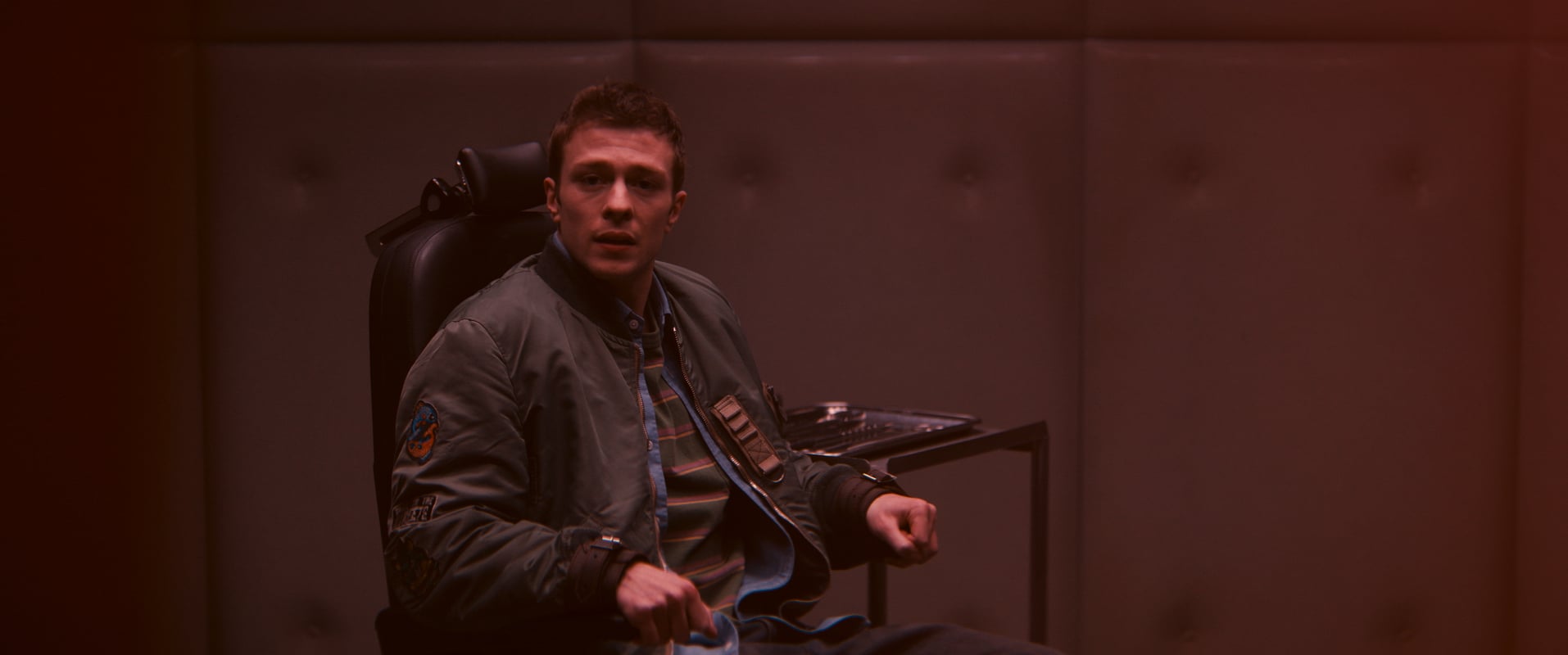
Mollica’s performance signals the arrival of a true star and it’s exciting to think that he will (hopefully) be a big part of the MCU in the years to come.
When we initially meet Tommy, Mollica brings a suave, collected air to the character. He’s in complete control of whatever room he’s in.
That is, until he sees Vision for the first time.
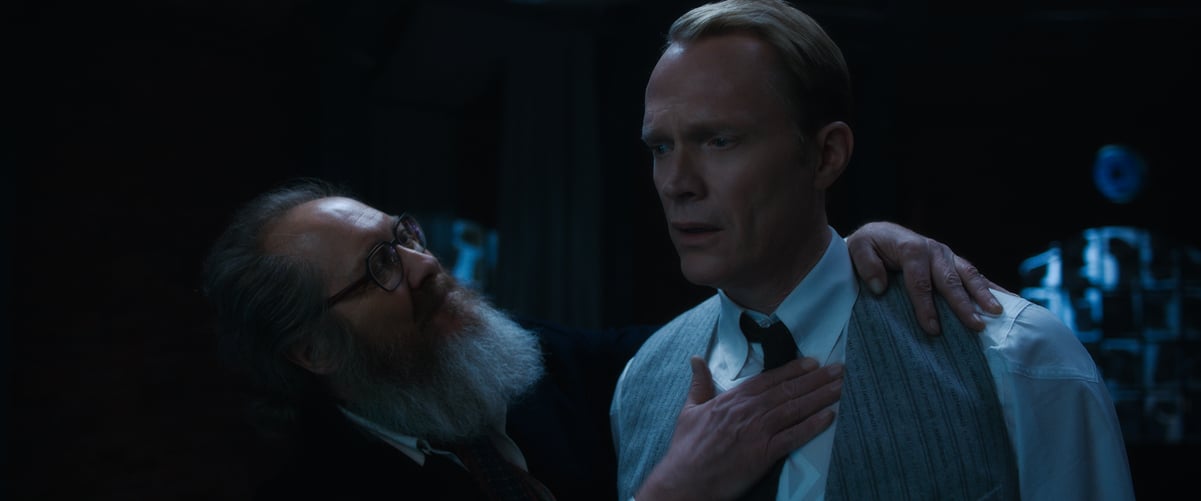
Mollica coats Tommy’s mental struggle with desperation. It’s uncomfortable to watch, leaving you feeling helpless as you watch his struggle. It’s an excellent contrast to the conman we’re introduced to.
Similar to Vision, Tommy struggles with the inability to fully connect to a version of himself that he deep down knows exists. He’s plagued by memories of Westview and doesn’t understand his powers. Unlike Vision, though, he doesn’t have the full wealth of information to work with.
If Bettany is the brains of the operation, Mollica is the heart so far. Tommy desperately wants to fill this void that’s plagued him. Bettany and Mollica work in tandem together beautifully, allowing us to already see that they complete the other.
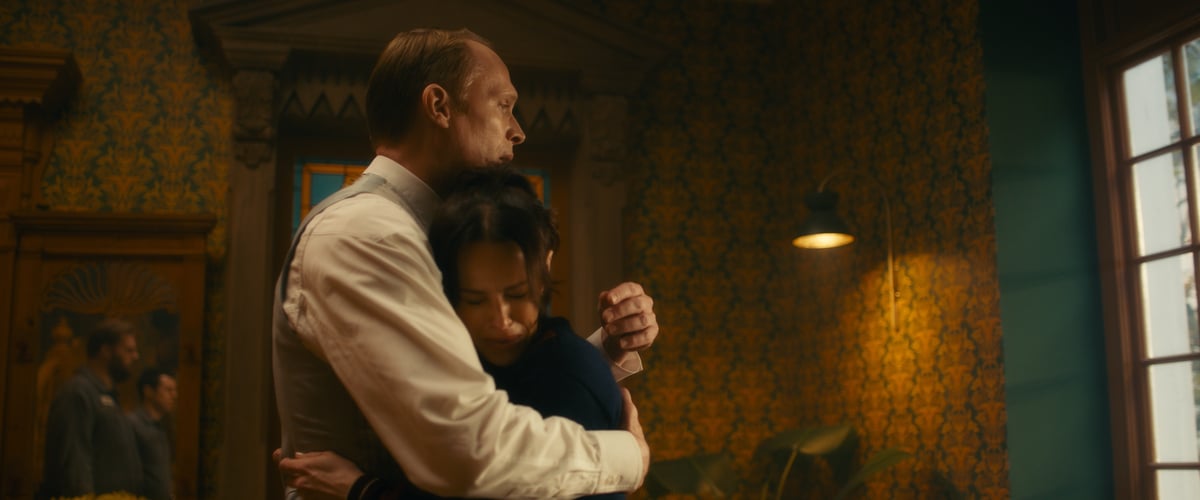
Both actors respectively tap into the idea that their character is missing something intangible. It’s a dazzling concoction of confusion and yearning. Neither have the answers, they just know they need each other.
With the two on the run from Paladin, it will be interesting to see how their respective journeys unfold. The first two episodes do a lot of heavy lifting with exposition, but guide us to a wide open road ahead.
If VisionQuest is anything like its predecessors, it will certainly be a fun mystery to untangle.
What did you think of this episode of VisionQuest? Share your thoughts in the comments below, and don’t forget to leave your own rating!
Critic Rating:
Audience Rating:
[Show Title] airs [day of the week] at [time] on [network].
Check out our latest TV recommendations, updated weekly!
Want more from Tell-Tale TV? Subscribe to our newsletter here!
Adam Patla

Adam grew up less than 3 minutes away from a movie theater so he was always destined to love all things entertainment. He studied Broadcast & Cinematic Arts at Central Michigan University before working as a talent agent in the Chicago area until 2020. During lockdown he began discussing film and television on TikTok where he cultivated a platform of over 49,000 followers. He is currently a member of Chicago Indie Critics.