
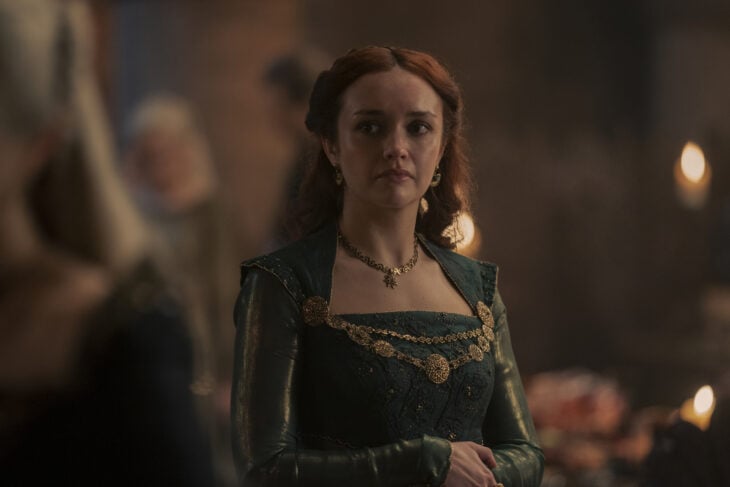
How ‘House of the Dragon’ Ruined Alicent Hightower
Alicent Hightower is one of the most controversial characters on HBO’s House of the Dragon and for good reason.
An architect of the Dance of Dragons, Alicent is full of contradictions as her primary conflict revolves around her desire for freedom clashing with her patriarchal duty and complex love for her children.
However, the Alicent Hightower portrayed on House of the Dragon Season 3 is a far cry from the character she is on Season 1. Nowadays, she is unrecognizable and a completely different person — and not for the better.
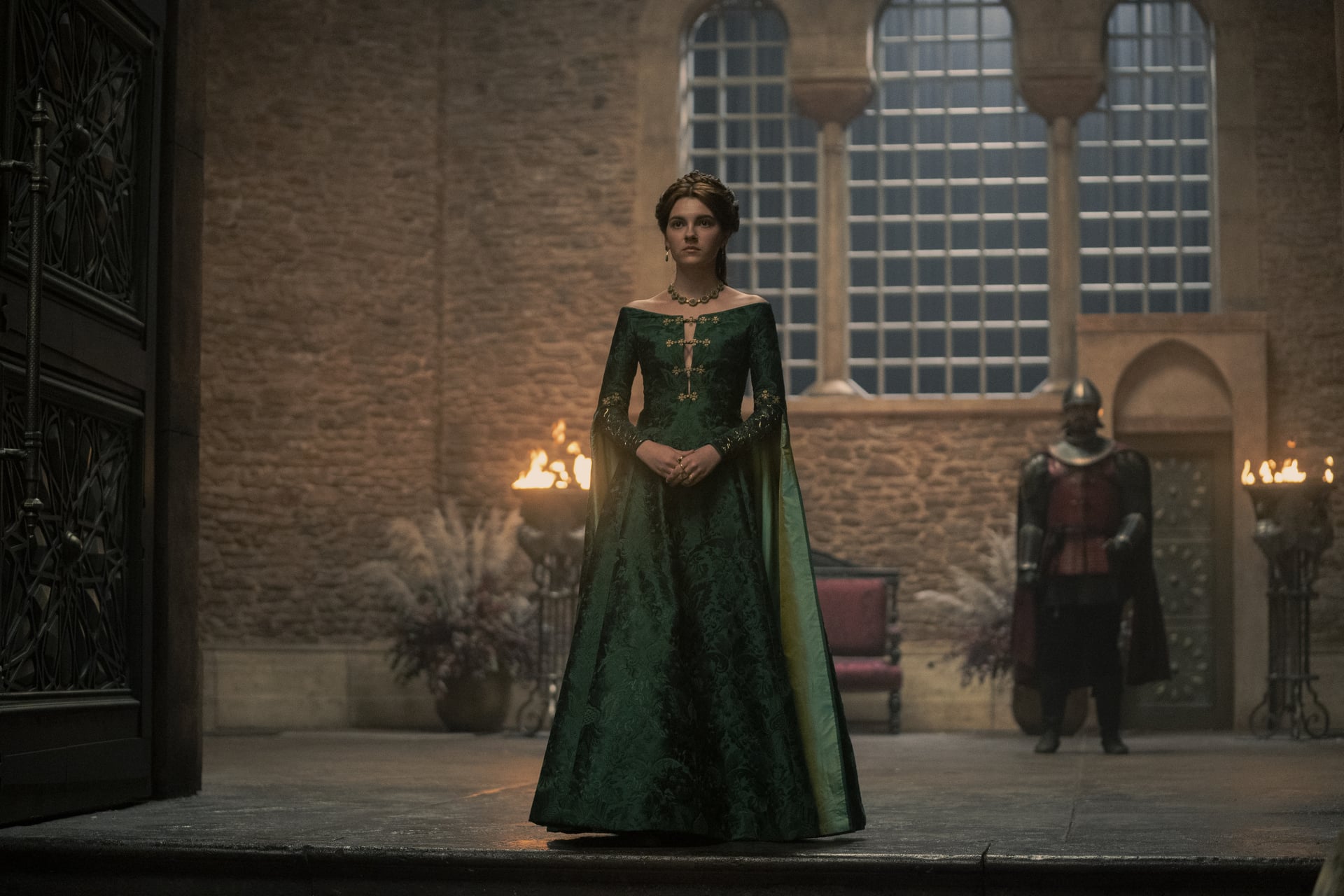
House of the Dragon Season 1 introduces Alicent Hightower as a young girl torn between duty and freedom. She longs to live her life on her own terms, without societal constraints. However, her father, Otto, grooms her to marry King Viserys Targaryen for power.
Otto raises Alicent to be a dutiful daughter and, eventually, a dutiful wife, as she bears Viserys’ children, giving birth to her eldest, Aegon, before she is even an adult.
The show portrays Alicent as a disastrous mother. Even though she loves her children, she still partially resents them because they represent a life that she never wanted.
Nevertheless, Alicent still does everything she can to protect them. She is willing to do whatever it takes, including attempting to cut out Lucerys Velaryon’s eye and secretly installing Aegon on the Iron Throne.
The love she bears for her children — Aegon, Aemond, Helaena, and Daeron — might be complicated, but she will still choose them, even if it clashes with her own desires.
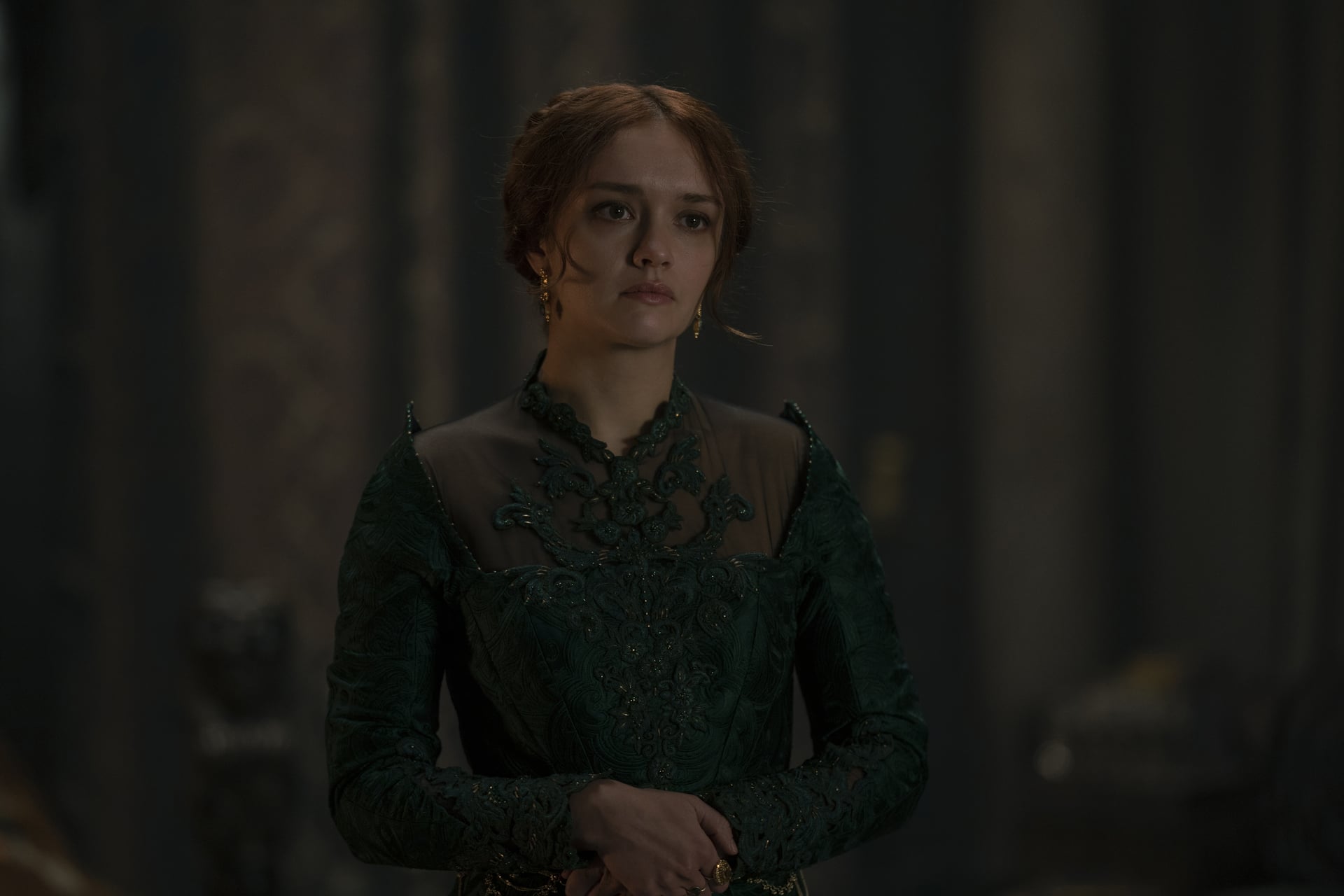
Surprisingly, Alicent Hightower is quite different in the source material.
House of the Dragon is based on George R.R. Martin’s Fire & Blood. In the book, she is an ambitious woman who fiercely loves her children, but there is not much else because of Fire & Blood‘s writing style.
Despite Alicent’s book counterpart lacking some characterization — like everyone else in the book — she is developed enough to understand her purpose.
Every character in the Dance of Dragons has a tragedy that defines who they are.
For example, Corlys Velaryon is willing to do anything to ensure his bloodline ends up on the throne. As a result, House Velaryon loses its power, influence, and riches, becoming largely insignificant in Westerosi history from that point onward.
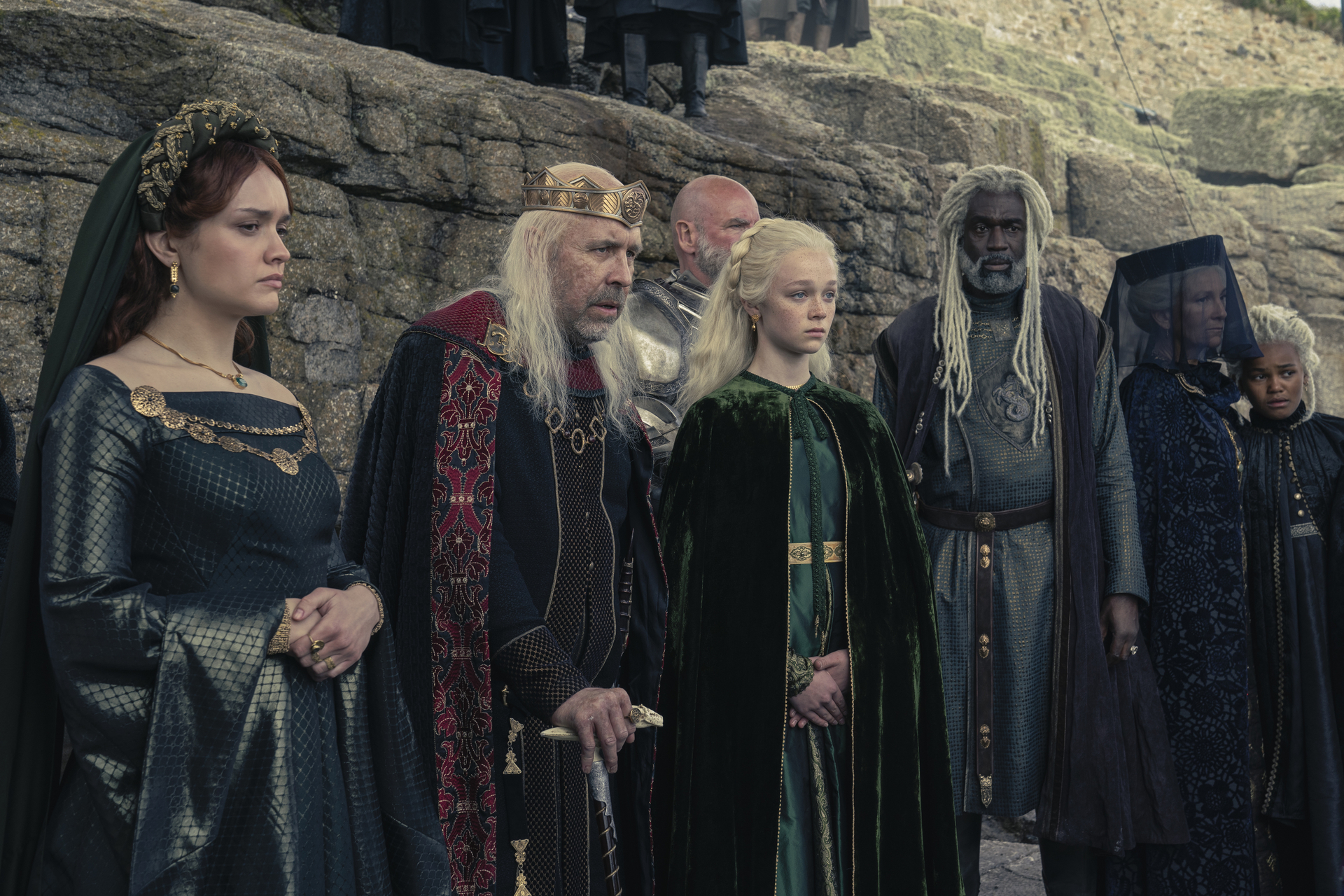
Alicent’s tragedy involves her children. In Fire & Blood, she is a primary orchestrator of the Dance of Dragons as a means to protect her family. Unfortunately, she outlives all her children, illustrating how even though she would do anything for them, she ultimately fails.
Of course, changes are expected in any book adaptation. House of the Dragon is particularly unique because George R.R. Martin frames Fire & Blood as a history book rather than a linear narrative.
However, as long as House of the Dragon keeps each character’s tragedy in mind, then changes are all right. In fact, the differences between Alicent’s show and book counterparts are quite noticeable in Season 1, but that is not a bad thing.
Alicent’s inner conflict regarding duty versus desire does not exist in Fire & Blood. Regardless, it is an excellent addition that strengthens her character and makes her relationship with her children even more fascinating.
This characterization is in line with Alicent’s tragedy. It will also hit harder because when Alicent loses her last child, she will sob vehemently over their body just like she does in Fire & Blood, realizing that every choice she makes to uphold patriarchal standards does not save her children.
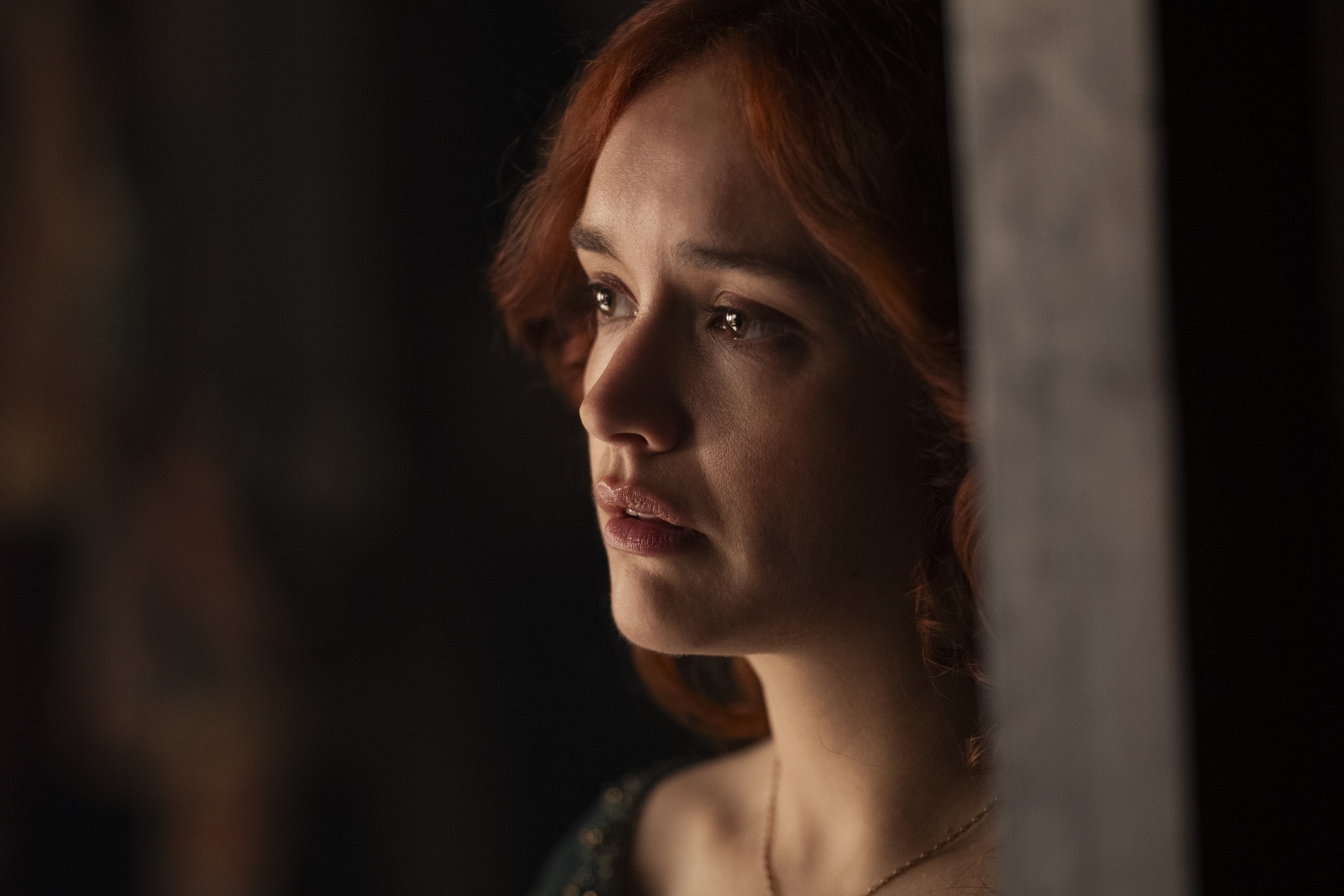
The show establishes Alicent as a complex character with significant inner turmoil as she tries to do her best by her family, regardless of her personal feelings — a perfect setup for when her arc comes full circle.
Sadly, House of the Dragon Season 2 changes Alicent’s character, turning her into someone completely unrecognizable.
The whole point of Alicent’s arc is to demonstrate that abiding by her duty does nothing to help her children. Everything Alicent does ends up being for nothing because she outlives them.
However, Season 2 negates everything Season 1 and Fire & Blood set up for Alicent. She thinks that patriarchal standards do not apply to her, but once she realizes this is not the case, she regrets her choices, not even considering her children.
Alicent finally chooses her personal desires over Aegon on House of the Dragon Season 2 Episode 8, “The Queen Who Ever Was,” by willingly selling him out to die.

Out of context, this decision might seem liberating. A young girl groomed into a role to be sexually abused and forced to bear children finally puts herself first. Alicent now understands how harmful she has been in weaponizing patriarchal tools against Rhaenyra to ensure that her family retains power.
Unfortunately, this narrative choice defeats the purpose of Alicent Hightower’s character. Every time she chooses her family over her own desires is pointless because it amounts to nothing.
Now, there is no reason for Alicent to care if her children die. She seemingly cares about Helaena, but House of the Dragon Season 3 illustrates that she only does so for her own selfish reasons. If Alicent truly cares about Helaena, she would do everything she could to protect Jaehaera, but she does not.
Simply put, Alicent’s willingness to eliminate her children after everything, for a childhood relationship both she and Rhaenyra outgrew, is not compelling.
In fact, it is boring because so many of the narrative’s tragic elements — from Alicent and Rhaenyra’s long-lost potential to the patriarchy caging Alicent — no longer exist.
It is unbelievable that Alicent and Rhaenyra would choose each other after the damage that has been done. Aemond killing Lucerys and Blood and Cheese killing Jaehaerys while mentally torturing Helaena signify the permanence of Alicent and Rhaenyra’s fractured dynamic.
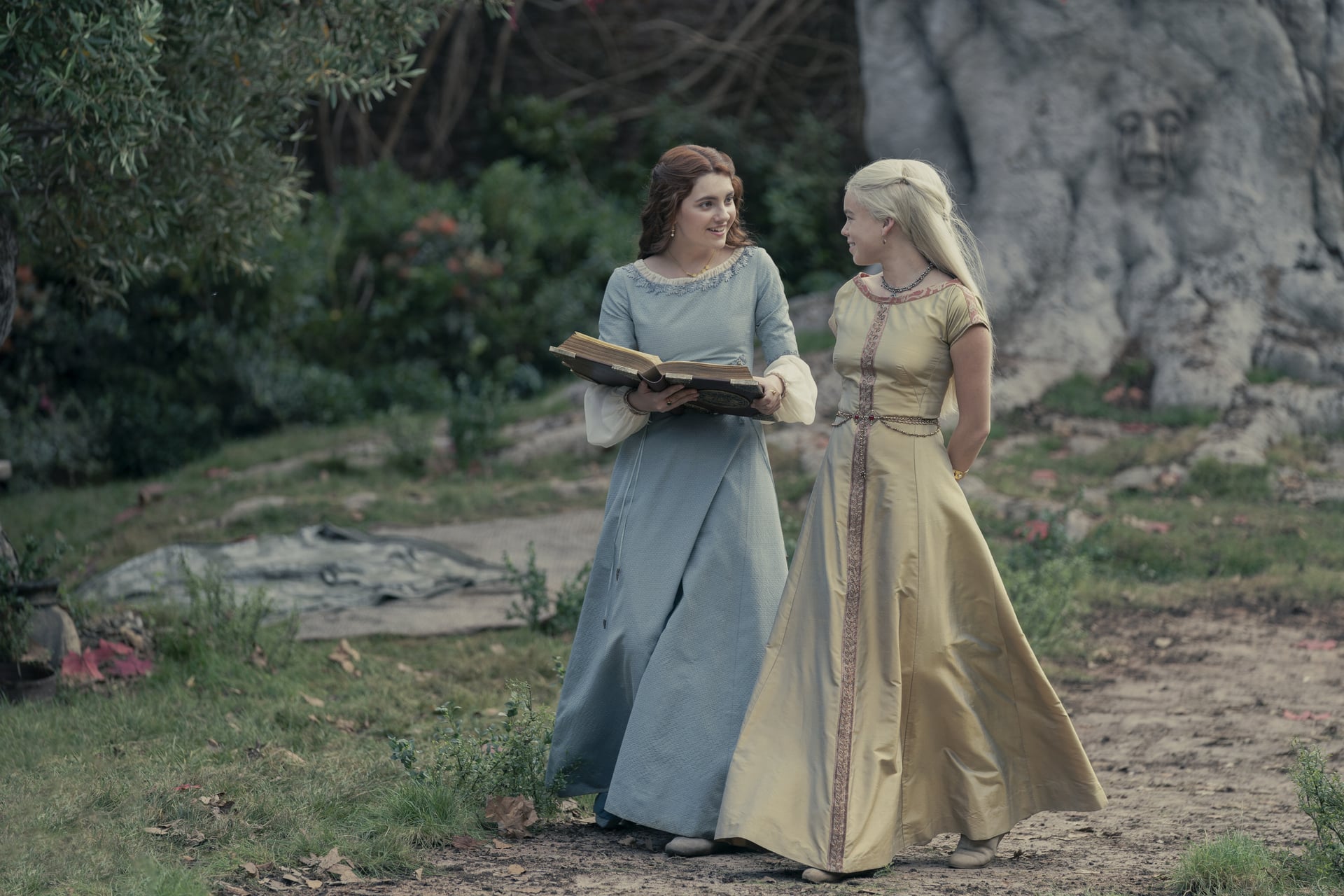
Now that Alicent is willing to put herself first, House of the Dragon Season 3 portrays an uninteresting version of her character.
She does not grow or change whatsoever. Without any concrete motivation or conflict, Alicent is bland, serving no real narrative purpose. If the show were to eliminate her from the story now, it would not make a difference.
In another story, Alicent’s newfound self-interest might not be an issue. However, motherhood is a core theme of House of the Dragon and Fire & Blood. Alicent’s arc is supposed to focus on her motherhood, regardless of whether the story portrays it through ruthless ambition or conflicting emotions.
After the war is over, when Alicent is one of the few remaining characters, she will be a fruitless conundrum. She will not fulfill her narrative purpose because when her last child dies, there is no reason for her to care.
Alicent doing everything in her power to protect her children — regardless of how much she resents them — but being unable to save them is infinitely more compelling than Alicent suddenly changing her mind after everything she has sacrificed.
House of the Dragon Season 3 effectively establishes that Alicent’s character is no longer tragic and, therefore, no longer compelling. She has no inner conflict, being a shell of the complex woman she once was.
House of the Dragon airs Sundays at 9/8c on HBO and HBO Max.
Follow us on X and on Instagram!
Want more from Tell-Tale TV? Subscribe to our newsletter here!
Sarah Novack

Sarah has been a passionate writer and blogger about various forms of media for as long as she can remember, and her favorite method of expressing this passion is through writing and discussion. She loves way too many TV shows, books, and movies, specializing in book-to-screen adaptations, fantasy, sitcoms, and procedurals.