

A Good Girl’s Guide to Murder Season 2 Review: A Stellar Adaptation of Holly Jackson’s Good Girl, Bad Blood
A Good Girl’s Guide to Murder Season 2 officially defeats the cautionary tale of the sophomore slump.
Pip is back and ready to solve a new mystery: the disappearance of Jamie Reynolds, Connor’s older brother. It escalates into a case that devastates Pip and transforms her life forever.
Based on Good Girl, Bad Blood — the second book in Holly Jackson’s trilogy — A Good Girl’s Guide to Murder Season 2 features changes that elevate the narrative and heighten the stakes, a rare achievement for a book-to-screen adaptation.

Most TV shows based on books have a solid mix of changes that both enhance and hurt the narrative, but A Good Girl’s Guide to Murder Season 2 truly eclipses other book-to-screen adaptations, including the show’s first season.
Holly Jackson writes four of the six episodes, illustrating her involvement with the show. It is a tribute to her talent that she can write the same story in a different medium while improving almost every aspect of what is already a great book.
The second season begins with a shocking scene, where Pip is sobbing desperately while trying to save an unknown person’s life. Then, the narrative reverts to two weeks earlier.
This choice immediately draws in everyone, from viewers who never read the books to dedicated Holly Jackson readers.
Many of the best changes actually involve the season’s secondary storyline: Max Hastings’ trial.
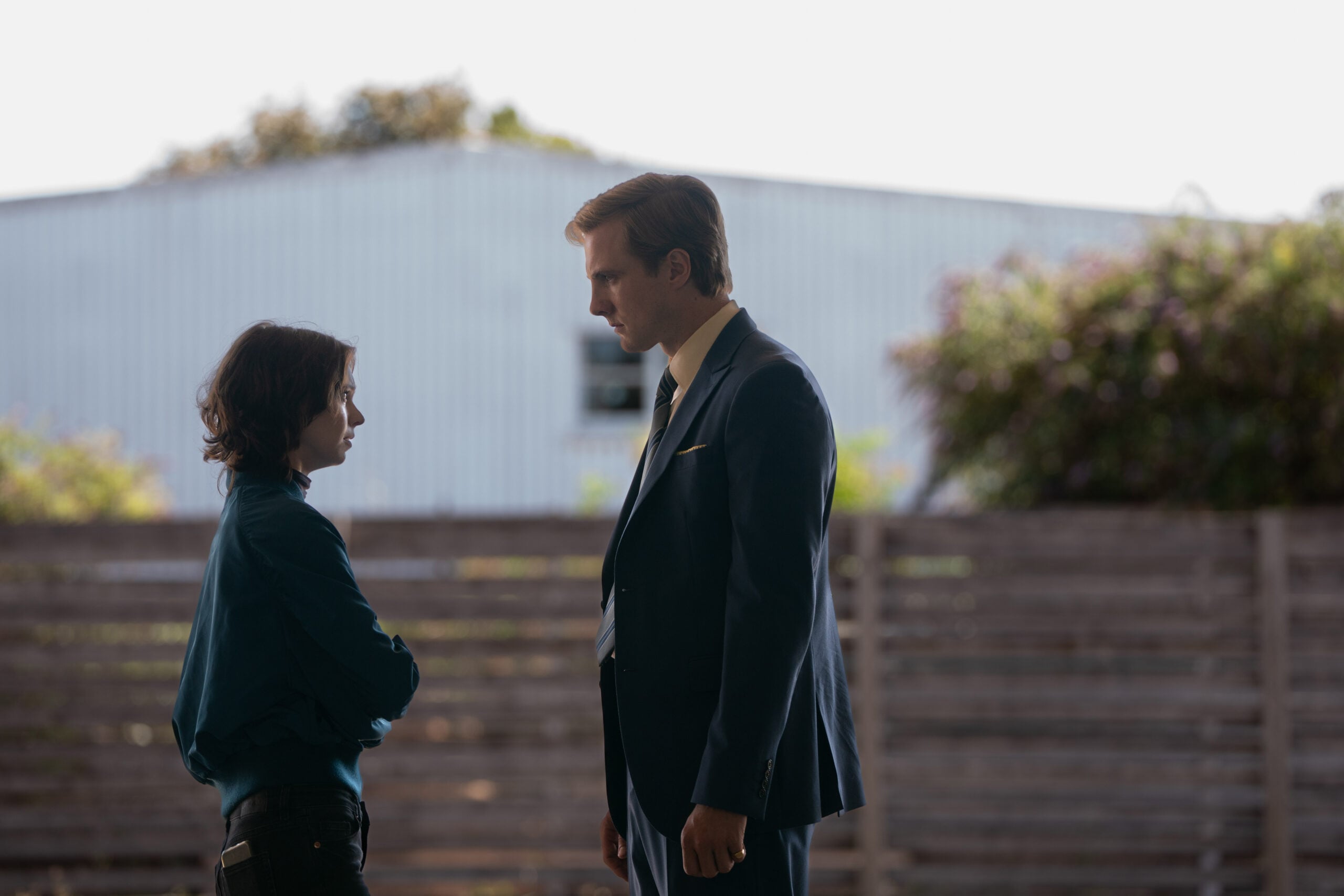
A Good Girl’s Guide to Murder expands beyond Pip’s viewpoint by including Max’s family — most notably, his mother and cousin.
Max’s mother has her own arc as she goes from being one of her son’s staunchest supporters to a secret cynic. It illustrates how skilled Max is at manipulating people, culminating in the disastrous verdict at the trial.
Pippa Fitz-Amobi: As for me, I did what I set out to do, to find the truth. But what started as a school project became something much darker, something I couldn’t control.
Robin Hastings, Max’s cousin, is also a new addition to the storyline. He serves as a plot device to amplify the tension between Pip’s group of friends and to further depict Max’s power.
Even though the trial is a significant part of Good Girl, Bad Blood, the book sticks to Pip’s perspective, limiting the possibility of learning how Max runs his life to the point of getting away with anything.
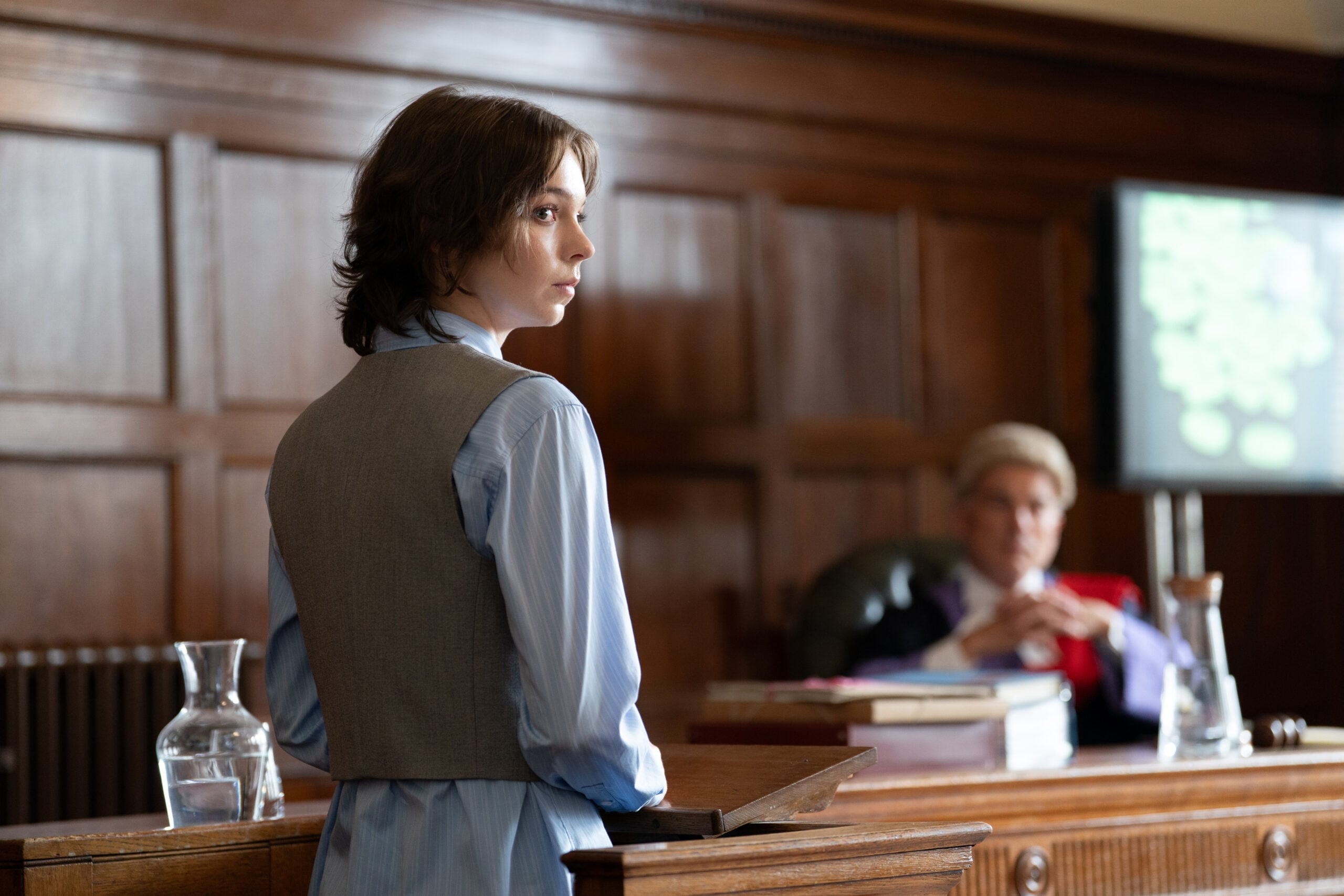
Both Mrs. Hastings and Robin are welcome additions that elaborate on Max’s villainy and influence while fleshing out this plot.
Jamie Reynolds’ disappearance also becomes a significant factor in Max’s trial because he is a key witness for the prosecution. The stakes become more intense as the trial progresses since Jamie’s testimony is among the strongest evidence the prosecution has.
It is a critical difference from Good Girl, Bad Blood, where Jamie does not have a role in the trial. The book makes it seem like two separate storylines that connect through Pip. However, the show strengthens their connection considerably while also increasing the urgency of Jamie’s inexplicable vanishment.
Ravi Singh: You need to speak to me, Pip, not protect me. I’m supposed to protect you too. Let me in, let me help.
Another great decision A Good Girl’s Guide Murder Season 2 makes from book to screen involves featuring Ravi much more frequently than he appears in the book.
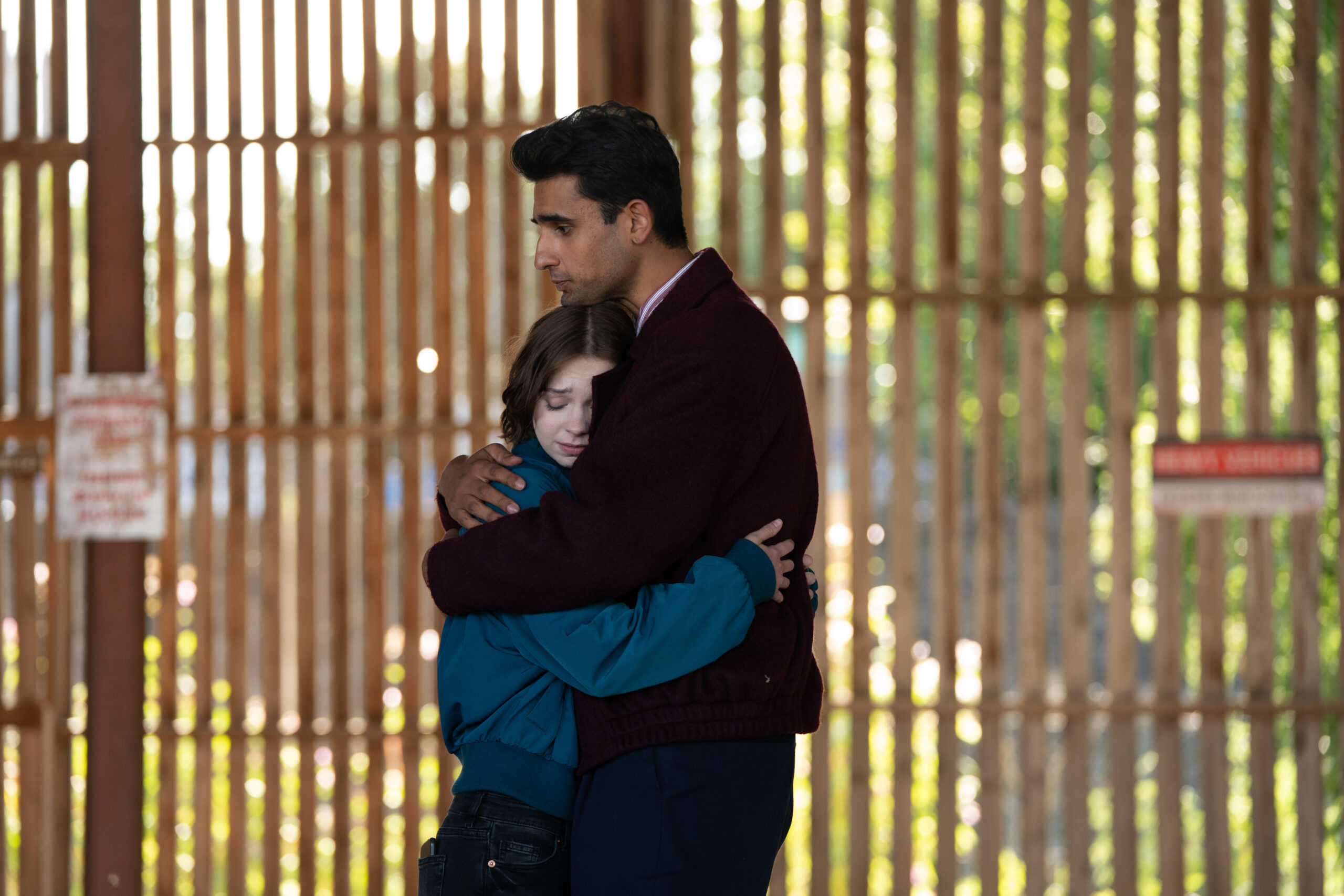
Even though Good Girl, Bad Blood is a great sequel, part of why the book does not live up to its predecessor is that Pip primarily works with Connor. It makes sense because Jamie is his older brother, but Pip’s investigations are the most compelling when she works through them with Ravi.
Thankfully, A Good Girl’s Guide to Murder Season 2 includes Ravi alongside Pip and Connor. Ravi also goes above and beyond to demonstrate his unconditional love and devotion for Pip, even at her darkest moments.
Pip and Ravi’s romance is captivating in Holly Jackson’s trilogy, but the show provides even more material to deepen their relationship.
It is also refreshing to see the show develop Ravi’s character more, especially since Season 1 reduces his role from the books. Now, Ravi juggles a law internship, his romance with Pip, and his grief for Sal, which further establishes him as an independent character in the story.
Ravi is not the only one of Pip’s loved ones to have a bigger arc. Cara, Pip’s best friend, is also quite different from Good Girl, Bad Blood.

The books gloss over the aftermath of Elliot Ward’s arrest because Cara’s perspective is not a factor. However, the show is not afraid to depict the real, damaging effects that Pip’s Andie Bell investigation has on Cara.
When Pip sets out to clear Sal Singh’s name, she has no idea of how dark the truth is. Unfortunately, it still backfires because A Good Girl’s Guide to Murder Season 2 portrays Cara having an extremely difficult time a year after her father’s arrest.
Part of Cara resents Pip for discovering Elliot Ward’s involvement, but she refuses to acknowledge her feelings until she gets high on MDMA. Cara constantly tries to invalidate her own emotions because Pip does nothing wrong; she simply exposes Elliot Ward’s crimes.
Regardless, it does not change the fact that Elliot is still Cara’s father, and the truth surrounding Andie Bell’s death implodes her life. Therefore, it is okay — and even realistic — for Cara to feel despondent, especially considering how her father’s arrest impacts her family.
This storyline creates authentic tension between the two best friends, illustrating Cara’s and Pip’s flaws and complexities.
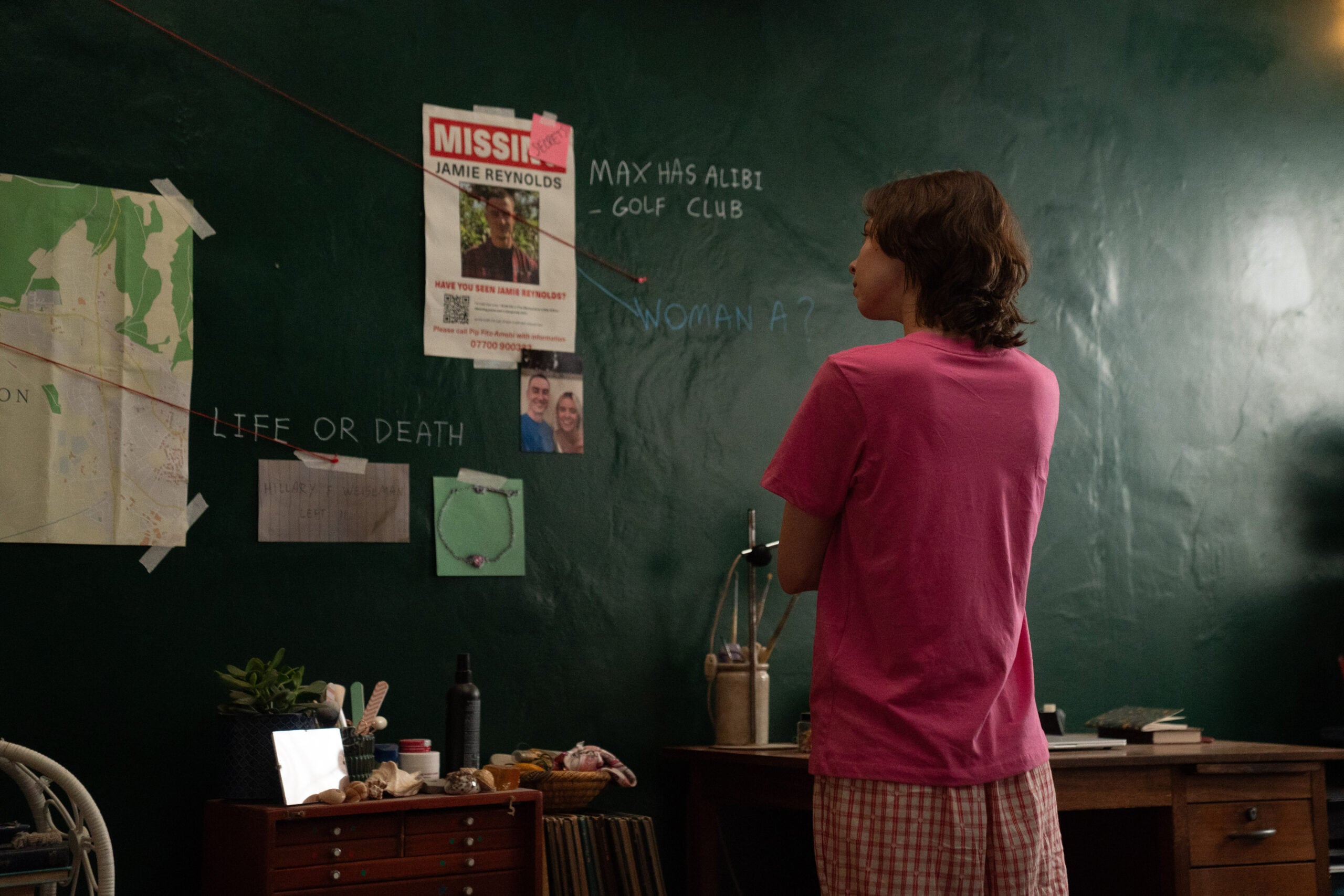
Luckily, this situation does not permanently strain Cara and Pip’s friendship. If anything, it proves how much the girls truly care about each other. Regardless of how either of them feels, they still prioritize each other no matter what.
Pippa Fitz-Amobi: I think I was just angry with myself mostly. And it’s not just about everything that happened today. I mean it is, but I think it’s also the guilt. Blaming myself for everything that happened last year, everyone that got hurt. Cara, Barney. And maybe I’m selfish, and maybe I’m a liar. And maybe I’m reckless, and I’m obsessive. And maybe I’m okay with doing bad things if I’m the one doing them. And maybe that makes me a hypocrite, and… maybe I just bottle everything up inside until it eats me alive. And yeah, maybe the podcast really was just for me, to talk about how I felt, but is that so bad? I’m just tired of feeling guilty about things that aren’t my fault. Because it’s not my fault that Elliot Ward killed Sal. It’s not my fault that Becca let Andie die. It’s not my fault I couldn’t find Jamie, or that Max walked free. Maybe I’m not a good person, but I don’t think I’m the worst either. Maybe there’s no way to be good. Not in a world run by people like Max Hastings. I’m just… I’m so sick of pretending because this is who I am. And I hope that you’re okay with that.
Despite the phenomenal book-to-screen changes, a few still weaken the narrative.
For one, Stanley Forbes is an entirely different character. The first book introduces him as a journalist who is vehemently against Sal Singh, relying on racism to prove Sal’s supposed guilt.
Stanley’s appearances in the first book also include the scene in which Pip discovers Howie and Stanley arguing, further cementing his character.
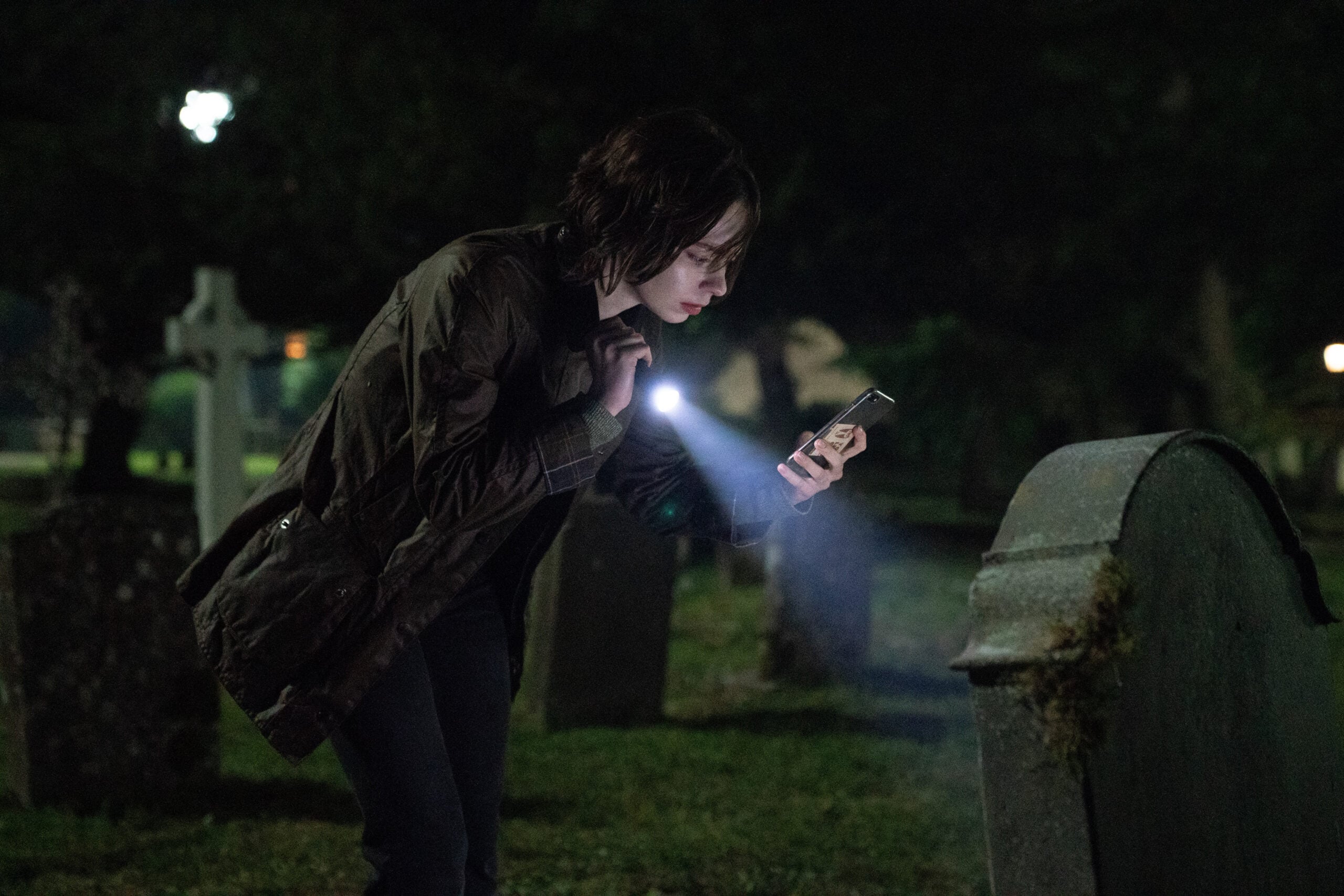
However, Stanley does not appear on the show’s first season. Instead, A Good Girl’s Guide to Murder Season 2 introduces him as a new security guard at Pip’s father’s golf club.
Even though Stanley’s involvement in Jamie’s disappearance remains the same, the changes to his character’s background undermine some of the trilogy’s themes about humanity.
Charlie Green: For what it’s worth, the justice system is supposed to tell us what’s right and wrong, who’s good or bad. Sometimes I think it gets it wrong almost as much as it gets it right. I had to learn that too, and it’s hard to accept. What do you do when the things that are supposed to protect you fail you like that?
Stanley Forbes is not a good person because of his racist vendetta against Sal, but no one deserves the trauma he endures as a child.
Simultaneously, Stanley’s tragic death does not excuse the pain he inflicted on the Singh family and the damage of his bigoted rhetoric. The difference between Stanley’s character on the page and on screen diminishes the impact of these intricate ideas.
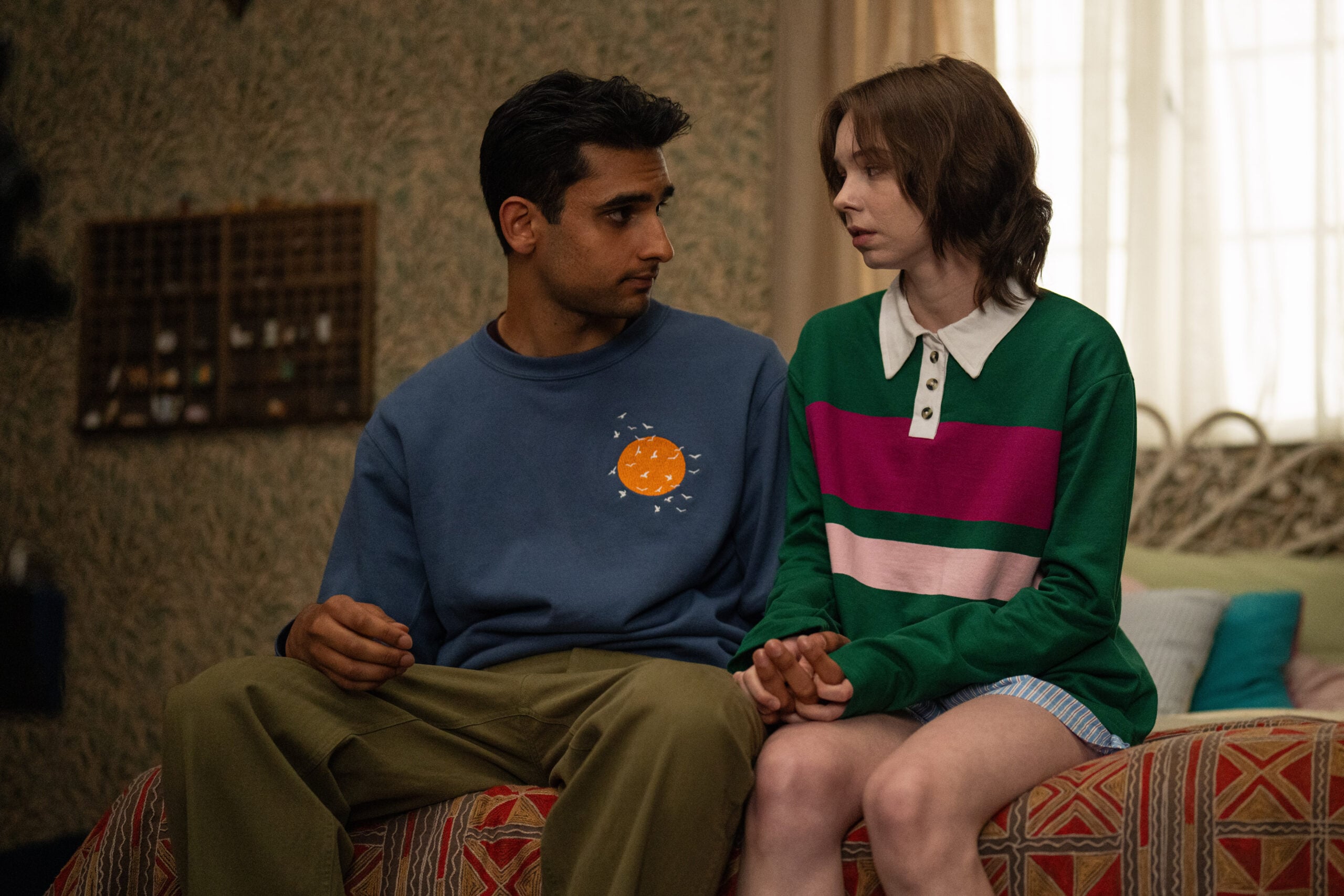
A Good Girl’s Guide to Murder Season 2 foreshadows several events of the final installment in the trilogy, As Good As Dead. A couple of these hints also exist in Good Girl, Bad Blood, but the show expands them significantly.
As a result, the season ends on a darker note than Good Girl, Bad Blood does, and the book’s ending is already bleak.
It is the last notable difference between the book and the show, and it is certainly impactful. Now, viewers have a clear idea of what is next for Pip, which establishes a compelling incentive to finish Pip’s story with a third and final season.
What did you think of this season of A Good Girl’s Guide to Murder? Share your thoughts in the comments below, and don’t forget to leave your own rating!
Critic Rating:
Audience Rating:
A Good Girl’s Guide to Murder Season 2 is currently streaming on Netflix.
Check out our latest TV recommendations, updated weekly!
Want more from Tell-Tale TV? Subscribe to our newsletter here!
Sarah Novack

Sarah has been a passionate writer and blogger about various forms of media for as long as she can remember, and her favorite method of expressing this passion is through writing and discussion. She loves way too many TV shows, books, and movies, specializing in book-to-screen adaptations, fantasy, sitcoms, and procedurals.