
Law & Order Season 25 Episode 17 Review: Beyond Measure
Law & Order Season 25 Episode 17, “Beyond Measure,” is nothing short of a masterpiece.
The show takes it to the next level with a thrilling storyline and complex scenes that keep viewers from looking away.
The action begins immediately when Vincent and Theo chase two criminals on the run after committing a robbery and murdering a security guard at the Atlas Museum of Art. This scene establishes an intense momentum that carries through to the very end.

One thing that makes “Beyond Measure” such a riveting episode is the extremely high stakes — the NYPD is under pressure to solve a murder and a robbery as quickly as possible.
Law & Order rarely covers crimes beyond murder. While this episode still largely focuses on a homicide, the robbery of a priceless relic is also a critical factor.
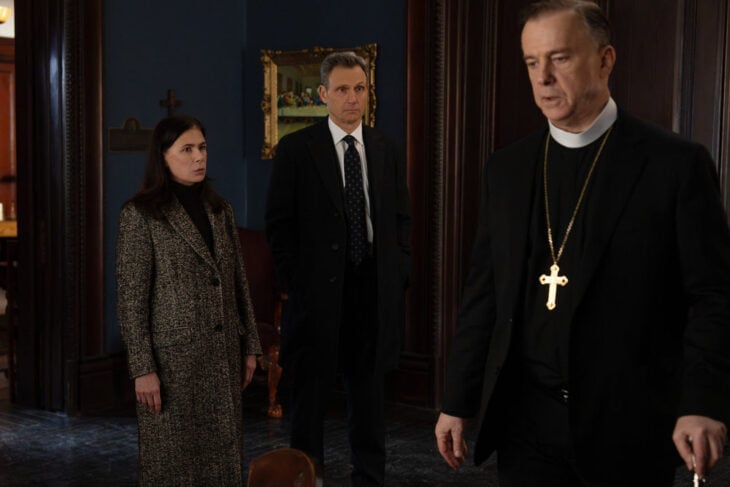
The thieves steal the Crown of Popayán, a sacred religious antiquity that draws the Catholic Church into the story, further amplifying the plot.
Amaru: You’re confusing the Church with faith, which is exactly what the Church wants.
Including another felony could be risky because it might pull attention from the homicide. However, the show delivers a seamless narrative of these two consequential crimes through its themes.
Law & Order Season 25 Episode 17, “Beyond Measure,” explores fascinating themes that contrast faith and organized religion. While many often conflate the two, they are significantly different concepts.
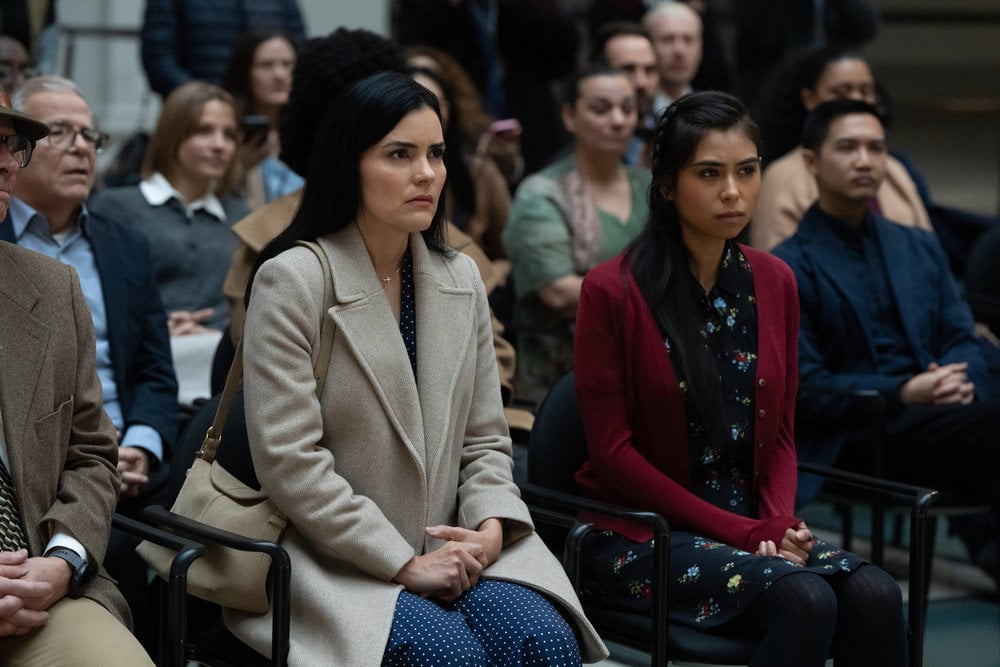
Faith is the simple act of belief. A singular person who believes in a higher power has no control over people, systems, or society. The show introduces a character who has faith but is against religious institutions — Amaru, an Indigenous man from Colombia.
Cardinal Keane: To refuse this offer would mean sacrificing the spiritual good of the faithful for the emotional satisfaction of punishment.
On the other hand, organized religion follows an official set of rules and a structured way of life. A designated set of leaders ensures that. the organized religion functions as it should, such as the Catholic Church.
The Catholic Church has a deep history filled with war, colonization, and controversy (via Britannica). Many people — especially Indigenous groups colonized by the Catholic Church — might have a vitriol for this institution, even if the same people share similar theological beliefs.
“Beyond Measure” features Cardinal Keane, a character who plays a critical role on the episode because of his influence in society.
Nick Baxter: And I don’t supposed you’d consider doing the right thing, just because it’s the right thing to do? I know that’s asking a lot.
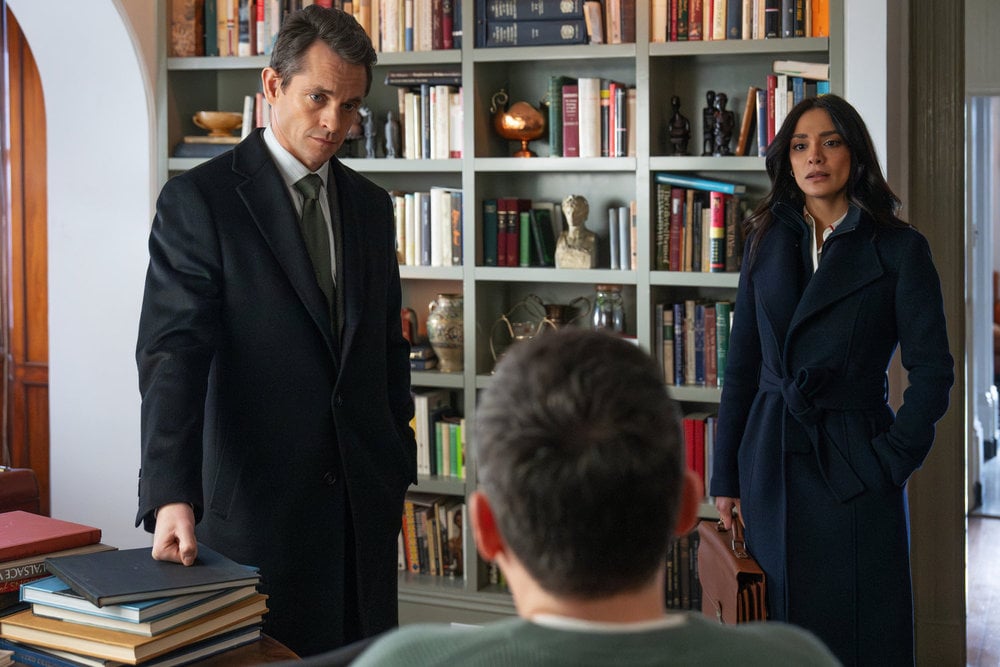
The dichotomy that Law & Order sets between faith and organized religion enriches the storyline and characters. In fact, Nick and Nolan argue over the potential outcome of the case because of Cardinal Keane’s power.
Nick and Nolan have very different visions of what justice looks like. Nolan notoriously sees the law as black-and-white; he is only interested in ensuring the victim’s family gets justice by convicting Luis Salazar.
Meanwhile, Nick has several other factors to consider as the Manhattan District Attorney, including public relations, societal appeasement, and, on a more self-centered level, re-election.

In this case, Nolan seems to be right — the DA’s office should focus on convicting Salazar and not on retrieving the Crown of Popayán, something that is only possible if they make a deal with Salazar.
However, justice is never that simple, and it is Nick’s job to represent all his constituents, including Roman Catholics.
It is unfair that Salazar will serve a smaller sentence; pacifying a group of people should not come at a murdered victim’s expense.
Unfortunately, part of Nick’s job includes making these tough decisions. He has to run his office in the best interest of as many New Yorkers as possible. In this case, the Catholic population outnumbers Cecil Carbo’s wife and daughter.
This outcome is the only way to conclude this exceptional episode, but it also raises questions about the flaws in the justice system and whether we should consider serious changes.
What did you think of this episode of Law & Order? Share your thoughts in the comments below, and don’t forget to leave your own rating!
Critic Rating:
Audience Rating:
Law & Order airs Thursdays at 8/7c on NBC.
Check out our latest TV recommendations, updated weekly!
Want more from Tell-Tale TV? Subscribe to our newsletter here!
Sarah Novack

Sarah has been a passionate writer and blogger about various forms of media for as long as she can remember, and her favorite method of expressing this passion is through writing and discussion. She loves way too many TV shows, books, and movies, specializing in book-to-screen adaptations, fantasy, sitcoms, and procedurals.