
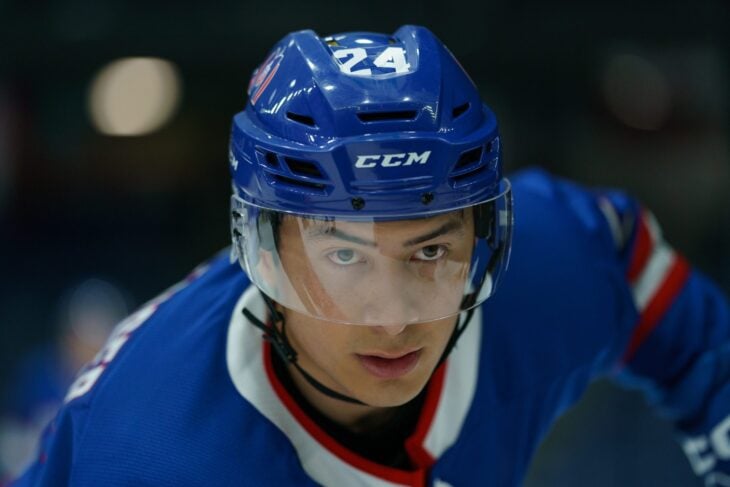
How Heated Rivalry Provides a Nuanced Representation of Autism
If social media is any indication, the adaptation of Rachel Reid’s Heated Rivalry hasn’t just landed; it has cratered the landscape of queer television. While the volcanic chemistry between leads Hudson Williams and Connor Storrie is the initial draw, a quieter, more complex narrative thread has emerged amidst the secret hookups and longing glances.
For years, readers have lovingly analyzed Shane’s “quirks.” These include his rigidity with food, his desperate need for routine, and a social battery that drains faster than an iPhone in winter. Hudson Williams’ on-screen portrayal has shifted that subtext into something undeniable.
Through deliberate physical acting—the averted gaze, the self-soothing fidgets, and the genuine distress when his environment becomes chaotic—Shane reads as a nuanced, respectful depiction of high-functioning neurodivergence (specifically Autism Spectrum Disorder).
This interpretation is validated not just by the text of the show, but by the creatives themselves. By examining the “accidental” coding that became canon, dissecting specific acting choices, and analyzing the safety Shane finds with Ilya, it’s clear that Heated Rivalry has crafted one of the most authentic neurodivergent heroes on television.
Shane isn’t a problem to be fixed; he is simply a man navigating a world that wasn’t built for him.
Autism is Subtly Engrained in the Source Material
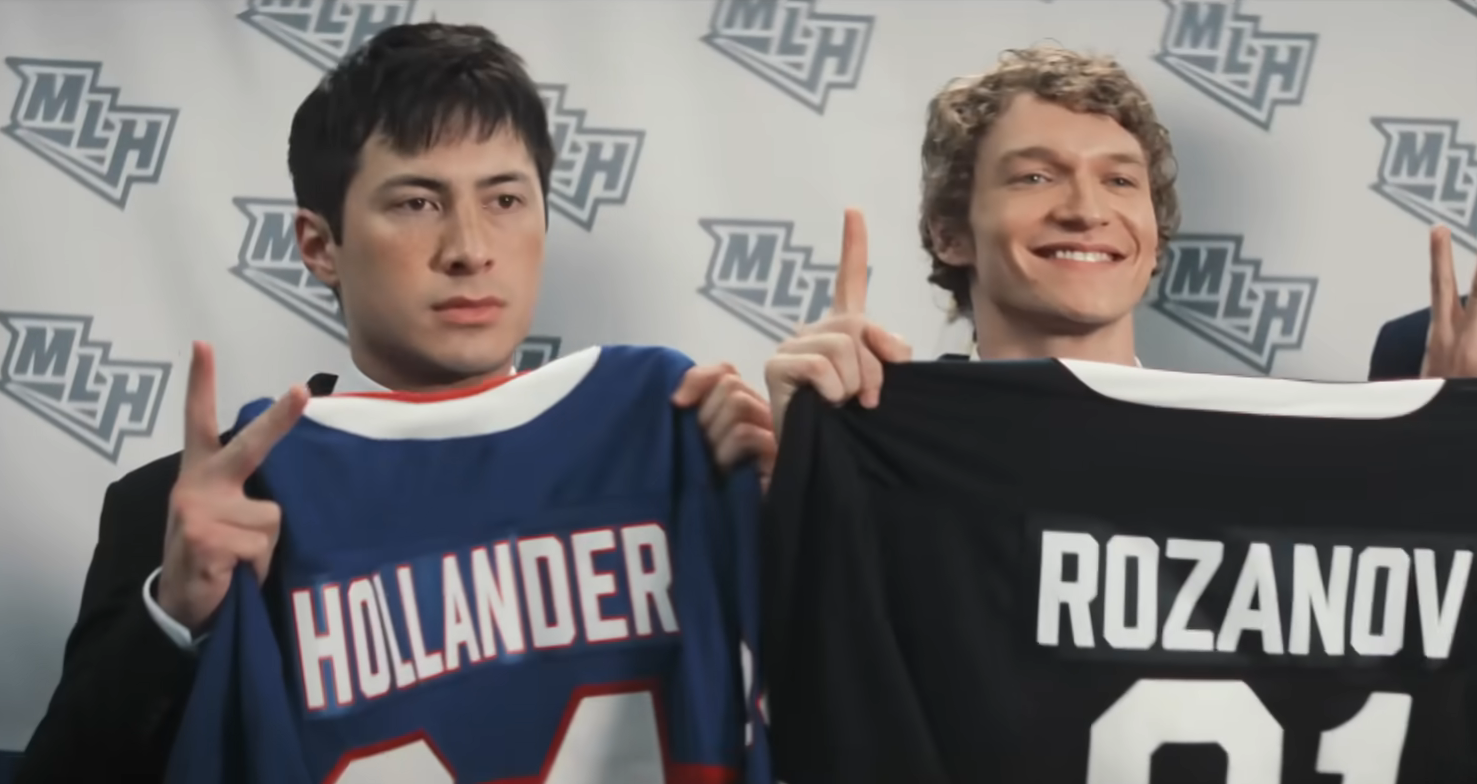
When the novel was first published, Shane Hollander was frequently categorized by casual readers—and even characters within the book—as the boring one. He was “Canada’s Golden Boy” —a hockey robot programmed for perfection who ate the same bland meals, adhered to a rigid sleep schedule, and seemed allergic to spontaneity.
In the context of a sports romance, these traits initially read as the standard discipline of an elite athlete. However, for neurodivergent readers, these weren’t just signs of dedication; they were clear, flashing indicators of a sensory processing disorder and a reliance on routine for self-regulation.
Interestingly, this coding wasn’t entirely deliberate at first. Author Rachel Reid has noted on social media and in an interview with Wired that she didn’t set out to write an autistic protagonist.
Instead, she was writing Shane during a period when she was navigating her own child’s diagnosis. The specific textures of that experience, including the need for predictability, the comfort found in repetition, and the anxiety caused by disrupted plans, subconsciously bled into Shane’s characterization.
What started as accidental coding has since been embraced as retrospective canon. Reid’s social media comments over the years seem to validate the interpretation that Shane is neurodivergent, acknowledging that his “robotic” nature is actually a mask he wears to function in a high-pressure environment. He isn’t boring. He is constantly managing a level of internal input that would overwhelm anyone else.
This realization is crucial because it reframes the source material for the television adaptation. It transforms Shane from a standard grumpy romance lead into a character with a specific, internal logic.
His strict diet isn’t just about protein intake; it’s about “same-food” safety. His silence isn’t arrogance; it’s an energy conservation strategy.
By recognizing this unintentional blueprint, the show’s creative team was able to strip away the robotic stereotype and replace it with something far more human: a man working incredibly hard just to appear normal.
Jacob Tierney Insisted on Showing the Nuances of Shane
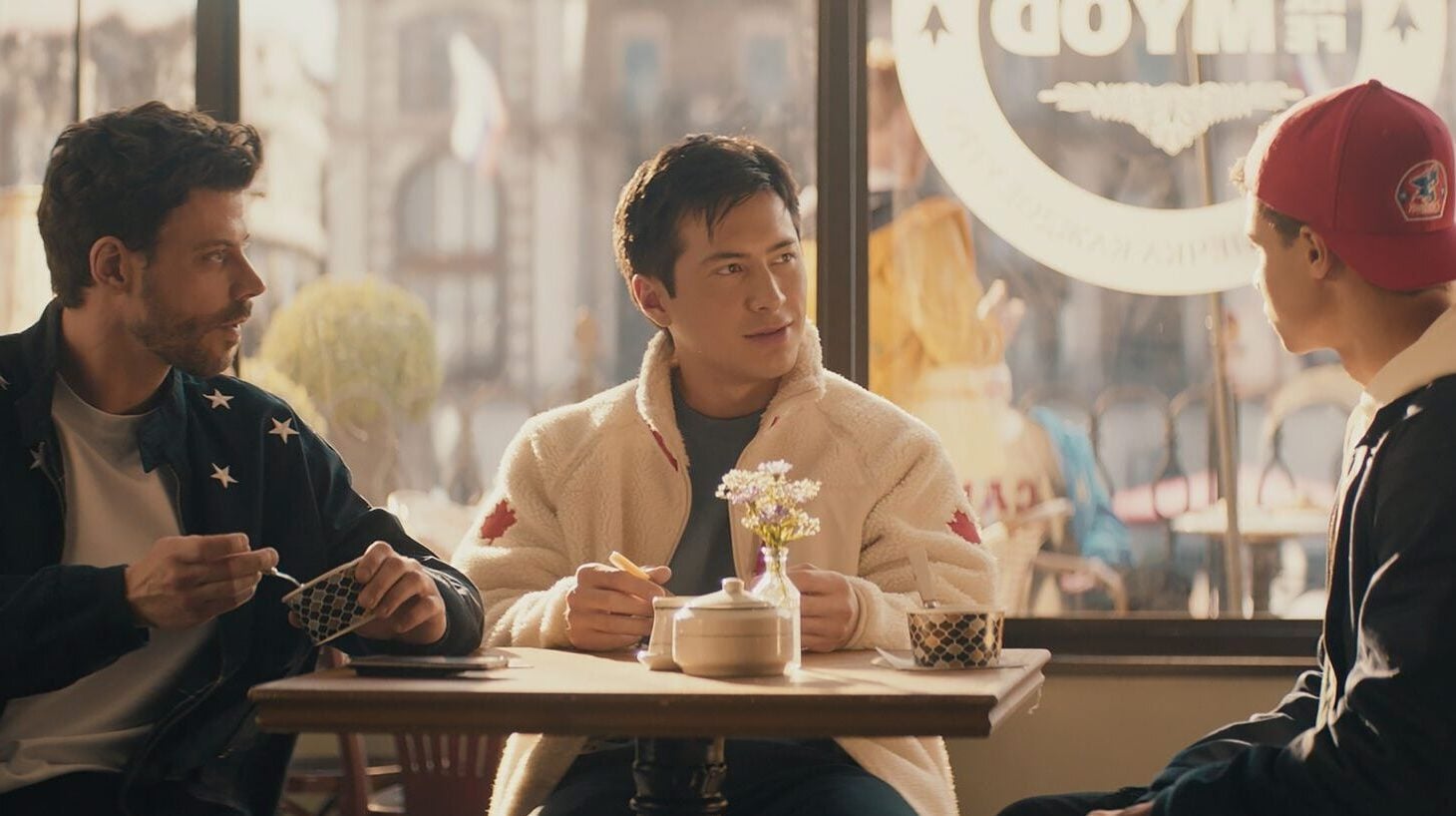
When Jacob Tierney announced he was adapting Heated Rivalry, many expected the rapid-fire, dialogue-heavy rhythm of Letterkenny. Instead, Tierney delivered something far more restrained and observant. His approach to Shane Hollander’s neurodivergence is defined by what he doesn’t do. His writing and directing choices show us that he refuses to turn Shane into a caricature.
Based on styling choices it appears Tierney isn’t interested in Shane acting autistic. Instead, he makes choices to allow Shane to appear as a man who is desperately trying to appear neurotypical. This distinction is crucial.
Tierney directs the character not as someone who is confused by the world, but as someone who is constantly working overtime to calculate it. The tragedy isn’t that Shane is autistic—the tragedy is how hard he has to work to hide it.
So how does Tierney do this as a director, writer, and showrunner? Let’s take a look at some examples throughout the show.
In Heated Rivalry, there are quite a few locker room moments with Shane and his teammates. To show just how overwhelming that environment might be for someone like Shane, Tierney used sound and visuals to reveal Shane’s feelings.
The background noise of the locker room (tape ripping, shouting, showers running) is often dialed up slightly in the mix when the camera is on Shane, placing the audience directly inside his sensory experience. We hear the chaos he hears, validating his need to shut down or escape.
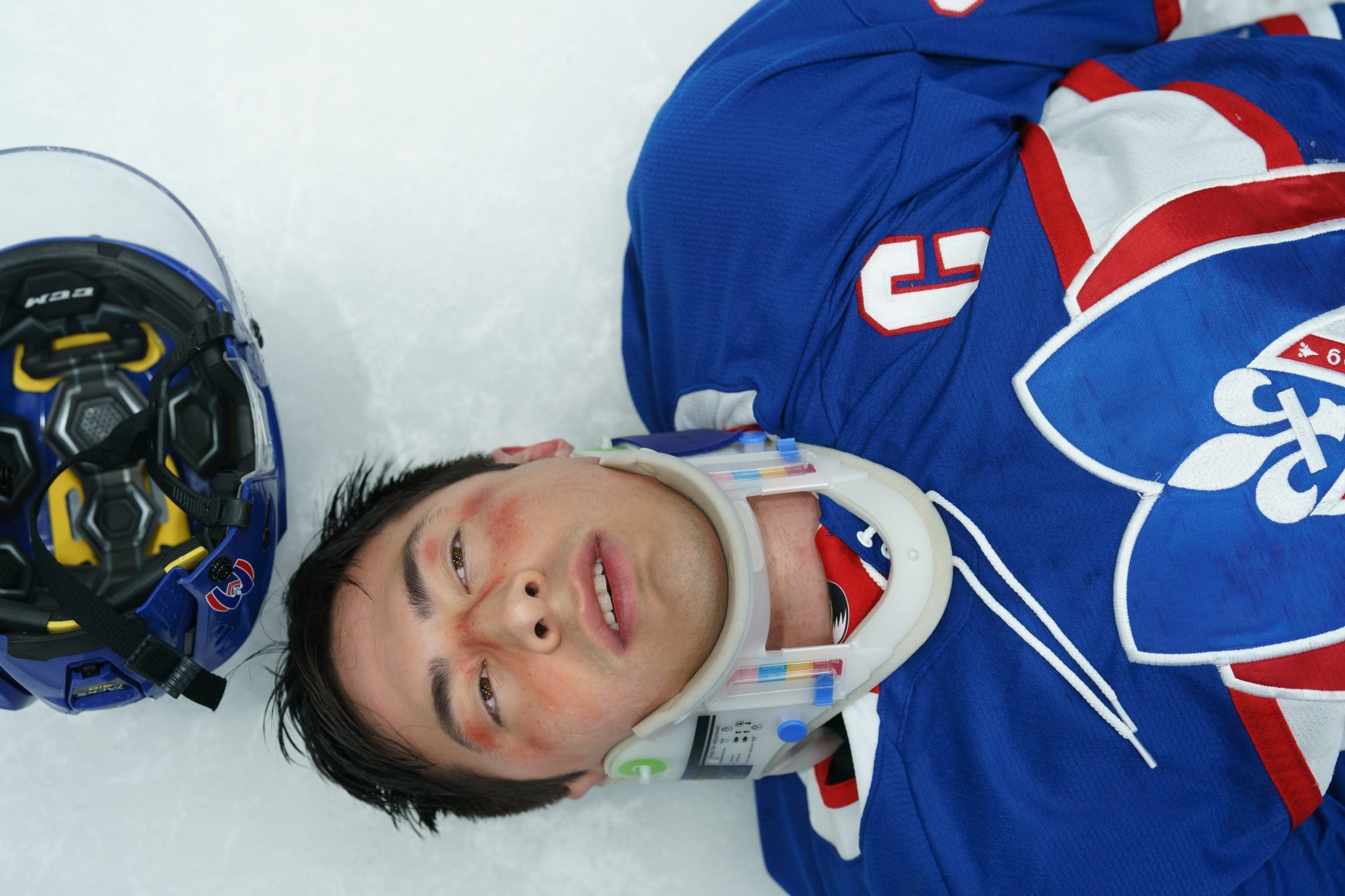
We see this effect with the sound mixing again during Heated Rivalry Season 1 Episode 5, “I’ll Believe in Anything,” when Shane ends up in the hospital due to a hit on the ice. As he is transported off the ice, the sounds get louder with a bit of a buzz effect to them, which continues as the scene shifts to what we assume is an imaging machine at the hospital. It only quiets down again when the scene cuts to Shane resting and Ilya showing up to check on him.
Then, during the coming-out conversation with Rose, Tierney had the camera focused directly on Shane’s face after each of Rose’s probing questions or statements. This shows the audience just how uncomfortable Shane is in the moment, but also how much he’s trying to process all the things running through his head to answer her properly.
Another way that Tierney ensures audience members know Shane is on the spectrum, without hitting us over the head with it, is through his actual dialogue. So much of how Shane speaks is familiar to autistic viewers because it is often blunt and to the point. Shane frequently misunderstands things Ilya says as a joke as being straightforward and serious.
Finally, Tierney’s distinct choice to have Shane’s autism go unnamed gives credence to not only the hockey culture of not being open or supportive of mental health or differences but also Shane’s lack of self-awareness.
He is an undiagnosed autistic adult who knows he has quirks and overwhelming anxiety but tries his best to push through and remain the ideal Asian hockey phenom everyone expects him to be.
So, instead of letting these parts of himself breathe, he is spending much of his energy masking to appear normal. This itself adds to the pressure he’s already under to remain in the closet. A pressure which causes him to crack on occasion, like we see on Heated Rivalry Season 1 Episode 4, “Rose,” and Heated Rivalry Season 1 Episode 6, “The Cottage.”
Hudson Williams’ Personal Touch
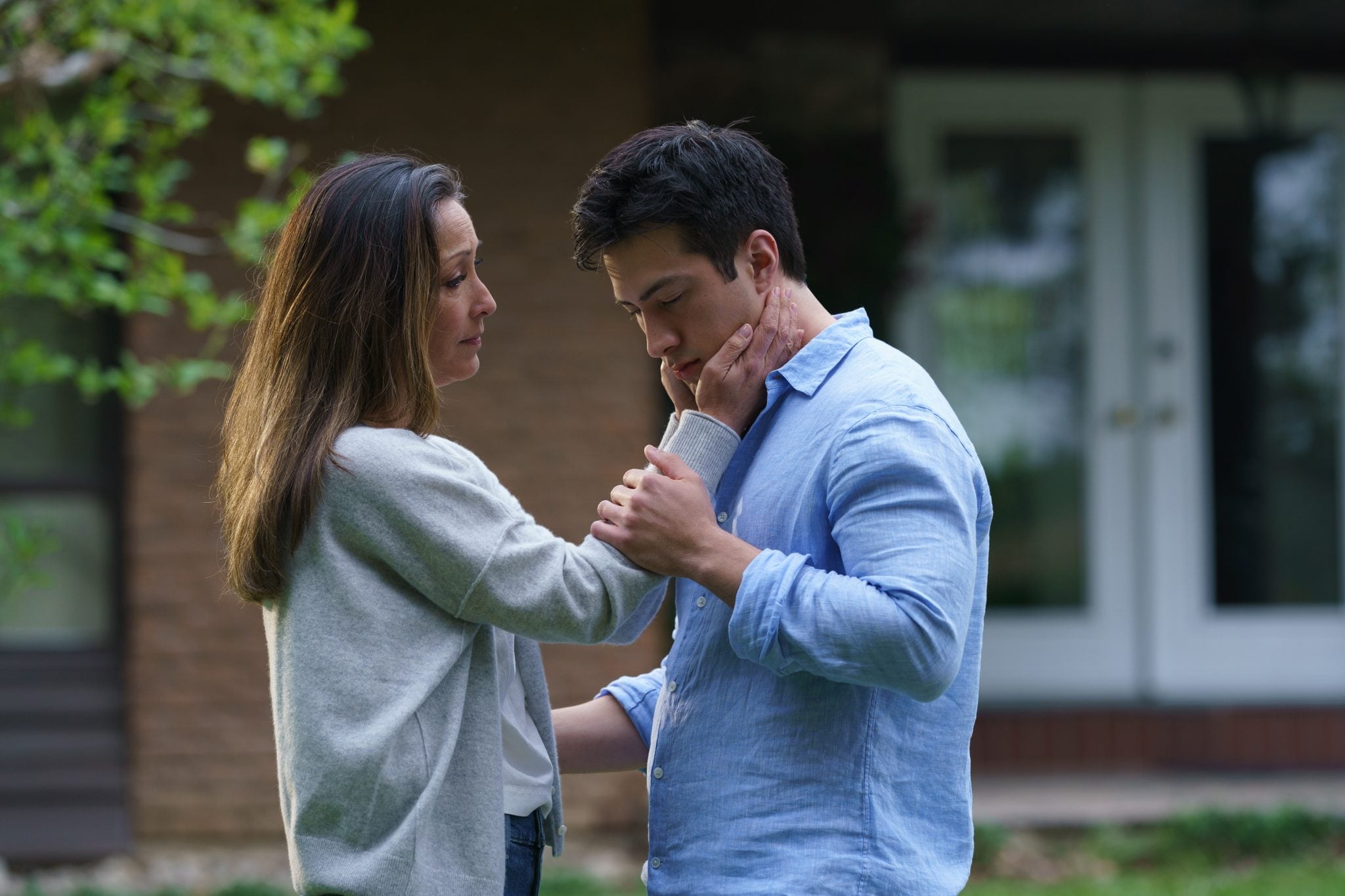
Aside from the care and consideration coming from Jacob Tierney, Shane Hollander also has the benefit of being played by Hudson Williams. While he is still a fresh, young actor, Hudson Williams has already proven that he has what it takes to put nuance, complexity, and care into a character who is more than he appears at face value.
In an interview with Glamour, Hudson Williams spoke about how he could sense Shane’s neurodivergence simply from reading the script. He then took stock of the things he already knew and used that information to inform his performance as this character.
“To me, reading the scripts, it didn’t even have to be acknowledged. I was like, ‘This guy is farther along the spectrum than a lot of people.’ And I kind of saw, even how the dialogue was written, how it manifests,” he stated.
In another interview, Hudson Williams touched on the connection he had to Shane Hollander, thanks in part to having a loved one on the spectrum. He explained how his father’s connection to autism helped him better understand his character.
“I love my dad to death, and I’ve always felt very connected to him. He has a sensitivity to him that is very boyish. I think when I read the script, I took a huge page out of living my life with him. Rachel [Reid] has said [Shane] is autistic, so I think I knew how it should look. I empathized with him a lot, immediately,” Williams told The Hollywood Reporter.
That personal connection allowed Williams to consider just how he wanted Shane to be perceived, from his voice to his mannerisms and his various neuroses. Everything Hudson Williams does as Shane Hollander is done with the utmost respect for people who live on the spectrum and are still able to function fully within society.
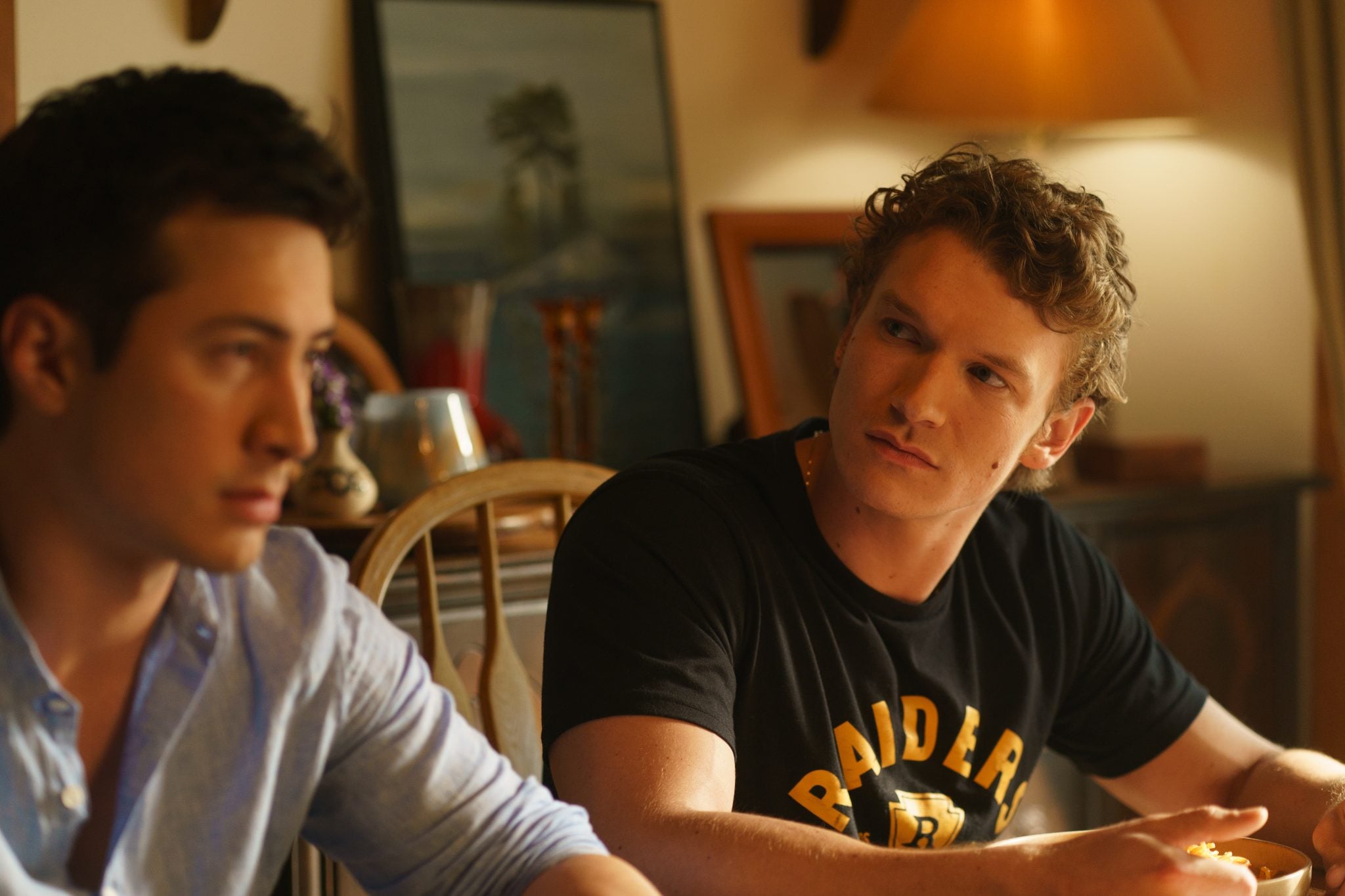
He has candidly spoken about the conscious decisions he made along the way to highlight that Shane has extra pressures going on under the surface. From the way Shane always looks like he’s on the verge of an emotional breakdown to the way Shane is extremely limited in what he eats and drinks.
Even his tone of voice and line delivery is a conscious decision to better show Shane lives life on the autism spectrum, even if he isn’t able to name it.
The performance is so convincing that viewers who have never had experience interacting with someone on the autism spectrum often criticize that Hudson Williams can’t act at all due to his lack of facial movements and emotion in his voice.
As Williams said in his interview with Glamour, “Sometimes it is flat affect. It’s just being immobile in your seat and taking 10 seconds to move your hand to do something because you don’t know what this movement looks like or means.”
Some critics have even gone so far as to characterize Shane as being boyish and boring, which lends itself to the often real experience of people like Shane Hollander being vastly misunderstood, often dismissed because of a lack of social and emotional awareness.
Shane Hollander is a complex character whose undiagnosed autism is only a small part of who he is. He obsesses about hockey because that is his special interest. He loves Ilya Rozanov fiercely because Ilya gives him the space to live freely, quirks and all.
In fact, Ilya leans into them more often than not, allowing Shane to feel comforted and seen by Ilya’s small acts of acceptance and love.
Fans See Themselves in Shane Hollander
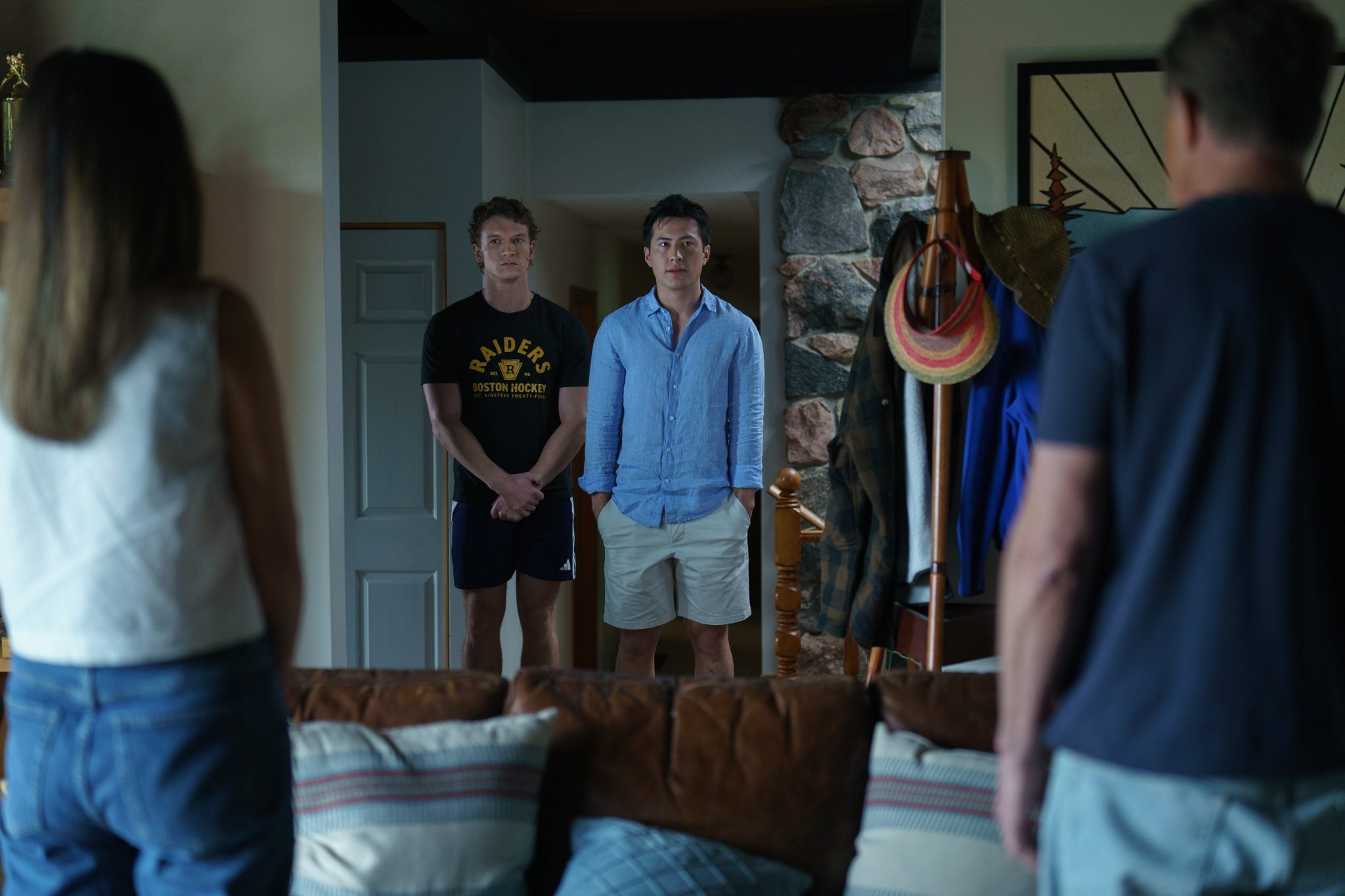
Thanks to all of these factors, fans of the show have found themselves connecting to Shane Hollander on a level never seen before from an autistic character on TV. And maybe that is because this example of representation is more nuanced and less over-the-top.
Or maybe it’s because people can relate to an adult with societal, social, and personal pressures still managing to be the lead in a romance.
Whatever the reason, people are seeing themselves in the way Shane has to fold his clothes before sex, checks out during social events, appears clipped and uninterested during interviews, has a specific diet, can’t keep eye contact for long, or misses social cues for things like sarcasm and humor.
Some fans have even pointed out that Shane struggles in situations where he is under bright lights or surrounded by lots of noise. There is also something to be said about Shane’s hyper focus on hockey and being the best athlete in the league.
Many fans see this for what it is: a special interest that consumes Shane’s thoughts. It really comes out in how he’s good in interviews with the press, as long as the subject is his performance or hockey in general.
This is also shown during the finale when he comes up with a foolproof plan for Ilya to gain Canadian citizenship and still be able to play hockey closer to Shane.
All of these traits about Shane are what make him unique and relatable to so many. He’s changing the way the media looks at people on the spectrum by normalizing just how understated many autistic qualities actually are.
While there is a time and a place for the depictions of autism that the media has previously given us, there is something special about Shane Hollander as well. Many people on the spectrum blend into society almost seamlessly, making it harder for others to understand when they need a moment more than average to process things or don’t understand a joke.
Hopefully, Shane Hollander will help open people’s eyes to the many different ways that neurodivergence can manifest in people. And, just because they aren’t clinically diagnosed by a doctor doesn’t mean a character doesn’t still walk through life with that neurodivergence impacting everything they do.
—
Heated Rivalry is now streaming on HBO Max and Crave.
Follow us on X and on Instagram!
Want more from Tell-Tale TV? Subscribe to our newsletter here!
Mads Misasi

Mads is a part-time entertainment journalist and full-time marketing content creator. They love any and all TV Dramas with a few sitcoms mixed in. Join in the fun talking about TV by following them on Twitter: @dorothynyc89.