

How an Iconic Episode of Buffy the Vampire Slayer Explores Queer Issues
The impact that Buffy the Vampire Slayer left on the landscape of horror TV is long-lasting. Despite its issues with diversity in the main cast, the show has plenty of moments that many marginalized groups can relate to. One example of this is Buffy the Vampire Slayer Season 5 Episode 6, “Family.”
Buffy the Vampire Slayer Season 5 is one of the show’s best seasons. The themes of chosen family, identity, and adulthood permeate throughout.
On “Family,” Tara (Amber Benson)’s biological family and her past come to light. Naturally, as Tara is one of the few explicitly LGBTQ+ characters on the show, there’s subtext in how her family treats her.
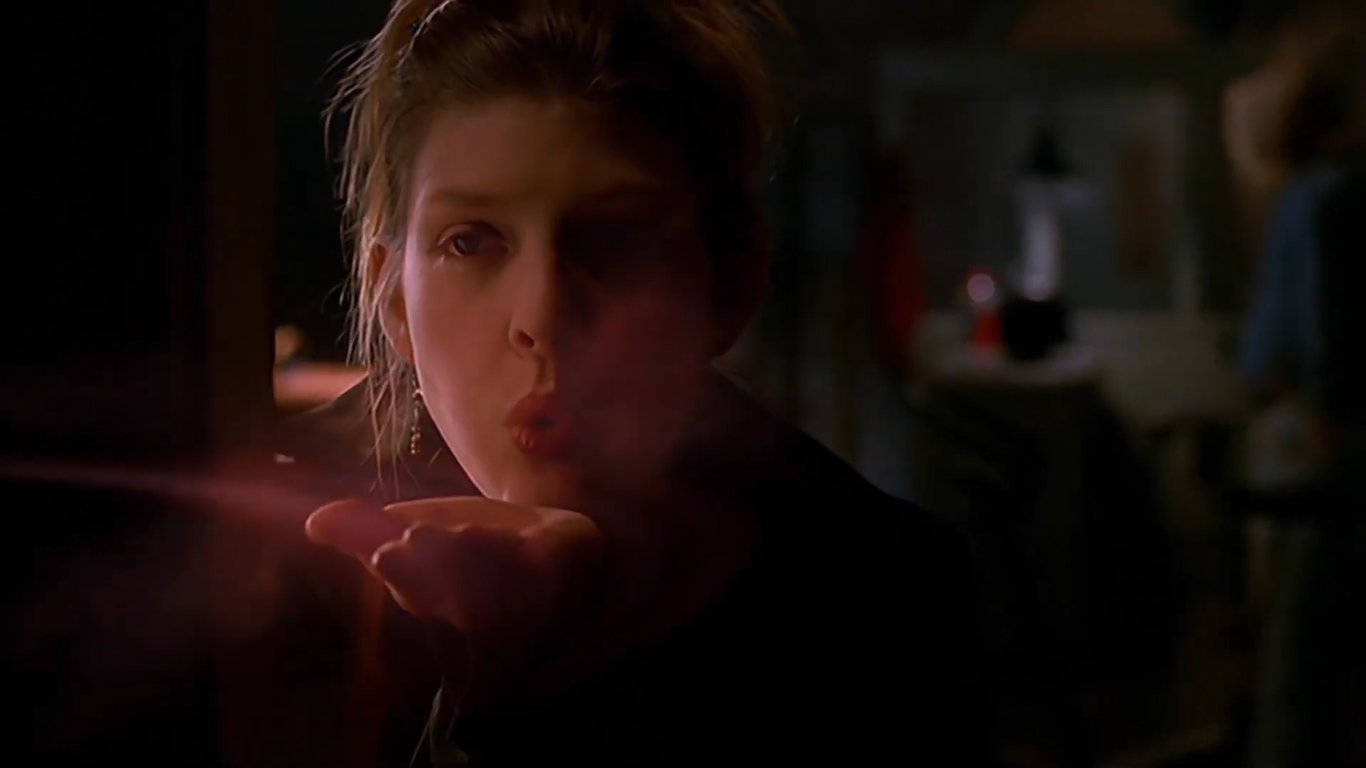
The episode focuses on Tara’s biological family coming to Sunnydale before her 20th birthday to take her home. All because they’ve manipulated Tara, for her entire life, into believing she’s a demon. Something that they convinced her about her deceased mother.
On the surface, the treatment of Tara and other women in her family can be read as misogyny. There’s also the added disdain for alternative practices of being a witch. Meanwhile, those of us in the queer community know there are other metaphors at play.
Tara being an out lesbian, a practicing witch, and in a relationship with Willow (Alyson Hannigan), is certainly not something her family accepts.
Her cousin Beth (Amy Adams) goes so far as to say the word “lifestyle” when trying to guilt her into coming home. And her dad tries to remind her that there’s “evil” inside her.
Queerness being viewed as something that’s not right isn’t a new thing for homophobes to peddle. It’s still a disgusting narrative that’s pushed by all sorts of powerful people today.
The return of her family sparks Tara to desperately cast a spell to hide who she’s been told she is. It even leaves Buffy (Sarah Michelle Gellar) and the rest of the Scoobies in harm’s way when they’re unable to see the demons that try to kill them (due to the spell Tara cast). The spell being resolved in the end isn’t the point, though.
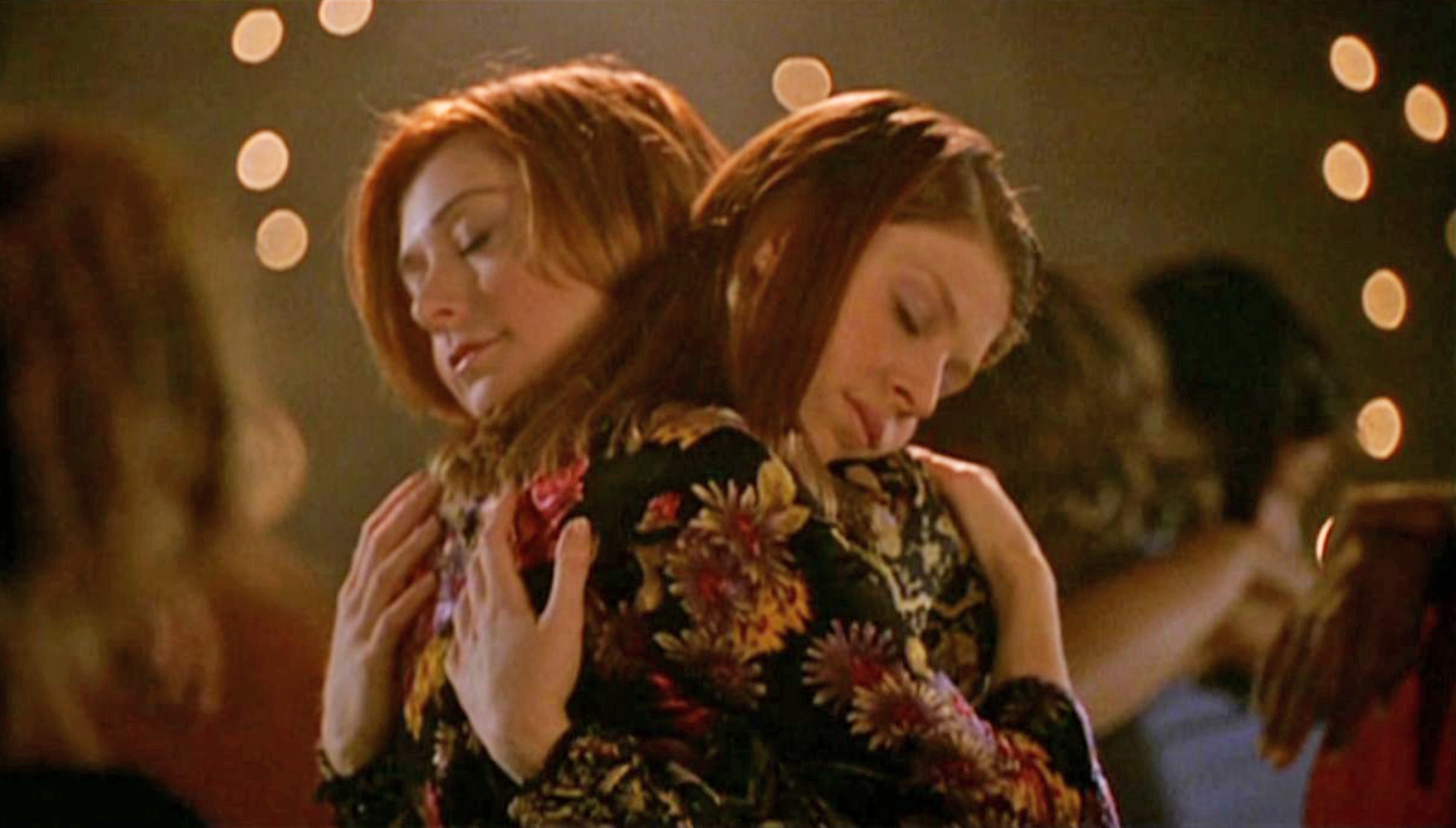
The point is that Tara didn’t want to be seen and was scared of being rejected by those closest to her. Albeit for something that wasn’t true, it’s still an important tidbit to take into account.
To this day, LGBTQ+ youth around the world are disowned, abused, and more by their biological family and others in their lives. Conversion therapy for instance is still legal and encouraged in plenty of countries.
The metaphor of conversion therapy is played into when Tara’s father says he knows how to “control” her problem. Instead of understanding Tara or choosing to accept her as she is, her so-called family aims to control her and fit her into traditional cishet gender roles where she’s the caretaker who manages the house for her brother and father.
Tara going through her entire life, thinking that there was something wrong and evil inside her, is perfectly played out. Most of us in the community have struggled with internalized homophobia, especially when brought up in religious households. It’s something that’s deeply embedded because we still live in a homophobic and transphobic society.
There are more rights (which are constantly under attack) put in place for the LGBTQ+ community at large. However, bigotry and ignorance is still rampant and that’s something that doesn’t seem to change even with time.
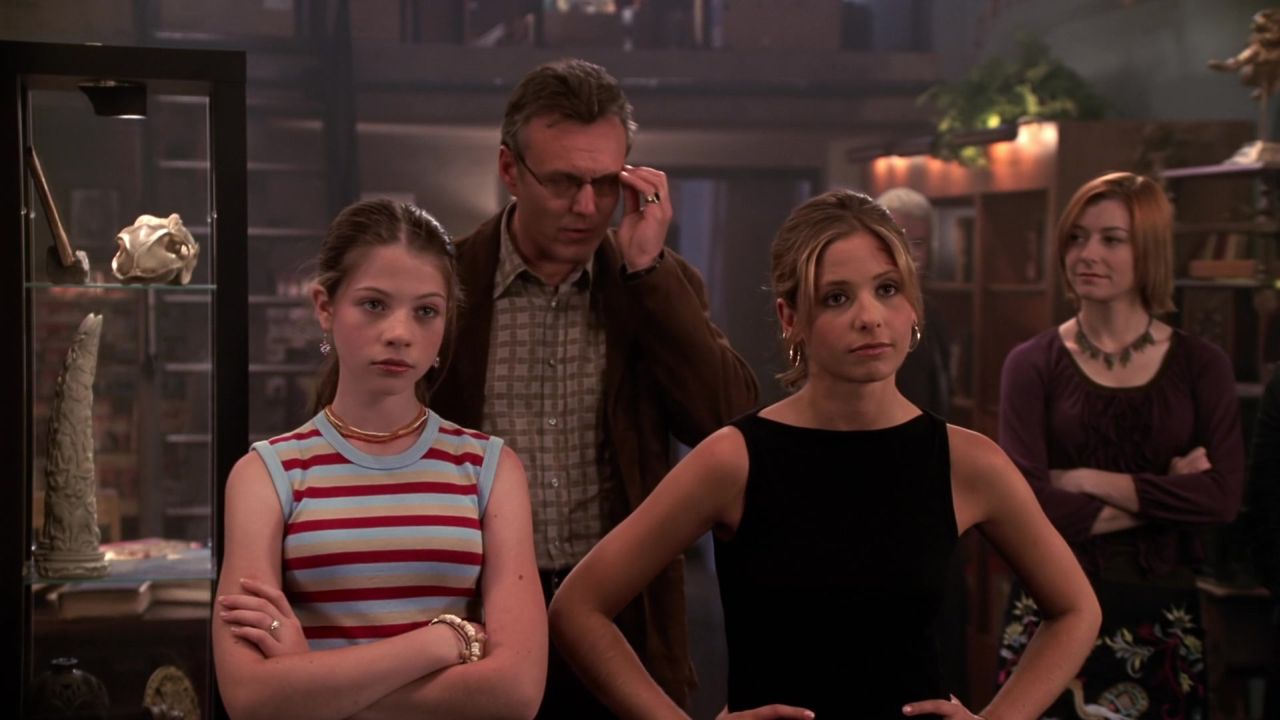
The episode thankfully doesn’t make Tara question her love for Willow or their relationship. She just worries about Willow’s perception of her, and that plays into internalized hate. As well as not believing we deserve to be fully accepted.
Near the end of “Family,” we see Buffy and the rest of the group boldly claim Tara as part of their chosen family. Making your own family is common within the queer community, and it’s tragic why that happens, but it’s also a beautiful thing. Being safe, loved, and supported isn’t as easy to come by in the world.
At the end of the day, Buffy the Vampire Slayer wasn’t afraid of utilizing metaphors for real-life issues, most of which resonate with marginalized communities in the present day.
Buffy the Vampire Slayer remains an incredibly influential show and the relationship between Willow and Tara was crucial for LGBTQ+ relationships moving forward. Say what you wish about the ship itself, but that fact remains.
Yes, we’ve come a long way in terms of LGBTQ+ representation in the TV landscape. However, there’s always room to revisit the representation and storylines that came before. It’s essential to do so because knowing where we’ve been helps us understand where to go.
—
Buffy the Vampire Slayer is available to stream on Hulu, Disney+, and Tubi (US, only 6 seasons).
Follow us on X and on Instagram!
Want more from Tell-Tale TV? Subscribe to our newsletter here!
Vanessa Maki

Vanessa Maki is a Black queer writer and a self-proclaimed Blerd for horror and anime. She has been writing articles for online publications for number of years. She's written for various publications such as Dread Central, Hear Us Scream and more. And is a former regular contributor for Pink Advocate and The Mary Sue. Currently she's contributor for But Why Tho?