

What Makes Julio Torres’ ‘Fantasmas’ Such a Groundbreaking TV Series
Comedy lovers might recognize Julio Torres from his days writing iconic sketches for Saturday Night Live, such as the Ryan Gosling “Papyrus” sketch or the Emma Stone “Wishing Wells for Little Boys Sketch.”
Horror fans might know him from his show Los Espookys, and indie movie lovers might have seen his debut movie Problemista. But most people likely first heard of him from his new Max show, Fantasmas.
This show has garnered much attention on social media for featuring guest stars like Paul Dano, Dylan O’Brien, and Alexa Demie. However, Fantasmas deserves so much more recognition for its unique approach to storytelling, surrealism, and LGBTQ+ representation.
The Value of Stories

Most TV shows have a structure with an A plot and a B plot. The predictable nature of television is why many people enjoy watching sitcoms. In contrast, Fantasmas defies any notion of structure.
Sure, the main story the show follows is that of Julio attempting to find his lost pearl oyster earrings. But along the way, each character that’s connected to this simple story has their own moment to shine.
For example, there’s a food delivery person who isn’t able to access the subway because he doesn’t have “proof of existence,” which is the show’s version of citizenship. While talking with a girl, he reveals that he’s actually the creator of the viral white and gold/blue and black dress photo and came to America to pursue his dreams.
There are countless more mini-stories like this featured throughout the show. While they may seem random and disconnected, these stories help drive home the point that every character in this fantastical world has a story worth telling, especially seeing as these characters are connected to Julio’s life somehow.
By highlighting mundane interactions that reveal so much more about peripheral characters, Fantasmas presents an innovative way to integrate storytelling that breaks the traditional TV show structure. The show demonstrates how more shows shouldn’t be afraid to experiment with structure and find beauty in the mundane.
Creative Surrealism
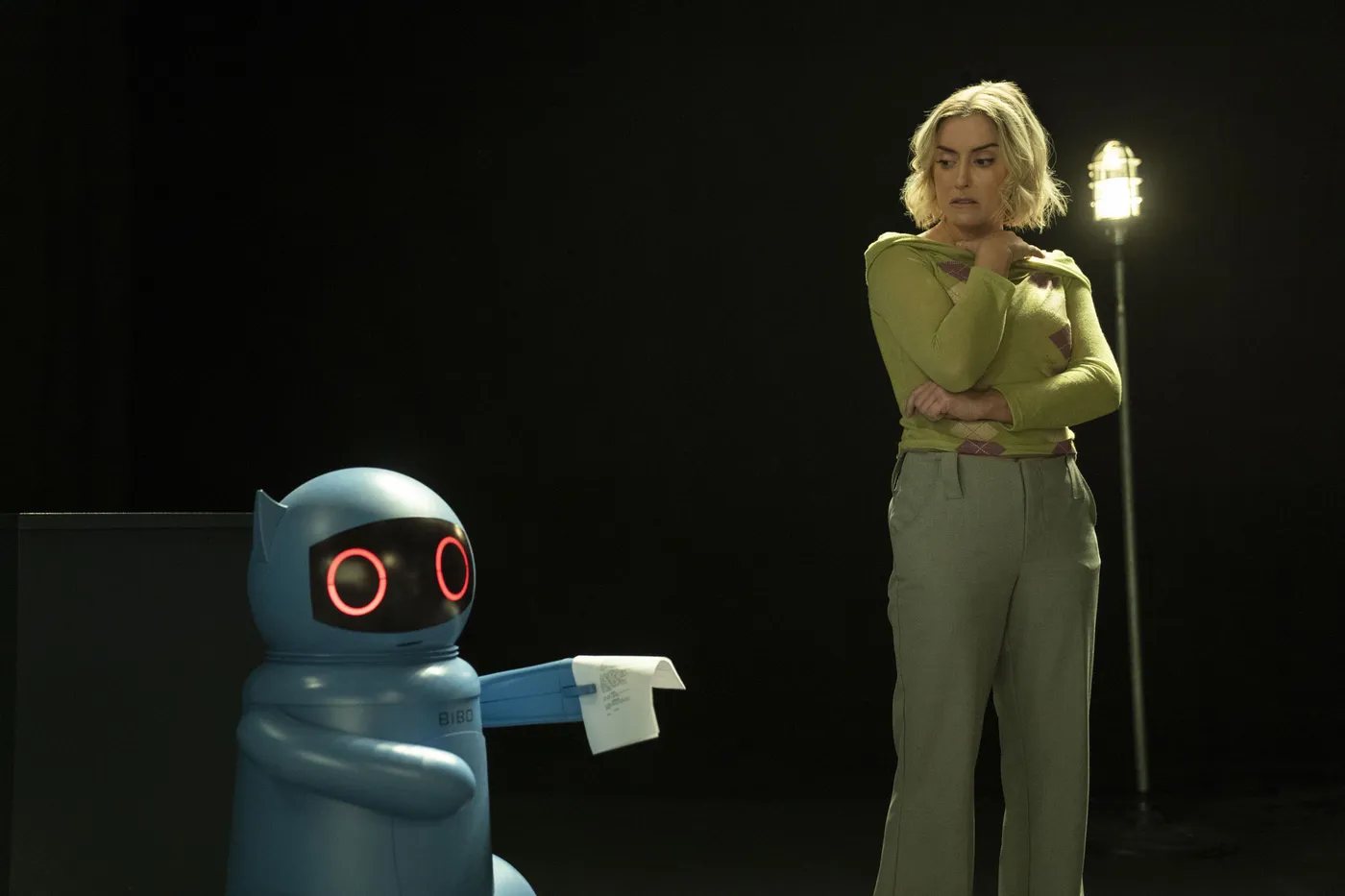
In addition to challenging the status quo of television structure, Fantasmas also brings in surrealism into the realm of television. While surrealism is present in a lot of movies, such as I Saw the TV Glow, fewer television shows, especially ones in comedy, attempt to emulate this style.
Julio Torres does a fantastic job of integrating surrealism into Fantasmas in a way that still feels grounded in reality. While viewers might be surprised to see the court trial of Santa’s elves suing Santa for labor rights appear in the show, these surrealist elements are connected to broader themes of the show.
Following the elf example, the show itself discusses the state of labor in the United States with clever commentary. Julio repeatedly has trouble finding jobs to prove he’s worthy of “proof of existence,” as the country refuses to let him access certain resources or rights, like the ability to rent an apartment.
The story of the delivery driver mentioned earlier is another example of the casual surrealism that Julio Torres utilizes to help viewers understand the show’s messages.
It’s been a while since a TV show has been able to use surrealism as cleverly and creatively as Fantasmas has. Julio Torres’ otherworldly touch to all his projects is something that makes his work so incredible and moving to watch. Hopefully, other shows can take inspiration and find ways to incorporate elements of surrealism as creatively as Fantasmas has.
Queer and Trans Representation

While many shows may have one or two queer and/or trans characters of color, not many shows have been able to center queer and trans characters of color like, for example, Pose has. Fantasmas is one of the few shows that has been able to achieve this.
Julio Torres himself is a queer person of color, and this is an identity that he discusses in almost all his works. His show Los Espookys features multiple queer Latine characters, and Fantasmas continues that trend by explicitly addressing how this identity is often used by corporations to sell products.
There’s a storyline in which Julio tries to write a coming-out story about a young Latino character’s relationship with his family. He’s unwilling to exploit his identity at first, but when he realizes he has no other choice but to comply to obtain proof of existence, he caves.
In addition to commentary about how identities of queer and trans people of color are used, the cast itself is composed of several queer and trans people of color, including notable actors like Bowen Yang and Tomás Matos.
The casual inclusion of queer and trans people of color is extremely refreshing to see and something other shows should follow as well, especially considering that only 8% of LGBTQ+ characters on TV are multiracial.
Hope for a Season 2?
Overall, Fantasmas is an incredible show that tackles complex themes all while presenting beautiful aesthetics and promoting positive representation. Having a show that is able to juggle all these elements is what makes the show so exciting to watch. Each episode is different from the next, and the array of exciting guest stars and colorful characters keeps viewers on their toes.
Julio Torres has truly created another masterpiece yet again, and hopefully, unlike with Los Espookys, Fantasmas will receive a second season. After all, there’s plenty more we can learn from Julio’s wacky adventures with his beloved robot Bibo and agent Vanesja.
Fantasmas Season 1 is currently available to stream on Max.
Follow us on X and on Instagram!
Want more from Tell-Tale TV? Subscribe to our newsletter here!
Sam Huang

Sam Huang is a college student and writer. They are passionate about TV comedies and writing works that explore intersectionality. Their work has been published in the Healthline Zine, Filmcred, and Mediaversity.