

Pachinko Season 2 Episode 1 Review: Chapter Nine
It’s been two years since Pachinko was last on our screens but if the Season 2 premiere is any indication the show hasn’t missed a beat, roaring back with another hour that’s as rich in character moments as it is plot.
The show, which is one of Apple TV+’s most underrated gems, is a complicated exploration of survival, legacy, and generational trauma, told over split timelines and multiple decades. And though it is based on Min Jin Lee’s award-winning novel, it revels in expanding the scope of the book’s original story in fascinating and moving new ways.
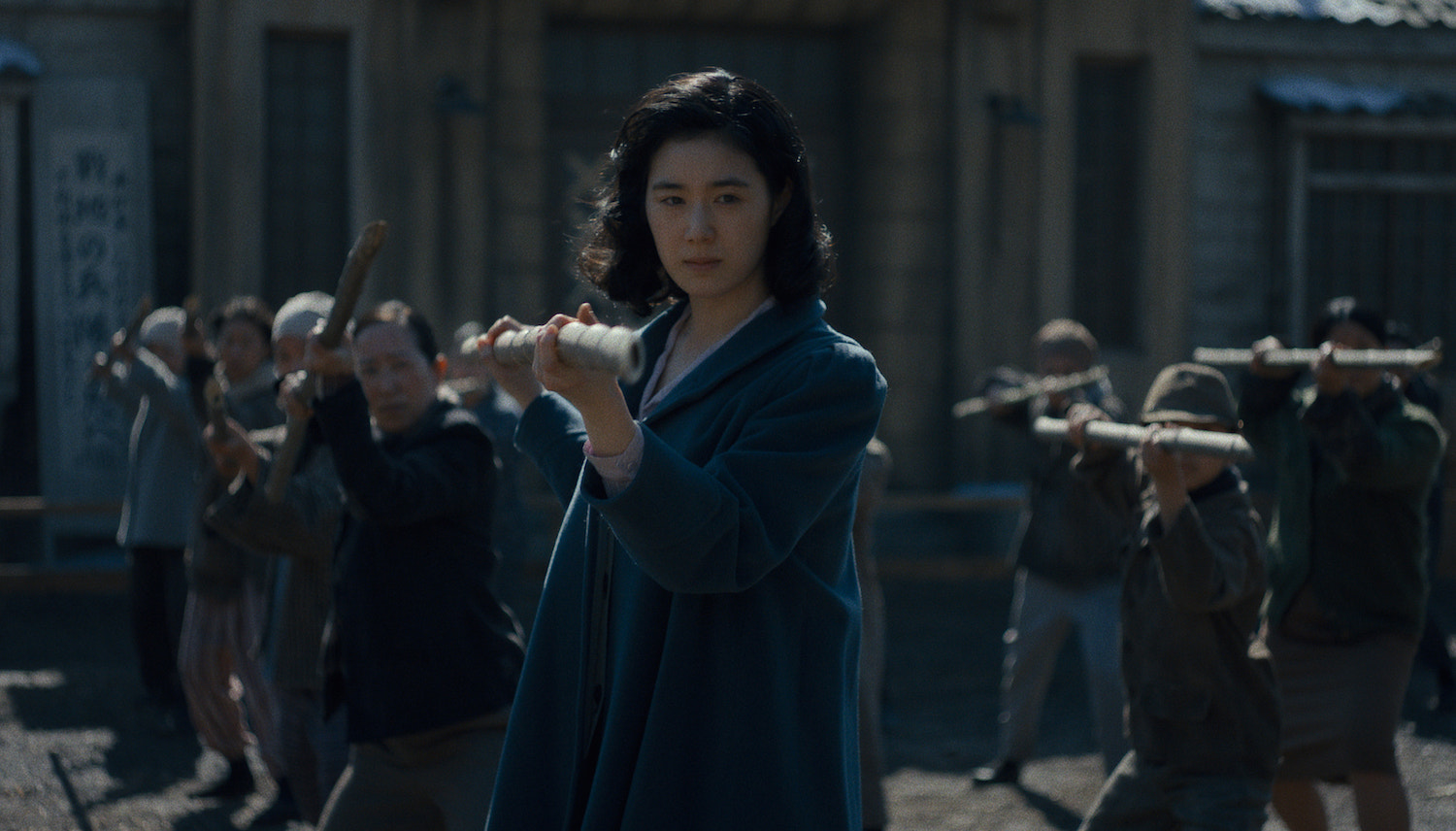
“Chapter Nine” opens in 1945, where the story has jumped forward seven years since the series’ first season. World War II is raging, as American bomber jets drop leaflets warning Japanese residents how much worse their already precarious lives could get if they don’t encourage their Emperor to surrender. Food is scarce and civilians are being prepared to fight potential invaders of their homeland, terrified by stories of what the Americans might do.
Sunja, who has made a success out of the kimchi stand she opened in an Osaka market at the end of the Season 1 finale, is running out of products to sell and worries over how she’ll manage to care for her two sons, Noa and Mosazu.
Her husband Isak is still in prison, jailed for political crimes. And her brother-in-law Yoseb, whose reputation was tarnished by Isak’s arrest, has had to move to Nagasaki to find work. But the money he was dependably sending hasn’t arrived for some time.
(If you just gasped at the combination of the words “Nagasaki” and “1945,” don’t worry, I did while I was watching too.)
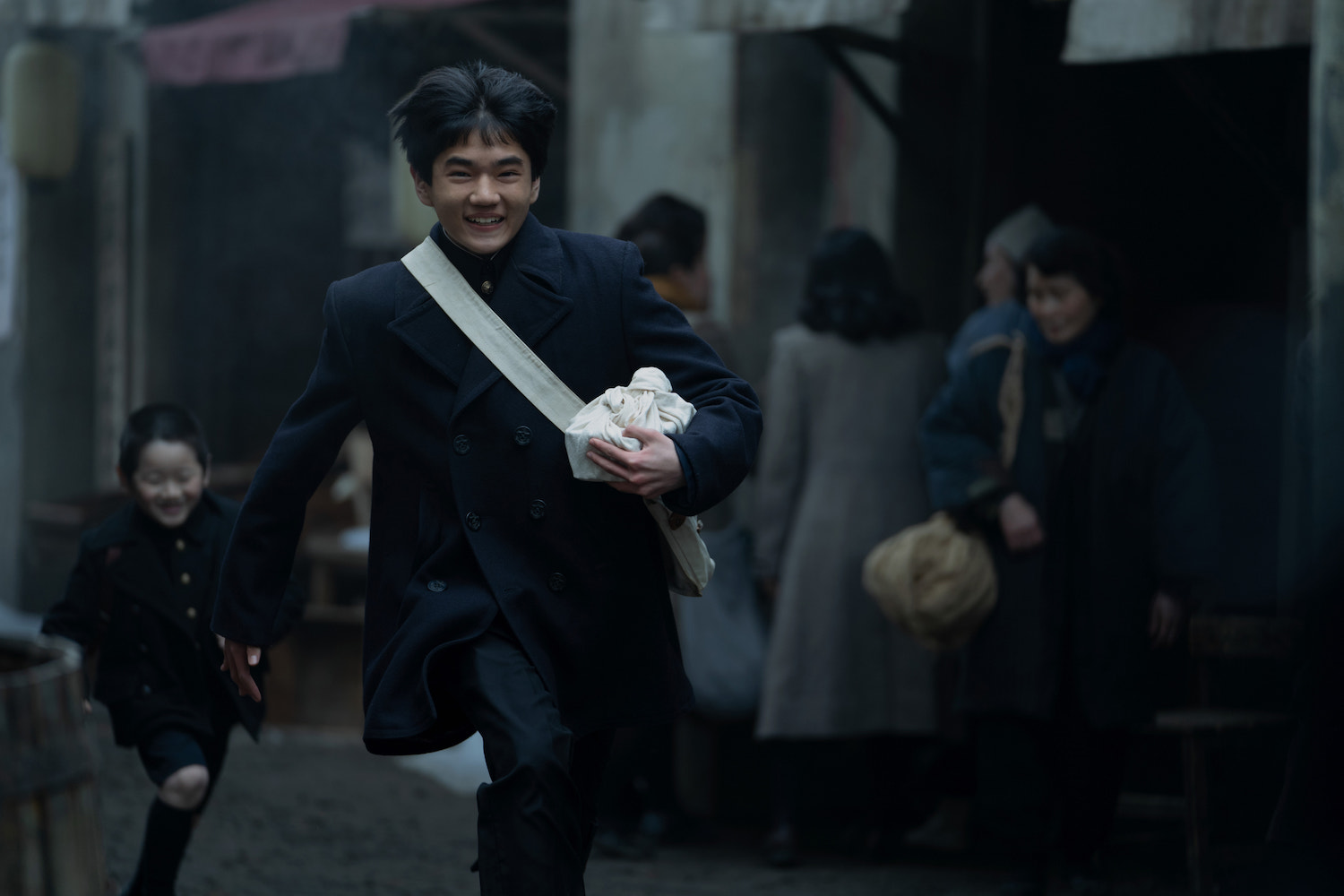
Sunja’s sons are now old enough to be characters in their own rights, and much of the premiere is about establishing not just who these two siblings are, but the ways in which they are different from each other.
Noa, the eldest, is quiet and bookish, while Mosazu is outspoken and defiant. When Sunja’s youngest is bullied at school over his Korean lunch, he performatively seizes the moment to educate his Japanese classmates about the brilliance of his native delicacies and turn their mocking against them.
But when Noa experiences something similar, he bottles up his rage, only complaining to the local pastor about how frustrated and helpless he feels.
Only when his teacher, who had been quietly allowing the bullying to continue—likely because he is a Korean man passing as Japanese and doesn’t want to display anything that might look like favoritism to another immigrant lest his secret be discovered—tells Noa to use his cleverness and intelligence to go to university and make a new life for himself does Sunja’s eldest begin to quietly contemplate a different kind of life.
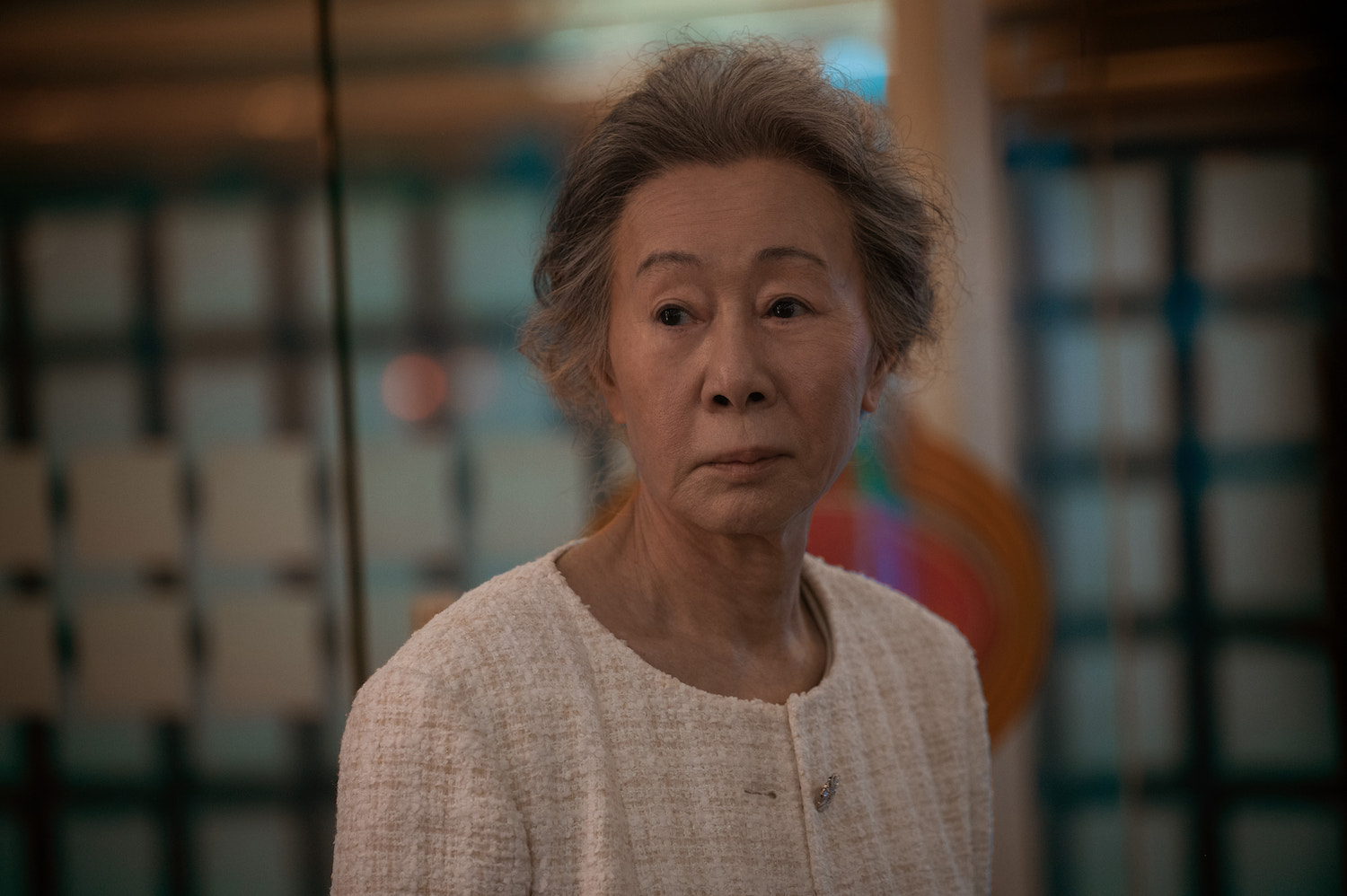
In Pachinko’s second timeline, less time has passed. It’s still 1989 and Sunja’s grandson Solomon is busy trying to pick himself back up after the events of last season. (Which, if you’ve forgotten, includes purposefully sabotaging a million-dollar deal and watching his childhood BFF die of AIDS.)
Now, Solomon is plotting to open an investment fund of his own, and is hustling for investors to back his new venture. It’s not going well. This is unsurprising when you consider the fact that his self-sabotage at Sheffley’s is almost certainly an industry-wide cautionary tale at this point, and his insistence that his failure happened because everyone involved got too emotional over the sale of a single house rings hollow when he’s the one who got the most caught up in his own feelings.
Things are looking up after a childhood friend, now a successful businessman in his own right, offers a substantial investment to help Solomon get things off the ground. But, because this is Pachinko, his joy is short-lived and followed almost immediately by heartbreak.
It turns out that Katsu Abe, a former client of Sheffley’s, has decided that his new mission in life is to ruin Solomon. He’s threatened his loan investor, convincing him to pull of their nascent deal, and suddenly Solomon seems bent on revenge, stalking Abe to an awards ceremony and glowing ominously.
Solomon’s plot remains the series’ weakest link — to be fair, Pachinko is masterful in the ways it shows the longtail impact of colonialism and racism in Solomon’s everyday life as a Korean in a country that never wanted him there. Despite being the more “modern” timeline, we see that 1980s Osaka is as brutal and unwelcoming as it has always been to the Koreans who were forced to immigrate there.
But Solomon’s reaction to his experiences — his sudden rage over a racist incident at a local grocery market, his purposeless cruelty towards the grandmother who sacrificed so much to allow him to live a life of relative privilege when compared to her own — often feels wildly over the top. It’s difficult not to resent him for his behavior, particularly when his boorish behavior is contrasted with flashbacks of Sunja’s struggles during the war.
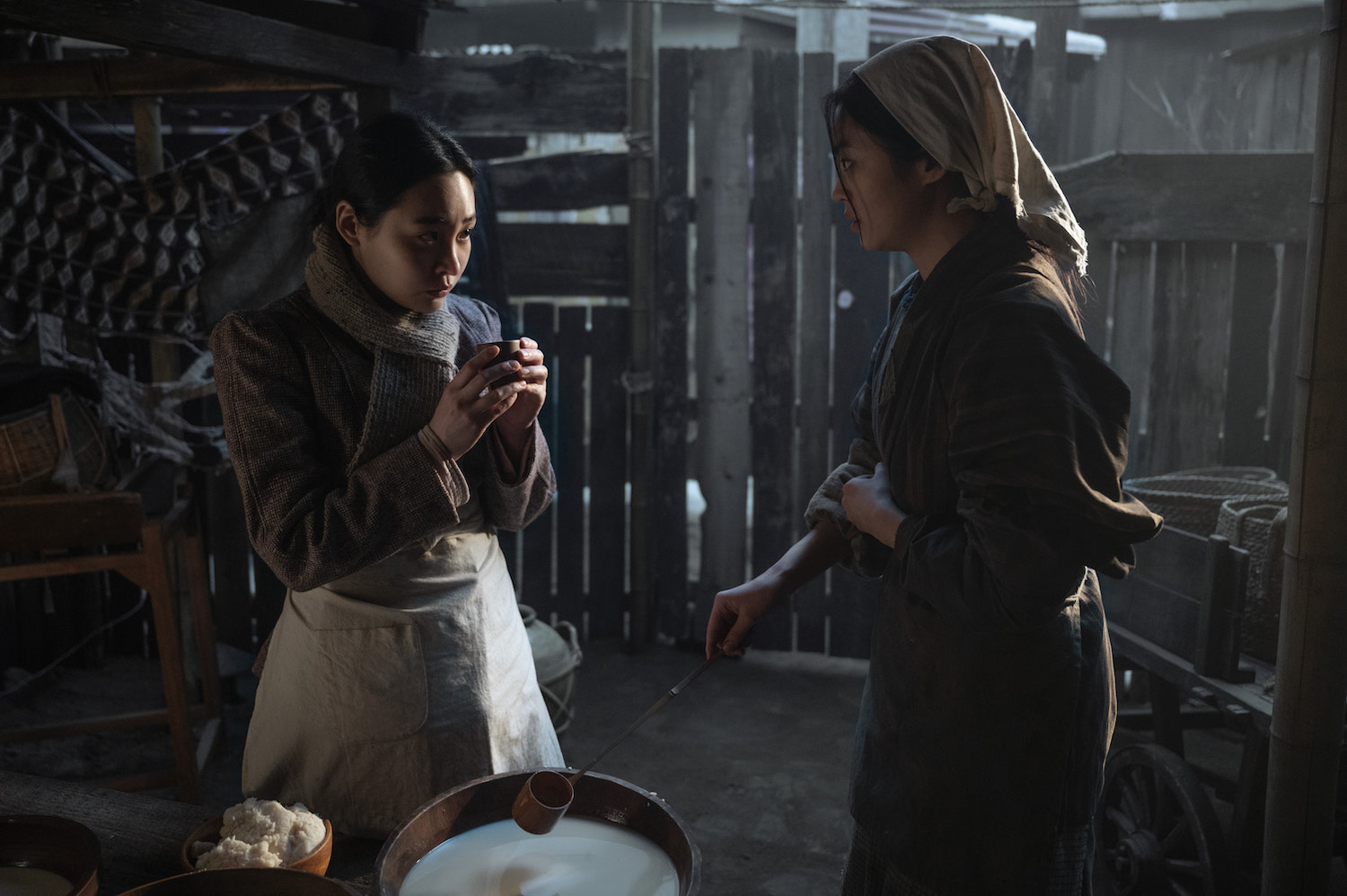
Sunja and Kyunghee, Yoseb’s wife, do their best to hold the family in Osaka together, and when Sunja meets an equally struggling young mother with an abusive husband and children to feed, she decides to take a risk. She and the young woman decided to make rice wine to sell in the black market. This endeavor also doesn’t go well.
Despite the visible care and tenderness with which Sunja crafts her bootleg hooch — it’s not an accident that the camera focuses so much on Sunja’s hands during this process or how the entire sequence mirrors the wedding dinner scene with bowls of rice from last season — she’s arrested on her first trip to sell her illicit goods.
But when she’s dragged before a judge, she’s mysteriously set free with a warning, unlike the other women, who are all given various jail sentences.
Enter Koh Hansu. It’s unlikely that anyone’s surprised that Sunju’s ex — and Noa’s father, let’s not forget — swooped in to save the day. He’s done it before, after all. But what is surprising is how easily admits to maintaining a presence in Sunja’s life. He’s pretty much been having her followed for the last seven years, using that nice Mr. Kim who was always a regular at her kimchi stand to keep tabs on her.
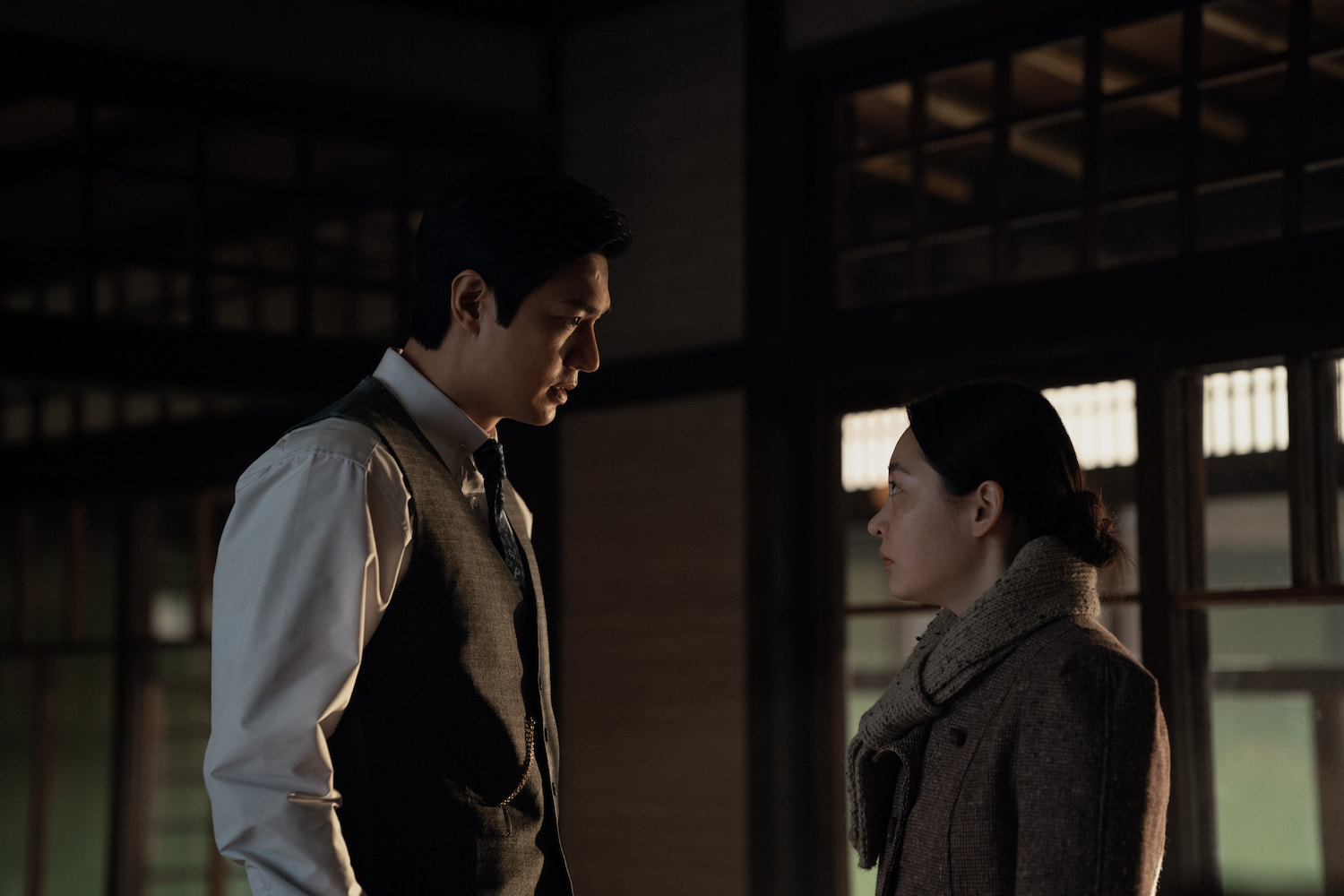
Hansu warns Sunja about the escalation of American hostilities and the coming bombing raids. He wants her to take her sister-in-law and the boys to the countryside, where they might have some hope of being safe. Sunja refuses, saying she can’t leave Isak behind in prison. The two of them star at each other for a long moment, a mix of anger and longing crackling between them before Sunja storms off, and Hansu looks relatively devastated to realize she’s come to genuinely care for the man she married.
Lee Minho and Minha Kim continue to have absolutely insane chemistry together in even the smallest of interactions, and it’s easy to see how these two will likely orbit around one another in some fashion for the rest of their lives. That Hansu has continued to worry (obsess?) over Sunja after all this time is rather romantic in its way, and the imminent threat of bombs in the streets of Osaka offers a dangerous frisson of tension to everything. It’s obvious — both from the dire nature of her family’s circumstances and the bits we’ve seen in the Season 2 trailer — that Sunja is ultimately going to take her ex up on this escape offer. But what will finally convince her?
Stray Thoughts and Observations
- Pachinko’s opening title sequence is one of the best on television and its new updated-for-Season-2 version may be even better than its first.
- Eunseong Kwon, who plays the child version of Sunja’s youngest son, Mosazu, is possibly the most adorable child actor on television.
- This episode’s quiet reminders that no matter how powerful or influential Hansu becomes, he’s still a Korean trying to gain acceptance from a group of people who despise him, and for whom he will never be good or successful enough.
- The colorful imagery of Mosazu’s pachinko parlor offers such a striking visual contrast to the glum colors of the Osaka slums from the earlier timeline.
What did you think of this episode of Pachinko? Share your thoughts in the comments below!
Critic Rating:
User Rating:
New episodes of Pachinko stream Fridays on Apple TV+.
Follow us on X and on Instagram!
Want more from Tell-Tale TV? Subscribe to our newsletter here!
Lacy Baugher

Lacy is a pop culture enthusiast and television critic who loves period dramas, epic fantasy, space adventures, and the female characters everyone says you're supposed to hate. Ninth Doctor enthusiast, Aziraphale girlie, and cat lady, she's a member of the Television Critics Association and Rotten Tomatoes-approved. Find her at LacyMB on all platforms.