

Painkiller Review: A Flat Retelling of the Opioid Crisis
This piece was written during the 2023 WGA and SAG-AFTRA strikes. Without the labor of the writers and actors currently on strike, the series being covered here wouldn’t exist.
Netflix takes a turn telling the story of Purdue Pharma and the devastating opioid crisis it unleashed with its new limited series, Painkiller. Micah Fitzerman-Blue and Noah Harpster wrote the series, while Peter Berg and Dan Skene directed it.
For viewers that also watched Hulu’s Dopesick, watching Painkiller will feel like a familiar experience. Not just because the series covers very similar material either.
Painkiller is also structurally similar to Dopesick. Specifically in the way it weaves together four interconnected threads of a very complex story. Like Dopesick, there is the investigation into Purdue Pharma and a look behind the scenes at the Sackler family and their top executives.

There is also a focus on the pharmaceutical reps recruited to push Oxycontin on doctors and a fictionalized account of a family shattered by addiction.
Unfortunately, Painkiller lacks the same emotional punch and political bite as Dopesick. This is less because it treads familiar ground and more because of its execution.
The opioid epidemic is a story that deserves to be told more than once from different perspectives and different angles. It is also important not to let the Sacklers fade from our collective memory.
Reminding viewers who these people are and pushing back on their attempts to recast their legacy is a good thing.
Moreover, despite the structural similarities between the two series, there are enough tonal and stylistic differences that it would be unfair to call Painkiller a rehash or imitation of the 2021 series.
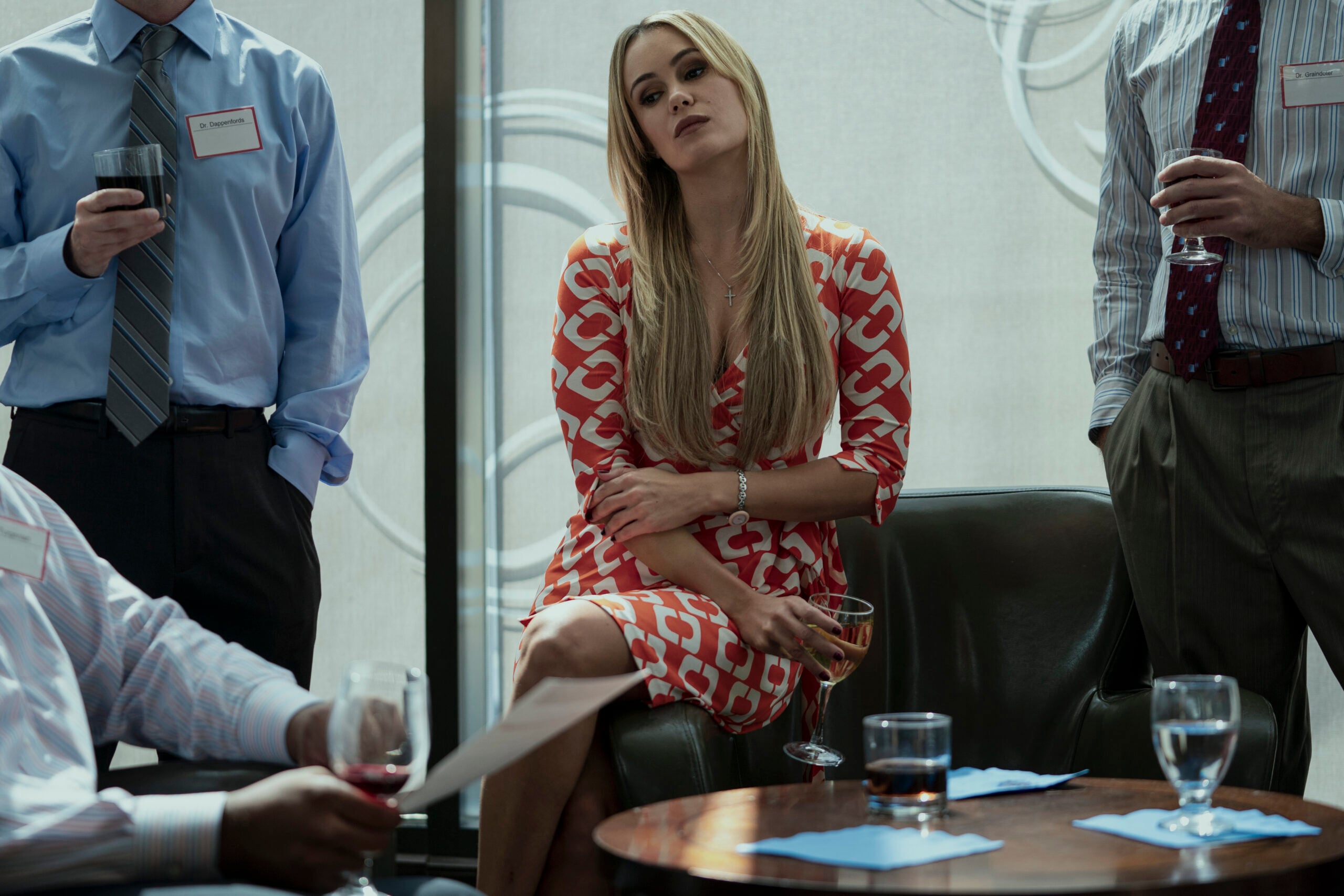
It’s possible (maybe even likely) that for those unfamiliar with egregious details of what the Sacklers did and the havoc they caused, the story is shocking enough to carry the series on its own. Without that revelatory aspect, though, Painkiller is adequate but mostly lifeless.
I won’t fault the series for revisiting the story of the opioid crisis. However, there is an expectation that the series brings something fresh to how it tells a familiar story, and that’s where Painkiller fails.
There are two main issues with the series. First, its style gets in its way. Generally speaking, I am a fan of movies and shows with unique visual styles. When done well, it enhances the themes and is as much a part of the storytelling as the dialogue.
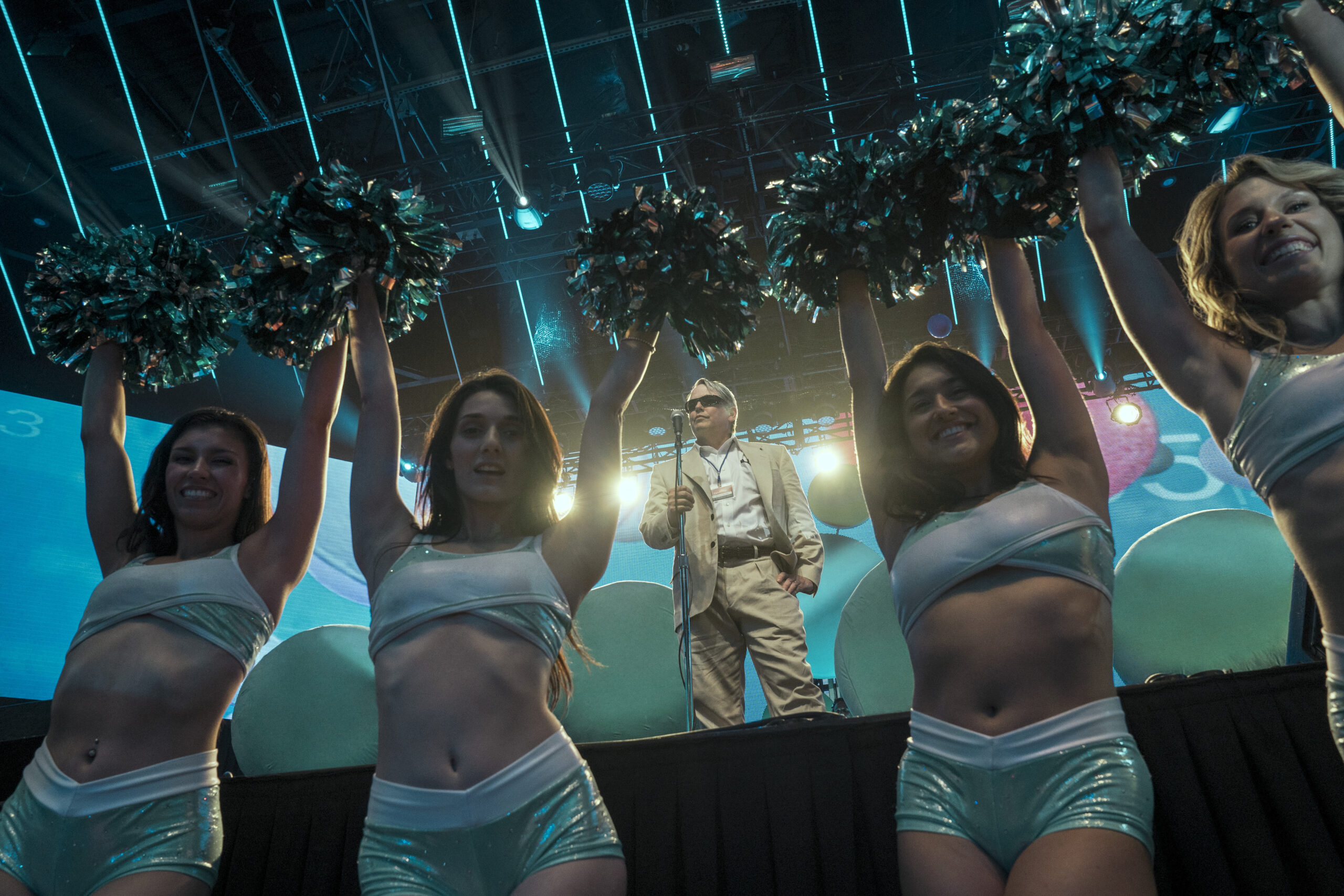
There is a version of Painkiller where the show does just that. A version where the more stylized aspects the series uses for the scenes depicting the Sackler and Purdue executives underscore the appalling greed and hubris that motivated their decisions.
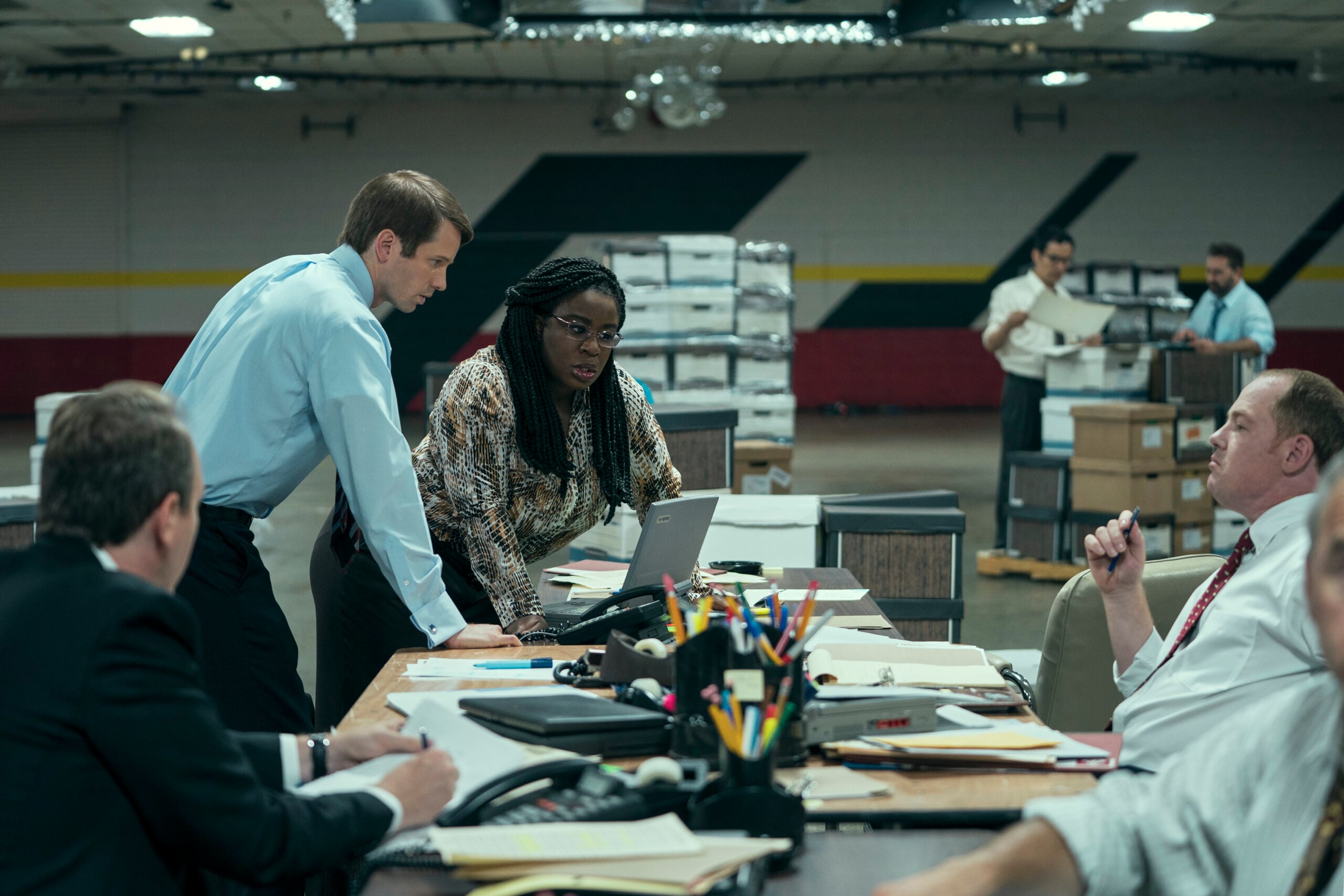
It could have been particularly poignant when juxtaposed with the more grounded raw style of the scenes dealing with the impact of their actions.
Instead, the stylistic changes feel disorienting, and the more stylized scenes are distracting. It makes the Purdue players satirical abstractions instead of tangible villains. Rather than elevating the story, the style just feels like unnecessary noise.
The more significant problem with Painkiller is that the emotional beats aren’t terribly effective, and the characters aren’t particularly engaging.
The series doesn’t build its characters’ stories in a way that brings viewers in. With a few exceptions, it jumps from inflection point to inflection point. It expects viewers to fill in the gaps rather than earn emotional investment from them.
The perfect example of this is the series’ main character Edie Flowers, played by Uzo Abuda.
On the first episode, there’s a scene that shows Edie so traumatized by the investigation that she can’t even sit in a chair once used by Richard Sackler. She can’t even stand to be in the same room with the chair.
The series certainly shows why Edie has a personal investment in the case. And to be sure, those are the moments where Abuda’s craft and well-earned reputation as an exceptional talent breakthrough.
What the series doesn’t show is the actual investigation taking a toll on her. Throughout the series, she is depicted as a dogged investigator determined to take down the bad guys.
We don’t get to see her exhaustion or the creation of the scars caused by throwing herself so completely into this case.
We can undoubtedly intuit intellectually how traumatizing an investigation like that would be, but that doesn’t mean we feel it. Without that, it’s near impossible to invest in her story.

That pattern happens with just about all the characters. Perhaps most surprisingly, it also happens with Matthew Broderick’s Richard Sackler.
Richard Sackler is a villain tailor-made for the screen. He’d be a cliche if he weren’t a real person. And yet he is one of the most flat characters of the series.
There is some attempt to create a certain pathos for Richard through the ongoing influence of his dead Uncle Arthur. Narratively, how they choose to do that is sort of interesting, but it doesn’t make Richard a more interesting villain.
Even if the point is to explore the banality of evil by portraying Sackler as a mild-mannered businessman working a flawed system, it lacks teeth. This is probably the most disappointing of all the things that fall flat on Painkiller.
The most emotionally impactful moments of the series are each episode’s introduction by real people who had lost children to the epidemic. These intros are heartbreaking and do more to bring viewers into the story than anything happening in the narrative.
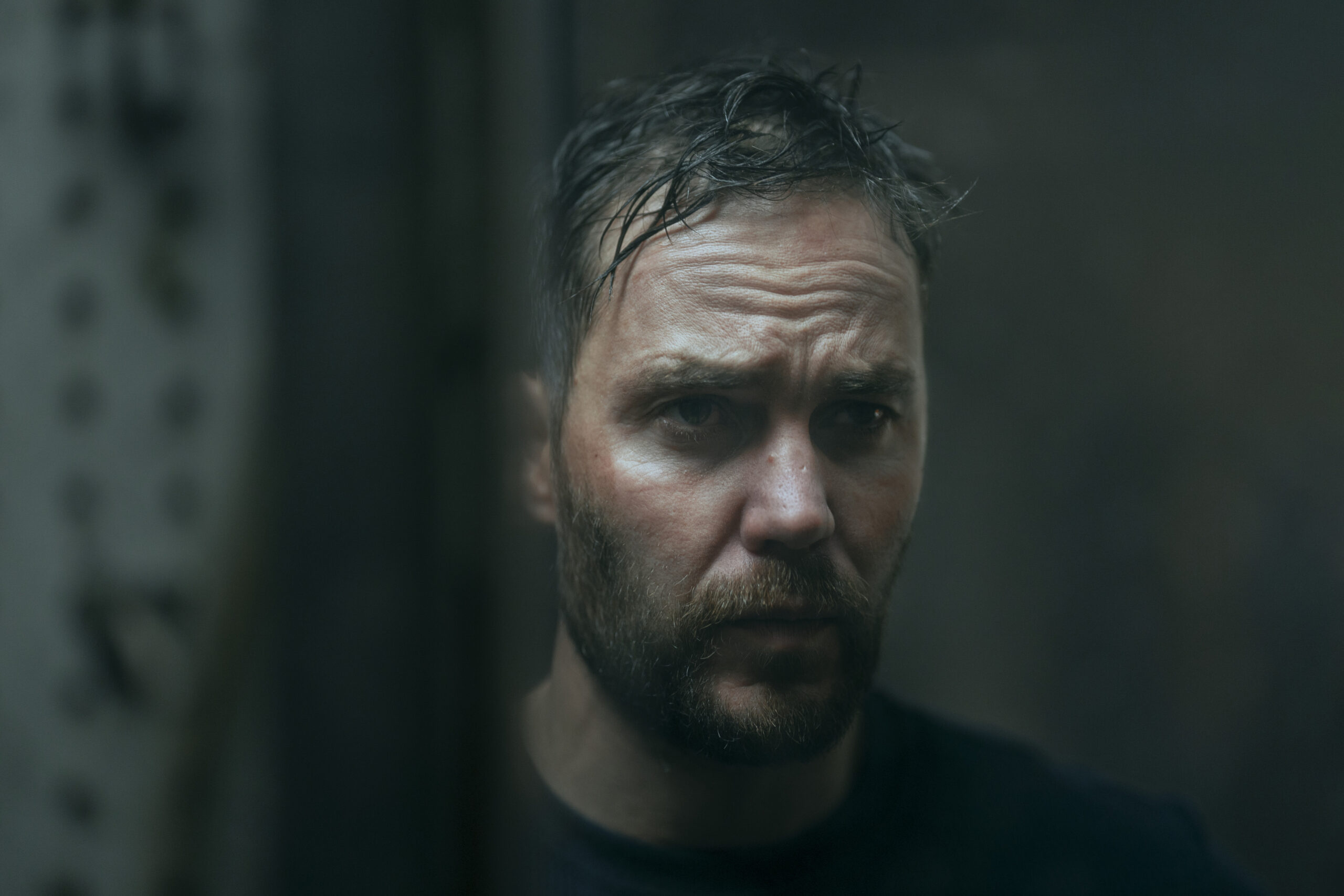
Painkiller is by no means terrible. My review thus far probably comes across as a bit harsher than I mean it to. I appreciate how the series broadens the scope of Purdue’s misdeeds beyond its actions concerning Oxycontin.
The series very clearly — and perhaps where it is most successful — frames the Oxycotin crisis as the inevitable result of a corporate culture that for decades put profits before people with reckless disregard for the repercussions.
It’s an indictment of the pharmaceutical industry that Arthur Sackler helped shape and Richard Sackler exploited. Unfortunately, despite that, the series fails to tell a story as evocative as the events it’s based on.
What did you think of Painkiller? Share your thoughts in the comments below!
Critic Rating:
User Rating:
Painkiller is currently streaming on Netflix.
 Follow us on Twitter and on
  Instagram!
Want more from Tell-Tale TV? Subscribe to our newsletter here!
Sarah Fields

Sarah is an obsessive geek who likes to get into the weeds and over think things. She is passionate about Sci-Fi and comics and is a giant classic film nerd. Sarah cares deeply about media representation and the power of telling diverse stories. When she's not writing or watching her favorite shows she spends her days working in the non-profit world trying to make life a little better for those that need some extra help.