

The School for Good and Evil Review: An Entertaining But Flawed Fairy Tale
The School for Good and Evil transports us to a magical world where fairy tale characters are real, and they go to school to train to become heroes and villains before beginning their own stories.
This is a visually stunning film, which is exactly what you want with fantasy stories. You really feel immersed in the school, no matter which side you’re on, and it’s fun to notice all the ways the two sides differ from each other.
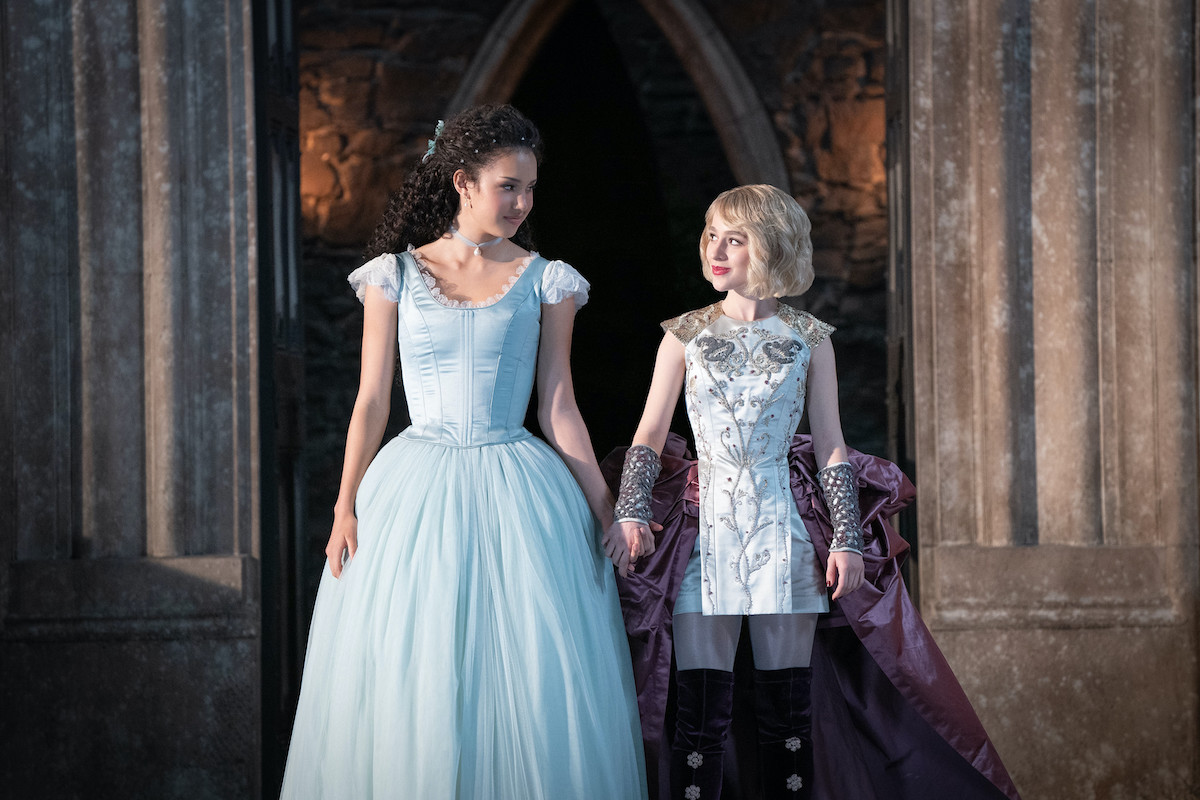
Overall, The School for Good and Evil is entertaining, despite its flaws.
Between the stunning set designs and extremely talented cast — they all deliver stellar performances — you’re captivated by the story. You can even forgive the fact that its a two and a half hour film, although the film does start to drag a bit around the trial by tale.
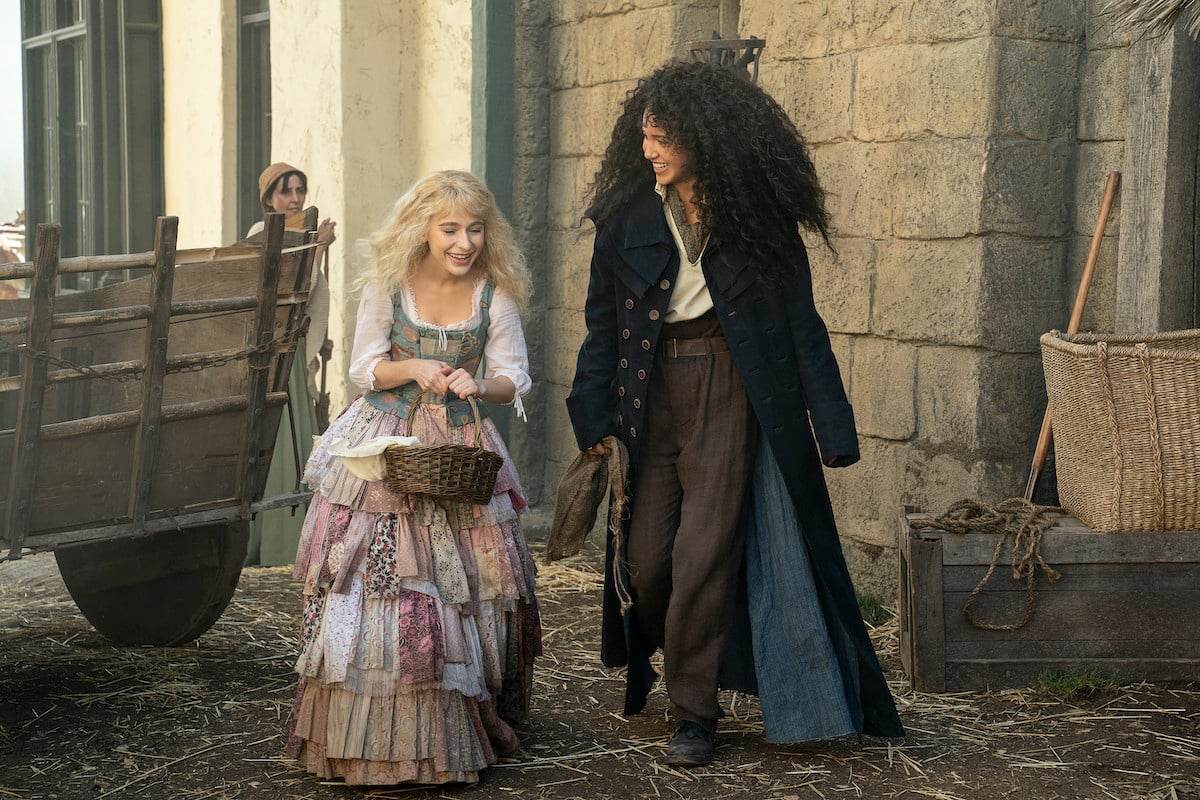
At the heart of the film is Sophie and Agatha’s friendship.
The film would not work half as well as it does without them. They’re our lifeline in this new, magical world, and when it starts to feel a bit ridiculous, we have them (or at least Agatha) to keep us grounded in reality.
Still, they can’t save the film entirely, and there are some parts where it struggles.
Too Black and White
The School for Good and Evil repeatedly makes the point through Agatha that humans are not good or evil; life is too complex for such a black-and-white view.
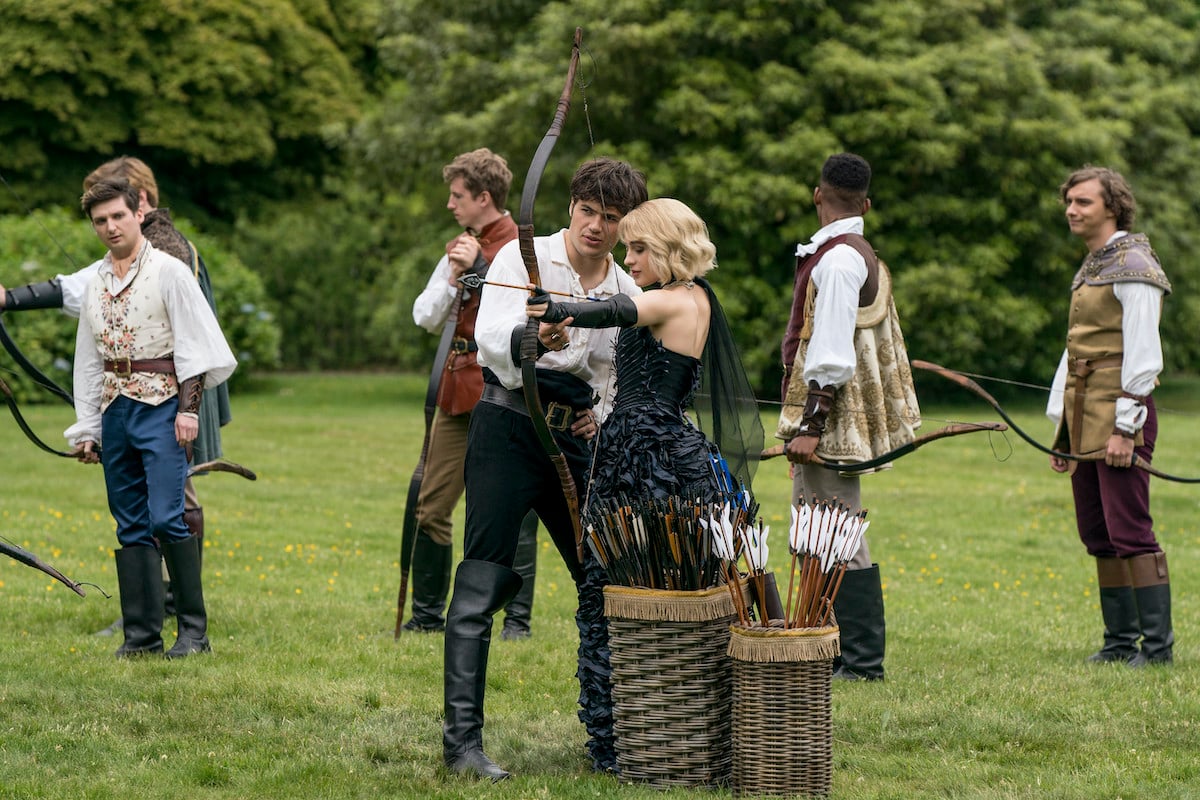
The film showcases how sad the world would be if it was that simple through the characters in both schools with only Agatha and Sophie as contrasts, showing us how real people act in various fairytale situations.
It’s a valid point to make, but by having the film really focus on it, the rest of the characters suffer. It’s difficult to like anyone outside of Agatha and Sophie, and you start to struggle to even like Sophie as she journeys further into darkness.
The majority of the characters are stereotypical archetypes of what a hero or villain should be. The heroes suffer more on this front. Aside from Gregor, everyone at the school is hard to like.
Tedros has his moments of fun banter with Agatha, but then he does something annoyingly male and “saves” her from a moment she didn’t need to be saved from. We’re prevented from liking him too much because he’s confined to behaving as a good hero does.
This is also why it’s hard to ship him and Agatha. Sure, there are one or two flirty moments, but we are so far from true love, and when he tells her that he loves her, your first instinct is to laugh or roll your eyes.
The villains don’t suffer as poorly. They’re a bit more fun and rebellious, and it’s so much more fun to spend time with them. Hort is an absolute delight, as is Dot and her magical chocolate.
The Failure of Rafal’s Victory and Demise
The more I think about it, the more the scene with Rafal and Sophie in the Schoolmaster’s office doesn’t work.
It’s the unveiling of Rafal’s evil scheme, him getting his victory, and Sophie realizing that she’s messed up big time. These are such crucial moments in the film, and it’s a shame that they fall flat.
The fact Rafal and Sophie have true love’s kiss is mindboggling.

There’s zero romance or attraction in any of their interactions. I’ve read enough enemies to lovers fantasy books to have picked up on the cues, and there are none.
He’s preying on her desire to be recognized as good and get the happily ever after she desperately wants; it’s manipulation. Rafal wants power and true evil to rise. He never appears to fall for her at any point in time, and Sophie definitely never looks at him in a romantic sense.
So it’s impossible that true love’s kiss occurs unless we go with Agatha’s theory that any kiss can be true love’s kiss.
And then there’s Sophie’s change of heart.
It happens way too quickly and at the wrong moment. Sophie coming to her senses when Rafal tries to kiss her would’ve worked better. The switch from power to “you’re my true love,” would’ve made any woman back up and go, “wait, what?”
Instead, Sophie realizes the error in her ways when Rafal mentions that everyone in the school is going to die. Not wanting a bunch of people to die is a valid reason for changing your mind if you hadn’t just been inciting an all-out war between the schools.
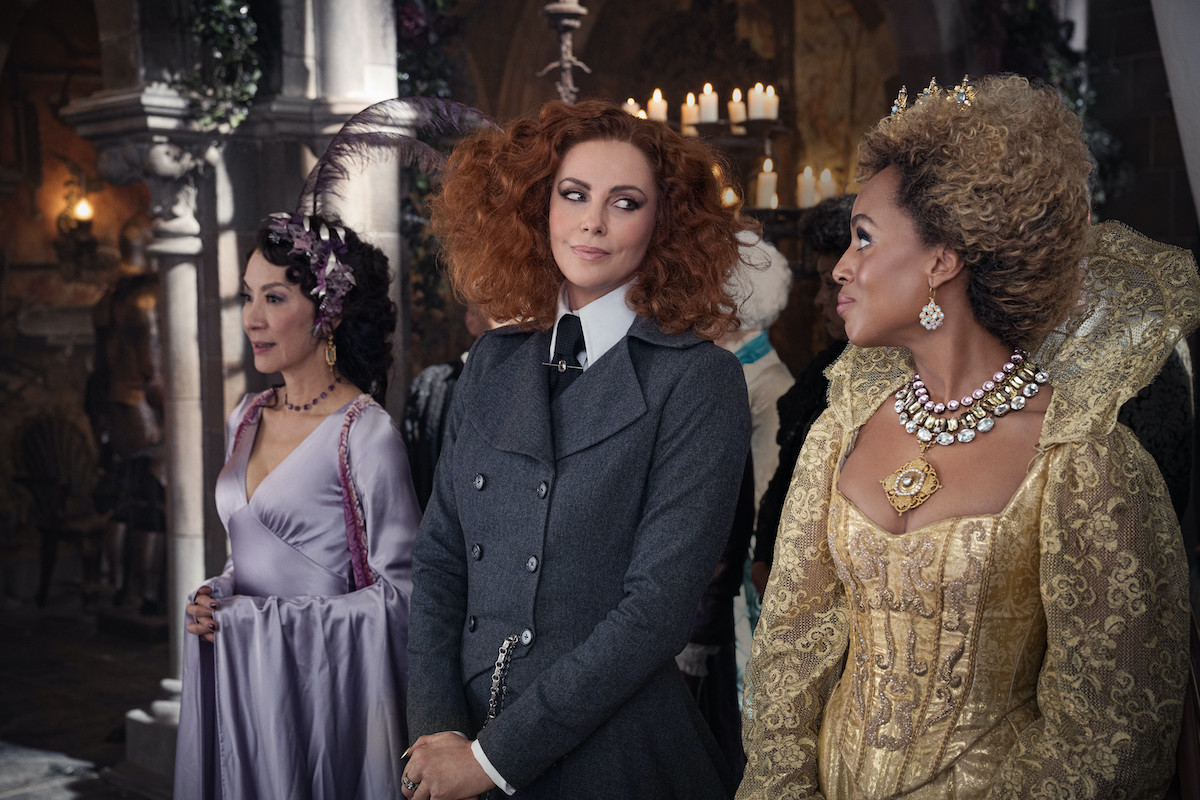
It’s unclear if we are supposed to believe that the students are not well-trained enough to actually kill someone in this battle or if they are unwilling to take it to that level during their fight.
Sophie’s change of heart falls flat, and while we know she was never a truly evil person, we deserve this moment to feel a bit more realistic.
The School for Good and Evil: The Sequel
The ending of the film suggests that Tedros and the school aren’t quite done with Sophie and Agatha yet.
At this point, I don’t know that I necessarily want to see more. Sophie and Agatha’s story ends nicely. They’re together in their own world, and they still have their magic. I don’t care enough about Tedros’ “love” for Agatha that I want to see them reunited.
The only thing I would want a sequel to explore is something the film commented on but never took the extra step to show being fixed — how Rafal ruined the School for Good from the inside, making it stupid and vain.
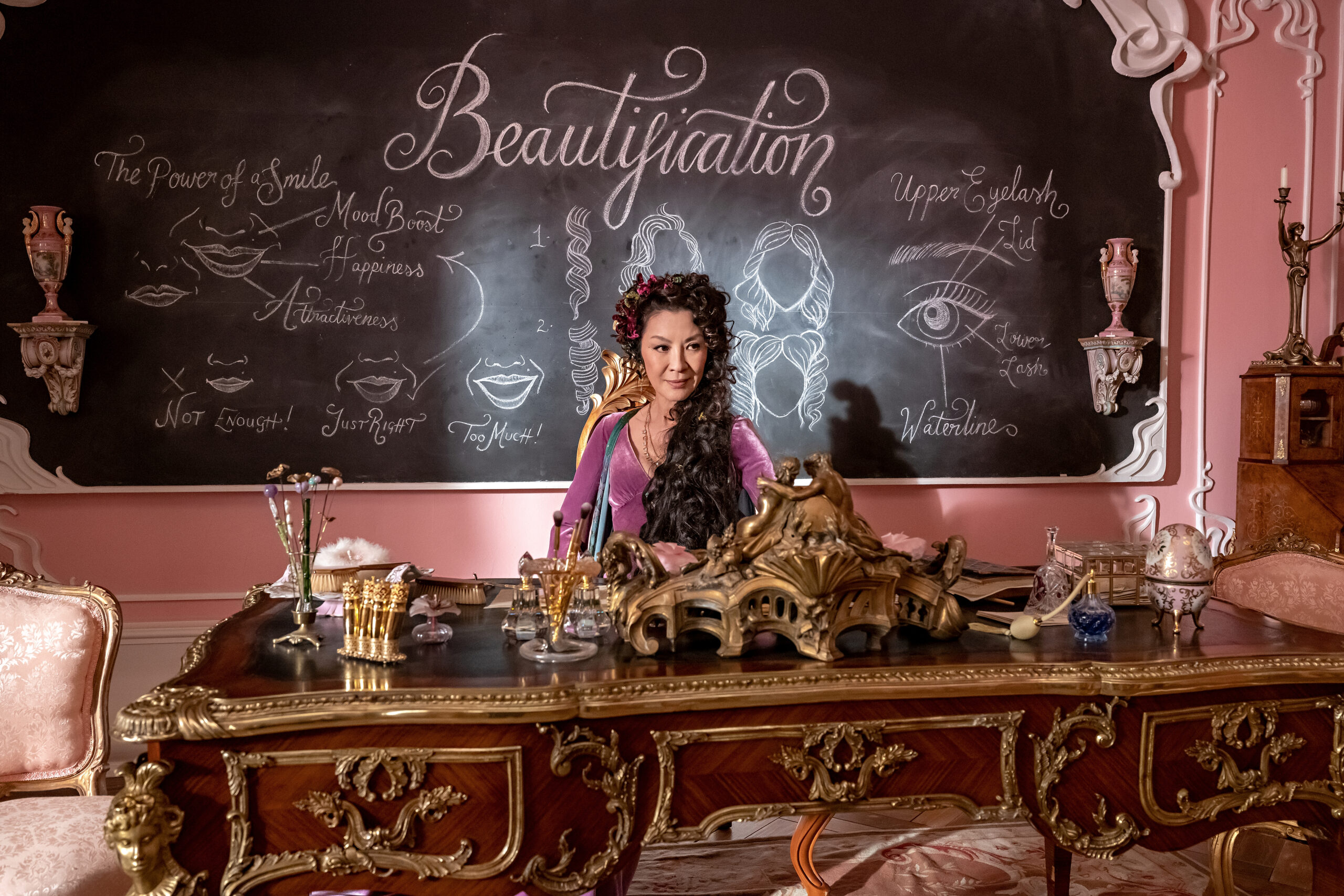
This is such an interesting development, and it helps explain why you can’t quite get on board with the school throughout the film. Professor Anemone mentioning how she was once the head of the magical mystery department shows that the school was once actually decent and not a mockery of itself.
I would love to check back in and see a whole new curriculum being taught, as would Agatha.
However, none of the staff know that Rafal posed as the schoolmaster and corrupted their school, so unless Tedros tells them off-screen, I’m not sure this transformation would happen.
Despite the film’s issues, it’s still a fun way to spend two and a half hours. If a sequel were to come out, I would definitely tune in. Would you?
What did you think of The School for Good and Evil? Share your thoughts in the comments below!
Critic Rating:
User Rating:
The School for Good and Evil is now streaming on Netflix.
 Follow us on Twitter and on
  Instagram!
Want more from Tell-Tale TV? Subscribe to our newsletter here!
Allison Nichols

Allison is in a love affair with television that doesn't seem to be letting up anytime soon. Slightly damaged fictional characters are her weakness. She loves to spend her free time curled up with a cat and a show to binge-watch. Allison is a Tomatometer-approved critic (Rotten Tomatoes).
One thought on “The School for Good and Evil Review: An Entertaining But Flawed Fairy Tale”
** SPOILER FOR THOSE WHO HAVEN’T WATCHED THE FILM **
Wouldn’t Prince Charming go to the school wondering how his son, Gregor, was killed and why he was put in such a helpless situation to not defend himself by Tedros? I hated the character and the movie from that point on (it was getting a bit too unbearable before then anyway actually).
Comments are closed.