
Shining Girls Review: 30 (Season 1 Episode 8)
Shining Girls Season 1 Episode 8, “30,” actually does a fairly decent job of tying up a lot of the outstanding loose ends in the series’ story, but whether or not viewers will find it a completely satisfying conclusion is another question entirely.
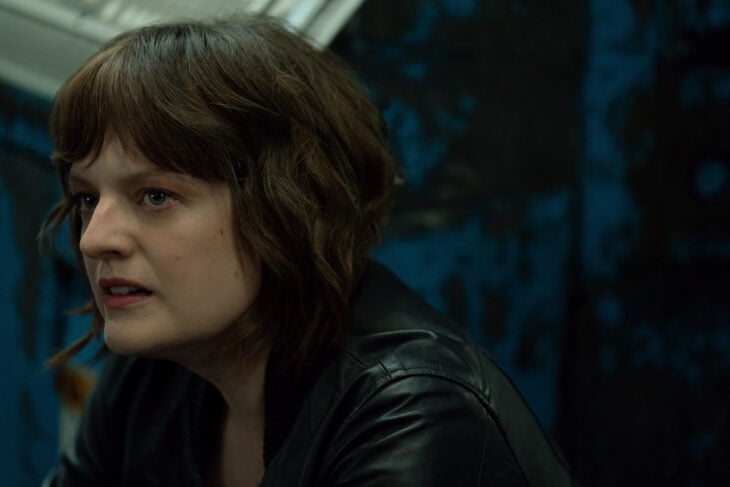
Most importantly, Harper gets what’s coming to him—Kirby uses all her smarts and survival skills to navigate a reality that’s shifting more quickly and strangely than ever before to track him down, kill him, and then travel back in time herself to stop him from ever claiming the house in the first place.
Instead, Kirby herself seems to take it over and ends the story a time traveler in her own right, whose story has largely been subsumed by the house. (Which may or may not be some sort of malevolent force in its own right, the show’s never too clear on that point.)
But Shining Girls does little to really unravel what all this actually means—whether Kirby too will eventually be driven some degree of mad by the near-immortality the building appears to grant to its owners or if she can ever choose to return to her real life again.

To be fair, this episode is certainly propulsive and exciting to watch. As Jinny gets a crash course in how to live a life she doesn’t recognize and can’t trust, Kirby’s world shifts more and more rapidly.
Jinny nearly gets arrested after the office workers decide she’s a madwoman Kirby goes from being an ace reporter back to an archivist within the space of three scenes. She finds out Marcus is married, just not to her. She can’t find her mother. She doesn’t know half her cowokers. And, finally, no one in her office remembers her at all.
There are implications everywhere that reality is fraying all around her, and the tension becomes nigh-on excruciating.
But I’m not sure that Shining Girls ever fully pays off in any of that in any real, concrete way.
In many ways, it’s hard to view the ending of Shining Girls as a particularly happy one. After all, Kirby never gets to live the life she had worked so hard to claim, and her potential is still essentially squandered on the wreckage that her attack made of her life.
Yes, her reality has stopped shifting—or at least now only shifts when she tells it to, but the thought of everything she’s lost forever in order to get to this point is more than a bit disheartening.
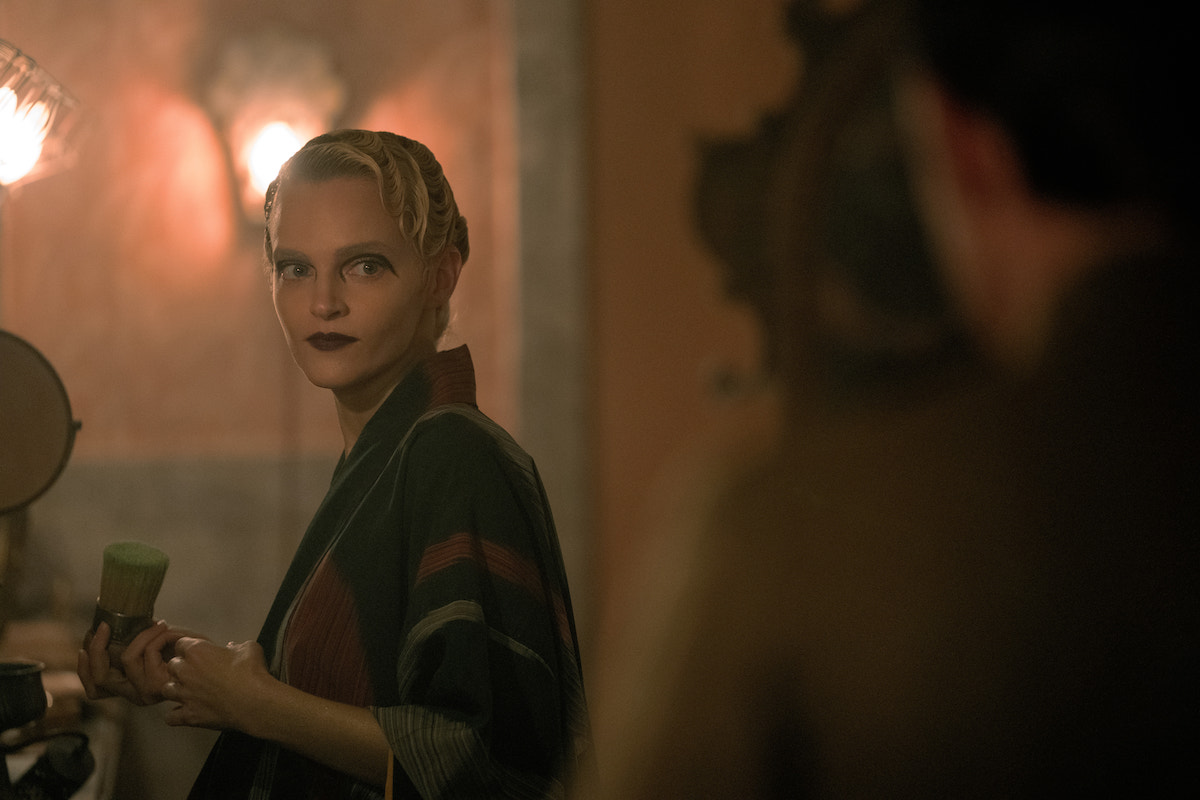
On the plus side, her sacrifice seemingly resurrects all the girls that Harper murdered and reinserts them into their lives of potential, even Jinny, who finally gets to give that groundbreaking observatory presentation for real. (Third time is the charm, I guess!)
That’s no small thing. But, beyond the warm moment where we get to see glimpses of Julia Madrigal, Jinny, and the other former victims normally living their lives, there’s little in the way of catharsis here.
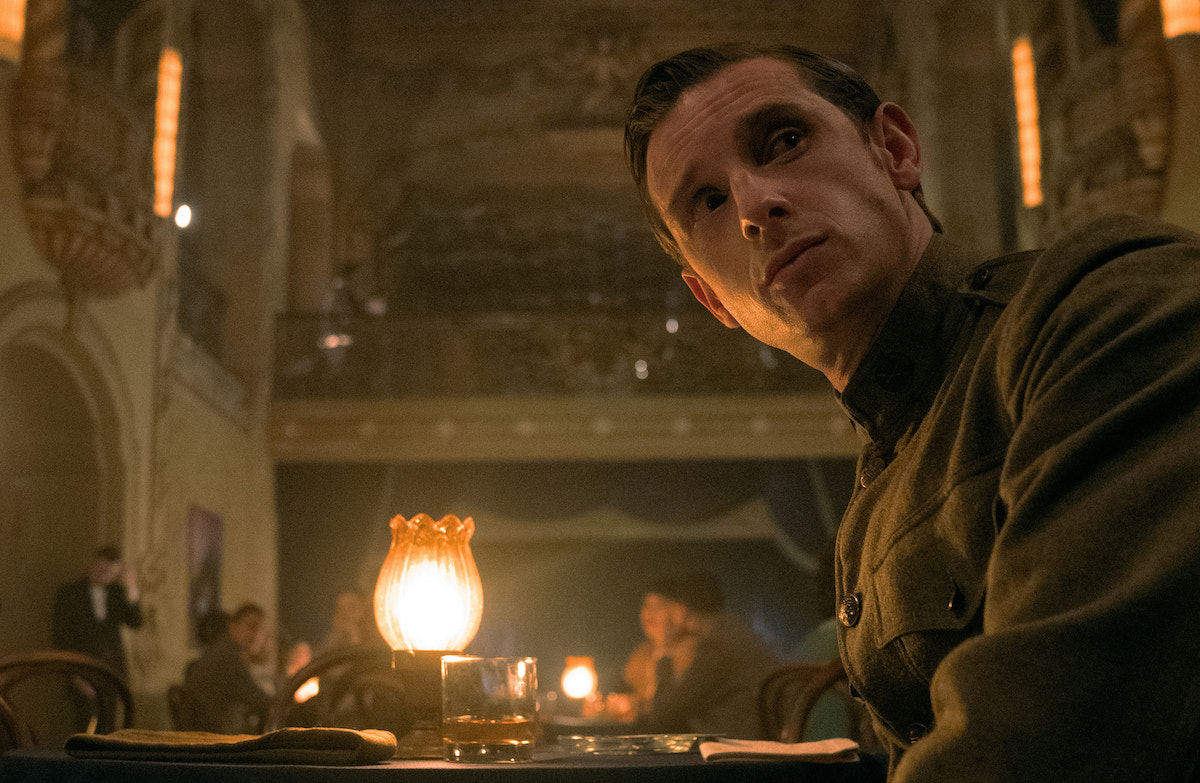
Shining Girls doesn’t really offer us many concrete explanations for why any of the things in its story take place. What drove Harper to keep killing women? Was he just a garden variety misogynist? A man who would have been a serial killer no matter what era he ended up in? How did he find and target all these women? Or are we supposed to assume the house somehow drove him to it?
That’s probably the biggest issue that I have with the ending of this show, to be honest. While the basic beats of the story are technically wrapped up, there’s so little meaning given to any of it.
Beyond the fact that Harper didn’t manage to kill Kirby—and later, Jinny—why are their lives connected the way they are? Why do their realities seem to exist in tandem? The show seems to suggest that these women’s continued existences break some sort of fixed point in the timeline, which is why other lives (Dan, for example) are swapped for theirs, or the reason reality seems to reject them. But the show not only makes none of this explicit, it doesn’t even tell us the most basic facts about how its world works.
What is the house? Where did it come from? How does it do what it does? Why did Harper need to return to it within specific windows of time?And why did Leo seem to go crazy despite the fact that he wasn’t the one controlling it? Will Kirby go mad someday too?
There’s so much about this show that’s really entertaining and ambitious. And maybe that means it was never going to be able to fully explain things or give us a proper ending that wraps everything we’ve seen up in a bow. It’s a speculative genre piece–it’s okay if there are things we’ll just never understand simply because we can’t. But I also want to believe that this is a show that at least has a vague sense of the rules of its own universe, and by the end of it all, I’m not really sure it ever did.
After all, there’s a difference between giving viewers incomplete answers and simply deciding to forego giving them any answers at all. And Shining Girls, unfortunately, is far too much of the latter for me.
Stray Thoughts and Observations:
- The opening scene set in the mid-1800s seems to imply that the house—or whatever powers the house—has always been where it is, even before a neighborhood existed there. How? No idea, and if this was something that Shining Girls felt was necessary to bring up, I wish they’d have explained it further. (The immigrant guy that finds it—that’s the same man Harper and Leo meet, right?)
- How does Klara in the past suddenly know all of Harper’s secrets if none of their trips have happened yet?
- Why is Leo in the asylum in the first place? Earlier episodes implied he’d gone crazy becauase he was away from the house too long—but if that’s not true then why did he leave it? And if Harper threw him out why is he visiting him?
What did you think of the final of Shining Girls? Share your thoughts in the comments below!
Critic Rating:
User Rating:
Shining Girls is now streaming on Apple TV+.
 Follow us on Twitter and on
  Instagram!
Want more from Tell-Tale TV? Subscribe to our newsletter here!
Lacy Baugher

Lacy is a pop culture enthusiast and television critic who loves period dramas, epic fantasy, space adventures, and the female characters everyone says you're supposed to hate. Ninth Doctor enthusiast, Aziraphale girlie, and cat lady, she's a member of the Television Critics Association and Rotten Tomatoes-approved. Find her at LacyMB on all platforms.