
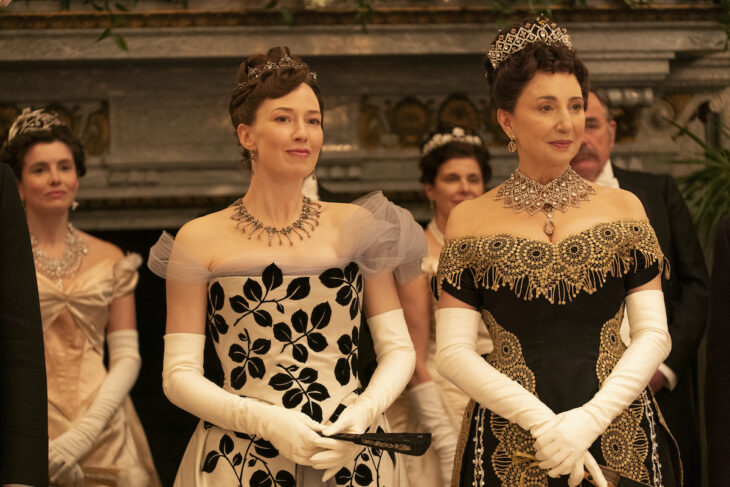
Why ‘The Gilded Age’ Doesn’t Fit in the Current TV Landscape
The new HBO show The Gilded Age recently concluded its first season, pleasantly, without much of a cliffhanger.
Throughout the season, the show was the butt of Twitter jokes, regarding the flimsy low-stakes drama of the slow-placed rather non-risqué soap opera: the new and old wealth of New York, servants’ lives, formal courting of romances, and Meryl Streep’s daughter.
Among the flaws, the show is entertaining enough, but it’s worth asking: Does The Gilded Age work in the year 2022?
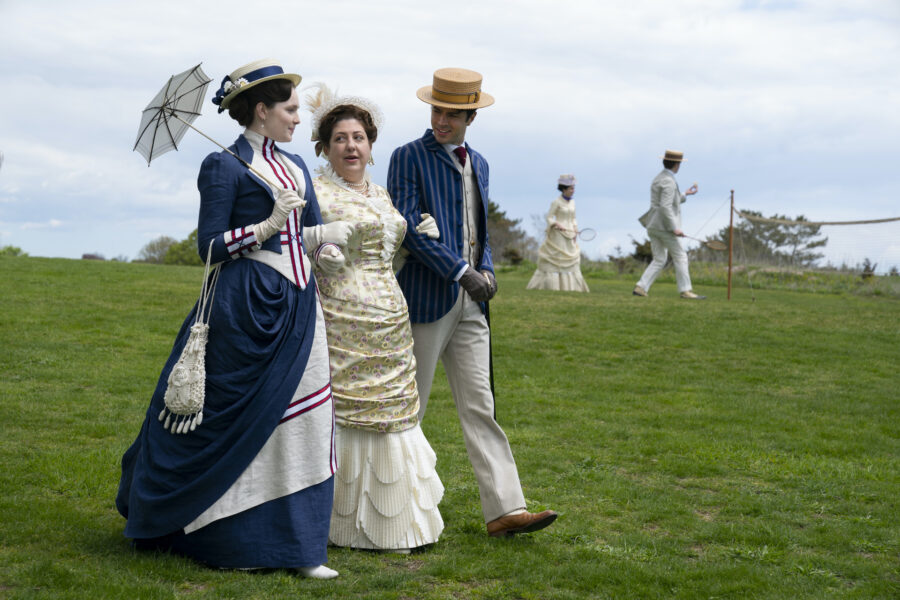
Creator Julian Fellowes intended the show to be the American response to Downton Abbey, his hit series that premiered in 2010, showing for six seasons on PBS’ Masterpiece Classic.
Back in 2010, Downton Abbey was everything to the television world. The perfect mix of British snobbery and over-the-top drama captured American audiences who might not usually be drawn to costume dramas.
Downton Abbey is not action-packed. It’s a slow burn with beautiful cinematography, elaborate plot webs between the servants and aristocracy, and complexly dynamic characters. There’s a balance between the upstairs and downstairs that seamlessly integrates together.
The Gilded Age follows nearly the same formula, down to character equivalents: Marian Brook is Lady Mary (even in the name), Bannister is Carson the butler, Aunt Agnes is Lady Violet (both happen to be widows and played by prominent actresses). There are discussions at dinner time, walks in the park, and large parties where intrigue occurs through dialogue.
The opening credits feature the same montage of daily moments of each show’s society, muddling the upstairs and downstairs together. Servants court each other, mimicking plot lines.
Of course, there are differences — differences that make Downton Abbey work better, in my opinion.
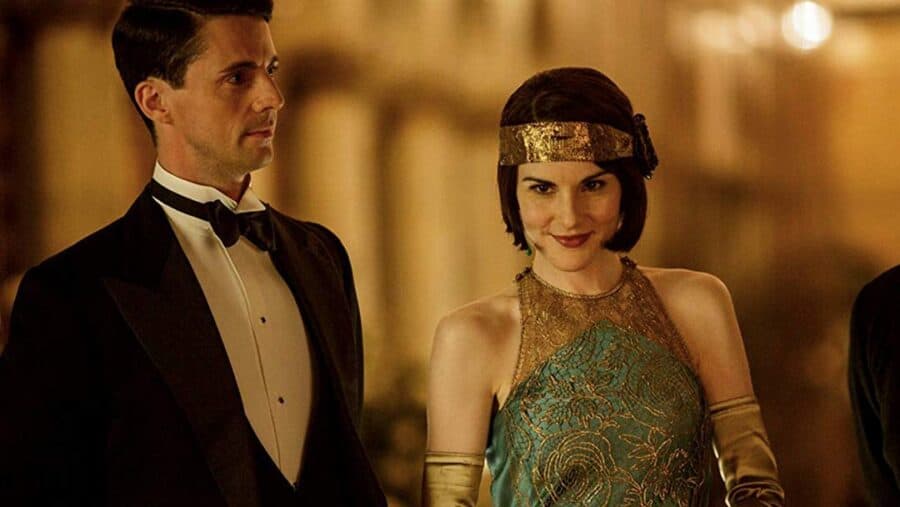
In the infamous third episode of Downton Abbey‘s first season, the dashing young Mr. Pamuk dies in Lady Mary’s bed. There’s a dramatic scene where Mary’s maid and mother help her carry the body through the halls back to his guest room. It’s shot in dark colors with suspenseful music reminiscent of classic horror films.
It’s scandalous and shocking. And it hooked viewers in 2010, not used to provocative plots on public television.
That episode sets up the narrative for a good part of the next couple of seasons, plaguing Lady Mary and her family and branching into subplots as Mary juggles suitors and issues regarding family inheritance.
As for The Gilded Age, Season 1 doesn’t feature many wild escapades with the main characters. There are only a few budding romantic relationships so far in the series, with much of the focus on Marian, the pretty and kind-hearted new girl in town, naïve enough to “fall” for the first man that courts her.
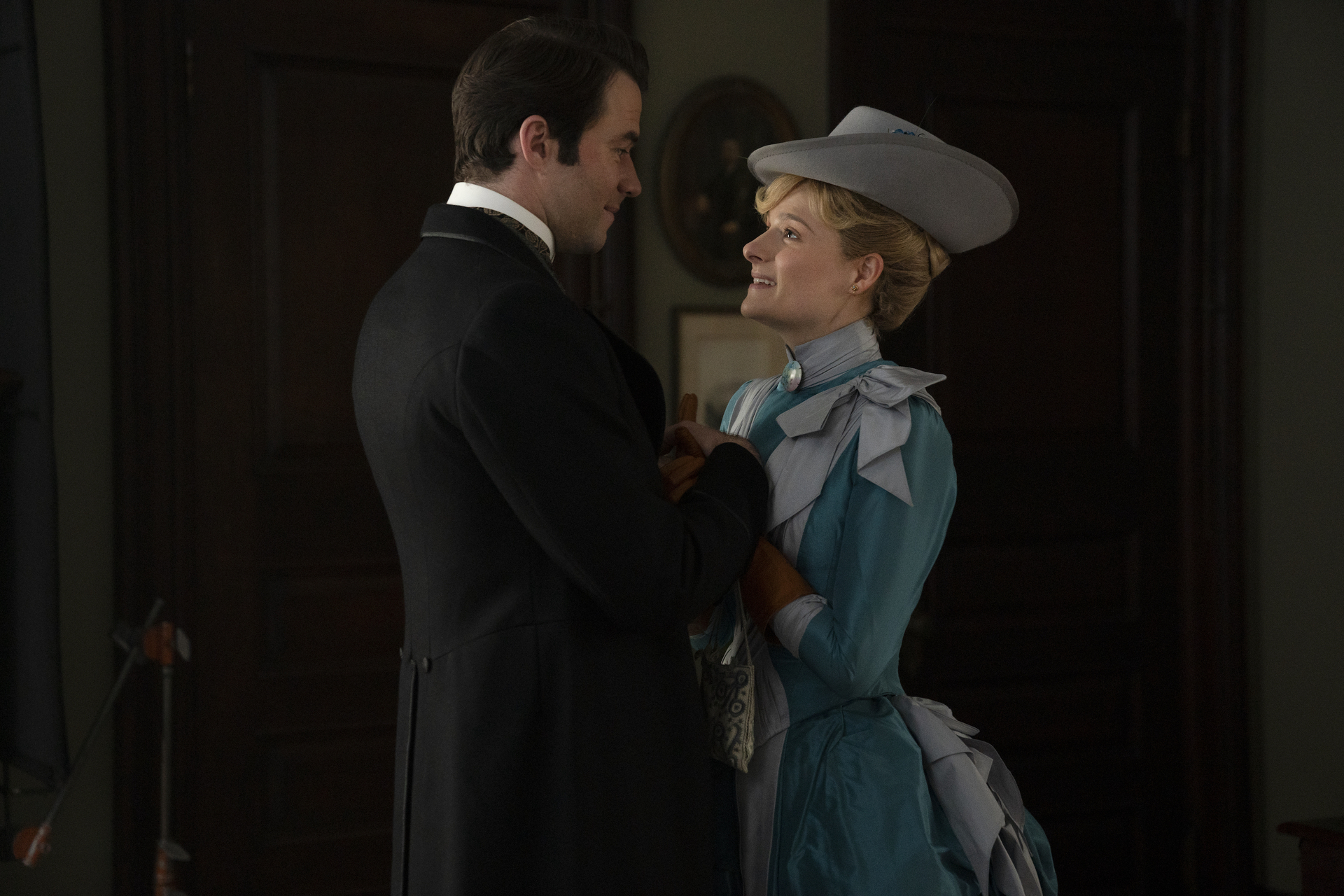
Her sheepish relationship with Mr. Raikes feels forced and too scripted throughout the season. From the very first scenes of the show, it’s evident that Mr. Raikes likes Marian, and once he follows her to New York, the predictability of the relationship makes it difficult to root for the couple.
There was no doubt that something would come between Mr. Raikes and Marian before they successfully eloped. The all too familiar forbidden love trope between a society girl and up-and-coming lawyer (hello, Matthew from Downton Abbey?) lacked a lot of passion beyond the modern PDA moment in central park and a hastened hotel hallway kiss.
Maybe I wanted the show to stir the pot some more, but I was hoping Mr. Raikes’ demise would mean him dying in the bed of a married upper-crust socialite. Instead, he’s just an exposed playboy, which we could all see coming.
Interestingly enough, The Gilded Age‘s most steamy romantic scenes come from Oscar Van Rhijn and his secret lover John Adams (of course a descendent of the founding father).
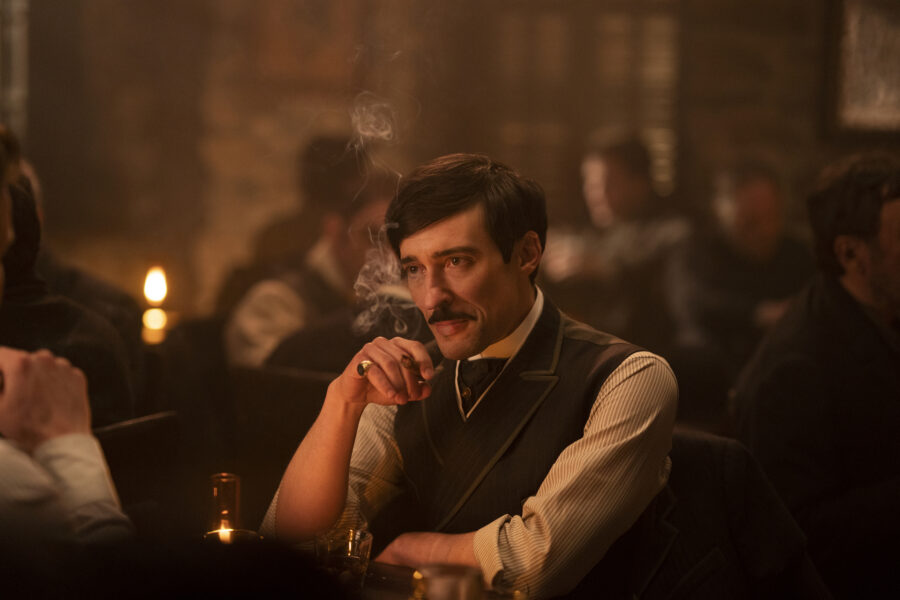
It’s good to see representation in the show, making it more modern, which it needs to compete with other period shows such as Bridgerton or Hulu’s The Great.
Downton Abbey also introduced a gay character in its first episode back in 2010, an extremely unlikeable character whose kiss with another man was censored in the American edit of the show, citing public network television.
It seems strange that censorship of that kind was still happening only 12 years ago, but thankfully, Oscar in Fellowes’ new show is likable and someone viewers root for in his scandalous escapades.
Oscar is one of the more interesting characters, one with funny quirks and humor that keeps the show entertaining. Hopefully, in Season 2, Oscar gets more screen time as he tries to pursue young, naive girls for their money while maintaining his secret relationship.
The other brief non-PG scenes in the show come from a romantic encounter between Mr. Russell and his wife’s lady’s maid. The show doesn’t harbor on this plotline, and it quickly ends once the maid gets fired for allegedly involving herself with Oscar Van Rhijn, ironically.
I believe we’re supposed to understand that Mr. Russell’s not a faithful husband to his doting wife, but this brief implied affair barely gets brought up again. The show’s biggest flaw is its habit of quickly dropping minor plot lines. Hopefully, this will change in season 2.
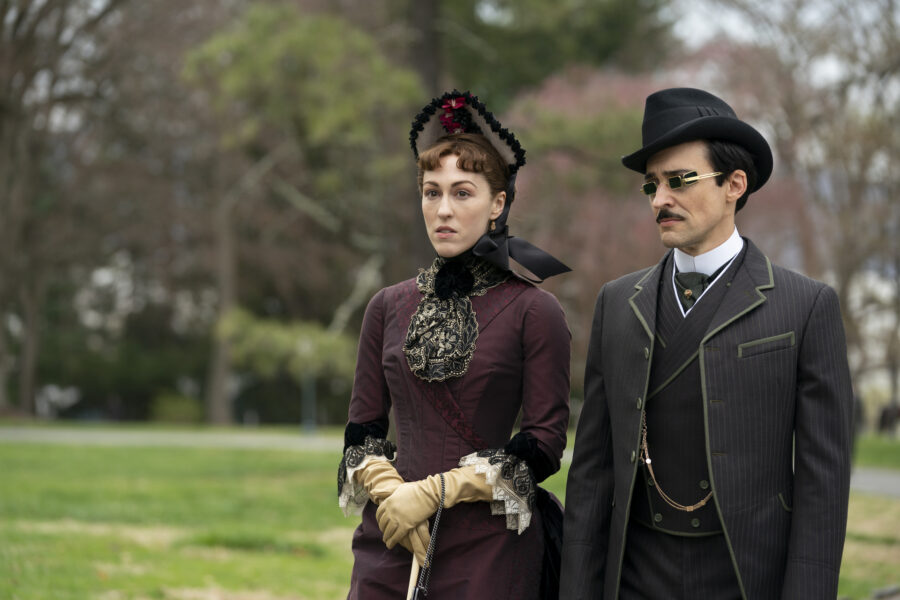
The tabooed romances in the show are the most risqué on-screen, helping The Gilded Age feel more like the streaming network originals we are used to in 2022. Beyond that, however, the romances lack any heat, and we’re left to focus more on the absurdity of society friendship circles among the changing wealth structure of New York.
Netflix’s recently released Season 2 of Bridgerton after the costume drama smashed viewing records last December for the most-streamed show. Bridgerton is pure fantasy, especially compared to The Gilded Age, where real-life events and people become mixed into the plot. But it’s action-packed with straight-forward romance-heavy plots kept neatly together by the mysterious narrator, Mrs. Whistledown.
The show keeps a quick pace, and many modern elements attract an audience that may be less inclined to watch period dramas. The Gilded Age seems stuck in an era of past television, an era where interesting characters and pretty cinematography can hold a slow-paced show together.
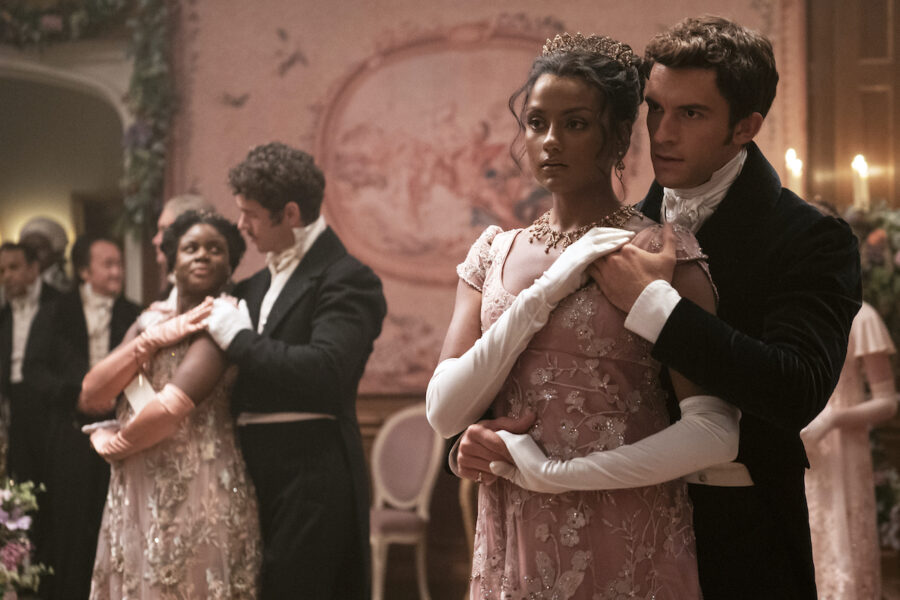
Downton Abbey changed television, setting a precursor for other period shows that followed on streaming sites. It had its big moment, which is why, I suppose, The Gilded Age has much to be mocked at. It’s not ridiculous enough to be campy like Bridgerton, nor is it intense enough to attract a cult following like Outlander or Game of Thrones.
The Gilded Age belongs in a space between big blockbuster shows; it’s easy viewing and very watchable.
It’s nothing too wild, which can be okay and provide the kind of escape viewers look for when they tune into a romantic drama. It can also improve, and hopefully, it will with future seasons.
—
 Follow us on Twitter and on
  Instagram!
Want more from Tell-Tale TV? Subscribe to our newsletter here!
Addie Christianson

Addie is passionate about costume dramas, and loves a good British period piece. She is an avid traveler who also enjoys to writing about culture, lifestyle, and fashion. Find more of her work on her website www.addiechristianson.com