
Walker Review: Defend the Ranch (Season 1 Episode 13)
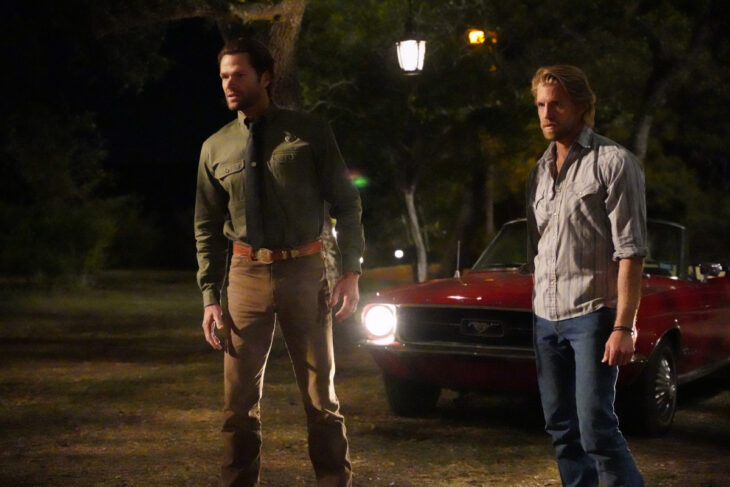
The biggest mistake on Walker Season 1 Episode 13, “Defend the Ranch,” is committing to Clint as the Big Bad.
There are several reasons why this move by the new series should be bucked in under six seconds. The first and most salient reason is that alcohol is right there as the more interesting and well developed villain.
The series opens with two of the Walkers battling the bottle: Cordell and Stella. On “Defend the Ranch” there is a culmination of the issues the Walker family faces.
Rather than the serious and complex internal conflicts that every member of the Walker family faces (and Micki, although her interior life has never been given the credence it deserves), the show externalizes the conflict with Clint.
The threat becomes bullets not grief; the solution becomes aim not growth.
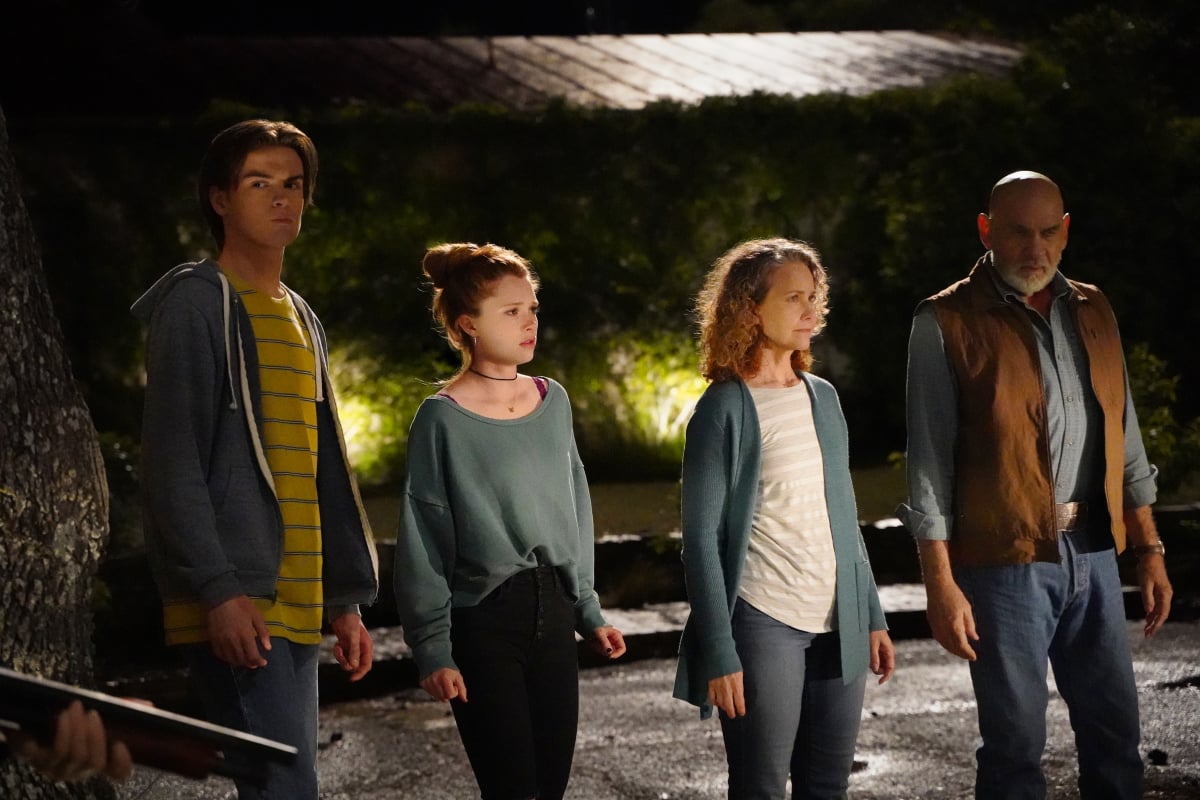
The problem with this is that it makes all of the crying and overwrought speeches hit a shallow chord. When the conflict is so externalized, it doesn’t hit deep emotionally.
What a shame!
There is so much potential to truly exploring the destruction drinking can have on police families.
It is not only true to life, it is also forces characters to confront their crap, rather than having an easy out with a Big Bad like Clint. Stella was struggling with alcoholism from the beginning and that connection with her dad would be infinitely more interesting and compelling to explore than a love interest who overacts (eek, sorry, not sorry).
Another serious problem with Clint as the main villain is that it decentralizes Micki and all BIPOC characters in a big way. Clint’s wife, his entire gang, the whole Walker family, and the found family of Geri and Hoyt are all white characters.
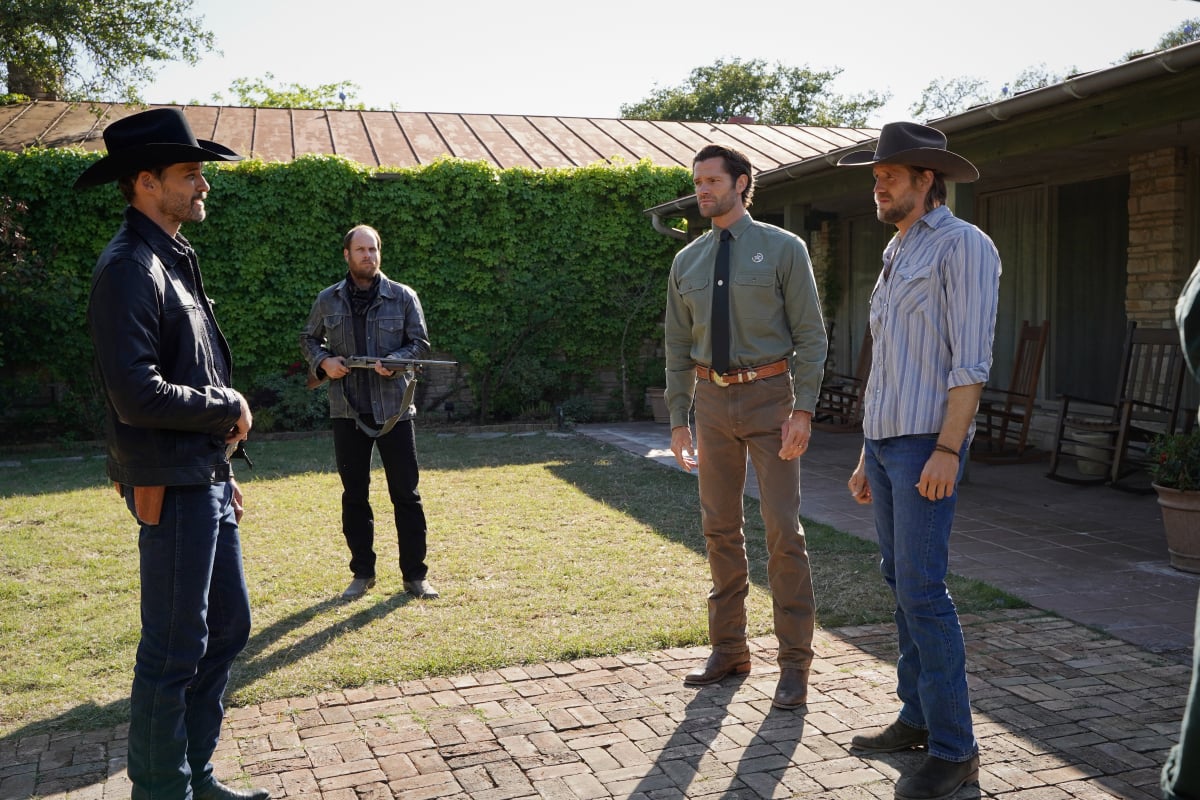
Rather than engage in a sincere conversation about border politics or lives lost in the drug wars raging in the United States since the turn of the 20th Century, the show pivots to legacy of Wyatt Earp! This is incredibly disappointing.
It has been done over and over and over and over.
Walker is a show about Texas. There. Are. Brown. People. In. Texas.
In fact, there were brown people there well before there were ever white people. The legacy of that place is in the brown and indigenous folks who have called actors it home for millennia.
What Walker does is try to turn the world into a Bonnie and Clyde, Hatfields vs. McCoys, essentially white struggle.
It is no wonder that, given that construct and emphasis, Micki and her family are given little breath on this episode. She is relegated to the backup gal.
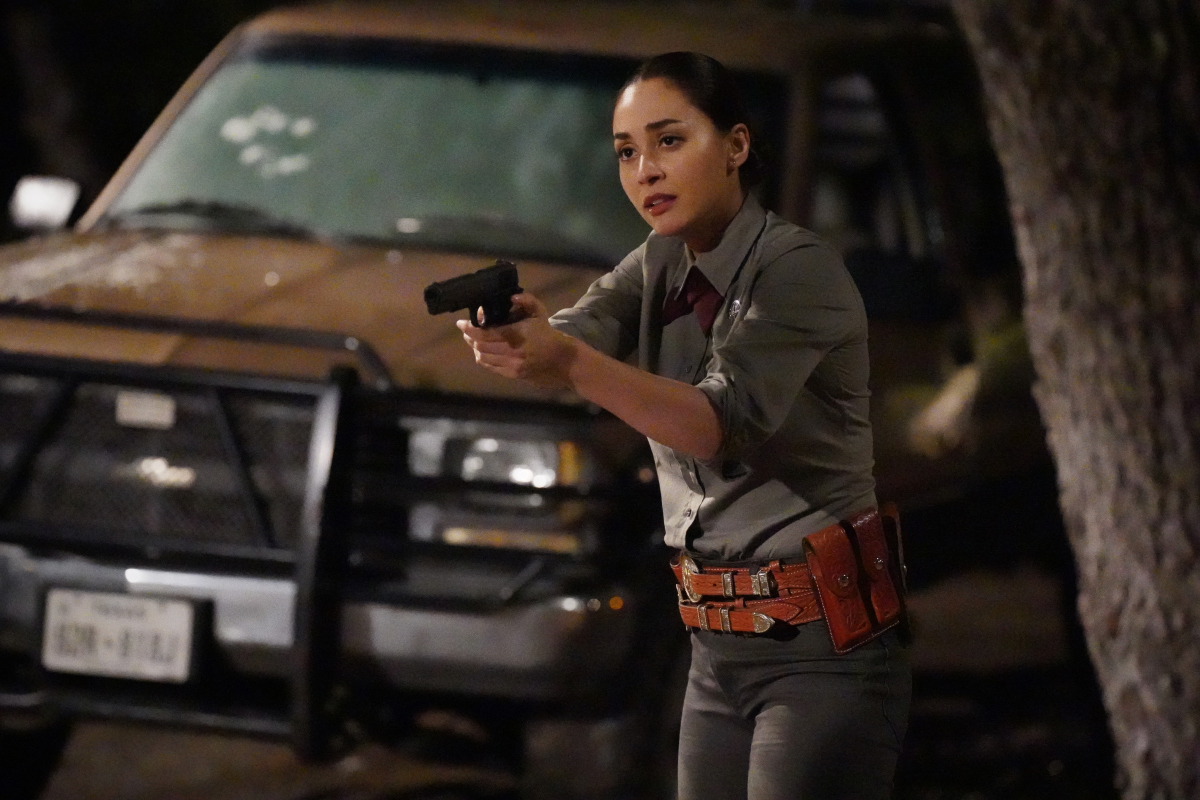
It isn’t necessarily that she isn’t in the episode: she and Trey do come to the rescue. It is that they are secondary to the primary characters when Micki should never be secondary to Walker’s family.
Micki is a lead!
The global problem with Clint is that he creates a conflict that is so old-school cowboy and overblown that there is no room for subtly.
“You killed my wife, so now you must pay,” isn’t the deep thought the writers of the show seem to think it is. Not only have we already seen this in other shows, we’ve seen it done far better.

Look, the stars of Walker are going to continue to draw a wide audience week after week. It would be beyond wise for Walker to make a hard turn around the barrel and shift the drama from white boy western to border town justice.
That’s just this one brown girl’s take.
What did you think of this episode of Walker? Share your thoughts in the comments below!
Critic Rating:
User Rating:
Walker airs Thursdays at 8/7c on The CW.
 Follow us on Twitter and on
  Instagram!
Want more from Tell-Tale TV? Subscribe to our newsletter here!
Janelle Ureta

Janelle Ureta is equal parts Veronica Mars, Raven Reyes, and Rebecca Bunch, but she aspires to add some Tammy Taylor to the mix. An attorney turned teacher, Janelle believes in the power of a well-told story. She is currently exploring how to tell short stories, 140 characters or less, on twitter. She loves to talk about TV, and right now she can't shut up about Timeless, Dear White People, Crazy Ex-Girlfriend, The 100, or Younger.
2 comments
Wait…what? Clint was the big bad? Really? Huh….that’s news to me.
What show you’ve been watching?
Comments are closed.