

Pose: Cast and Creators Prepare to Say Goodbye to the Iconic Series
When Pose premiered its pilot episode on FX on June 3 2018, it immediately made history for having the largest cast of transgender actors as series regulars. On May 2, 2021, its final seven-episode season begins. Though it’s only been with us a short time, Pose has helped set a new standard of authenticity for LGBTQIA+ stories on screen.
To celebrate the beginning of the end of an era, FX held a press conference featuring cast, creators and executive producers of Pose. Co-creator, writer, director and executive producer Steven Canals was in attendance along with executive producer, writer, director Janet Mock.
Cast members in the virtual room included MJ Rodriguez (Blanca Evangelista), Billy Porter (Pray Tell), Dominique Jackson (Elektra), Indya Moore (Angel), Hailie Sahar (Lulu), Dyllón Burnside (Ricky), Angel Bismark Curiel (Lil Papi), Sandra Bernhard (Nurse Judy) and Jason Rodriguez (Lemar). The conversation was moderated by Lana Kim, Vice President of Media Relations at FX.
We got a small taste of what is to come on Pose‘s final season, but the cast and creatives mostly reflected on their favorite Pose memories, the importance of authentic representation, and the lessons they’ll take with them in the future after working on such a groundbreaking series that explored LGBTQIA+ life and culture with so much depth and respect.
Our favorite moments are below.
Stories to expect on Pose Season 3

We’re going home to Pittsburgh with Pray Tell as he delivers difficult news to his estranged mother and aunts. While there, our favorite MC has to reckon with the struggle for acceptance he endured in adolescence that has left scars on him in the present. Many of those traumatic memories for Pray Tell center around the Black church and the God his mother believes in.
Porter opened up about why the bottle episode is so important to him. “I’m an open book. And I talk a lot about my experiences and my trauma in public. And, you know, one of the goals for me, as a Black, queer, and spiritual person, is that really uncomfortable conversation between the LGBTQ+ community and the Black church,” he said. “It’s always been at the forefront of my mind, of my calling, of my purpose.”
He said the idea for the episode was a collaboration between himself and executive producers Ryan Murphy, Mock, and Canals. They asked him what message he wanted to send with the episode.
“So, the manifestation of speaking life into yourself, speaking what you want, speaking what you need into the universe, it comes back in this way,” said Porter. He called the episode “powerful” and “emotional” and hopes it will be the catalyst to some difficult conversations when it airs.
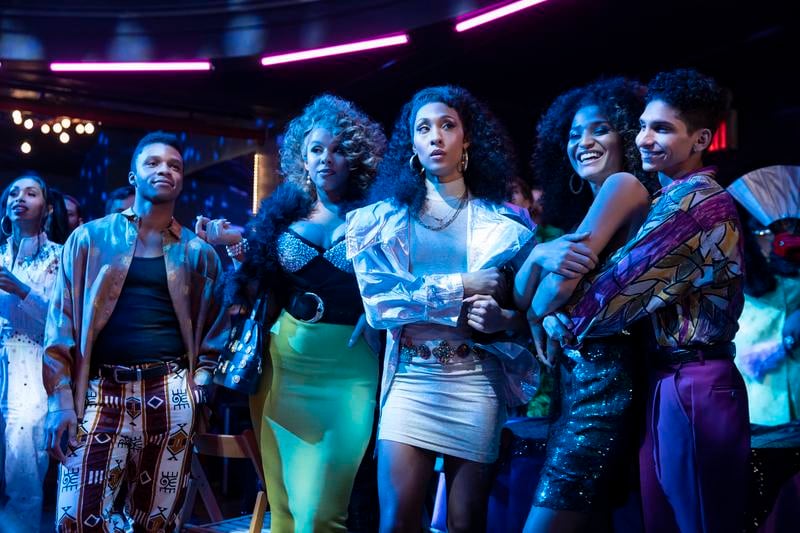
Pose has never been exclusively about LGBTQIA+ trauma. So, Mock talked about why it’s important that we are going to witness a legal wedding this season, even though the trans community did not have those rights at the time.
“What we’re fighting for is a world where trans people are accepted and seen and their idea of themselves in who they know themselves to be is legitimate, period, just based on what they say,” Mock explained.
“In our story, we wanted to show a color of that, of how so many women before us, before there were any legalities around any of this, before there [was] any legislation for any LGBTQ people, that there were waves of folks who were outsiders and renegades and trailblazers, and they made a way out of no way.”
Pose celebrates these pioneers with a magical event.
On Why Season 3 is the end of Pose
Some shows are just finding a stride on Season 3, so it’s understandable that some Pose fans are shocked and saddened that such an important series had such a short life. But co-creator Steven Canals said it was always planned that way.
“And if you go back to the first season, everything was a set-up for this final chapter,” he revealed. “This season, to synthesize it very simply, it’s us finally allowing our characters to explore what it means to have all of the things that they very clearly stated in the first season that they wanted. And so now this final season is an exploration into, once you’ve accomplished the dream, is it everything that you wanted? Is it everything that you wished it would be? Is it quite as shiny as you imagined it to be?”
Canals said the Pose team made the decision with fans in mind because when he watches a show as a fan, he has a very specific pet peeve.
“I think that, for me, as a true lover of television, one of the things that has always frustrated me is when I am tuning into a season of television and I can tell that this season just feels like filler,” he explained. “And I think that the last thing that I wanted to do to our audience was to create narrative simply for the sake of creating narrative with no real intention.”
Let’s have a ball
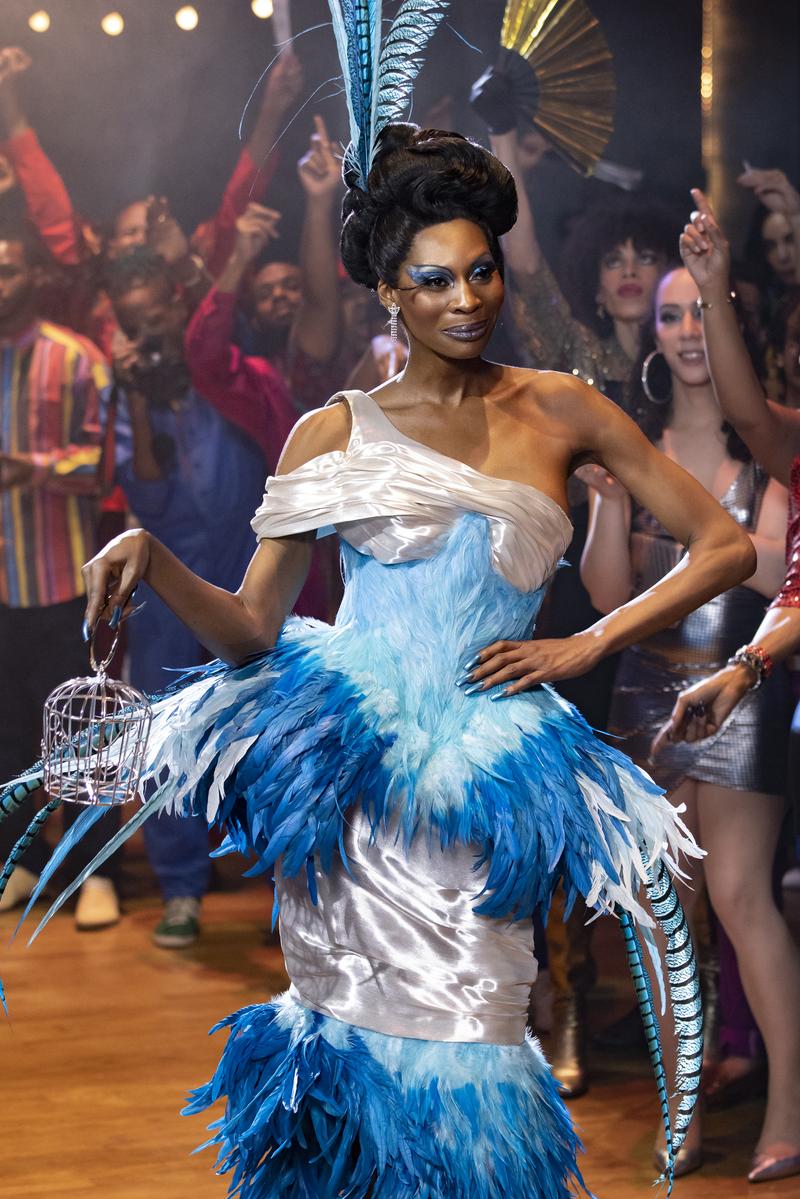
Ballroom culture is the clear center of Pose. In the late 1980s when the story begins, underground balls were the place where the LGBTQIA+ community chose their found families and experienced unconditional acceptance while also competing in intense dance and fashion competitions.
Some of the cast members on Pose like Jason Rodriguez and Dominque Jackson are real-life children of the balls. So, actors were more than happy to reflect on their favorite ballroom scenes to film.
Sahar spoke about how some of the ballroom scenes were not choreographed. So during one scene, in the spirit of the moment, she did a spin in a tulle dress that has since become a staple in actual ballroom culture. She now calls it “That Lulu Spin.” “It’s like an iconic thing now that people and fans love about Lulu’s character.”
As fun as the ballroom scenes were for the cast to shoot, they were also emotionally challenging sometimes. Burnside said, “…The balls always pushed me to the edge.” He shared a memory of an episode in which his character Ricky walked the “Butch Queen Femme” category.

He explained that he grew up in a “hypermasculine environment,” so “the thought of moving my body in that way on camera and knowing that my family would see it, my uncles would see it, my grandparents would see it, that scared me.”
The experience taught Burnside an emotional lesson about himself.
“I realized the ways in which I have been policed and my body has been policed over the years. [I] really was locked inside, and there was like this — I had been imprisoned in my own body,” he said. “Something really interesting happened for Dyllón in embodying Ricky. I was able to unlock something in me by finding the freedom in my body to move in that way. And giving myself permission to be free in my body in that way really unlocked me in a way that was really powerful and impactful.”
Actors on collaborating with the writers
All marginalized communities, including the LGBTQIA+ community, are still fighting for authentic representation of their stories on TV. But something beautiful about the Pose set is that the LGBTQIA+ actors never had to fight for honesty because writers like Mock and Murphy and Canals are members of the community.
“Their lives and the parts of their experiences that they used came so closely and reflective to ours and is just a true reflection of what the experience is to be trans or queer, that I can’t remember a time where I ever felt like I needed to say, ‘Hey, this doesn’t feel right,'” said Moore.
Burnside remembered being asked to give input on his character’s future on his first day of filming. He had questions about Ricky’s origins. “And Steven looked at me point-blank and said, ‘who do you think he is? Where do you think he comes from? Where do you think he should go?'”
That type of collaboration never stopped throughout all three seasons of Pose. MJ Rodriguez said that this open dialogue allowed for an incredible range of stories and emotions for her character. She used to be afraid to speak up on sets, but she’s not anymore.
“I think that’s what the best thing for me was, is that I was able to have the liberty to speak even when I was afraid to speak. I had the liberty to delve into the character like how I wanted to and not be questioned, but still have small notes here and there.”
The Pose Cast won’t be quiet on sets in the future
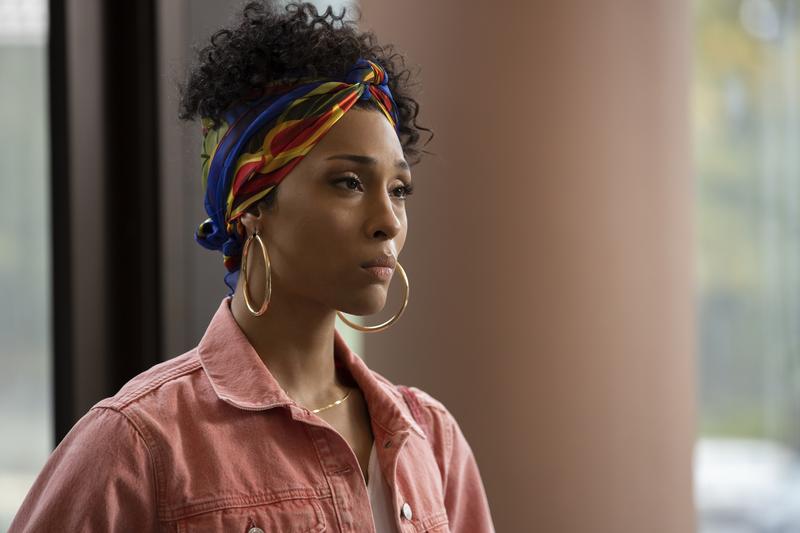
The collaborative environment on the set of Pose has changed the way many of its cast members will carry themselves in Hollywood moving forward. Because most of the actors are members of the LGBTQIA+ community, this shift within them is monumentally important.
“There was never, ever a space in my brain to dream what ‘Pose’ is, what Pray Tell is. I spent the first 25-plus years of my career trying to fit into a masculinity construct that society placed on us so I could eat,” said Porter.
“Pose, and Pray Tell in particular, really taught me to dream the impossible. But the idea that the little, Black church sissy from Pittsburgh is now in a position of power in Hollywood in a way that never existed before. You can damn sure believe that I will be wielding that power and there will be a difference and a change in how things go from here on out.”
Jackson echoed the sentiment. “I will never, ever, ever walk into a space thinking that I need to impress them. I need to be professional. I need to know my worth,” she said. “I will never walk into a space being fearful of my identity stopping me from anything. Because of this journey, when I walk into spaces now, my identity is not because I’m an abomination. My identity is my value. So when I walk into spaces now, they need to impress me.”
Curiel is not trans, and said he did not know what the term meant before he booked the role of Lil Papi on Pose. After working with his castmates for three seasons, he said he has more than facts, now. He knows how important it is to use his voice and not let people express transphobic and homophobic ideas in his presence.
Moore learned “to come in and to take as much space as I possibly could for myself and to make as much space as I possibly could for myself.”
The Pose cast and crew has messages for LGBTQIA+ youth
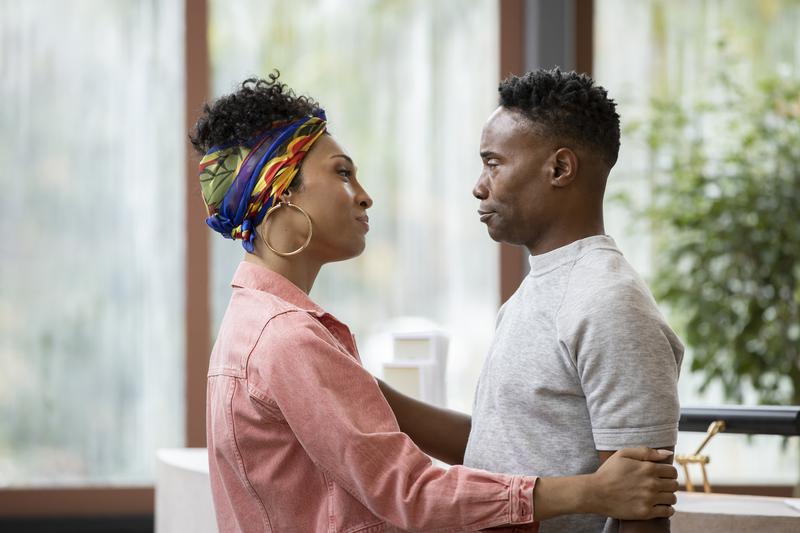
Pose has made TV history and introduced many Americans to authentic LGBTQIA+ culture. But no matter what the mainstream U.S. learns from the show, Canals wants LGBTQIA+ youth to know that his cast and collaborators “will always have your back, that we will always see you, that we will always affirm you that, that the work will always be — that it will always be to honor you.”
“…You are magical and powerful and beautiful, and you are capable of creating everything for yourself that this world refuses to give you or allow you to have or access,” said Moore.
Jackson wants LGBTQIA+ youth to redefine the way they look at challenges. “Those struggles, those hardships, the stuff that you think are the things that are supposed to stop you, the stuff that you think are barriers is what is telling you that you have the power and the strength to overcome,” she said. “So never, ever give up.”
“I believe that when people get to see folks achieve the impossible, that they recognize the power that they have within themselves,” said Burnside. “So, my hope is for young, Black, queer men, queer folks all over the world, that they will recognize that they have the ability to stand in their truth and to take up space and to celebrate who they are and achieve anything and everything that they can imagine and find love in the process, love for self and love for community, love for one another.”
Porter’s message was simple: “To be empowered inside of yourself. Even when everything and everybody around you says the opposite, do it anyway, and dream the impossible.”
—
What are your hopes for the final season of Pose? Share your thoughts in the comments below!
The first two episodes of Pose Season 3 will air Sunday, May 2 at 10/9c
 Follow us on Twitter and on
  Instagram!
Want more from Tell-Tale TV? Subscribe to our newsletter here!
Esme Mazzeo

Esme Mazzeo is a lifestyle and entertainment journalist from Long Island. When she's not writing for work, she's writing for fun, or searching for something to satisfy her sweet tooth. She thinks rainy days are the best kind of days. Certified night owl.