
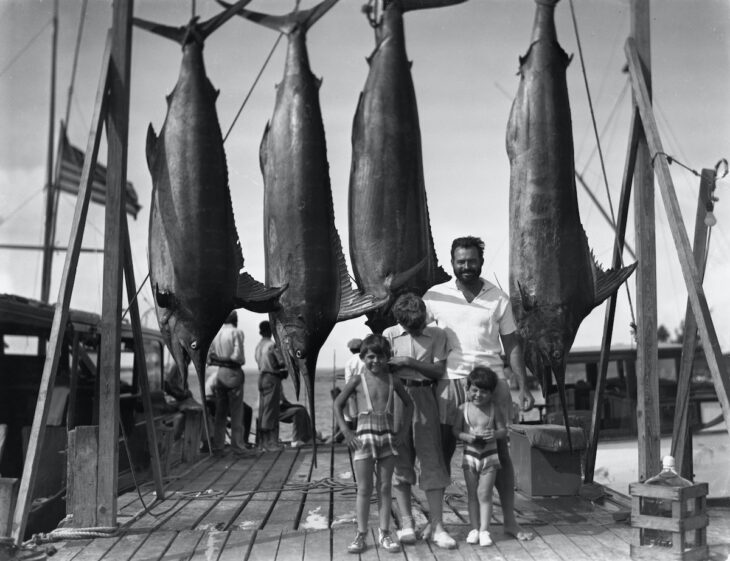
Hemingway Review: A Writer (1899-1929) (Episode 1)
Ken Burns and Lynn Novick’s 6-hour documentary takes a deep dive into the life and times of one of the most revered American authors in the twentieth century, Ernest Hemingway, and the impact he made on American literature in the only way that Hemingway’s story can be told.
From the opening moments of Hemingway, it’s easy to see writer Geoffrey C. Ward, Burns, and Novick’s desire to go beyond what everyone already knows about the writer, diving into the depths of his upbringing. From his relationship with his parents to sibling dynamics, the first two hours show how it shaped him through the years with the narrative drama, emotion, and intrigue that keeps you hooked all the way through.
From the eclectic stylings to the difficult phases in their relationship, the first hour doesn’t shy away from the darkness, volatility, and bluntness surrounding the writer’s life while serving as a through-line for the man he will become.
Mary Karr: All writers are narcissistic.
The narration alternating between Jeff Daniels speaking Hemingway’s words and Peter Coyote weaving the writer’s life story keeps the viewer engaged, understanding the man’s plight, and getting the sense of what he was dealing with at each phase.
The additional voices from Kerri Russell, Mary Louise Parker, and Patricia Clarkson, further add color to the story even as Hemingway dives into darker aspects of his life, from his infidelity, time overseas during the War, divorce, depression, and his father’s suicide.
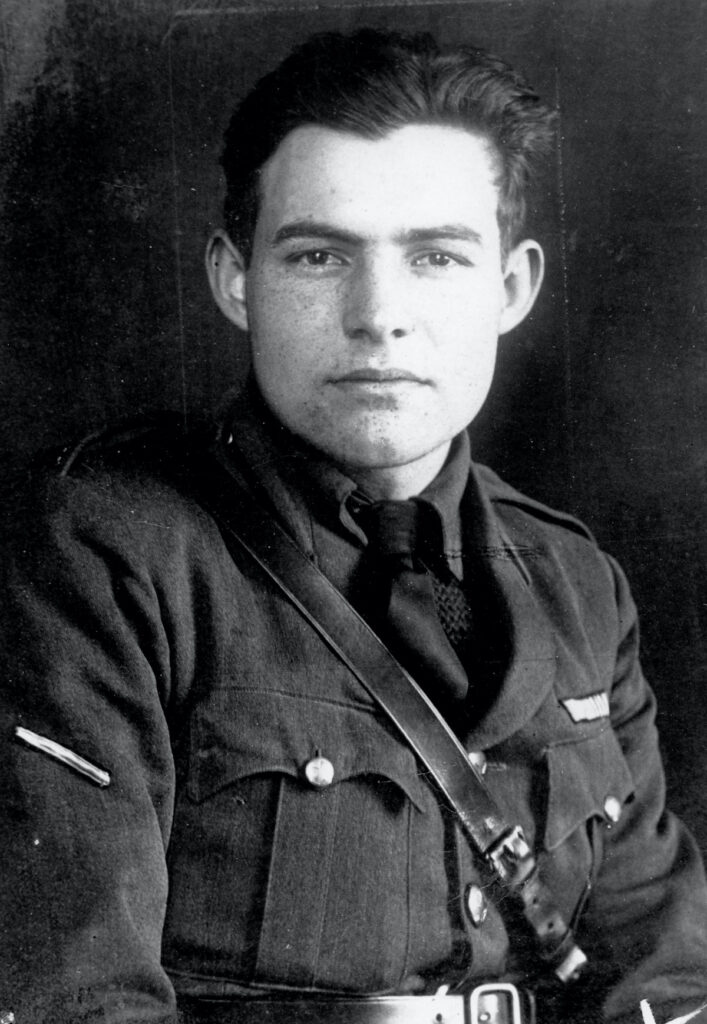
The flair for the dramatic and gregariousness was an excellent mask for the trauma, rejection, and fear of being alone after World War I, and the first hour does a beautiful job of putting you in the understanding place of where Hemingway was when he returned and the re-emergence into civilian life.
Choosing to intersperse his works into the narrative is an interesting choice and works so well with style and offers a glimpse into the at times controversial writing he put out into the world, paralleling what he’s living through at the time of each publication.
This is most apparent as the second hour shifts into this narrative angle, expanding what we learn about him in the first hour.
The shift serves the story well as it does a lot of the work to illustrate how dark Hemingway’s interior life is in the aftermath of his experiences in the War.
One moment that stands out mainly in the first hour is the piece about “Indian Camp” and how today’s writers look at the story and its place in their own lives.
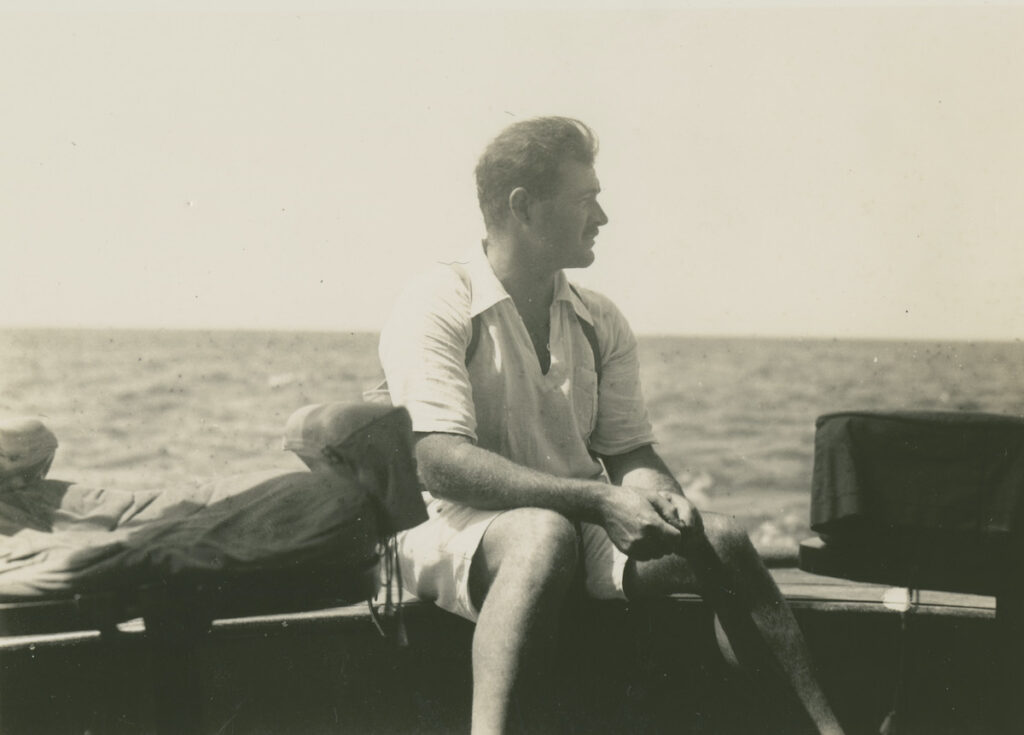
There’s no sugarcoating who Hemingway was as a writer and his writing choices at times, from his characterizations of women to the casual antisemitism and racism, a necessity when offering any authority on a topic, especially when it comes to a personality such as Hemingway.
Hemingway’s continued love story muddles the line between each romance in ways that only makes you feel sorry for the woman before, filled with infidelities and heartbreak, specifically for Hadley. Hemingway frames it in an engaging, disaffected way, leaving you free to truly work through the emotions on your own but never dwells long enough on these moments without darting back to the focus: Hemingway’s writing.
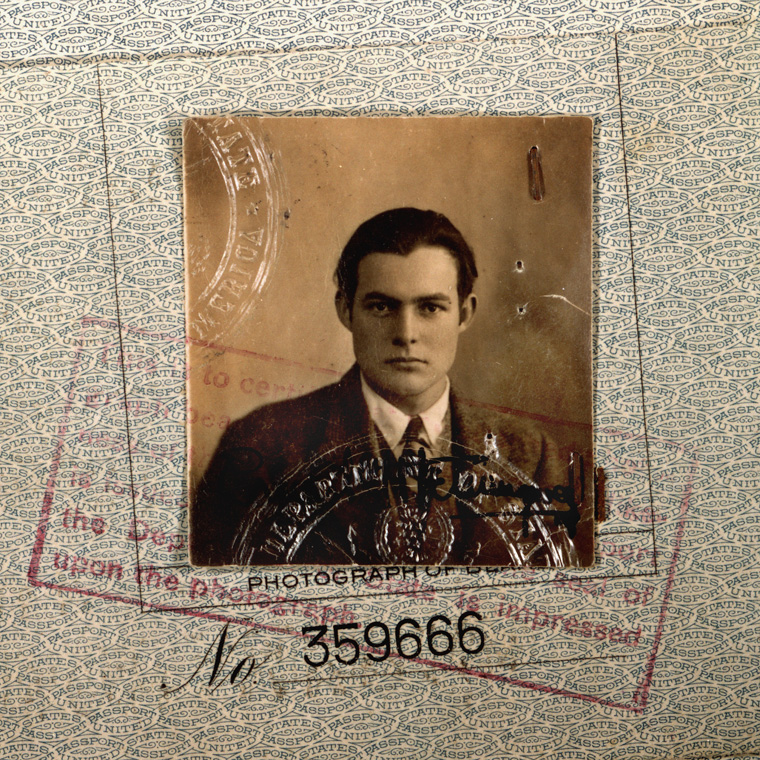
Edna O’Brien’s connection between Hemingway’s upbringing and his style of writing, particularly when it comes to his ability to tap into the anguish and emotion that comes with the trauma of a man returning from War and woman’s grief of losing a child, leaves with that challenge to the usual perspective.
By the time the credits roll on the first part of the series, the familial dysfunction and disconnect ties it all back in an intriguing way.
Stray Observations
- Works discussed: Indian Camp, The Sun Also Rises, Hills Like White Elephants, A Farewell to Arms
- I appreciate the context given to Hemingway’s works in a way that provides accessibility in understanding the man himself.
What did you think of this episode of Hemingway? Share your thoughts in the comments below!
Critic Rating:
User Rating:
Hemingway continues Tuesday, April 6 at 8/7c on PBS.
 Follow us on Twitter and on
  Instagram!
Want more from Tell-Tale TV? Subscribe to our newsletter here!
What to Watch on TV: Screen Actors Guild Awards, Wynonna Earp, Kung Fu
Brianna Martinez

Brianna spends her time away from briefs, legal research, and pleadings, watching TV and writing about it. She generally has a lot of feelings about TV, which you can read about here and on Twitter.