

The Prom Review: Glitz, Sequins, and Zazz Try to Distract From Weak Plotting
Warning: This review contains some minor spoilers for The Prom.
It’s a cruel bit of irony that The Prom opens with a biting, harsh opening night review. The stars of Broadway flop, Eleanor, Dee Dee (Meryl Streep) and Barry (James Corden), hustle quickly to move on from their misstep and I suspect the same will be true for the stars of Ryan Murphy’s new film.
The Prom isn’t devoid of some brights spots. I should be clear on that front first. I laughed several times, gasped at Streep’s excellent abilities at cape-tossing (and wow, can she toss ’em), and admittedly teared up at the end (I’m a softie, ok?!).
Overall though, this still remains: The Prom is both poorly constructed and conceived and a film can only get so far on the allures of strategic blue and purple lighting, a beaming ingenue, and a few moments of pathos.
The Broadway show on which The Prom is based was loosely inspired by a 2010 story of a Mississippi teen denied the opportunity to attend prom with her girlfriend. The case made headlines and celebrities stepped in to donate to an inclusive, gay-friendly event.
That the Broadway show/film is modeled around a 2010 story makes sense in some ways. There’s something about how everything spools out that feels utterly Gleeful and out of step with modern times. Homophobia certainly still exists across the country, but it’s hard to suspend belief that in an entire town, only two gay teens and two allies exist.
Beyond that, it’s even harder to swallow that hearts and minds are so easily and quickly changed. If more people were exposed to people like Trent (Andrew Rannells) with sassy, smart songs pointing out hypocrisy in the Bible or had parents like Mrs. Greene (Kerry Washington), so able to turn from destructive to understanding, the world would be a much better place.
But that’s not the world we live in unfortunately, and with so much division plaguing our country, it feels almost irresponsible to suggest that kind of thinking is so easily combatted and won over.
I get that maybe we all need a little fantasy, but the simplification of the issue is worrisome.
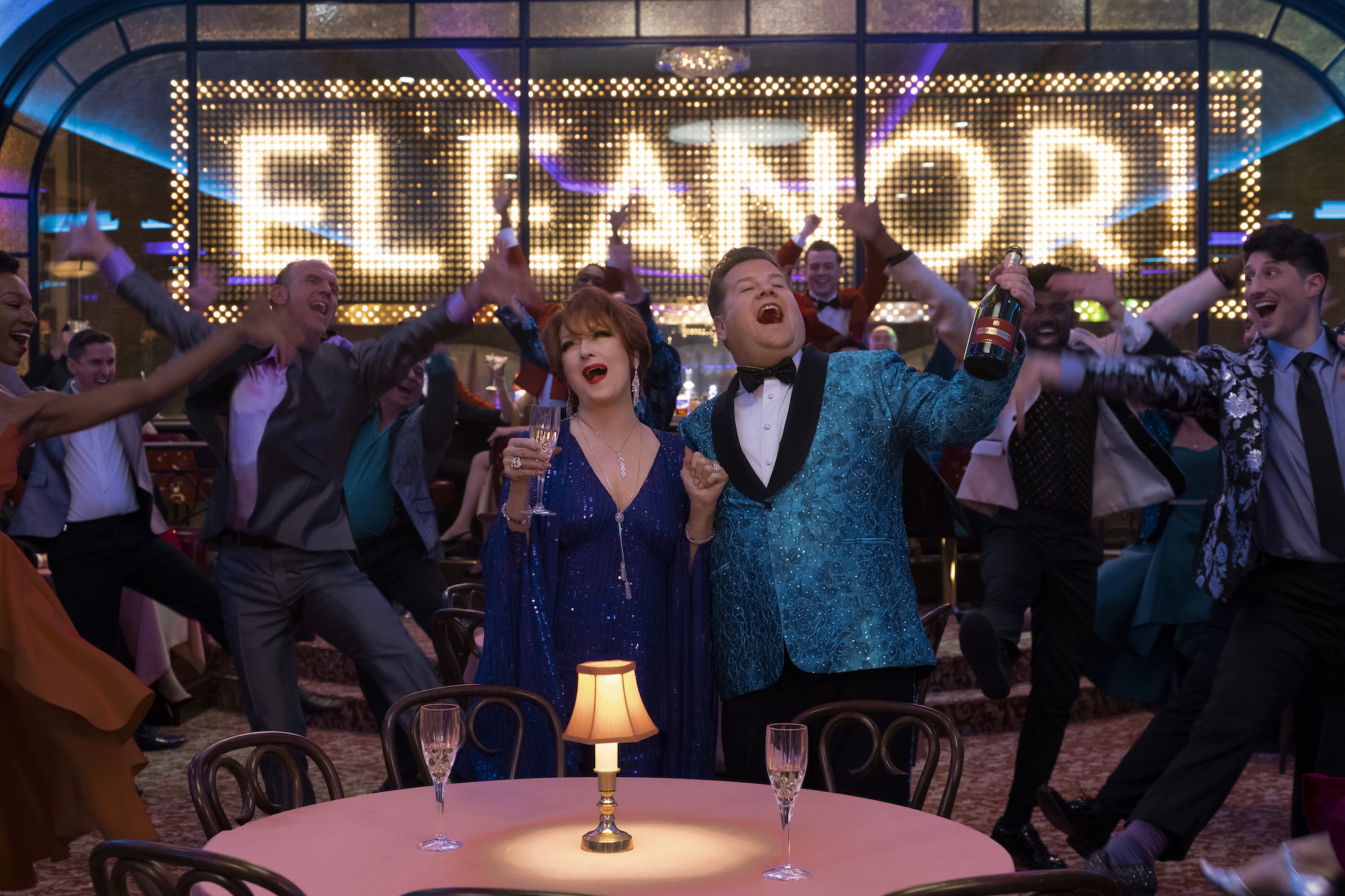
Furthermore, it’s hard to discern whether the weaknesses of The Prom stem from Ryan Murphy, from the source material, or some combination of both.
Like other Murphy projects, The Prom is visually beautiful but its editing is all over the place, rarely giving any scenes time to breathe without dozens of cuts and angle changes. The emotional scenes and the dance scenes both suffer as a result. Plus, it runs at least 30 minutes too long.
It also shares another common affliction of Murphy’s: attempting to tackle too many damn plot points and themes and thus, failing to do justice to most of them.
It wants to be an ode to theatre and the healing power of the art form, a piece about healing after heartbreak, a blazing take-down of celebrity activism, and a feel-good coming out story of acceptance.
These are all worthy of attention but it’s impossible to do all of them well. The Prom swings back and forth, trying to touch on all of them and unfortunately, in the process, its most compelling parts get the short end of the stick.
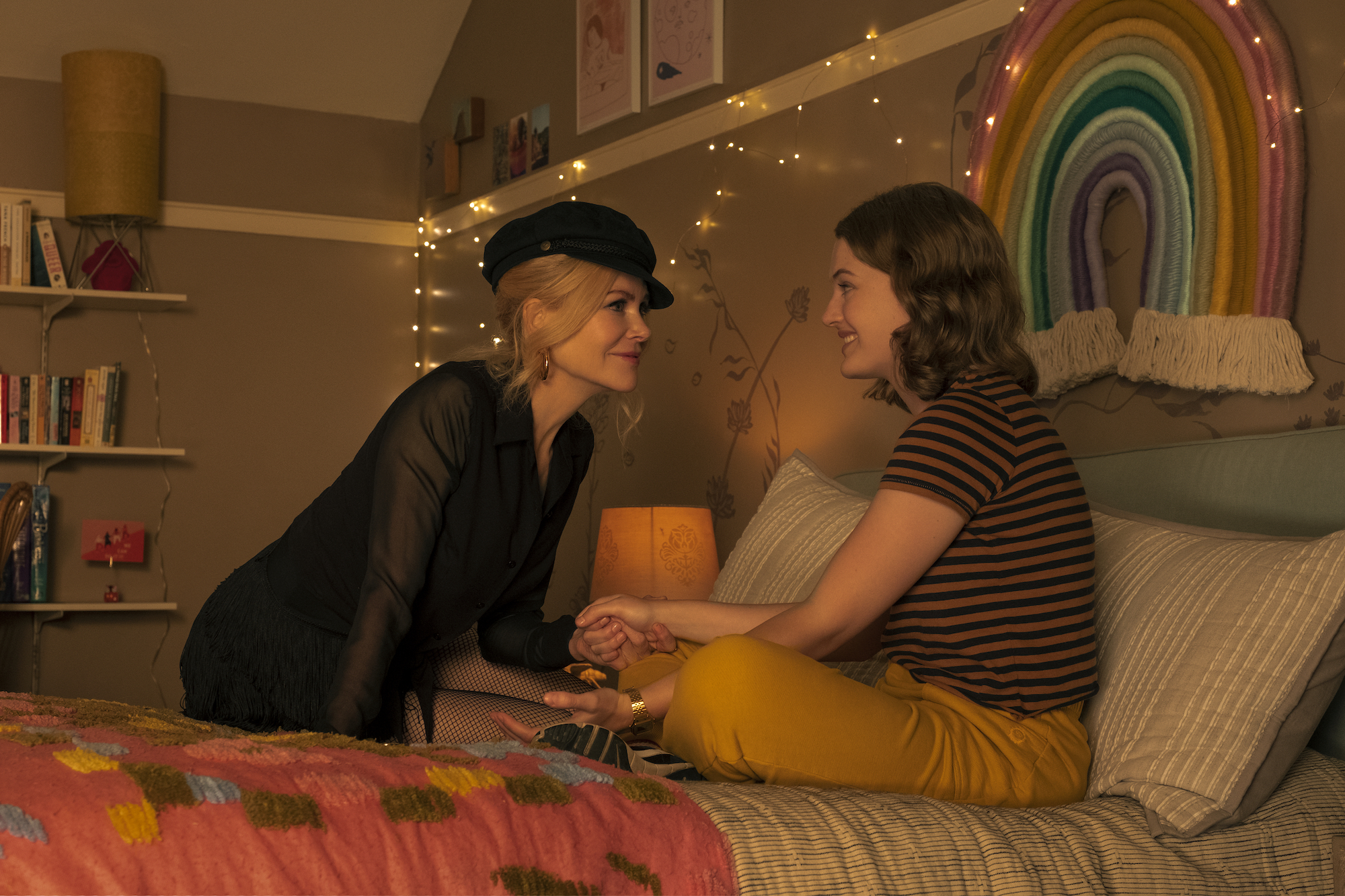
No storyline seems like a bigger victim of this than the one centering on should-be protagonist, Emma (a glowing, bright Jo Ellen Pellman).
The Prom should be Emma’s story but she’s not given the space in the narrative that she’s due. Pellman’s singing is glorious but we’re not given the opportunity to know much about her Emma, the source of her strength and fortitude, or why she seems to smile through so much pain and rejection (poor acting choice or intentional character-driven decision?).
She is a cipher: a bright, good natured cipher, but a cipher nonetheless. Representation is important and her presence here matters, but characters really need to be carved out beyond their sexual orientation. They, and audiences, deserve that.
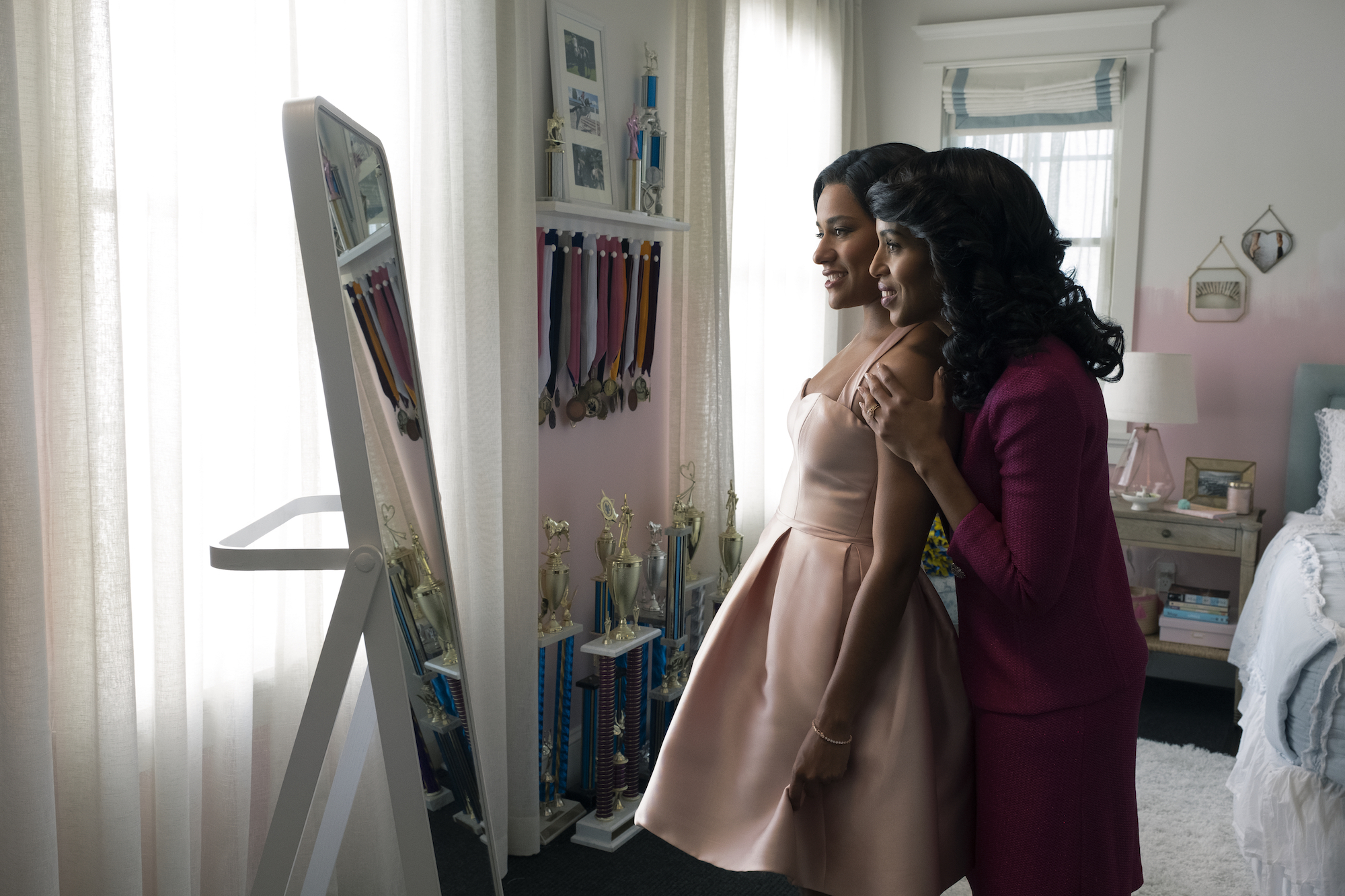
Ariana Debose, who plays Emma’s secret girlfriend, Alyssa, fares a bit better, but not much. Debose is a star; of this I am sure. Tony nominated for the Donna Summer musical, she also originated the iconic “Bullet” role in Hamilton and is bound to make a splash as Anita in Spielberg’s West Side Story.
That’s why it’s so disappointing that here, she’s saddled in a mediocre movie with a mediocre wig. However, she manages to knock her solo “Alyssa Greene” out of the park and her coming out scene towards the end is easily one of the best moments of the entire film.
It’s hard not to wonder what the movie/show could have been if we understood more about Alyssa and Emma as a couple or even dug into Alyssa’s experience being a queer person of color in a small town.
That’s not the story we are getting though. It feels like we got the lite version of what could have been.
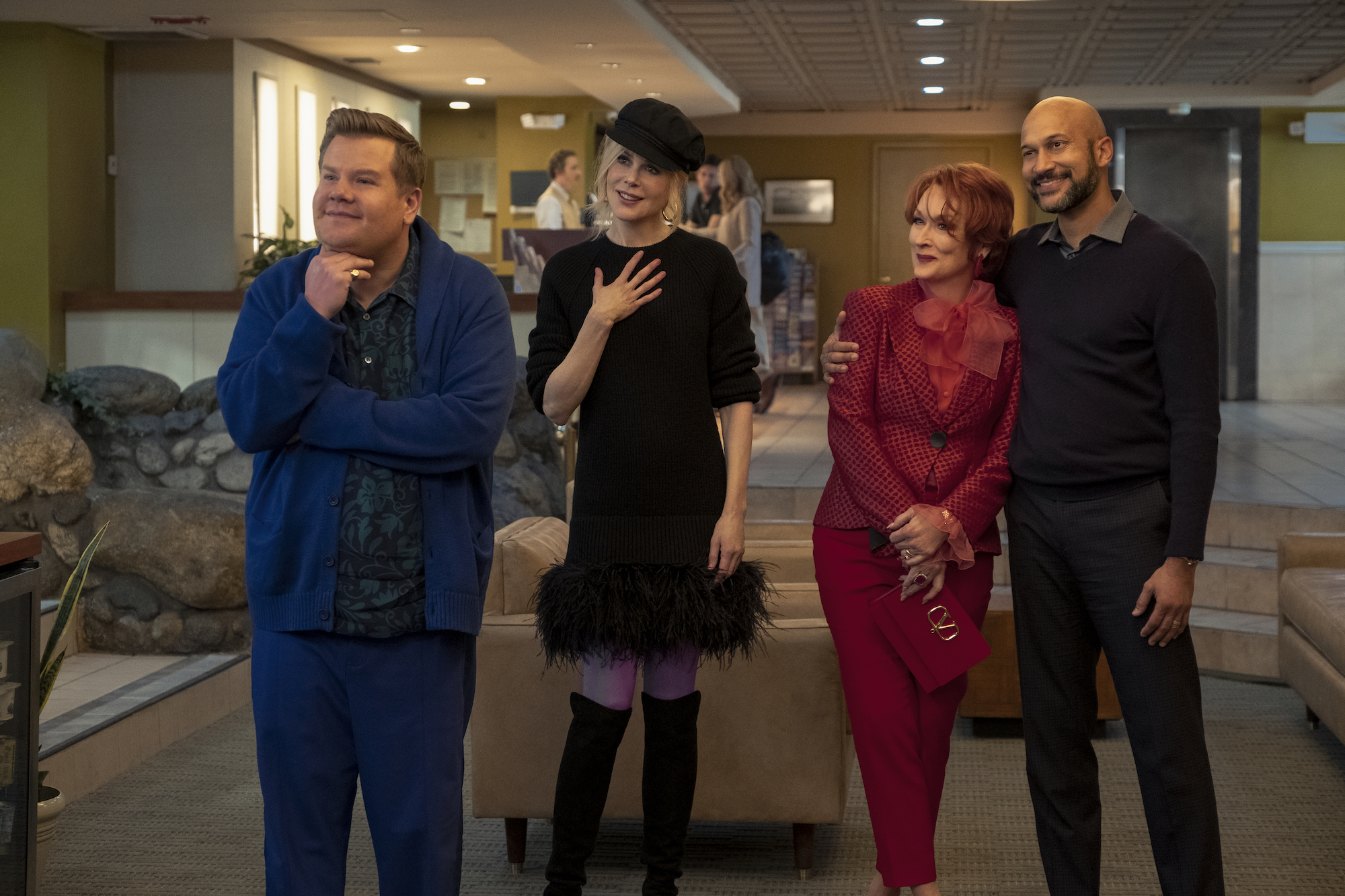
A lot more attention is given to the adults, the aforementioned Streep, Corden, as well as Keegan Michael Key, Andrew Rannells, and Nicole Kidman.
Streep is excellent, per usual. Her Dee Dee is a combination of Miranda Priestly and Patti LuPone and she goes full camp. The performance is genuinely fun except for every time the film tries to focus on her burgeoning romance with Key’s school principal.
The two have zero chemistry. Even Streep can’t save it, and this is the same woman who had to convince us she was desperately in love with Pierce Brosnan and his singing.
Kidman’s inclusion as Angie is a bit puzzling. Kidman is a stunning, elegant goddess. She’s Satine for goodness sakes. She’s so undeniably a star, it’s nearly impossible to accept that she’s a hoofer long relegated to the chorus of Chicago. It feels disingenuous.
It also doesn’t help that she disappears for giant swaths of the film, only to emerge and be presented as the emotional rock for Emma. Say what now? When and how did that happen exactly?
So many pre-premiere discussions have focused James Corden and his performance as gay Broadway star, Barry Glickman. I’m no Corden apologist (I think he’s lovely in Into the Woods and beyond dreadful in Cats) so I went into this viewing with an open mind.
From what I’ve gathered about the original Broadway show and what I am gleaning from the film, The Prom is supposed to be as much Barry’s emotional journey as it is Emma’s. He’s nursing a fractured ego and repressed trauma about his own youth among other things. Helping Emma experience acceptance and enjoy a magical rite of passage is part of his own healing.
We can debate all night whether Corden’s role should have gone to a gay actor, as it did in the Broadway show (personally, I’d have liked to see Tituss Burgess in this). Wherever you land in that debate, it’s hard to deny that Corden lacks the necessary depth and nuance to act the part.
His discussion of his prom experience and disastrous coming out to his mother lacks any sense of authenticity and it’s rather uncomfortable watching he and Streep play a vulnerable scene together. The imbalance is so profound that they’re not just on different playing fields; they’re in completely different dimensions.
That this surface level performance exists right in what should be the heartbeat of the film may be indicative of the overall problem with The Prom.
It’s pretty, sparkly and full of megawatt power, but its lack of depth or commitment to well, anything besides its color scheme, ultimately holds it back from being great or particularly memorable. You can enjoy the ride (er, dance) while it’s happening, but it’s not a film that will leave much of a lasting mark after the credits roll.
Lingering thoughts:
- It’s interesting, and also somewhat sad, that The Prom, and the other notable LGBTQ film of the season, Hulu’s Happiest Season, both focus on lesbian couples where one member of the couple is in the closet and deeply afraid of coming out. That feels somewhat regressive, and while both couples get a happy ending, I hope that the next wave of content to follow this explores other aspects of being a queer couple.
- In a film with so much suspension of disbelief, here’s another one: that a teenager is going to willingly spend so much time with middle-aged adults. Sorry, but uh…no.
- Would this story about washed up Broadway stars have played differently (read: better) if the stars had actually been played by people that were only moderately successful/known instead of a slew of Oscar, Emmy, and Tony winners/nominees?
- Let’s find a better musical for Kerry Washington to star in.
- Inquiring minds want to know: is The Prom trying to make a case for wider acceptance or inner strength? It toggles back and forth between what it’s promoting as the path forward in the face of discrimination.
- Andrew Rannell’s performance made me long for the days of going to a mall and inspired me to Google who won the Tony over him when he was nominated for Book of Mormon. No one sings about religious hypocrisy quite like Rannells.
- How exactly did the prom organizers know Emma wanted to bring a girl? I don’t remember ever being asked to confirm who my date was when buying prom tickets. Help me, Obi Wan Kenobi, I don’t understand that logic.
- Did anyone else get a Footloose vibe from this?
What did you think of The Prom? Share your thoughts in the comments below!
Critic Rating:
User Rating:
The Prom is available to stream on Netflix.
 Follow us on Twitter and on
  Instagram!
Want more from Tell-Tale TV? Subscribe to our newsletter here!
Cristina Iskander

Cristina is a Broadway enthusiast, book lover, and pop-culture fanatic living in New York City. She once won a Fantasy Bachelor contest (yes, like Fantasy Football, but for The Bachelor), and can banter about old school WB (Pacey + Joey FTW) just as well as Stranger Things and Pen15. She's still upset Benson and Stabler never got together and is worried Rollins and Carisi are headed down the same road, wants justice for Shangela, and hopes to one day walk-and-talk down a hallway with Aaron Sorkin.