

Feel Good Season 1 Review: Modern Love
Netflix’s Feel Good is the queer rom-com dramedy we need during these challenging times.
Both the comedy and the drama are beneficial to us right now—light-hearted laughs help lift our spirits and the drama lets us release emotions built up from our current reality, channeling it into these characters and their lives.
There is also the added perk of empathy that comes with viewing. People are all going through different struggles and it’s important that we are gentle with each other. Feel Good shows this by good example as well as by example of how not to treat others.

It is a romantic comedy in the general sense as it focuses on the ups and downs of a love story between two characters. Often in a rom-com, there is a misunderstanding that causes the conflict or one party behaves negatively towards the other. Feel Good takes a different approach.
Both Mae (Mae Martin) and George (Charlotte Ritchie) express gentleness with one another as they hit personal and mutual obstacles, but they both behave badly towards each other, too. There is no good guy or bad guy in this relationship (in addition to no male guy), and that is representative of most couples.
The first episode is a whirlwind and employs the age old U-Haul lesbian trope—ten minutes in and they have moved in together (although, they have been dating for about three months at that point). This creates an interesting dynamic because George is new to the same-sex relationship.
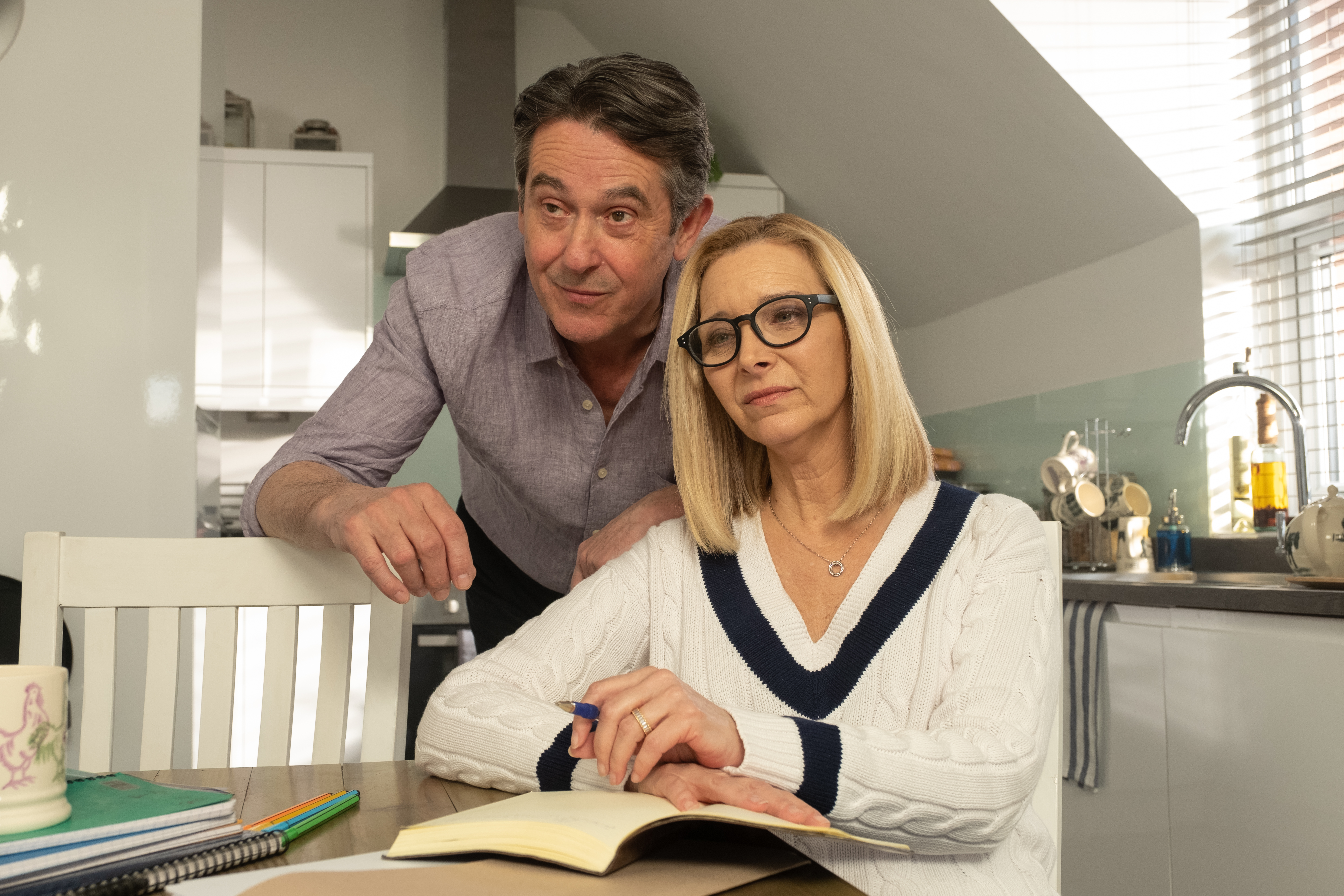
On a video chat with Mae’s parents, played wonderfully by Lisa Kudrow and Adrian Lukis, they have different responses to how living together is going.
Linda: How’s cohabitation?
Mae: Oh, so great!
George: A bit of an adjustment.
Also, a big fact of Mae’s life comes up—that she is a recovering drug addict. We begin to see a pattern of Mae keeping things from George as they try to share a life, while being especially clingy to an independent spirit like George.
Mae keeps things from George and George keeps Mae away from a big portion of her life—basically most of her life outside the walls of their apartment. Her hesitation to come out is a major source of contention and George does not treat Mae very well as a result.
They are both at fault for issues here, but they do have tender moments of understanding amidst the conflicts. On Feel Good Season 1 Episode 3, George outs herself by accident while under morphine. She doesn’t try to backtrack it which is important, and even though it is accidental, it is a significant gesture and Mae takes it as such.
This comes at the midway point of the six episode season and really exemplifies common challenges in any relationship.

On the next episode, however, Mae has some other outside stressors, such as the fraught relationship with her mother Linda (Lisa Kudrow) and the death of her childhood pet, and puts George’s recent fragility on the back burner.
But, just like with the other obstacles, they overcome it with compassion. Malcolm (Adrian Lukis), Mae’s father, puts things into perspective for her and they reconnect on a deeper level in an abandoned fishing shack on the beach, really putting the romance in rom-com without any of the cheesiness.
They do hit an obstacle that they are not able to overcome which is Mae’s relapse. Just like George was in new territory dating a woman, she is inexperienced in dealing with an addict. She breaks up with Mae thinking it is the only way to help her.
Feel Good has two main focuses: Mae and George’s romance and addiction. The show deals with the latter subject matter thoughtfully, showing the humanness of both sides—from the perspective of the addict and those that the addict affects. It is a good balance that allows the audience to be empathetic for everyone.

Obviously, Mae’s addiction doesn’t only affect George. We see how her past actions have changed her relationship with her mom. It is strained now, but they work through it, and in doing so they meet their own set of obstacles.
Linda’s attitude towards Mae is hardened—it has to be because of the hardships Mae’s addiction put her through in the past. Like George, she tried to use tough love when she didn’t know what else to do. When Mae relapses and asks for help, Linda immediately offers help without any of the barbedness that she usually has in their interactions.
Mae can ask her for help and Linda can offer it because of the inherent deep love they have for each other. No matter the jadedness we have seen between them up until this point, their actions in this moment are believable and even expected.
Martin and Kudrow have built an incredible under-layer of mother/daughter love in all of Mae and Linda’s acerbic exchanges.
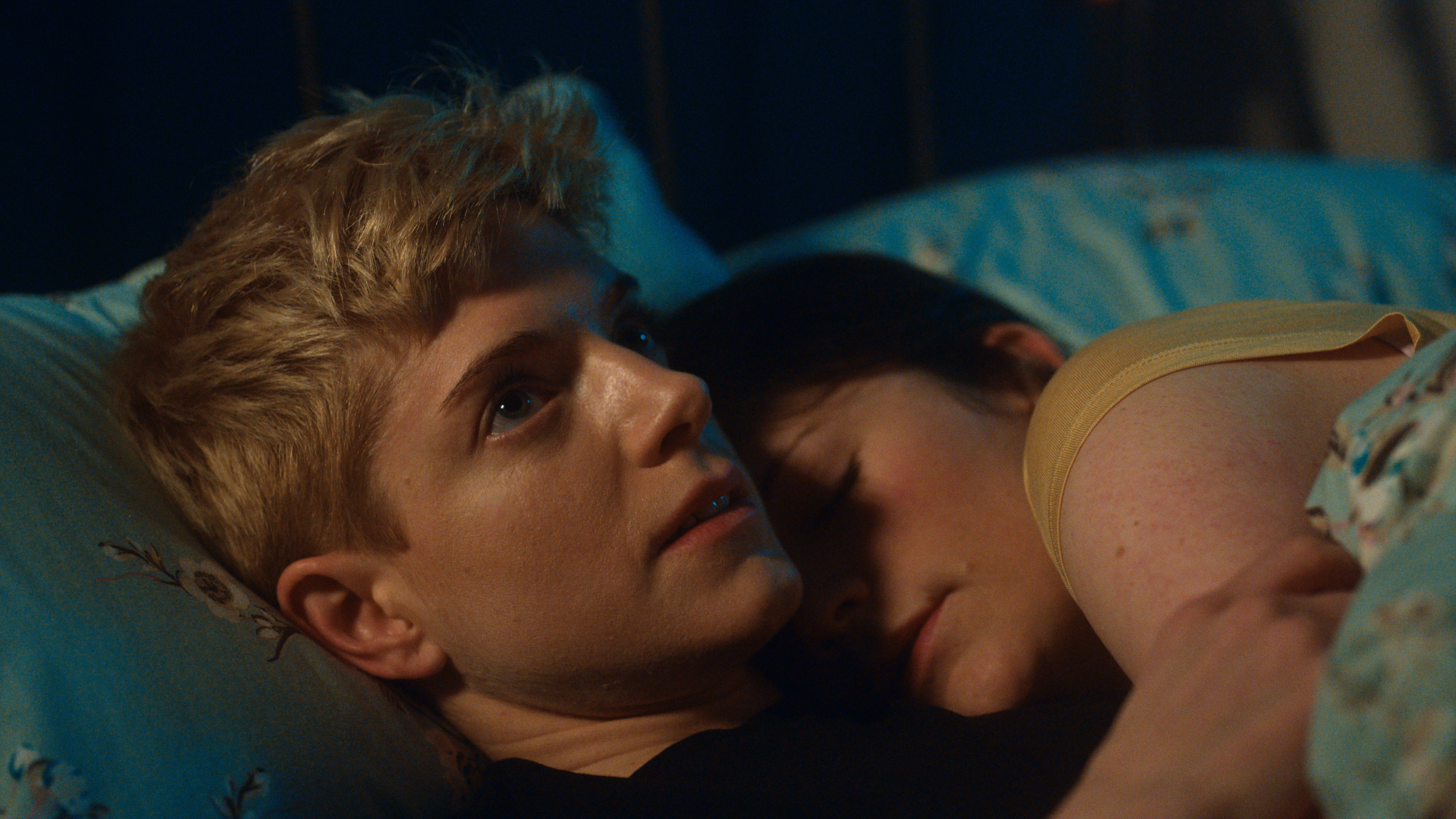
Another mother/daughter dynamic parallels nicely with this. Mae’s “sponsor,” Maggie (Sophie Thompson), is trying to reconnect with her daughter, Lava/Laura (Ritu Arya). The relationships are very different and so are the ways they all deal with addiction and its role in their lives, but there are similarities, too.
The Mae/Linda storyline would be enough to portray this, but adding in another dimension with Maggie/Lava brings even more depth to the subject matter as well as more conflict when Mae sleeps with Lava/Laura.
The season is so short with only six episodes, but they really pack in the plot with moves like this, and the story as a whole is enriched.
Stray Observations:
- George kind of reminds me of a British Ann Perkins.
- The high-pitched ringing sound is an effective device.
- “I think love should sit beside your life like a lamp.”
- Mae: Am I needy?
Linda: In general, yes. Why else would my body have expelled you four weeks premature? - I like the characters of Phil (Phil Burgers) and Nick (Tobi Bamtefa). And I also like the addition of an unlikeable character like Arnie Rivers (Barry Ward).
- There is a lot of really great dialogue that is simple but with profound meaning.
What did you think of the first season of Feel Good? Share your thoughts in the comments below!
Critic Rating:
User Rating:
Feel Good is currently streaming on Netflix.
 Follow us on Twitter and on
  Instagram!
Want more from Tell-Tale TV? Subscribe to our newsletter here!
Erin Allen

Erin is a former script supervisor for film and television. She's an avid fan of middle aged actresses, dark dramas, and irreverent comedies. She loves to read actual books and X-Files fan fiction. Her other passions include pointing out feminist issues, shipping Mulder and Scully, and collecting pop culture mugs.