
What TV Can Learn From Game of Thrones’ Mistakes
Given that sword-and-sorcery fantasy shows have rarely achieved much critical acclaim, it’s somewhat surprising that a show featuring wights and dragons managed to dominate the television landscape for nearly a decade.
During its eight season run, Game of Thrones defied convention by pulling in huge ratings and winning a whopping 59 Primetime Emmys. Its success proved that fantasy shows can be more than just campy romps — they can also be serious character dramas, using the heightened stakes of a fantasy world at war to examine the ugliness of the human desire for power.
Despite its successes, the show’s final season left many viewers with a deep sense of betrayal. The drama that kept us on the edge of our seats for so many years went out with a whimper rather than a bang, failing to evoke the right emotions when it mattered most.
Now that Game of Thrones has come to an end, there are a number of new shows hoping to capture its audience: HBO’s His Dark Materials, Netflix’s The Witcher, and Amazon’s forthcoming Lord of the Rings prequel, to name a few.
Any show seeking to become “the next GoT” would also do well to learn from its predecessor’s missteps.
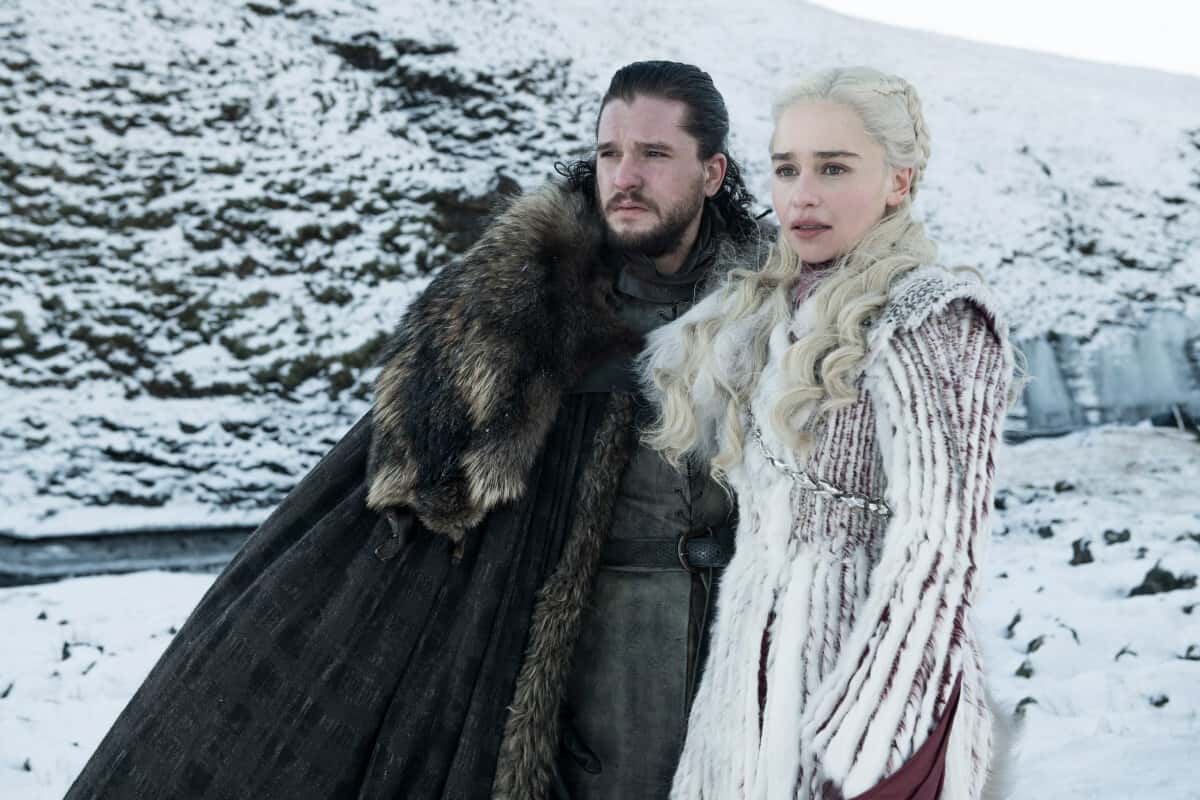
The first of these is that Game of Thrones never learns how to effectively build suspense, and instead relies too heavily on shock value.
Surprises are an important part of the show’s DNA, starting with Ned Stark’s unexpected death in the story’s first act. This is an effective choice because it arrests and alarms the audience — it makes us take a step back and rethink our assumptions, both about Ned as a character and about the direction of the story as a whole.
But while plot twists can be fun and galvanizing, a narrative that leans too heavily on them, particularly toward its conclusion, can also feel frustratingly aimless.
This is why stories need to balance surprise with suspense — the sense of the inevitable about to happen, and the uneasy moments we spend waiting to see if it actually does. Whereas shock uproots us from our understanding of a story, suspense helps us feel grounded in it by building tension.
Game of Thrones consistently chooses to prioritize shock instead of building suspense, and that becomes especially detrimental toward the end of the series.
For example, when a council convenes to choose a new ruler on Game of Thrones Season 8 Episode 6, “The Iron Throne,” the decision to crown Bran Stark seems to come out of nowhere.

photo: Macall B. Polay/HBO
There is no trail of breadcrumbs leading to this ending, no sense that it is even a possibility until the exact moment that it happens. That’s fine for an action that begins a story, but as an ending, it just feels frustrating — especially when storylines that do feel suspenseful, like Daenerys’s, have been jettisoned in favor of one last “gotcha!” moment.
Maybe there’s a version of the story where Bran becoming King does make sense — where the breadcrumbs have been strewn throughout the narrative, planting the seed of the idea in the audience’s mind, so that when it happens it feels like a satisfying confirmation of what we suspected all along rather than a random idea pulled out of a hat.
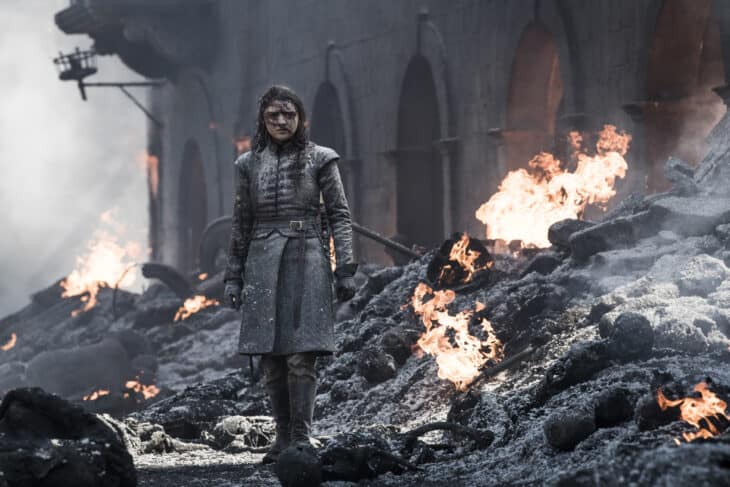
Similarly, the show could have spent more time laying the groundwork for Daenerys’s decision to decimate King’s Landing on Game of Thrones Season 8 Episode 6, “The Bells,” so that it felt more like the inevitable conclusion for her character.
In both instances, though, it seems like several steps of character development went missing somewhere along the way.
This is another lesson that future shows should pay attention to: when it comes to character arcs, you can’t skip steps.

photo: Courtesy of HBO
The wonderful thing about television as a medium is that it allows us to spend extended periods of time with a show’s characters. As we learn about their motives, hopes, fears, and insecurities, we come to know them more intimately than we know many of the actual people in our lives. We might have tuned in for a show’s initial premise or plot, but the characters are what we stick around for.
Common storytelling issues — including rushed pacing, minor plot holes, or underwhelming scripts — can be forgiven, as long as we come away feeling like the characters’ journeys really meant something to us.
When Game of Thrones succeeds in this regard, it does so memorably.
One example is Sansa, whose ability to learn from her mistakes proves essential to her survival. Sansa’s arc is a testament to the strength of endurance, and the importance of “soft power” — gaining loyalty by appealing to peoples’ values, rather than coercing them by military force.
Stories like Sansa’s, however, eventually become overshadowed by narratives that seem to lack intention despite being central to the plot.
Dany’s arc, for instance, is dissatisfying not because it has a tragic ending, but because we’re left wondering what the purpose of it is — how it’s supposed to make us feel, and what insight we’re meant to take away from it.
Game of Thrones certainly understands that stories are important. Tyrion says as much, during the council scene on Game of Thrones Season 8 Episode 6, “The Iron Throne.”
Tyrion: What unites people? Armies? Gold Flags? Stories. There’s nothing in the world more powerful than a good story. Nothing can stop it. No enemy can defeat it.
What the show seems to lose track of, though, is why stories are powerful.
It’s because they affect change, on a personal level, by deepening our understanding of their subject matter.
Stories help us see the world from new perspectives so that we can know a little more about the confusing, beautiful, sad, wondrous experience of being human. In order to do this, they have to be more than just a series of events tied together. They also have to be about something.
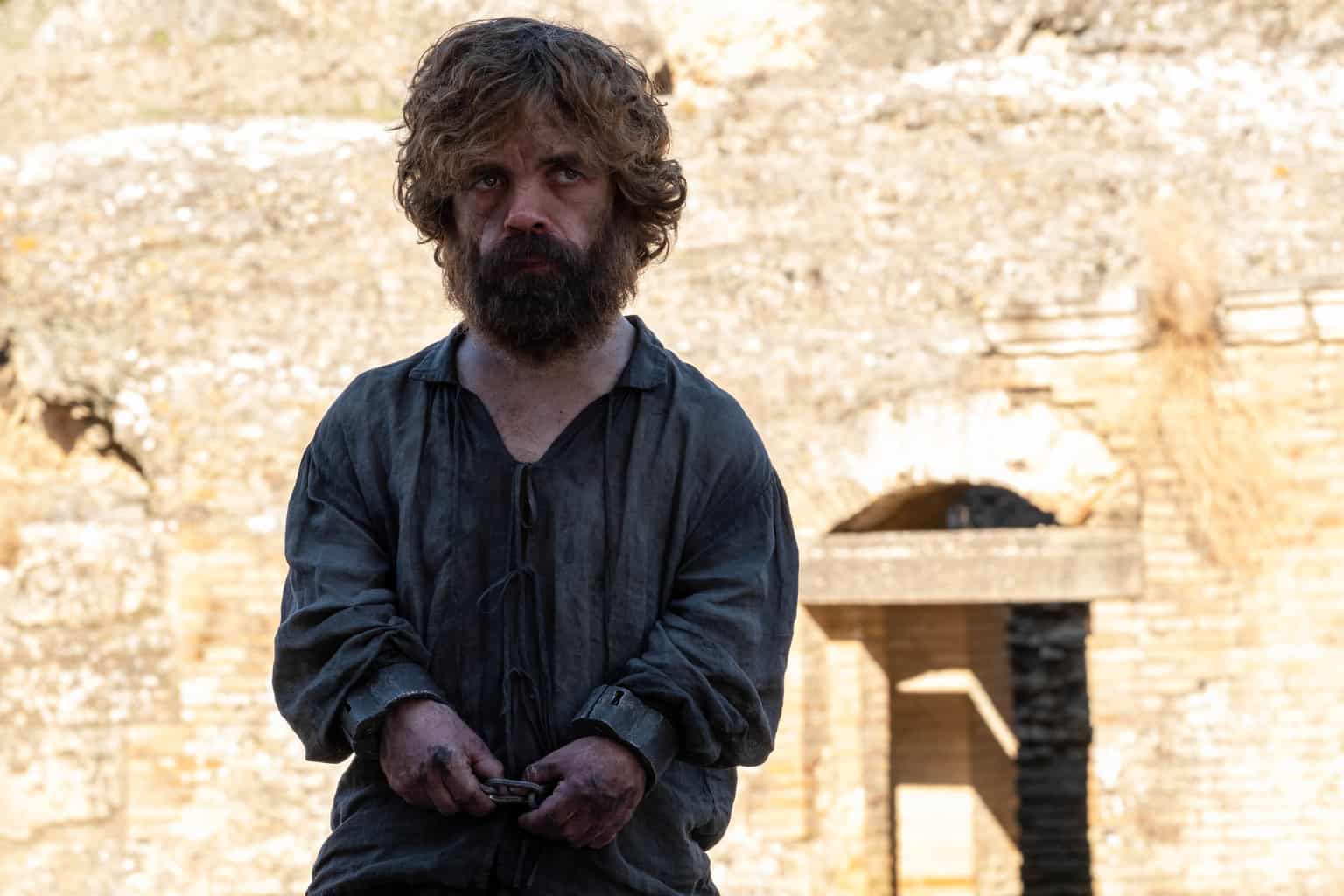
photo: Macall B. Polay/HBO
If you get to the end of a story and can’t say what it was about — if it didn’t make you reconsider anything about how you see the world, or other people — then that story has been told poorly.
I’m not sure the showrunners of Game of Thrones — one of whom once famously opined that “themes are for eighth-grade book reports” — ever really knew what their story was about, or why they were telling it.
By the time the final season comes to an end, the show clearly suffers from that lack of certainty.
This, therefore, should be the biggest takeaway for shows looking to avoid Game of Thrones‘ failures: that it is essential for a show’s writers to know what story they’re telling, what they want to say about it, and why it matters.
—
 Follow us on Twitter and on
  Instagram!
Want more from Tell-Tale TV? Subscribe to our newsletter here!
Ariel Udel

Ariel fell in love with storytelling on the night Flight 815 crashed on a mysterious island, and has been blogging about television ever since. She has an affinity for messy female anti-heroes and an enduring love of Battlestar Galactica, Xena: Warrior Princess, Lost, and Halt and Catch Fire.
One thought on “What TV Can Learn From Game of Thrones’ Mistakes”
Game of Thrones was the most successful show of the decade so it’s hilarious to consider it a “failure” and that lesser shows should learn from its “mistakes”. Let’s see if any of those GoT wannabees get a fraction of the viewers or Emmys first.
Obviously, this article is a ridiculous take written by someone spending too much time on Reddit.
Comments are closed.