

The L Word: Generation Q Review: Let’s Do It Again (Season 1 Episode 1)
When The L Word premiered in early 2004, it broke ground as the first TV show to center lesbian and bisexual women at a time when same-sex marriage was not yet legal in any state.
The show was a flawed but crucial touchstone for an entire generation of queer women, who were finally able to see their identity — or at least a version of it — depicted onscreen with a sense of normalcy. And while many of the show’s storylines have aged poorly since then, particularly those pertaining to bisexual and transgender characters, The L Word‘s legacy and cultural importance have endured.
Ten years after the original show ended, The L Word: Generation Q blends members of the old cast with a more diverse group of new characters, hoping to recapture the show’s pleasurable melodrama while telling stories that are more relevant in a new era of queer culture.

In The L Word: Generation Q Season 1 Episode 1, “Let’s Do It Again,” an opening credit sequence set to Lizzo’s “Better in Color” helps the show establish a tone that’s noticeably sunnier and more vibrant than the soapy angst of its predecessor.
Finley’s post-credits bike ride across town, replete with establishing glamor shots of Los Angeles, helps sets the pace for the episode: it’s brisk and purposeful, moving quickly between scenes and storylines but still finding plenty of time to bask in the joy of its revival.
The return of Alice, Shane, and Bette is, of course, one of the chief pleasures of this pilot episode. Leisha Hailey, Kate Moennig, and Jennifer Beals — all of whom also serve as executive producers on The L Word: Generation Q — step back into their iconic roles with ease, and the conversations between their characters flow so naturally that I wouldn’t be surprised if some of the lines were ad-libbed.

Leisha Hailey’s performance is particularly impressive. Her comedic timing has always been excellent, but the way she repaints Alice’s bubbly persona with a new layer of awkward maturity is truly a joy to watch.
There’s plenty of fan service in this episode, including references to past shenanigans like Alice and Bette’s theft of a billboard, and Shane’s latent sexual interest in Alice’s mom. But there’s also material that helps The L Word: Generation Q stand on its own as a show that viewers who didn’t see the original can still thoroughly enjoy.
The quartet of new main characters — Finley, Sophie, Nina, and Micah — are charismatic, instantly likable, and have great chemistry as a group.
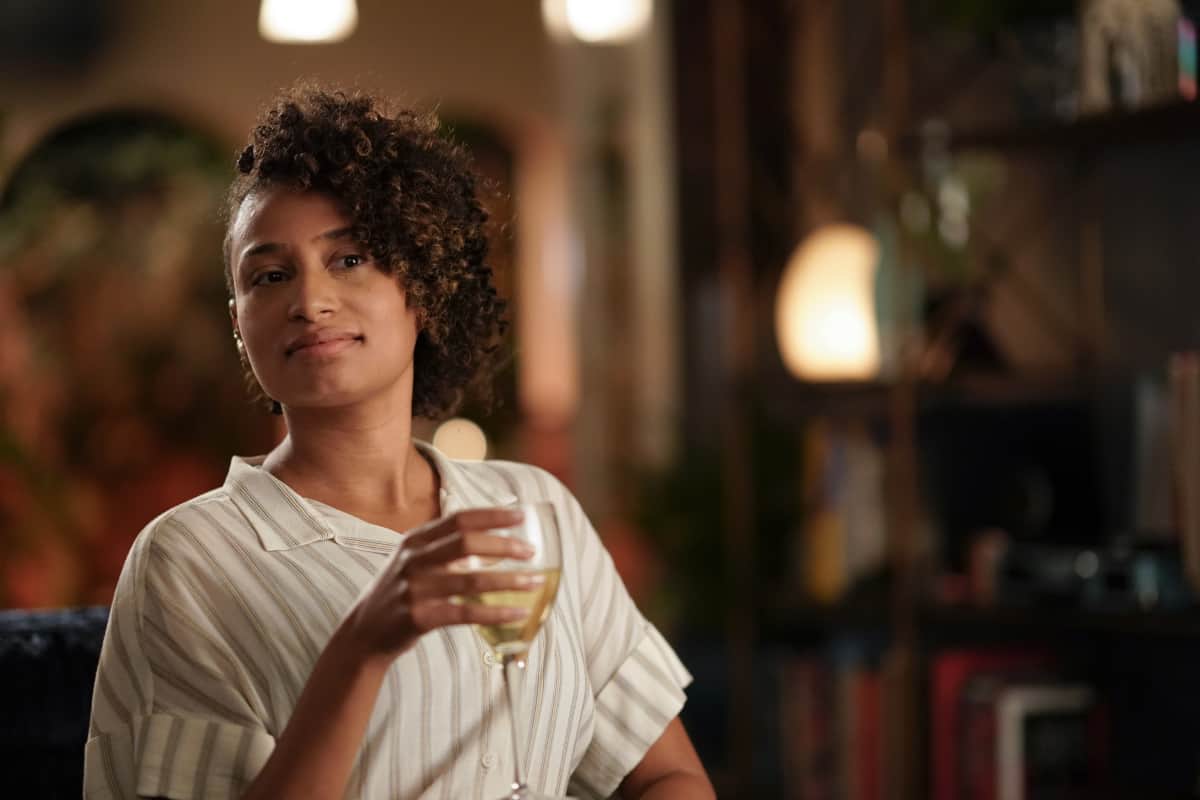
As is the case with most television pilots, there’s a lot of exposition involved in trying to quickly establish who these characters are and what their relationships are with each other, to varying degrees of success.
Dani gets the most solo screen time, and while her scenes do a good job of establishing her motivation for joining Bette’s campaign, they also create a drop in momentum during the middle of the episode. It’s important to understand who Dani is, but it’s much more fun to learn about her in the context of her scenes with Sophie or Bette than in her rather drab corporate workplace.
Not every scene works perfectly, but the most important thing is that we learn enough about these new characters to start developing an easy affinity for them.
Aside from the “newbies” and the “OGs”, one of the most compelling relationships in the pilot is between Bette and her teenage daughter Angie. The tension that exists between a sixteen-year-old starting to explore her identity, and a parent who is loving but visibly flawed, feels like fertile ground for a kind of storytelling this show has never done before.
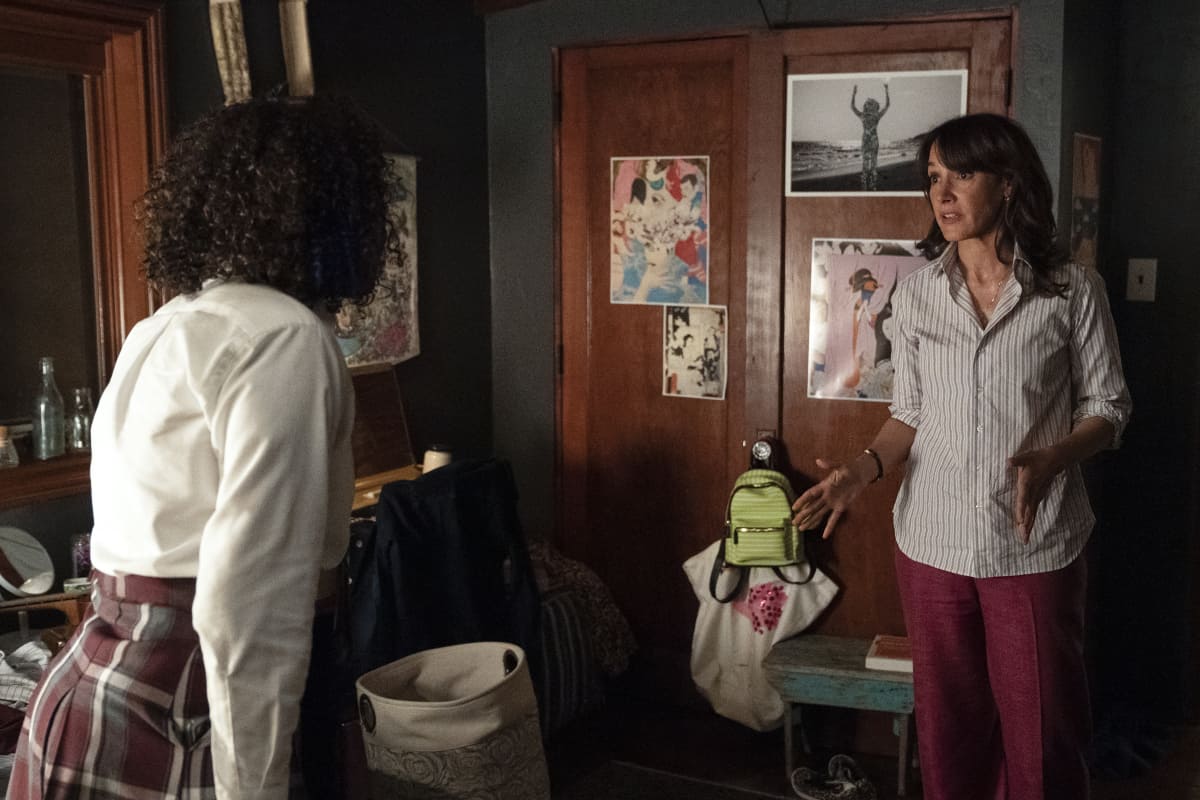
The benefit of having characters on The L Word: Generation Q who are now older and in a different era of their lives is that it opens the show up to tell broader stories — ones that encompass entire families instead of just individuals.
That expansiveness mimics the way The L Word‘s audience has changed and grown, too. Many of us watched the original show alone and in secret, experiencing our identity as something individual and isolating. Now the show is something we can discuss without shame — not just with fellow queer women, but other friends and family too.
If the pilot of this revival feels a little bit like a victory lap, that’s probably because it is one.
It’s a whole-hearted celebration of how substantially queer representation on television has changed, and how it can keep creating space to tell new stories.
What did you think of this episode of The L Word: Generation Q? Share your thoughts in the comments below!
Critic Rating:
User Rating:
The L Word: Generation Q airs Sundays at 10/9c on Showtime.
 Follow us on Twitter and on
  Instagram!
Want more from Tell-Tale TV? Subscribe to our newsletter here!
Ariel Udel

Ariel fell in love with storytelling on the night Flight 815 crashed on a mysterious island, and has been blogging about television ever since. She has an affinity for messy female anti-heroes and an enduring love of Battlestar Galactica, Xena: Warrior Princess, Lost, and Halt and Catch Fire.