

Manhunt Season 1 Episodes 1-2 Review: Pilot & Post-Mortem
Apple TV’s new historical drama, Manhunt, begins with two new episodes: Manhunt Season 1 Episode 1, “Pilot,” and Manhunt Season 1 Episode 2, “Post-Mortem.”
The series is an adaptation of James L. Swanson’s book of the same name. It chronicles the 12-day search for John Wilkes Booth following his assassination of Abraham Lincoln.
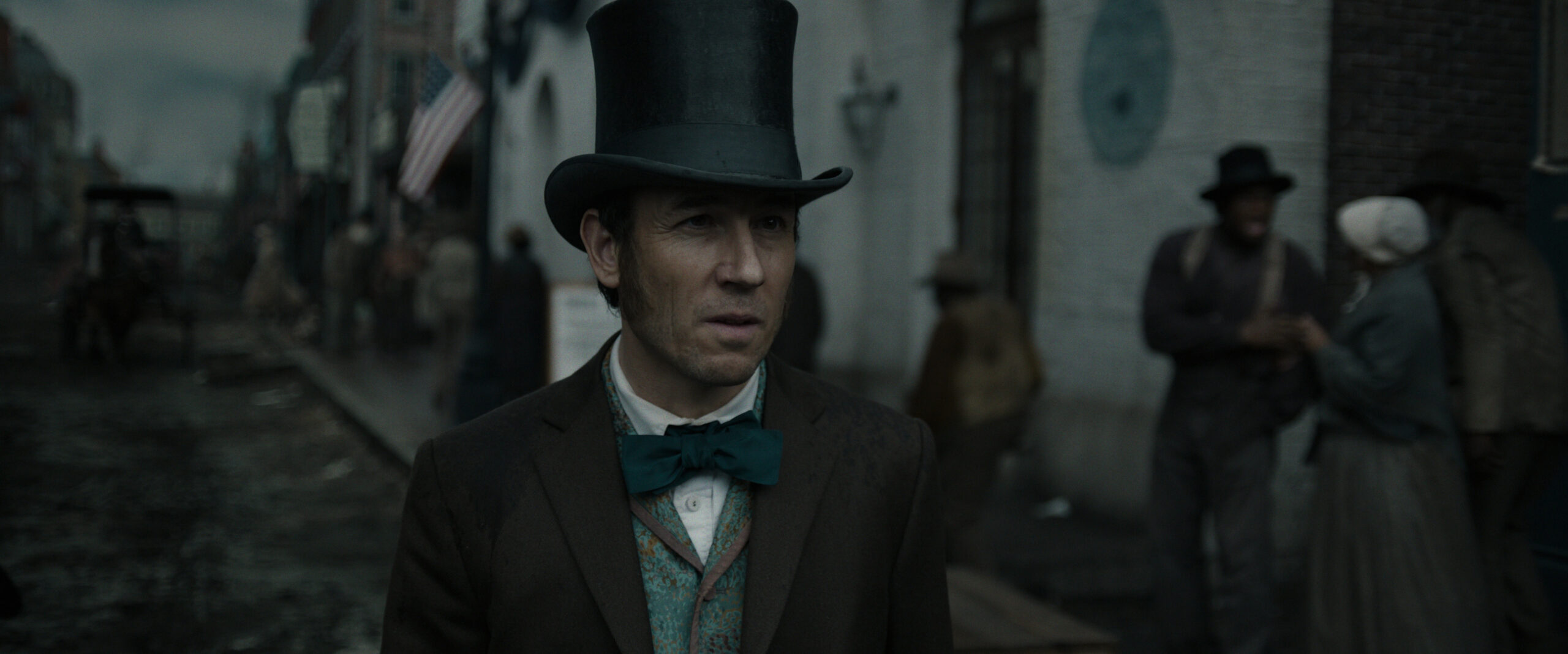
The assassination of Abraham Lincoln is one of the most significant moments in US history. It is as close to a universally known fact as you can get in the US. For most people, however, it is little more than the tragic coda of the Civil War.
The series is a historical fiction and political thriller. Many of the events depicted on screen are not things that actually happened. Still, the time period offers ample ground to explore and expand on.
If done right, it can offer insight into the people and events of the time, as well as the current state of US politics.
The first two episodes center on the assassination itself and the early part of the investigation. It starts to lay out the pieces of the larger conspiracy that Lincoln’s assassination was a part of.
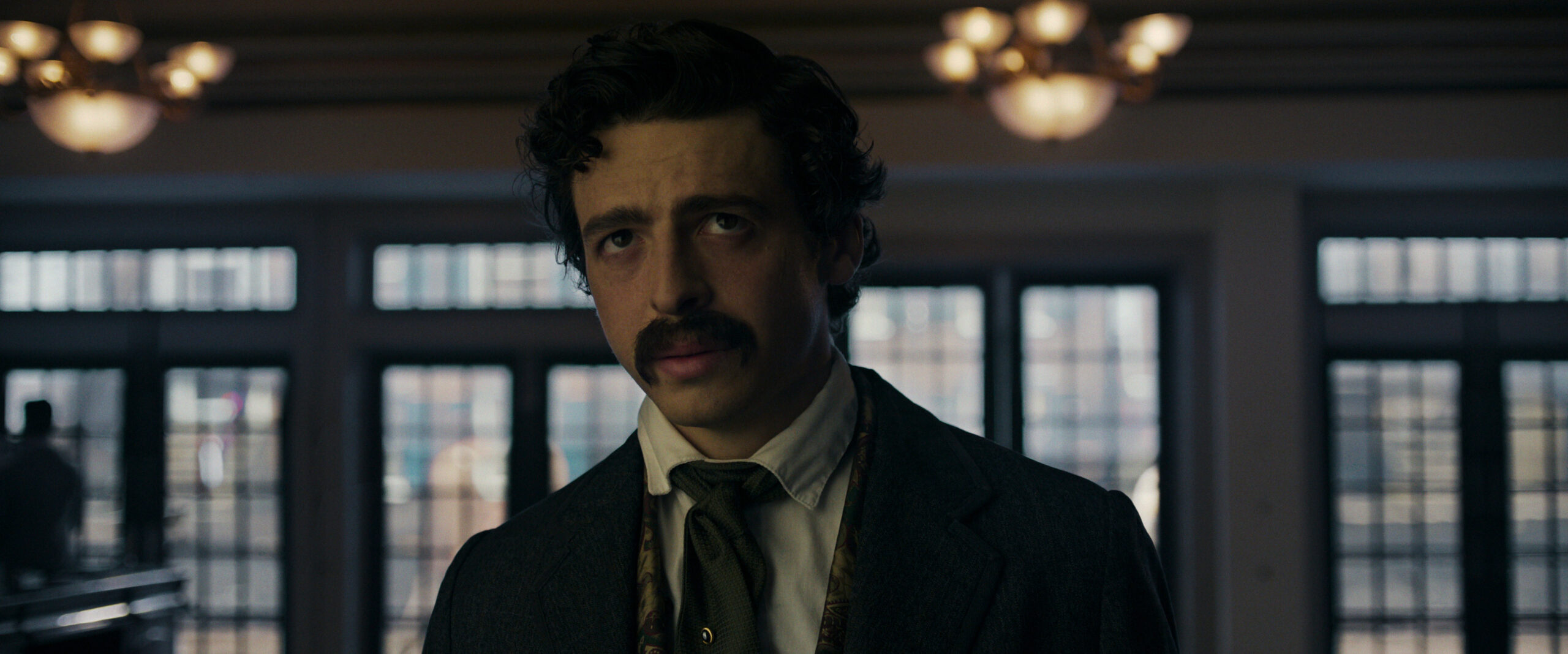
Smartly, the series doesn’t reveal the details leading up to the assassination linearly. It does it through flashbacks showing snippets of the days and hours leading up to that fateful night in Ford’s theater.
With all the time jumps it can be hard to keep track of everything. Still, that bit of disjointed storytelling helps bring viewers into the emotional state of the characters on screen.
Viewers may not know the whole story of Lincoln’s assassination. However, even knowing that he was murdered gives them privileged knowledge that would take them out of the emotional moment if everything played out more straightforwardly.
The time jumps help keep viewers off balance enough to mirror, at least to a small degree, the confusion of the moment and the hours that immediately followed.
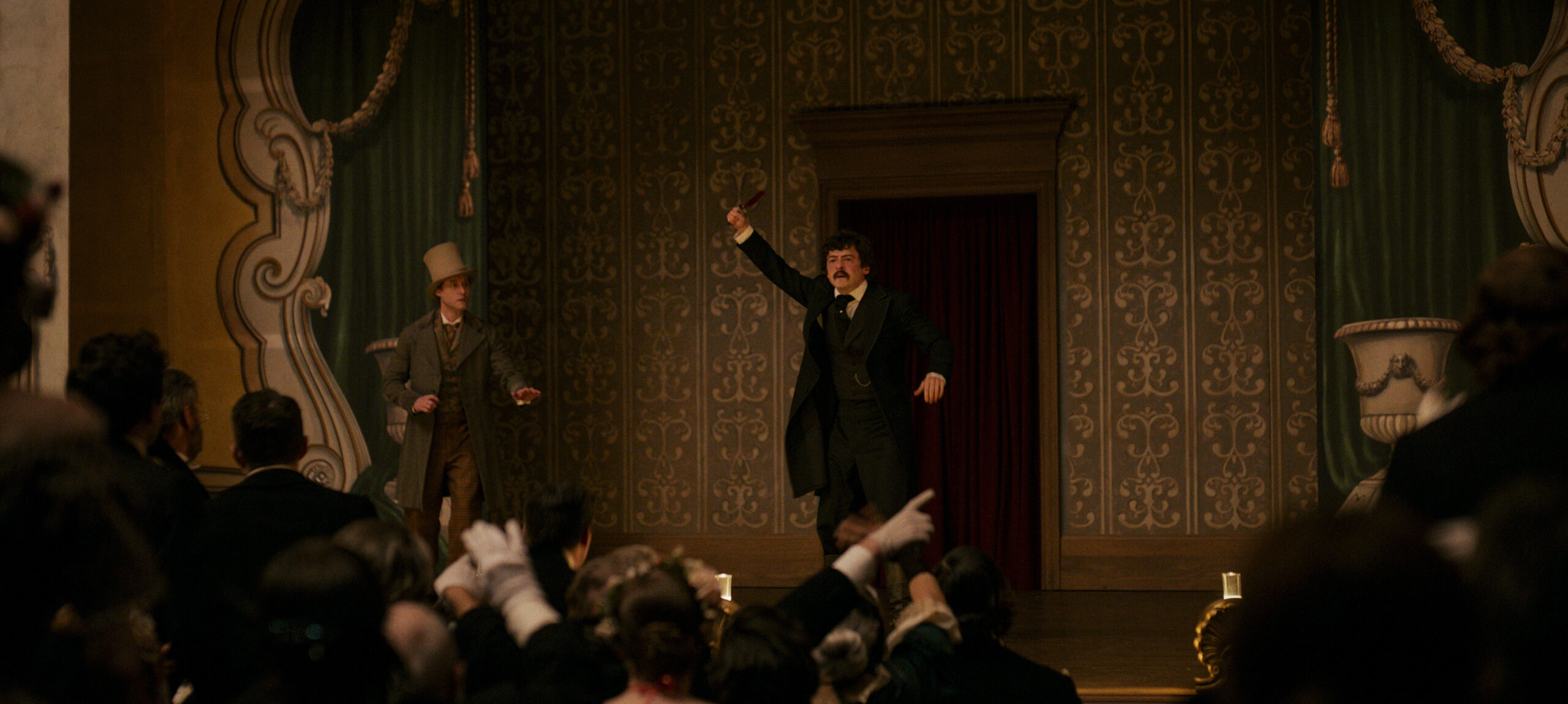
The episodes also introduce people involved in the conspiracy or investigation whom most folk have either never heard of or haven’t considered since high school history.
That includes the series’ main character, Lincoln’s Secretary of War, Edwin Stanton, who led the pursuit of Booth. Tobias Menzies plays Stanton. Menzies does an excellent job anchoring the series and acting as the moral compass for viewers.
He has a presence that immediately grabs viewers’ attention. He gives them a strong focal point to help ground them as they are dropped into the middle of world events without much context.
One character introduced on the first episode that most viewers will likely not have heard of is Mary Simms, played by Lovie Simone. Mary is easily the most intriguing and sympathetic of the new names introduced to viewers.
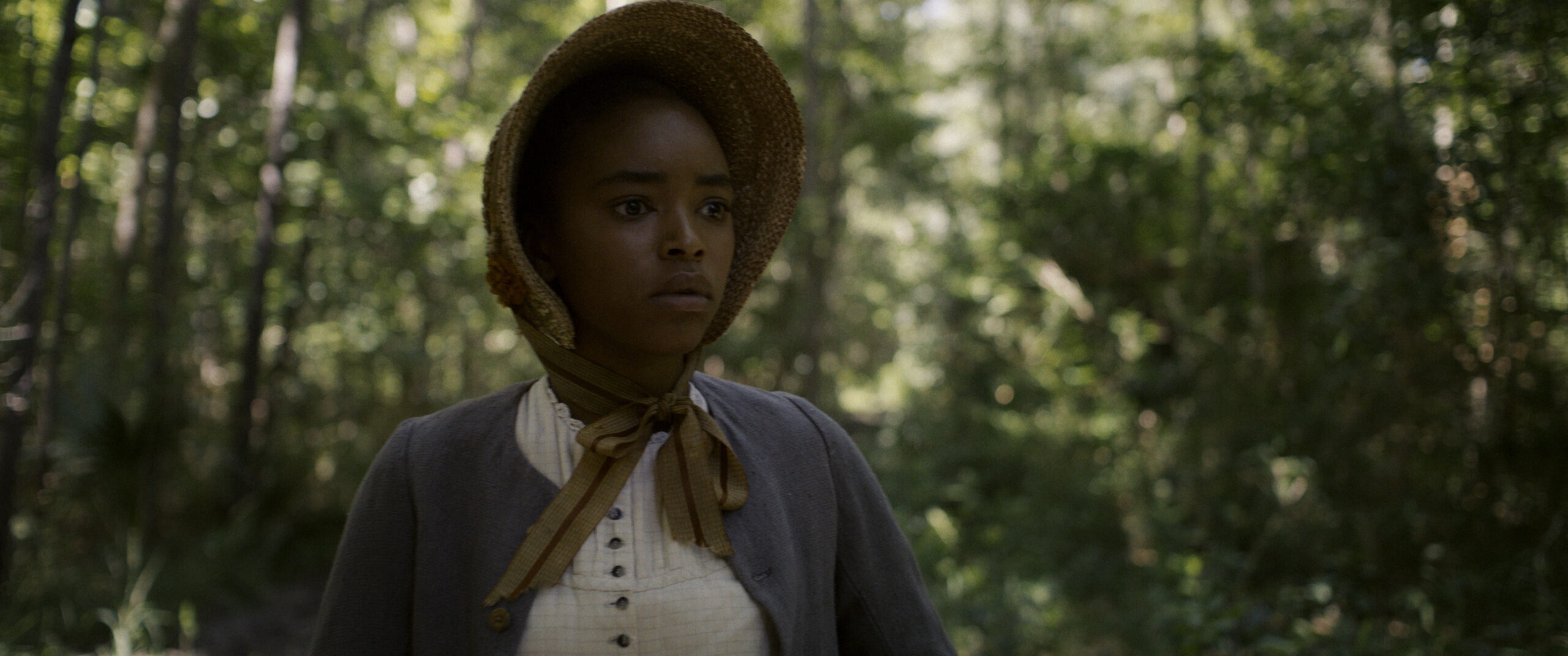
She is poised to be the show’s standout character, with Simone, a standout performer. While the flashbacks to her backstory can feel a bit clunky, she is the character I’m most invested in outside of Stanton.
Going into Manhunt, my main worry was that in trying to make Booth a compelling character, they would make him overly sympathetic. Or that they would focus so much on his psychology that they would lose sight of the white supremacist politics that drove his actions.
Fortunately, that is not the case. At least in the first two episodes, the series makes Booth an interesting character without asking viewers to sympathize with him. If anything, the more they flesh his character out, the more despicable he is. This is especially true during his scenes with Mary.
While the first two episodes are pretty engaging overall, I have a couple of qualms. The first is that the series bills itself as a political thriller but often lacks the tension of a thriller.

That could improve as the focus moves toward the pursuit of Booth. However, for now, it lacks the excitement required to be called a thriller.
My bigger criticism is the depiction of the North on “Pilot” and “Post-Mortem.” The episodes do an excellent job characterizing John Wilkes Booth, but the depiction of the North feels too rosy and egalitarian.
While Edwin Stanton was a Radical Republican and Abolitionist, it’s well-established history that a large part of the North and Lincoln’s cabinet did not share his views.
The North was rife with racism and those loyal to the Union who had no interest in freeing enslaved people. White supremacist views were common even among those who opposed slavery on moral grounds.
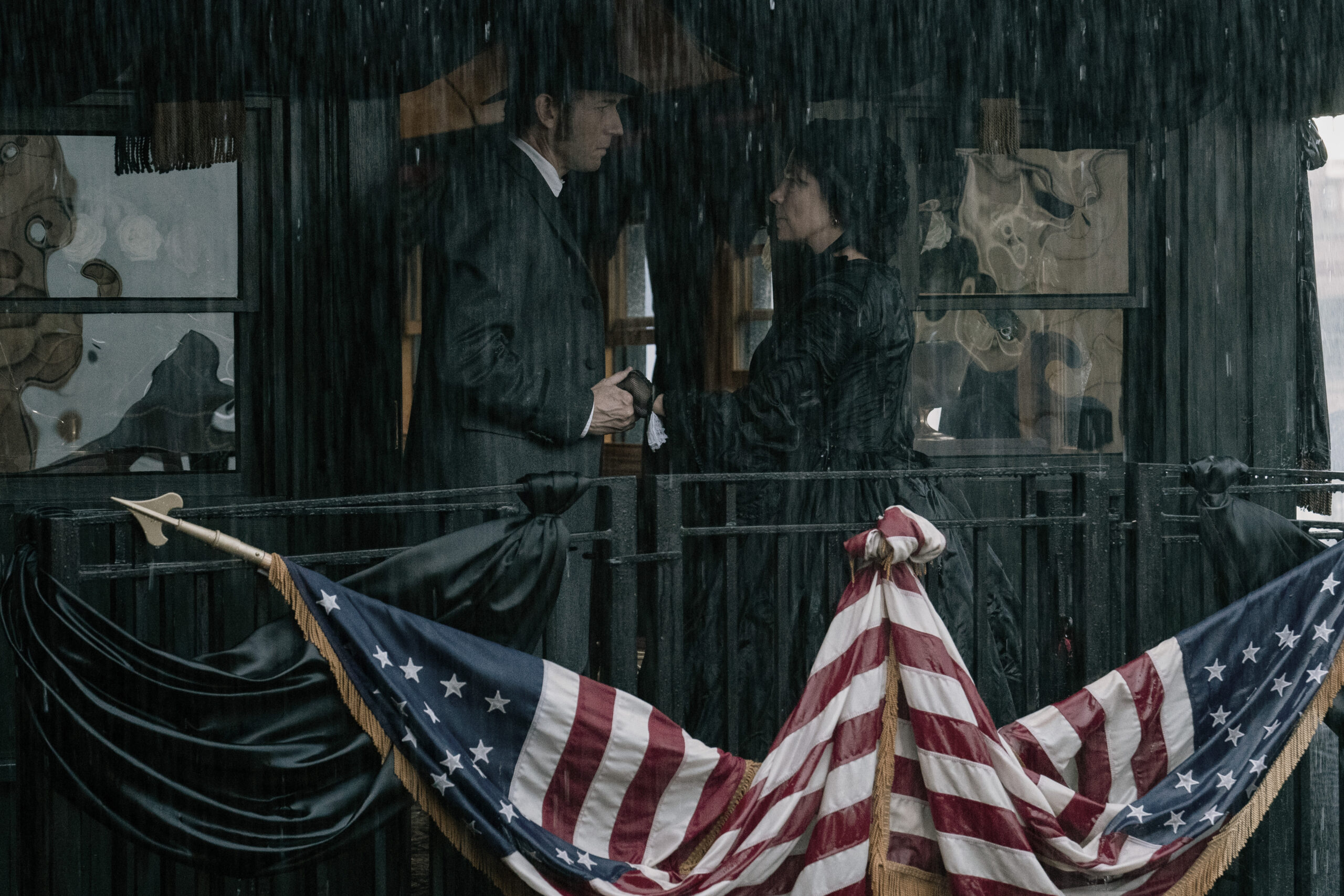
Yet, watching “Pilot” and “Post-Mortem” outside a few throwaway lines and people like Vice President Johnson, you’d never know that.
I’m not ready to call the series out for this definitively. There are a few lines that vaguely point to the racist views shared in the North. The scenes with Andrew Johnson certainly hint at the potential for a rich investigation of these themes related to Reconstruction.
Still, the lack of any racial tension in the North during the first two episodes feels odd.
“Pilot” and “Post-Mortem” aren’t perfect episodes, but they are solid and a good start to the series.
—
What did you think of these episodes of Manhunt? Share your thoughts in the comments below!
Critic Rating:
User Rating:
Manhunt streams Fridays on Apple TV+.
 Follow us on Twitter and on
  Instagram!
Want more from Tell-Tale TV? Subscribe to our newsletter here!
Sarah Fields

Sarah is an obsessive geek who likes to get into the weeds and over think things. She is passionate about Sci-Fi and comics and is a giant classic film nerd. Sarah cares deeply about media representation and the power of telling diverse stories. When she's not writing or watching her favorite shows she spends her days working in the non-profit world trying to make life a little better for those that need some extra help.