
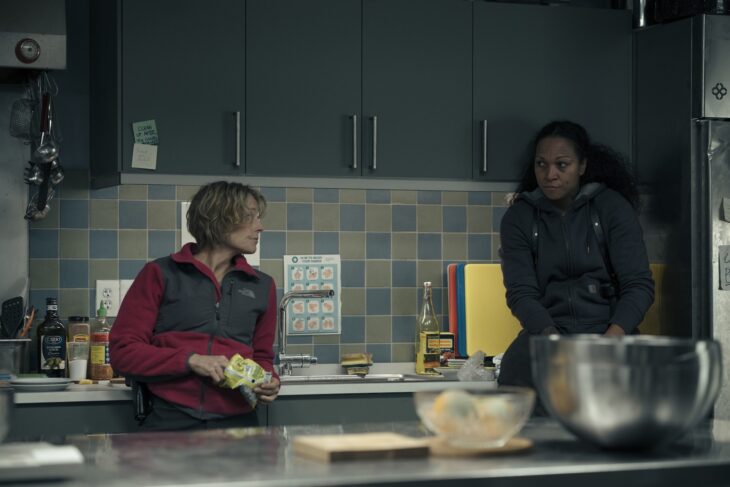
True Detective: Night Country Season 4 Episode 6 Review: Part 6
True Detective: Night Country Season 4 Episode 6, “Part 6,” delivers a resonant finale from an emotional perspective that doesn’t offer all the answers on a silver platter, and that’s okay. While it’s certainly not free of narrative flaws, it gives closure to Annie Kowtok’s murder and forces our two leads to reckon with their trauma.
Part 6
“Part 6” is already plagued with polarizing reviews, ranging from delivering “its best finale ever” to offering a “truly embarrassing season finale.”
Perhaps where one falls on that spectrum depends solely on what you want to take from “Part 6.”
Sure, that seems too “art is subjective” (which is true) and woo-woo, but comparing it to the masterful first season does little good. Dissecting this finale through the scope of this season might make you feel less compelled to pull your hair out.
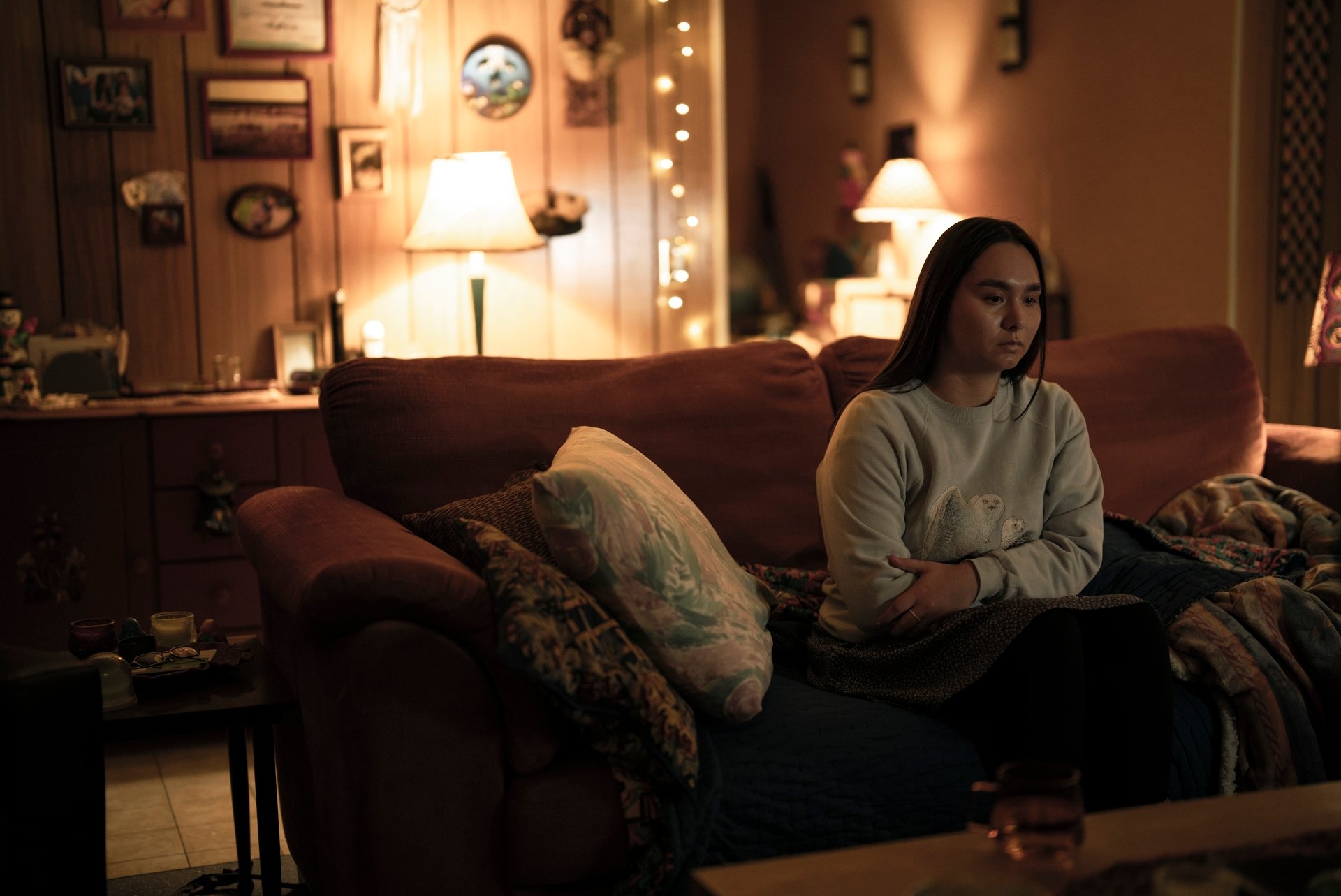
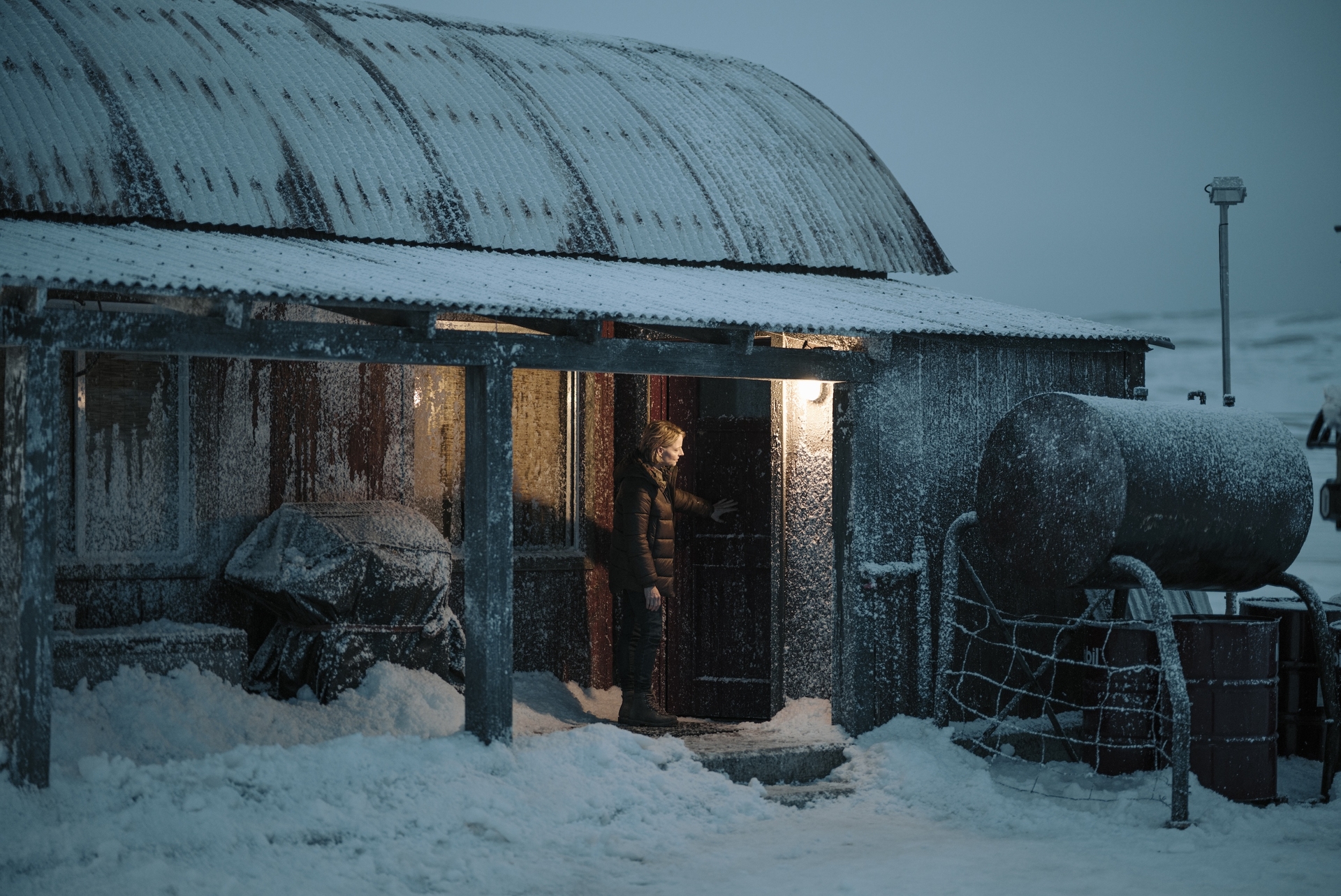
The outing attempts to build on the momentum established in “Part 5,” wherein Pete murdered Hank after the latter killed Otis Heiss. Then, Navarro and Danvers left Pete to clean up his mess while they explored the ice caves. One thing True Detective: Night Country has effectively showcased all season is the stunning yet unforgiving tundra that envelopes Ennis.
The Landscape
These ethereal views contribute to the show’s atmospheric, supernatural elements, complete with gorgeous shots that one could easily frame for display in their home. As it has been from the get-go, Ennis is a major player this season.
This also lends itself to Indigenous culture and how their environment plays a role in their stories. Natives’ inextricable connection to the land as its stewards is beautifully tied into the narrative.
Notably, there was the revelation that Tsalal Station asked Silver Sky Mining to increase pollution for their “world-changing” work that would eradicate illness (which, unsurprisingly, caused sickness and death).
We’re All Stories
“Part 6” is a loving homage to Indigenous folks and rightfully empowers them in a real-world narrative that’s been given little attention for far too long (Missing and Murdered Indigenous Women and Girls). When Danvers and Navarro visit Bee and the Native women, they discover a surprising story. Well, Bee claims it’s a story.
However, we see the women take justice into their own hands as they avenge Annie in True Detective: Night Country. They leave the Tsalal scientists out in the cold as a sacrifice to “Her.” While Bee doesn’t offer a concrete confession, there’s beauty in her categorizing this account as a “story.”
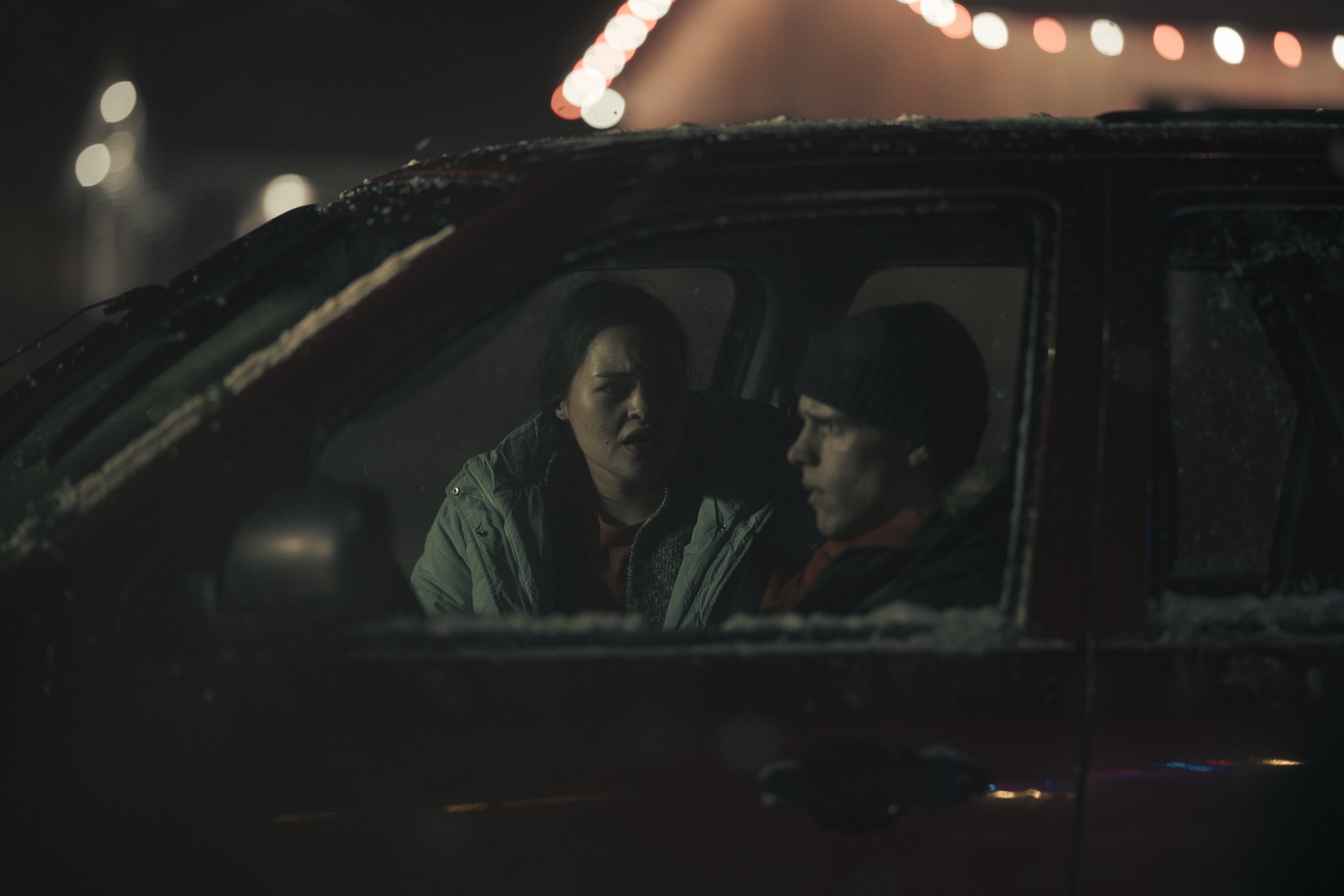
Stories are integral to Native culture. In life, where they are afforded few opportunities to be supported and protected, it’s lovely that Issa López makes Indigenous folks feel seen and heard.
Supernatural Elements
Then, there are the supernatural aspects, some of which go unanswered in “Part 6.” For example, Clark believes Annie rose from the dead to slaughter the Tsalal scientists. While some can (presumably) be attributed to making Mother Nature a powerful entity in True Detective: Night Country, other facets, such as the ghosts plaguing Navarro and Danvers, can (possibly) be chalked up to their respective traumas.
Navarro addresses how Clark endeavored to “hold down the hatch” while Bee and the other women rounded up his fellow scientists. It resonates with how she’s been feeling — as if she, too, was holding down the hatch for so long to keep whatever was outside from coming inside.
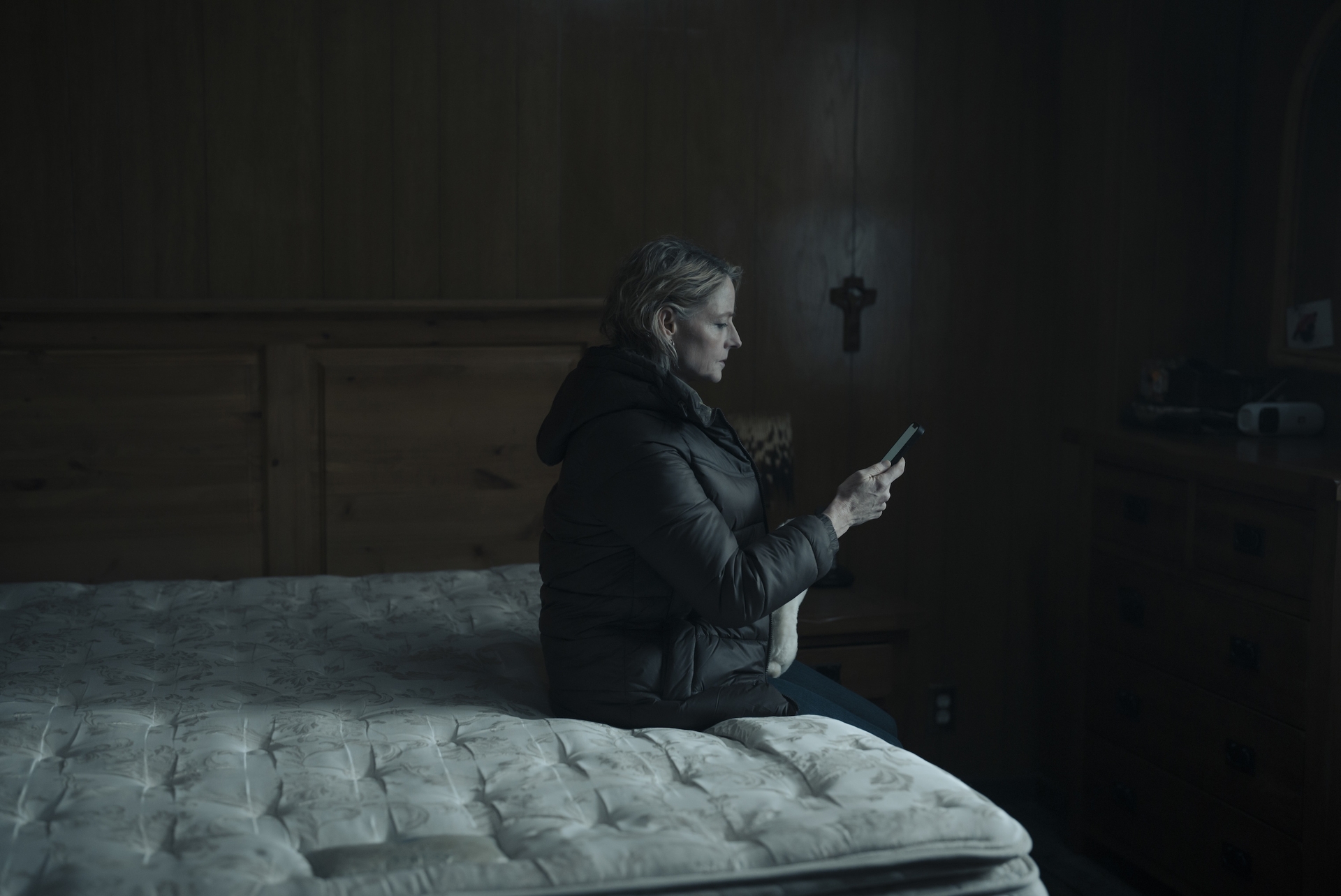
Danvers faces the same conundrum regarding her grief and guilt over the loss of her son. Perhaps it’s too on the nose, but the long dark, the “Night Country,” if you will, represents their collective trauma. It waits for them to acknowledge and heal from it.
Mental Health
Navarro incessantly finds herself wanting to answer the voices calling to her. I’m no doctor, but I’d wager that her sister Julia and their mother had schizophrenia and/or borderline personality disorder. Since mental illness usually results from genetics and your overall environment, it wouldn’t be too out there to suggest that Navarro boasts the same diagnosis.
This is one of True Detective: Night Country‘s flaws. There’s a fine line between what’s “supernatural” and what’s merely a mental projection. Mental health wellness, in general, is still quite stigmatized. Adding on to that is how Native women have few resources regarding mental health. López and her team are too vague about what Navarro, Julia, and their mother experience.
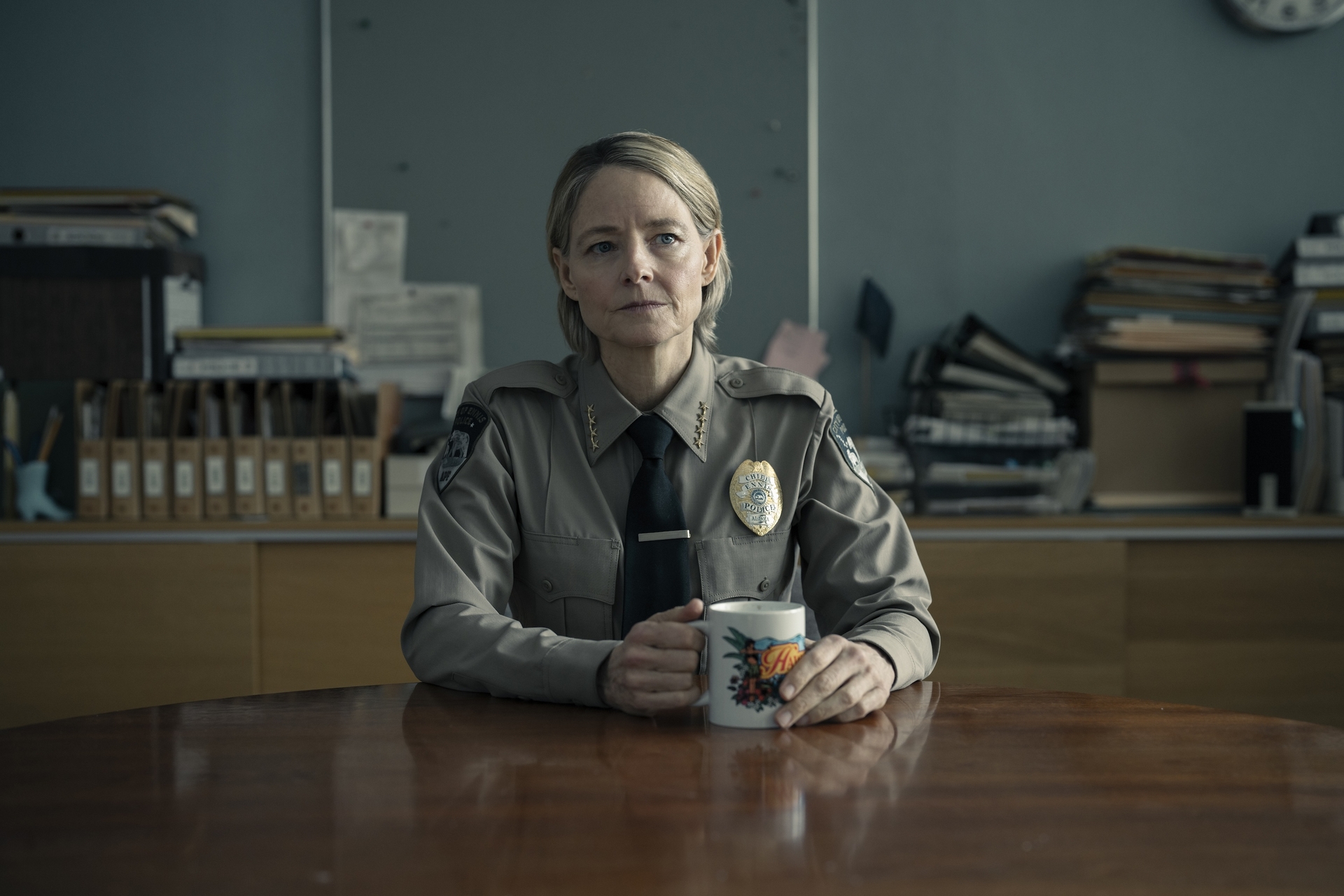
Then, we see Navarro walk out onto the ice fully clothed. Before that, Danvers urges her to return should she heed those voices’ call. The final shot of “Part 6” consists of Danvers vacationing in a lakeside cabin as Navarro joins her on the porch.
Navarro’s Fate
But does Navarro survive, or does she die on the ice? Could that be her ghost with Danvers?
The long dark in Ennis supposedly fuels its supernatural activity, as does grief. Rose constantly sees her late partner. It wouldn’t be far-fetched to suggest that Navarro died, leaving Danvers with her ghost. While this lack of clarity regarding Navarro’s fate might frustrate some, we don’t need all the answers.
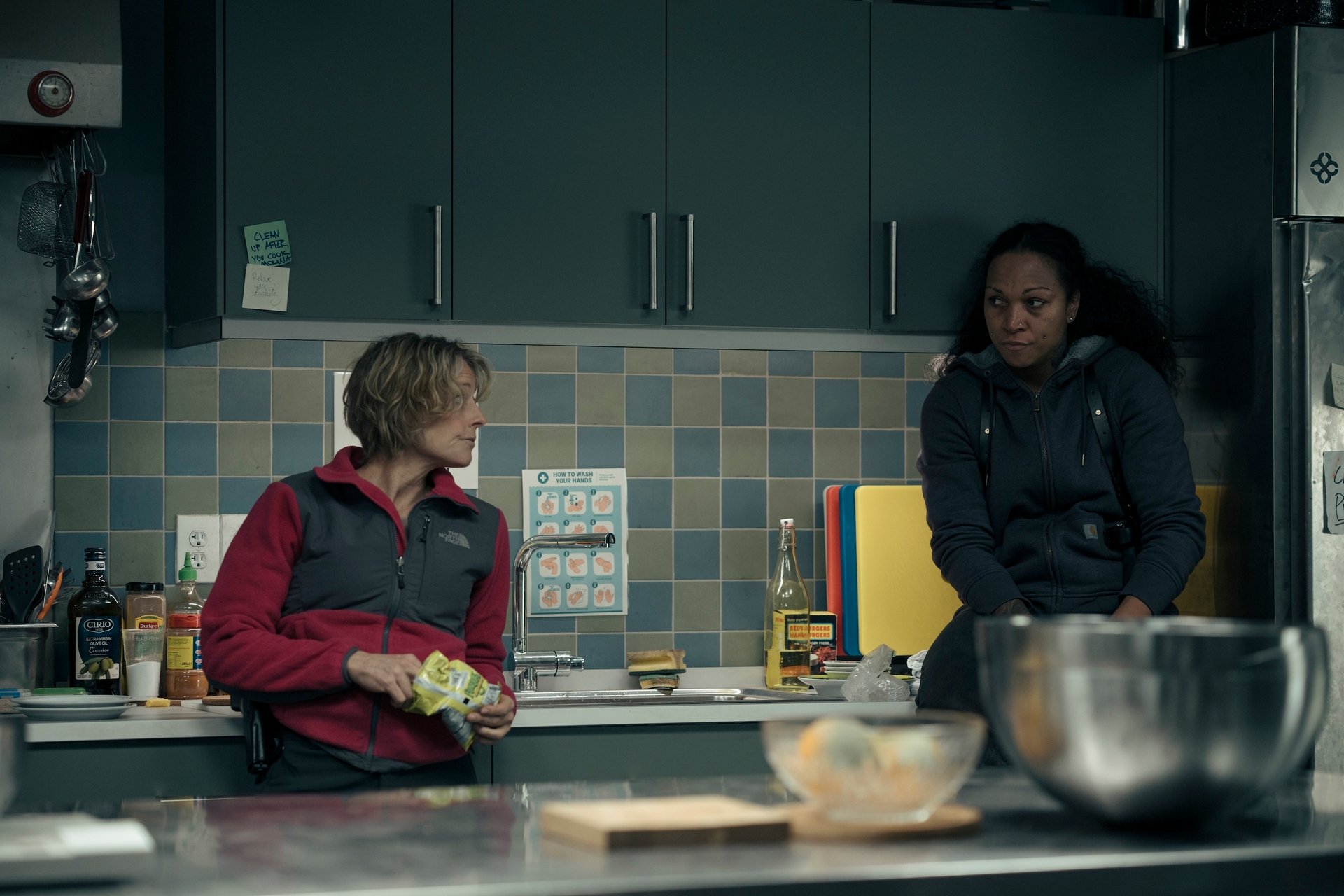
It’s not “bad” writing not to tie every narrative loose end imaginable (even though this show drops a few plotlines it seemingly deemed inconsequential) and spoon-feed answers. Sometimes, we, as an audience, should come to our own conclusions. “Part 6” solves the central mystery (who killed Annie and who murdered the Tsalal scientists) and opens the door for a new one concerning Navarro’s next steps.
Performances
Performance-wise, Jodie Foster blows everyone out of the icy cold water. Her brief monologue to Navarro regarding her son surely elicited tears from viewers. It’s a serrated-edge blade, bursting with visceral pain, white-hot rage, and touching vulnerability. She delivers show-best work here.
Kali Reis also churns out a show-best performance, playing off Foster well. Admittedly, she’s still green and a bit rough around the edges, but she has potential. She taps into Navarro’s depths and keys into her anguish, eventually leading to clarity when she finally opens that hatch.
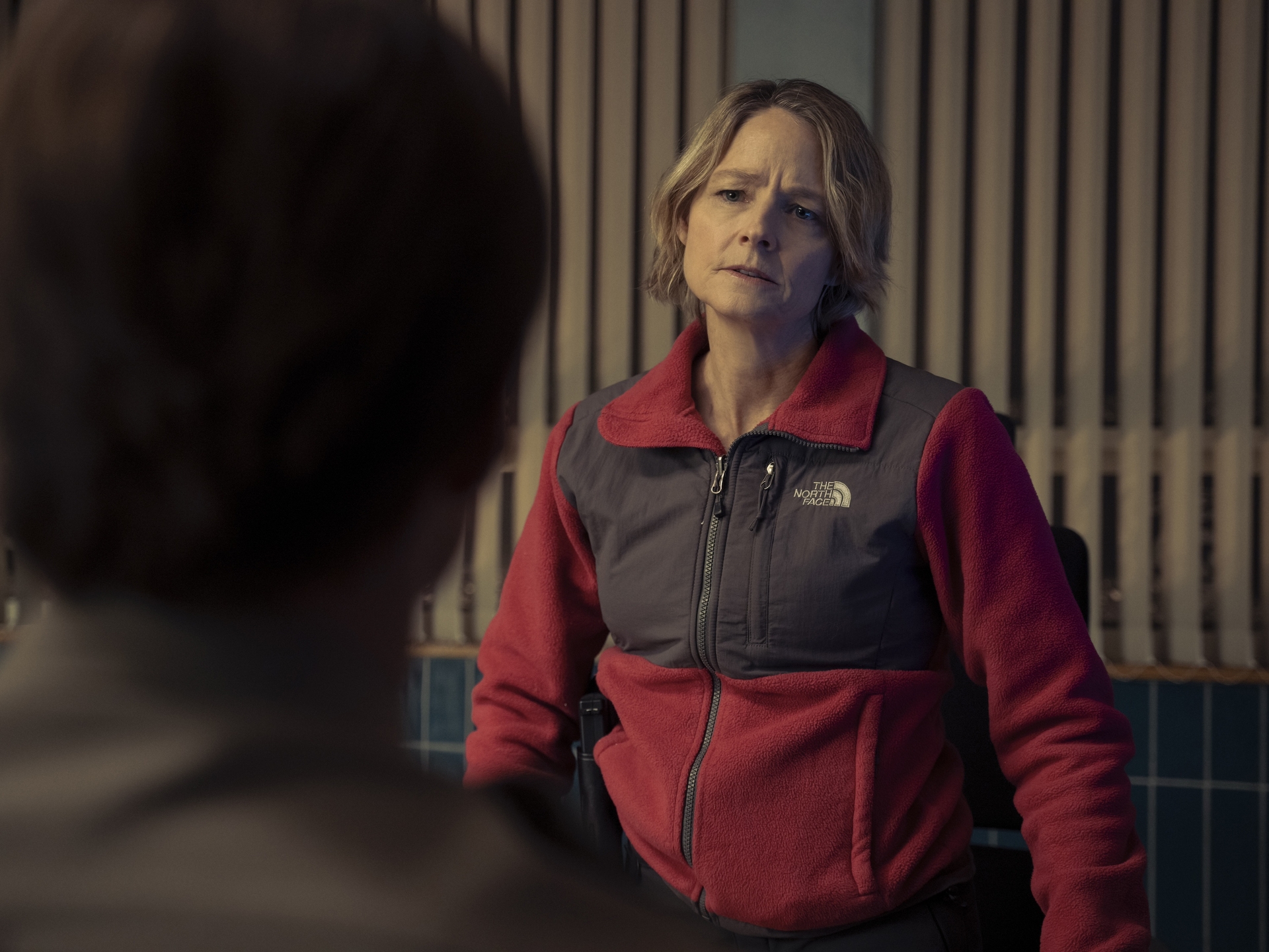
If anyone emerges from this season as a bona fide star, It’s Finn Bennett. He offers a grounded, nuanced performance. Owen McDonnell delivers excellent work as the doomed Raymond Clark, making the most of his limited screen time. Fiona Shaw is still criminally underused, and that’s easily one of the show’s most glaring mistakes.
In the End
“Part 6” isn’t perfect. It clunkily bounces toward a conclusion, with a few significant questions left dangling in the wind (like Annie’s perfectly preserved tongue showing up seven years later). That said, the performances and homage to Native culture, the latter of which is this season’s lifeblood, make it worthwhile. I fall somewhere in the middle of those who loathe this finale with every fiber of their being and those who hail it as brilliant.
Additionally, the supernatural/horror elements are more effective when used sparingly, as they are at the beginning of the season. There’s no clear explanation for their existence, only my (and everyone else’s) opinion.
True Detective: Night Country makes big creative swings that don’t always pan out. However, it tells a story that needs telling, one that hopefully opens more eyes to the atrocities committed against Indigenous folks.
Stray Observations:
- I love the mini Killing Eve reunion in “Part 6,” which we also have in “Part 1.” Although Carolyn is not so different in the Alaskan wilderness, Niko is a little more emo here (and mustache-less).
- Gotta love the subtle ad placement for 409 when Pete is in clean-up mode at Danvers’ house. Perhaps its new slogan should be “409: For when you need to conceal evidence that you committed patricide.”
- I’d watch a prequel series featuring Rose and how she acquired her ability to see ghosts. She could start a body-dumping business, too. Either way, she’s a badass.
- Listen, I had a minor concussion in 2019, and I can’t believe Navarro got back on her feet after Clark knocked her unconscious with a fire extinguisher. I didn’t hit my head hard enough to lose consciousness. I seriously had to suspend disbelief when Navarro emerged sans balance issues or slurred speech (which were symptoms I had).
- It’s always been a dream of mine to see the northern lights in Alaska.
- This season is peppered with references to Season 1. In “Part 6,” Clark utters that “time is a flat circle,” a nod to Reggie Ledoux saying this in the first season. Additionally, the pilot episode is titled “The Long Bright Dark,” and Navarro’s Native name is “Siqinnaatchiaq,” meaning “the return of the sun after the long darkness.” It might reference said pilot title, or I’m grasping at straws.
- Maybe the Night Country was the friends we made along the way.
What did you think of this episode of True Detective: Night Country? Share your thoughts in the comments below!
Critic Rating:
User Rating:
True Detective: Night Country is now streaming on Max.
 Follow us on Twitter and
  Instagram!
Want more from Tell-Tale TV? Subscribe to our newsletter here!
Melody McCune

Melody loves TV. Maybe too much. Besides being a Senior Writer for Tell-Tale TV, she's the Managing Editor for Geek Girl Authority, an Independent Contractor for Sideshow Collectibles, and a Senior Writer for Eulalie Magazine. Additionally, she has bylines in Culturess, Widget, and inkMend on Medium. To top it all off, she's a critic for Rotten Tomatoes and CherryPicks.