

The Changeling Review: First Comes Love / Then Comes a Baby in a Baby Carriage / * (Season 1 Episodes 1-3)
This piece was written during the 2023 WGA and SAG-AFTRA strikes. Without the labor of the writers and actors currently on strike, The Changeling being covered here wouldn’t exist.
The Changeling Season 1 Episodes 1 through 3, “First Comes Love, “Then Comes a Baby in a Baby Carriage,” and “*,” weave a tale of intergenerational trauma and horror amid the hustle of New York City, with a standout performance from LaKeith Stanfield. Kelly Marcel pens all three episodes. Melina Matsoukas directs “First Comes Love,” while Jonathan van Tulleken is at the helm for “Then Comes a Baby in a Baby Carriage” and “*.”
Based on Victor LaValle’s 2017 novel of the same name (who also narrates the series), The Changeling is not an easy watch, content-wise and narrative-wise. It’s not something you can have on as background noise — you must pay close attention to the story unfolding.
The show takes its time with these first three episodes, methodically fleshing out our core duo (Apollo and Emma) and carefully laying the building blocks for this intricate universe. Some might think it’s too “slow.” However, we don’t need non-stop action and plot stuffing. It’s essential that we get to know the characters so we can root for them.
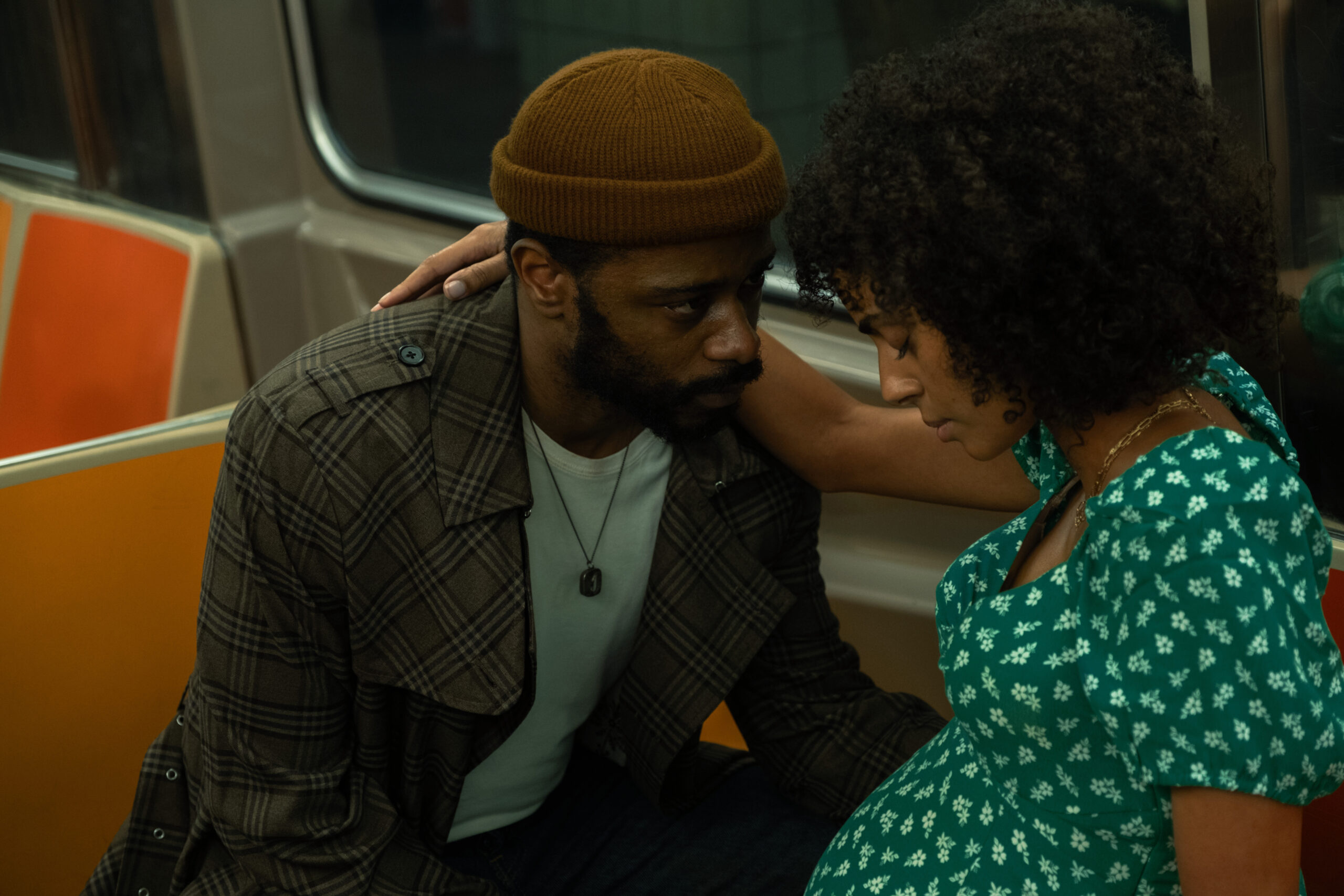
Marcel lets the story breathe and gives us time to explore this world while gradually introducing the central conflict and rich narrative mystery. It unfolds organically instead of Marcel forcing the story open by bloating it with too much action. The nonlinear storytelling can be jarring, but it works for the tone Marcel and the creative team endeavor to strike.
This structural device allows for fun parallels between Apollo and Emma and Apollo’s parents, Brian and Lillian, notably in “First Comes Love.” It cleverly paints a picture of the connectivity between generations, at least on the lighter side, while the darker side depicts intergenerational trauma. We further delve into that trauma in episode two, “Then Comes a Baby in a Baby Carriage,” with Emma losing her parents as a child.
It’s fascinating and heartbreaking to see Emma’s mother suffering from a psychotic break that ultimately leads to her death. At the same time, Emma, in the show’s present, is one step closer to losing her grip on reality. Meanwhile, Apollo’s overprotectiveness of his son stems from his father leaving him at a young age. Stanfield and Clark Backo expertly navigate the nuances of these characters’ pain and how challenging it is to eradicate intergenerational trauma.
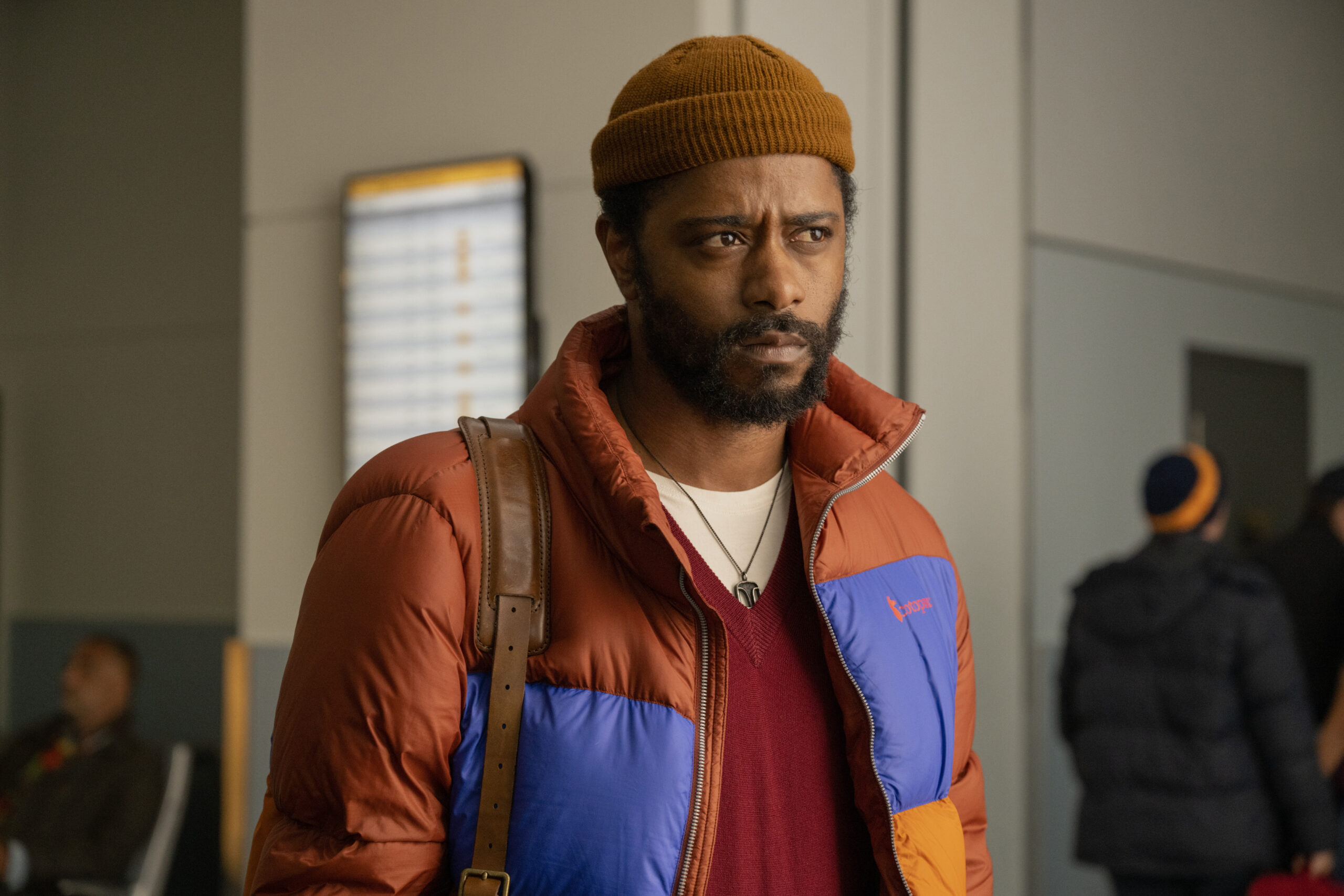
As the story progresses, the series leans into its inherent horror elements (with a smattering of fantasy), but it doesn’t go full-throttle yet. It’s a steady drip-drip of a few jumpscares and squirms. Interestingly enough, some of the significant horror/fantasy beats thus far can be grounded in reality/explained in real-world terms, making them all the more frightening.
The end of “*” clearly steers us toward fantasy with Apollo’s discovery about the witch group who pushed Emma off the mental ledge. And with some of the more high-octane moments in episode three, we’re also moving toward the actual start of this surreal story. Our patience will (hopefully) pay off.
As for the cinematography, it’s easily one of the series’ highlights. The unique camera shots/angles look like works of art, with the color palette giving off a vintage ’70s feel, even in the modern scenes. It’s a nice juxtaposition to the fantasy aspects, where one might expect more vivid colors.
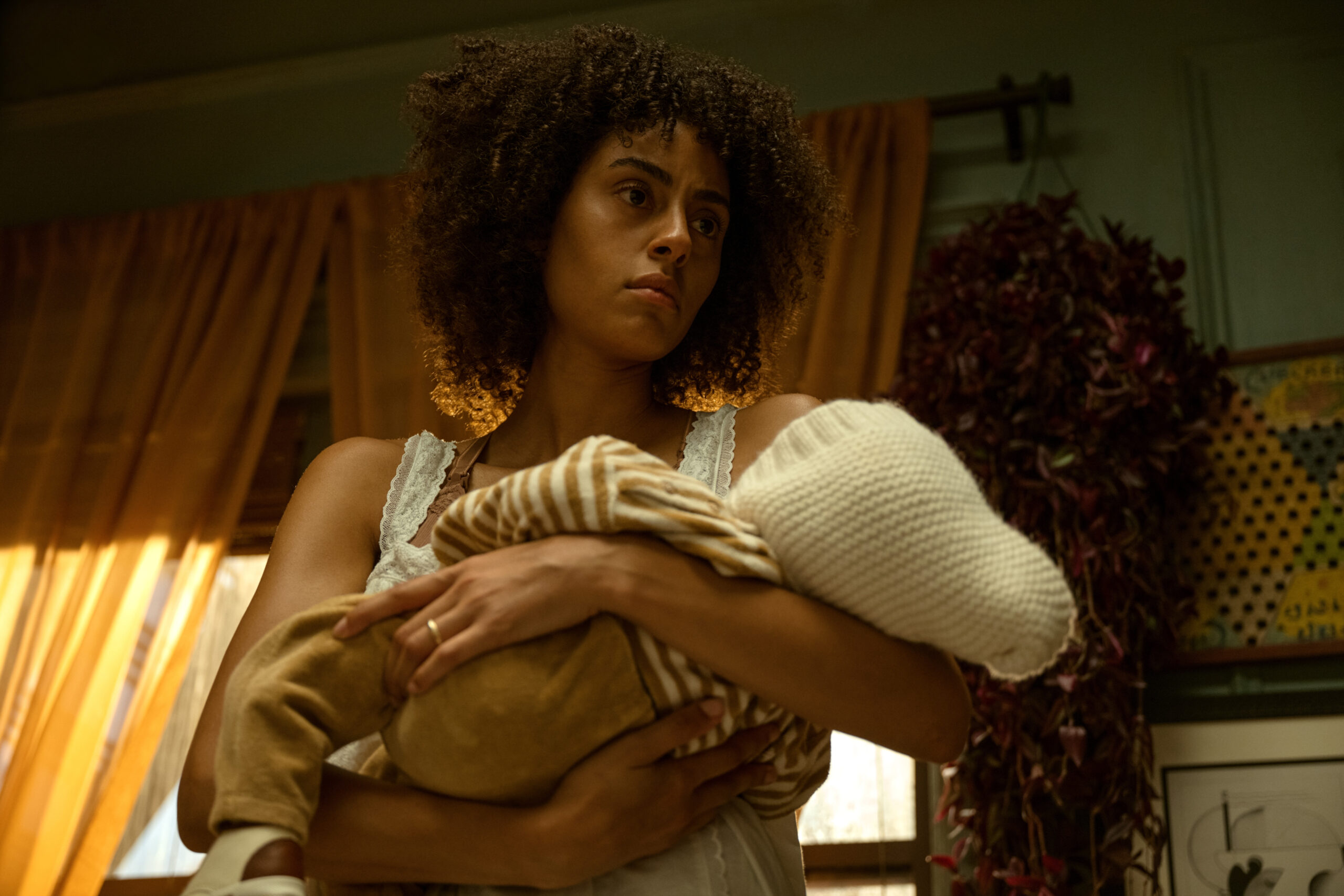
Occasionally, The Changeling gets bogged down by the flashbacks and flash-forwards. More so, it’s the placement of them in the episodic narrative that feels unnecessary. Because of the nature of nonlinear storytelling and the show’s use of the above, it can sometimes feel all over the place. However, it’s best to reserve judgment as the mystery unravels. It’s a puzzle-box show, after all, and writers don’t implement story beats for no reason.
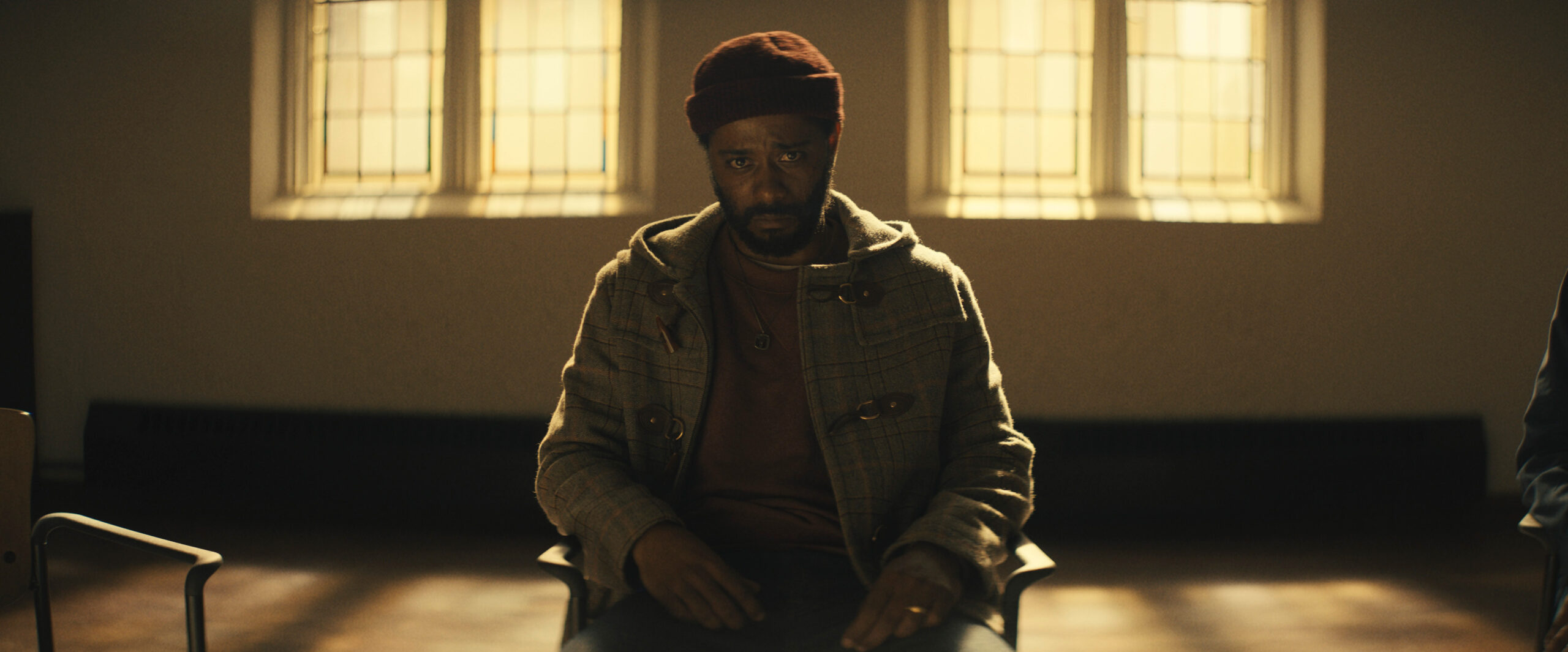
The pacing remains relatively steady throughout, but the performances and deep character work are enough to keep you invested even when the story lags. LaKeith Stanfield, as mentioned earlier, is a force of nature. He delivers some of his best work in this series. It’s revelatory. His soulful eyes reel you in and hold you captive. You can tell he channels his experiences as a parent into this role. It feels wholly authentic, embodied, and visceral. Apollo’s pain takes on a tangible quality in that way.
Clark Backo churns in compelling work that delves into the uncomfortable truths of postpartum depression. She makes you feel for Emma, especially since it’s obvious what’s happening to her is outside her control. It’s a layered, engrossing performance. Additionally, Backo and Stanfield boast electrifying chemistry that’s as natural as it gets.
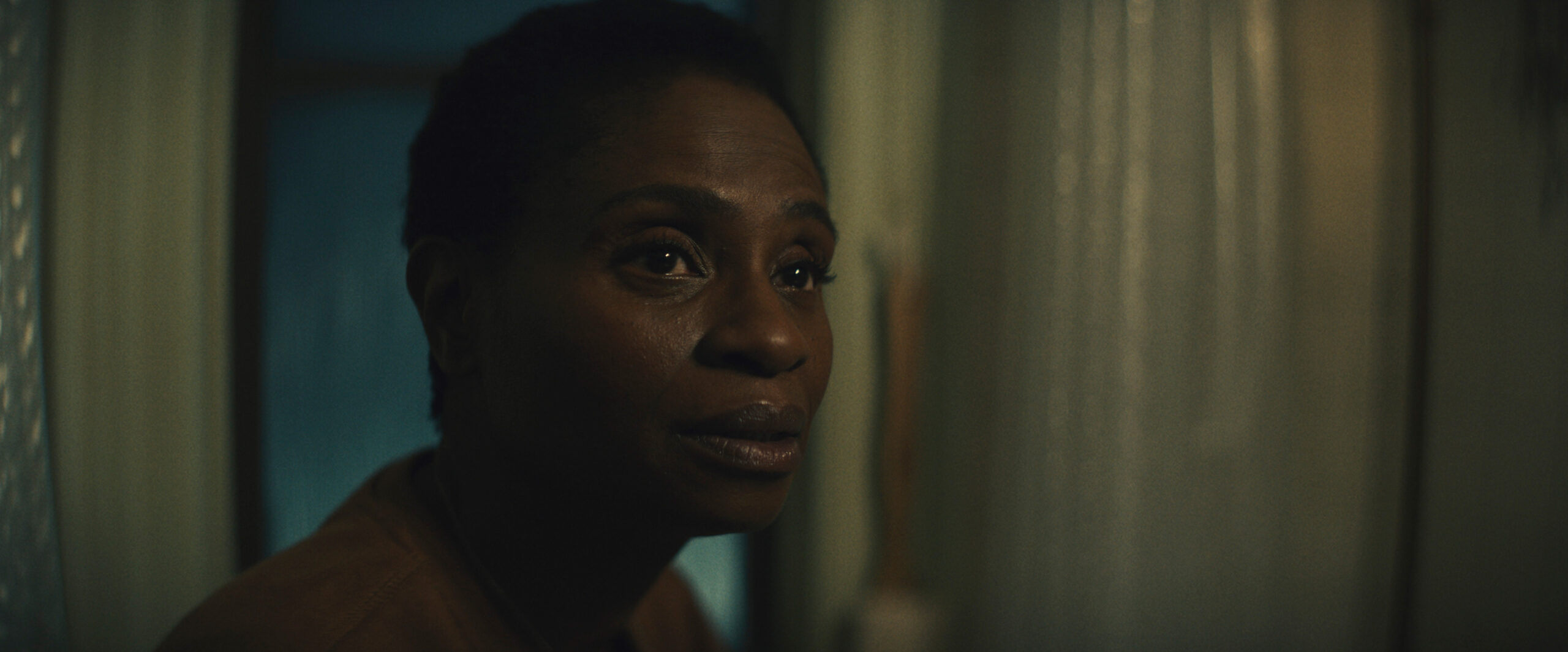
Stanfield and Backo are bolstered by a strong cast, including the always-brilliant Adina Porter and her younger counterpart, Alexis Louder. Both women inject Lillian with depth and intriguing facets that we see at various stages in her life. Malcolm Barrett provides a fun supporting voice as Patrice, whose screen time is brief but memorable.
All in all, The Changeling delivers a sometimes unsettling, unnerving, horrific fairy tale that’s a meditation on intergenerational trauma, postpartum depression, and the lengths we’ll go to not to repeat the mistakes of our parents. LaKeith Stanfield steers this ship on occasionally choppy waters, but his riveting performance, an engaging cast of characters, and a gripping mystery are enough to pique our interest.
It’s a slow-burn narrative that requires patience in the age of instant gratification and streaming, where everything we want is at our fingertips. The story will get where it needs to go in due time.
Stray Observations:
- The book Apollo’s father Brian gives him, To the Waters and the Wild, is a line from the poem “The Stolen Child” by W. B. Yeats:
“Come away, O human child!
To the waters and the wild
With a faery, hand in hand,
For the world’s more full of weeping than you can understand.”
There’s also a 2019 novel of the same title by S.C. McGrath, but I’m assuming the collection of fairy tales in the series is a nod to Yeats’ poem.
- I love that Brian names Apollo after the Greek god despite his love for Rocky. Initially, Lillian mentions the name as a reference to the aforementioned film. As he gets older, Apollo associates his name with said god, just like his father. Even Emma jokes about not naming their child Asclepius, one of the god Apollo’s children.
- Patrice gives a perfect response to that woman with no kids who was offering Apollo unsolicited childrearing advice in the bookstore. Seriously. 10/10. No notes. I laughed out loud when he made that remark.
- Apollo spies that lyric from Stevie Wonder’s “Superstition” while Emma gives birth on the subway, and it feels apropos to the innately surreal undertones in this series. “When you believe in things that you don’t understand, then you suffer.” Emma believes in the power of the red string bracelet the Salvadorian witch gives her, something she doesn’t understand. Then, she suffers. The same can be said of Apollo following Brian’s death and Emma’s disappearance. He can’t come to terms with what transpired and is tormented by it.
- I don’t blame Apollo for only ordering bread at that restaurant. Those menu prices, even in 2010-2011, are panic-inducing.
What did you think of these episodes of The Changeling? Share your thoughts in the comments below!
Critic Rating:
User Rating:
The Changeling streams new episodes every Friday on Apple TV+.
 Follow us on Twitter and
  Instagram!
Want more from Tell-Tale TV? Subscribe to our newsletter here!
Melody McCune

Melody loves TV. Maybe too much. Besides being a Senior Writer for Tell-Tale TV, she's the Managing Editor for Geek Girl Authority, an Independent Contractor for Sideshow Collectibles, and a Senior Writer for Eulalie Magazine. Additionally, she has bylines in Culturess, Widget, and inkMend on Medium. To top it all off, she's a critic for Rotten Tomatoes and CherryPicks.