
Pachinko Review: Chapter Six (Season 1 Episode 6)
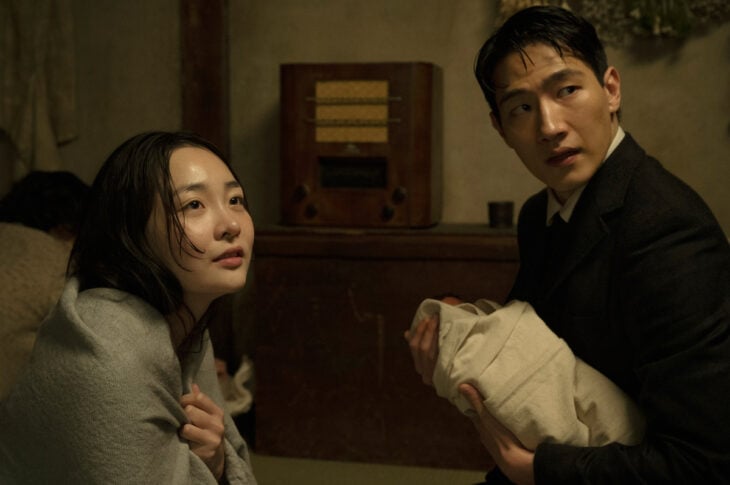
Sunja gives birth in Pachinko Season 1 Episode 6, “Chapter Six,” which finally means the series has to deal with the one major book character the series hasn’t really mentioned before—her son Noa.
And, truth be told, “Chapter Six” does a great job intercutting the drama of Noa’s birth with the waning of Hana’s life, as Etsuko’s daughter and Solomon’s one-time girlfriend is admitted to a Japanese hospital with late-stage AIDS.
There’s so much about Pachinko that reflects the luck of circumstance (hence the name of the game in its title), but the drama is at its best when it’s illuminating the way that life often rhymes and reflects itself through our own families and histories.
The older version of Sunja finally admitting to Noa’s existence as though her relationship to him is a kind of secret shame is gut-wrenching, but not for the reasons you might think. I’m trying to avoid explicit spoilers for Min Jin Lee’s novel here, but the layers of this moment, particularly the way that Noa’s story still so clearly is a driving force of his mother’s is so powerful.
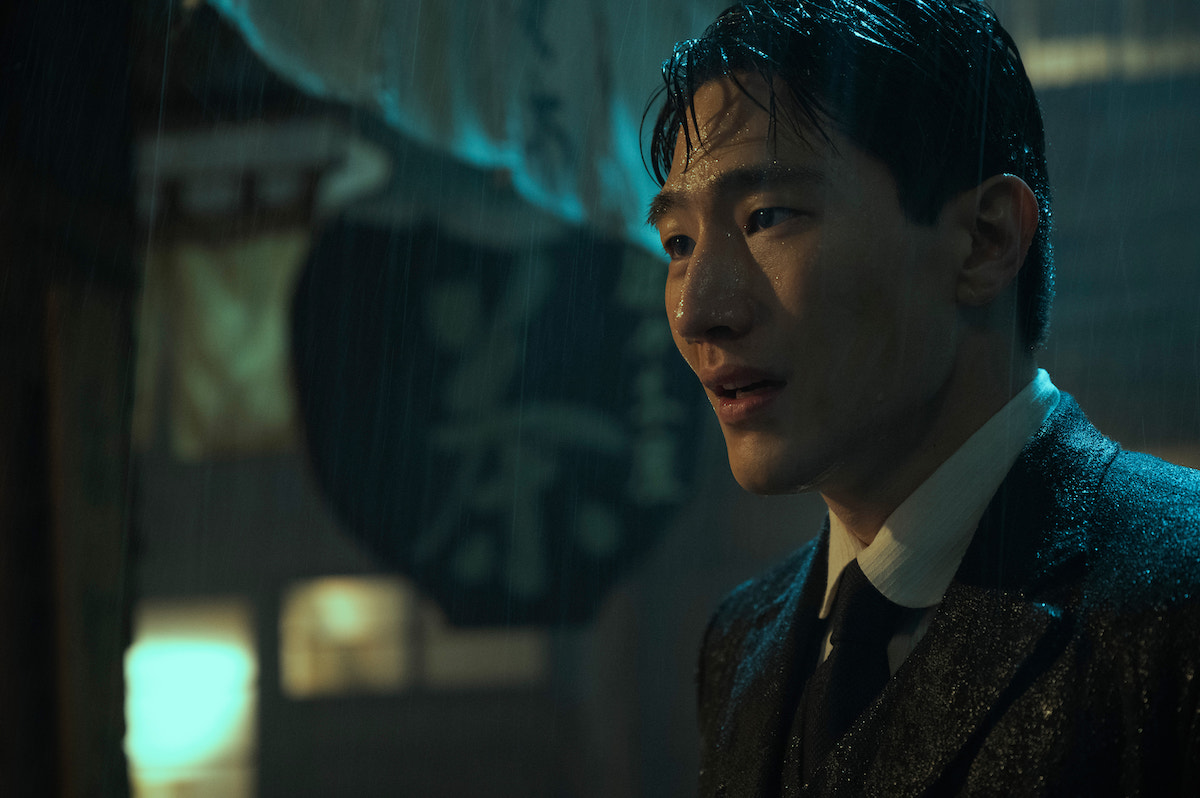
The idea that Sunja accidentally drove Hana away because she’s never stopped feeling guilty and responsible for the way Noa’s life turned out is exactly the kind of narrative deepening and mirroring that this show has turned out to be so good at. (Mostly because it still gives us older Sunja’s perspective, which the book really does not.)
Because the novel is so relentlessly focused on a single perspective at all times, there are several major characters whose voices we never get to hear or whose stories are never really explored in the same way Sunja or her children are. And, mostly that’s turned out to be the story’s men.
“Chapter Six” gives us our first real deep dive into Sunja’s husband, and how Isak’s ideas of faith, ministry, and identity are evolving since arriving in Japan. Having grown up a sickly child, it’s clear he never truly expected to have a life of any substantial length, let alone one with any real meaning.
Yet, with the birth of the son he’s decided to claim for his own, as well as his growing personal understanding of the suffering Koreans are experiencing at the hands of the Japanese, he suddenly seems to believe that he can make a real difference, and help shape a better world for his son and all the Korean children like him.
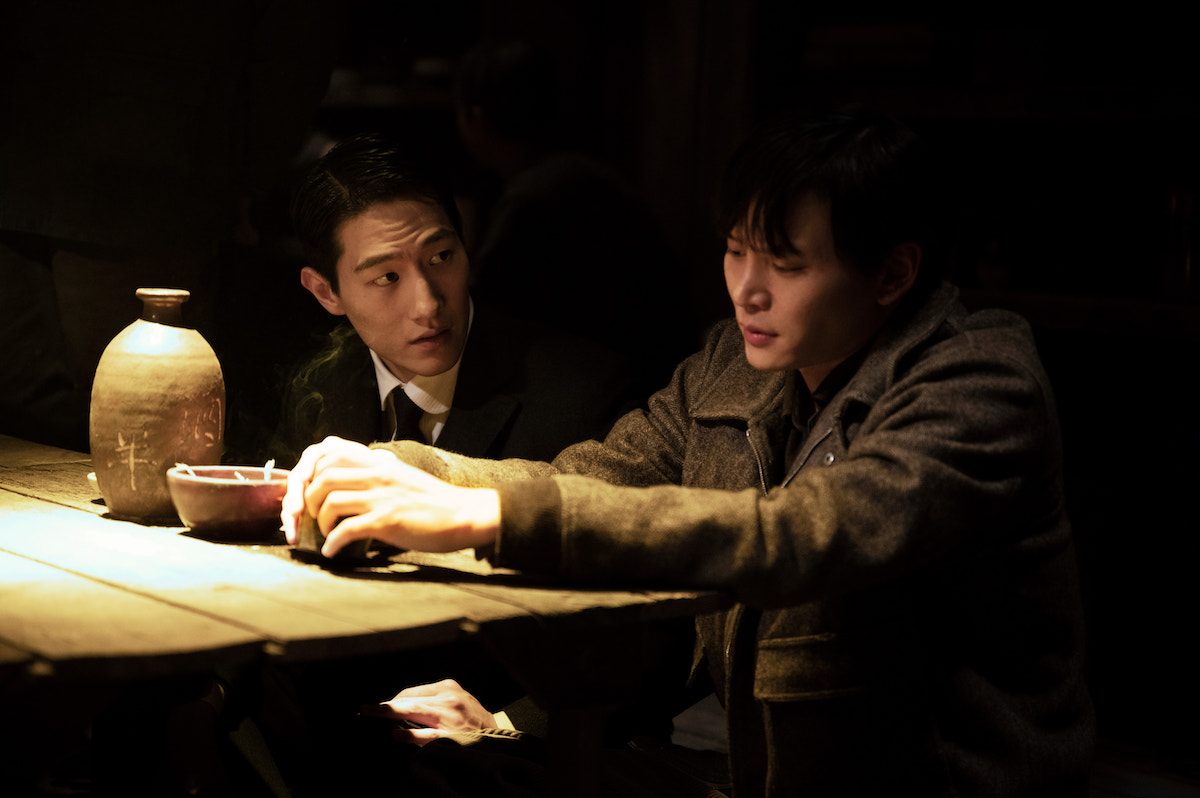
Politics—specifically revolution, rebellion, and the day-to-day indignities forced upon the conquered by the conqueror — is a quiet force throughout Pachinko but never so clearly as in this section of the story, with its stark differences between the lives lived by the Japanese and the Korean in Osaka.
From the abject poverty many of Sunja’s new neighbors live in to the oppression the local authorities delight in openly visiting upon Korean immigrants for no reason, the show makes the rebel experience a deeply understandable one, despite the fact that few of these people have any hope of real change.
Isak’s interest in politics in Lee’s novel is fairly limited, but one of the benefits of Pachinko being a TV show is that here we can see the character getting fleshed out in new and interesting ways, and this is another, extremely natural extension of the novel that makes perfect sense.
Admittedly, the Hana subplot is one of my least favorite parts of the Pachinko novel, largely because she’s a pretty unlikeable character, and because the book has so little interest in why she is the way she is. The sudden revelation that she’s dying from AIDS is generally more about Solomon’s reaction to the news than her feelings about it, simply because he’s the main POV character for that section of the book.
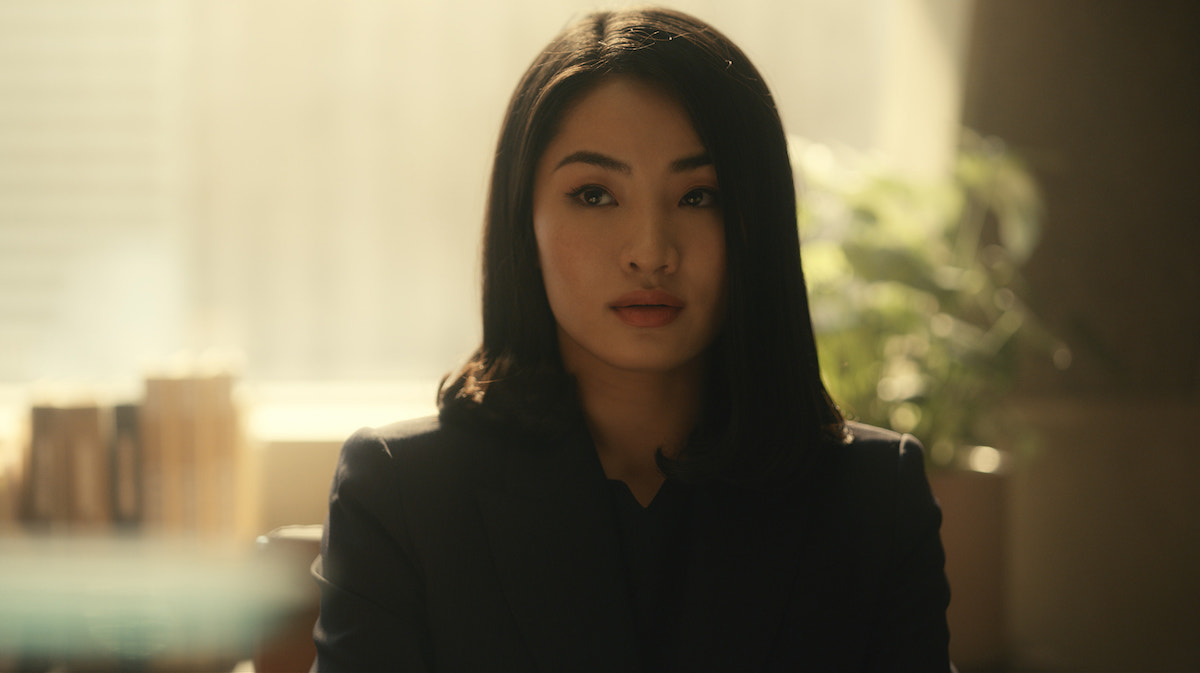
Here, she’s a much more interesting character. Largely because we get to see so much more of Hana, herself, away from Solomon and their often toxic-seeming relationship. The scenes with her and her mother are heartbreakingly good—Etsuki both recognizes and refuses to bear the brunch of her daughter’s rage, and Hana’s righteous anger at everything she’s lost and the way her assumptions about the world have turned out is surprisingly sympathetic.
And the show is a lot more explicit—via the flashback in which Solomon takes the fall for her shoplifting—about his hero complex, Hana’s performative attempts to get attention, and the fact that he was never going to be able to truly “save” her the way he’s so clearly always wanted to.
In the end, it’s all wonderfully rich and complicated in a way I never expected or would have predicted. It’s a rare thing, for an adaptation to feel so genuinely surprising to those that have read the book it’s based on. And yet.
Stray Thoughts and Observations.
- The way that Pachinko keeps Koh Hansu on the canvas in small ways, even when there’s no real reason for him to be present in the narrative is so smart, as it visually implies that he’s never really left Sunja’s life.
- The scene in which Sunja asks Yoseb to name the baby and he chooses “Noa” because it’s the name of the man who opened the door to a new world—I got a little teary, not gonna lie.
- Given that we’re two episodes away from the end of the season, I suspect we won’t meet any version of an “adult” Noa until Season 2. (IPerhaps they’ll tell his story via older Sunja and Solomon’s side of the plot rather than young Sunja and Isak? That would make a certain kind of sense, and give the modern-day section of the plot more meaat to work with.)
What did you think of this episode of Pachinko? Share your thoughts in the comments below!
Critic Rating:
User Rating:
New episodes of Pachinko stream Fridays on Apple TV+.
 Follow us on Twitter and on
  Instagram!
Want more from Tell-Tale TV? Subscribe to our newsletter here!
Lacy Baugher

Lacy is a pop culture enthusiast and television critic who loves period dramas, epic fantasy, space adventures, and the female characters everyone says you're supposed to hate. Ninth Doctor enthusiast, Aziraphale girlie, and cat lady, she's a member of the Television Critics Association and Rotten Tomatoes-approved. Find her at LacyMB on all platforms.