

Pachinko Review: Chapter One / Chapter Two / Chapter Three (Season 1 Episodes 1-3)
Apple TV’s Pachinko is a sweeping story of family spread across four generations and three countries, told in multiple languages, and featuring half a dozen major characters. Yet, despite its scope, its first three episodes feel rich, relatable, and deeply immediate–it’s technically a foreign tale, but one that is full of themes and struggles that will speak to American audiences even as they unfold halfway around the world and decades in the past.
Based on Min Jin Lee’s award-winning novel, the story jumps between multiple time periods, but primarily follows the story of Sunja (Minha Kim), a girl from a small fishing village near Busan who helps her widowed mother run a boarding house.
Set in the early 20th century in Japanese-occupied Korea, the story takes place at a time during which many families like Sunja’s were forcibly oppressed and saw their lands and fortunes seized as their country was colonized. Those who dared speak out against Japanese oppression were swiftly silenced by a brutal police force that viewed them as little more than animals.

We learn that Sunja’s mother Yang Jin (Inji Jeong) experienced a series of unsuccessful pregnancies prior to her daughter’s birth, but was told by a wise woman that this child would establish a healthy and thriving family line.
As a child, Sunja grows up watching several of the fishermen who stay at her parents’ boardinghouse voice their frustration with the state of the Japanese occupation, even as they simultaneously fear reprisal from their oppressors for doing so.
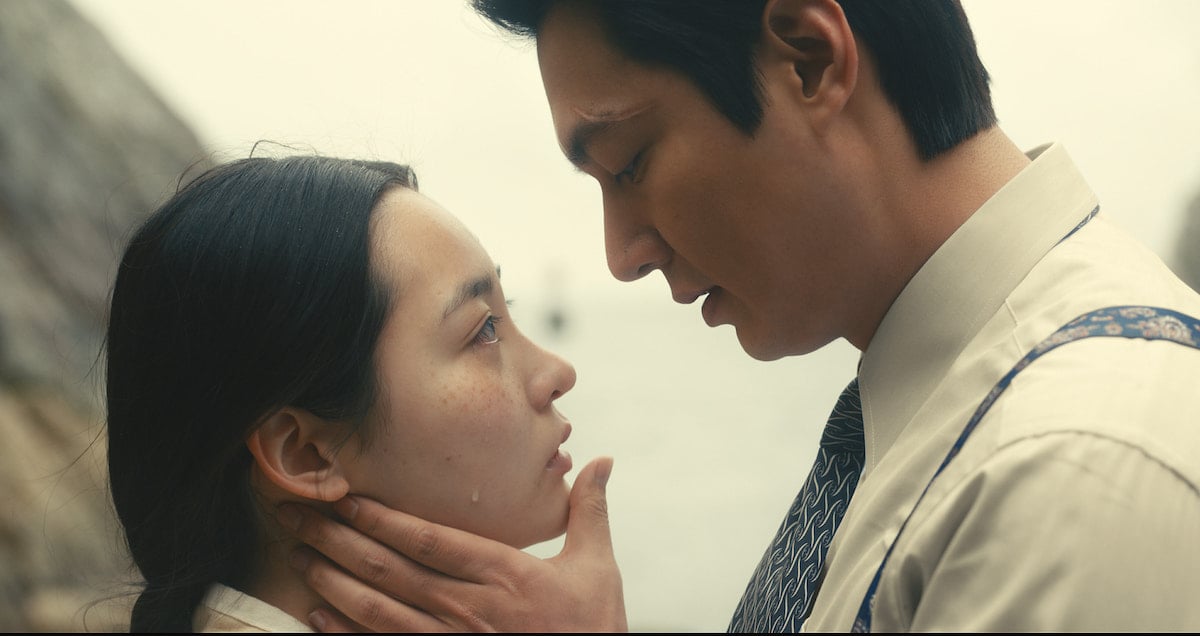
We also see a teenage Sunja fall for the dashing — and, admittedly, kind of shady — new fish broker (Lee Min-ho) at the local market, and though their clandestine romance truly seems both sweet and genuine, there’s never much hope it’ll be the escape that Sunja’s looking for.
Especially when she discovers she is pregnant and learns the man she was counting on to marry her already has a wife and family back in Japan.
Her shame forces to leave her country behind and attempt to start over with a kindhearted pastor, a choice that will shape generations of her family to come. But through it all, we witness her indefatigable spirit, her determination to survive, and her bottomless love for her family.
For those who love Lee’s novel, the structure of Pachinko may initially feel a bit jarring. Unlike the book, which tells its story in a linear manner divided into sub-sections based on time period, the Apple TV+ drama follows several distinct timelines and perspectives at once.
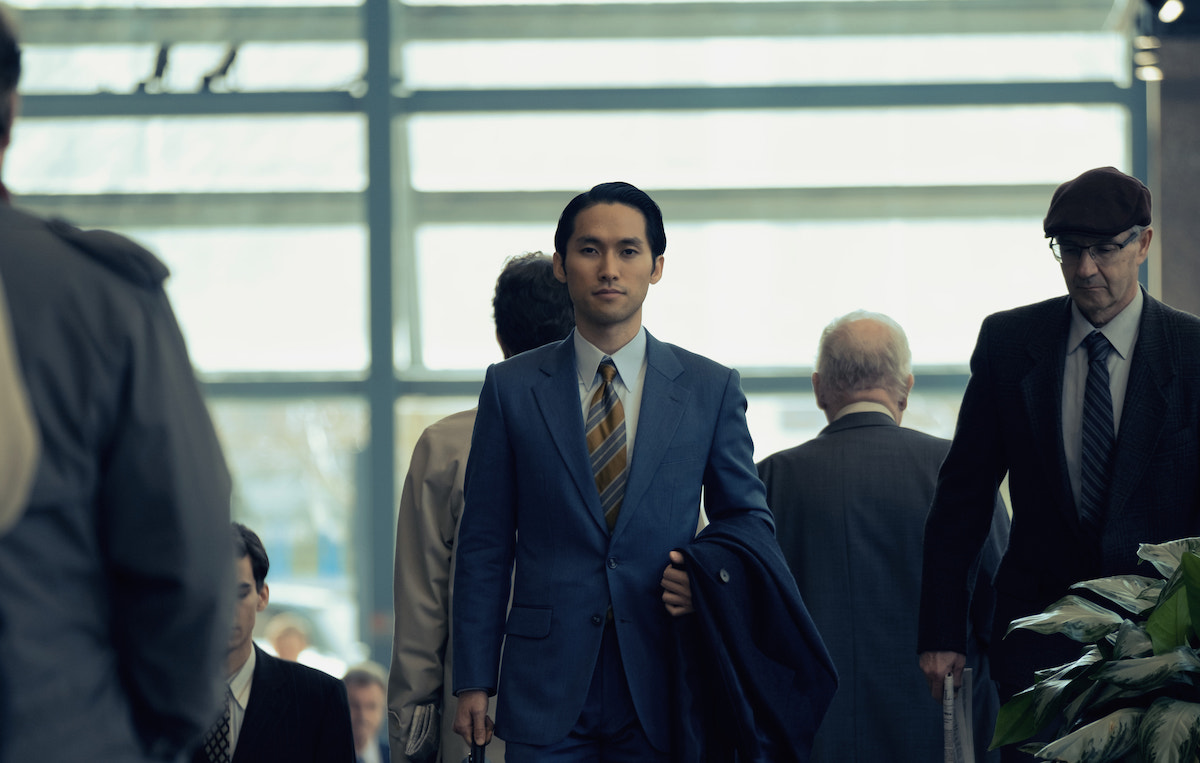
In addition to Sunja’s story, the series frequently skips forward in time to 1980s Tokyo, where it follows her grandson Solomon. (Jin Ha). An ambitious New York-based banker, he returns to Japan to try and use his Korean heritage to close an important real estate deal and earn a long-desired promotion at his company.
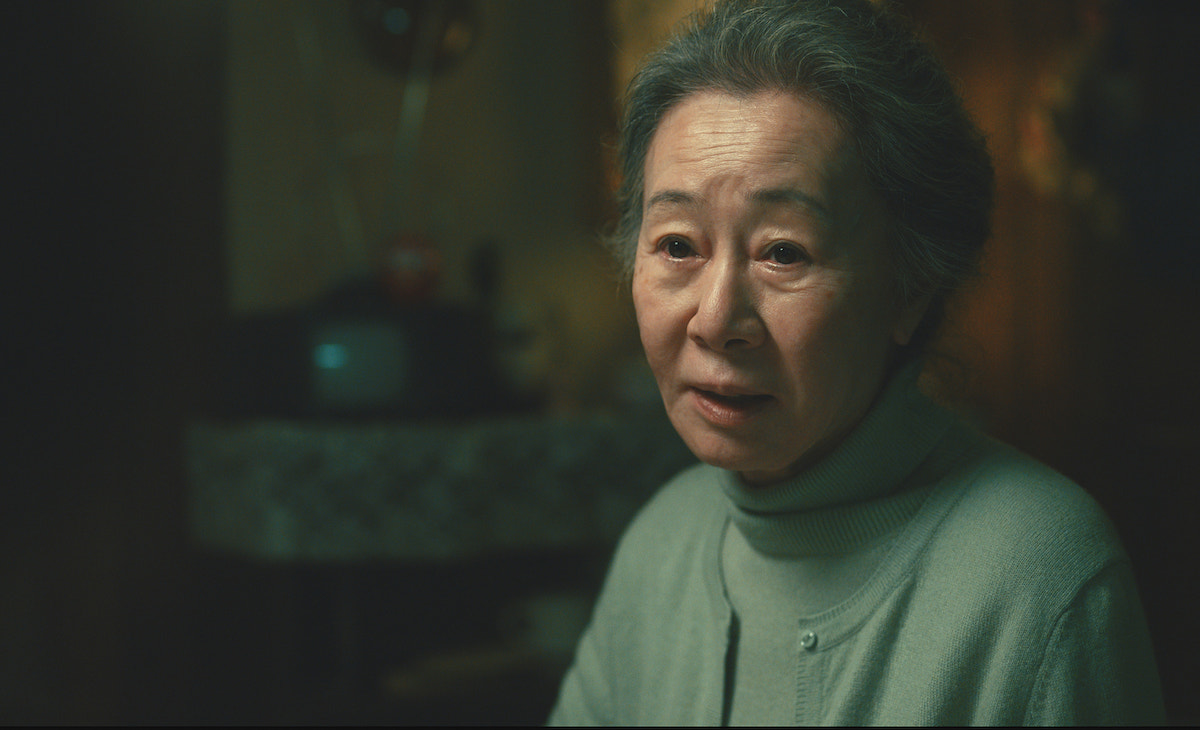
His return delights his father Mozasu (Soji Arai) and his now-elderly grandmother Sunja (here played by Youn Yuh-Jung). But as Solomon struggles to convince an elderly Korean woman to sell a piece of property his company wants to purchase, he begins to not only learn more about his own heritage, but about the complex relationship his family has with both Japanese and Korean culture.
In the novel, Solomon’s story appears only in the final section. Here it is woven opposite two different versions of Sunja’s (one as a child and one as a young woman) as the series juggles different perspectives and timelines, moving between Korea and Japan.
Some of these changes are clearly marked by title cards or visual tricks such as one version of Sunja dissolving into another or the use of different colored subtitles to indicate when either Korean or Japanese is being spoken. But in these first three episodes, it may take you a few minutes to catch on to it all.
The end result, however, is strangely magical, further underlining and strengthening the story’s cross-generational themes, and emphasizing the bone-deep trauma that many Korean immigrants have been forced to contend with throughout their lives.
Even in just three episodes, it’s easy to see that Pachinko is stunning, important television, of the sort we don’t see often enough in this medium. An emotional and moving adaptation that has more than done justice to Lee’s characters so far, I can’t wait to see where this story goes next.
Stray Thoughts and Observations:
- The opening credits for Pachinko are truly incredible, joyfully linking all its characters and themes together in a colorful dance sequence.
- Because Pachinko is clearly expanding on some of the character moments from the novel, it means many secondary characters are explored in greater depth than they are allowed on the page. Sunja’s father Hoonie particularly benefits from this, IMO.
- I’ve read the book this show was based on and even I was hoping this time Koh Hanso and Sunja would somehow work it out.
- Speaking of the book, given how much of its 500-ish pages the show has covered so far, I don’t think there’s any way this show is going to turn out to be just a single season. Just saying.
What did you think of this episode of Pachinko? Share your thoughts in the comments below!
Critic Rating:
User Rating:
New episodes of Pachinko stream Fridays on Apple TV+.
 Follow us on Twitter and on
  Instagram!
Want more from Tell-Tale TV? Subscribe to our newsletter here!
Lacy Baugher

Lacy is a pop culture enthusiast and television critic who loves period dramas, epic fantasy, space adventures, and the female characters everyone says you're supposed to hate. Ninth Doctor enthusiast, Aziraphale girlie, and cat lady, she's a member of the Television Critics Association and Rotten Tomatoes-approved. Find her at LacyMB on all platforms.