

Dollface Season 2 Review: A Hollow, Sparkly Shell of Its Predecessor
After nearly three years since its freshman outing, Dollface, Hulu’s bubblegum comedy starring Kat Dennings, returns for Season 2. While this second season has genuine moments of lighthearted fun, it feels like its predecessor’s hollow, rosé-infused shell.
Season 1 derived inspiration from FX’s magical realism comedy Man Seeking Woman, and those transitions between reality and fiction ran smoothly.
However, Season 2 reduces the magical breaks and the few times Jules Wiley and co. cross the threshold into Fantasy Land for a blatantly obvious metaphor about life feels hamfisted and jarring. Perhaps the pandemic played a role in this reduction, but it zaps the magic out of Dollface, morphing it into a stereotypical sitcom.

Dollface Season 2 struggles to commit to a genre: Is it a straight-up sitcom or a fantasy comedy?
Without a full-throttle genre commitment, the series flounders, seemingly unable to find its voice. It could be intentional, given the specific character journeys this season. But there’s a certain emptiness that pervades every corner of this go-round. The jokes sometimes fail to land, which didn’t feel like an issue in Season 1.
The writers falter concerning Matthew Gray Gubler’s character, horribly underutilizing him in Season 2. He fades away into obscurity, never heard from again, which is a shame since Wes has more palpable chemistry with Jules.

As far as performances go, Brenda Song and Kat Dennings continue to steal the show. Dollface triumphs regarding Jules and Madison’s friendship, carefully cultivating a bond that serves as the crux of the series. But even Dennings and Song, two seasoned and talented performers, occasionally stumble with this season’s sometimes cringe-worthy dialogue.
This time, Esther Povitsky, a gifted comedian who shone as Izzy last season, takes a more somber turn. The writers transform the character into a humorless husk of herself.
While there’s nothing wrong with shedding light on a character’s darker parts, Dollface struggles with balancing these characters’ comedic and dramatic facets while mining for nuance.
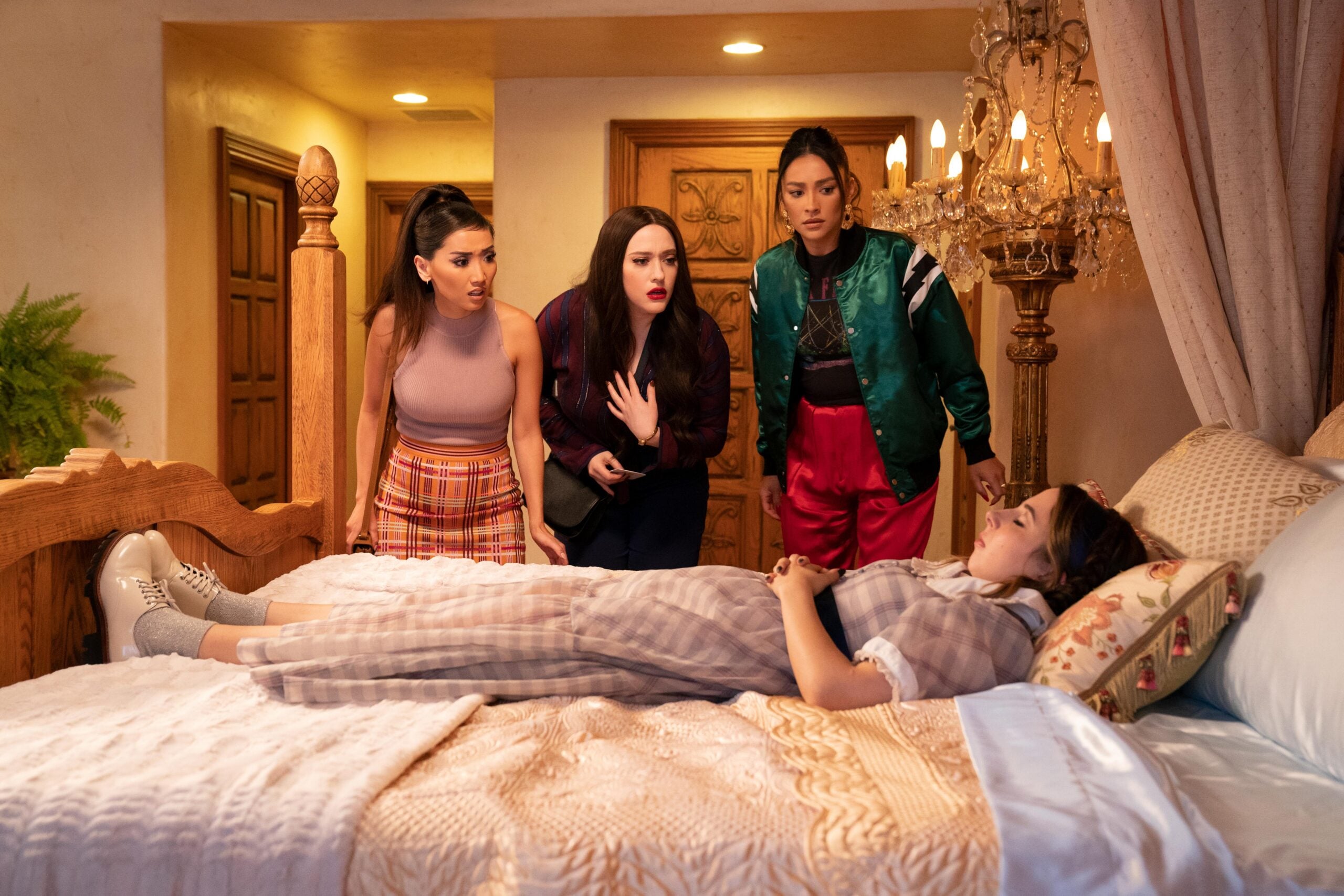
In a comedy that occasionally bends the rules of reality, perhaps what’s most unbelievable about Dollface is how the main cast can afford to live their affluent, luxurious lifestyles, especially after enduring a global pandemic. If the series chose not to acknowledge COVID with its version of a pandemic, that would be one thing.
However, the season opens with Jules and Madison quarantining together; then, Madison loses her job when everyone returns to the office after working from home. Yet, this loss of employment doesn’t affect Madison’s upscale lifestyle one bit.
Los Angeles is anything but inexpensive, and the only taste we had of that “paycheck-to-paycheck” struggle was Jules finding an apartment at the beginning of last season.

Sure, the series presents various obstacles for our core cast to overcome, but the challenges, much like the season itself, feel hollow. There are no genuine stakes. Everything magically works out for each character.
Instead, Dollface seems more preoccupied with upholding its cookie-cutter version of “Yas, Girl!” feminism. One might believe that’s the point if the show wasn’t so earnest in its portrayal of it. But Season 1 effectively captured the flaws of modern feminism, notably as it cannot exist without intersectionality, while empowering women to hold fast to their female friendships.
Lilly Singh recurs in this season as Liv, the romantic interest for Shay Mitchell’s character, Stella. Queer representation is essential, but there’s something inherently empty about this pairing. It feels like a meaningless gesture on the writers’ part.
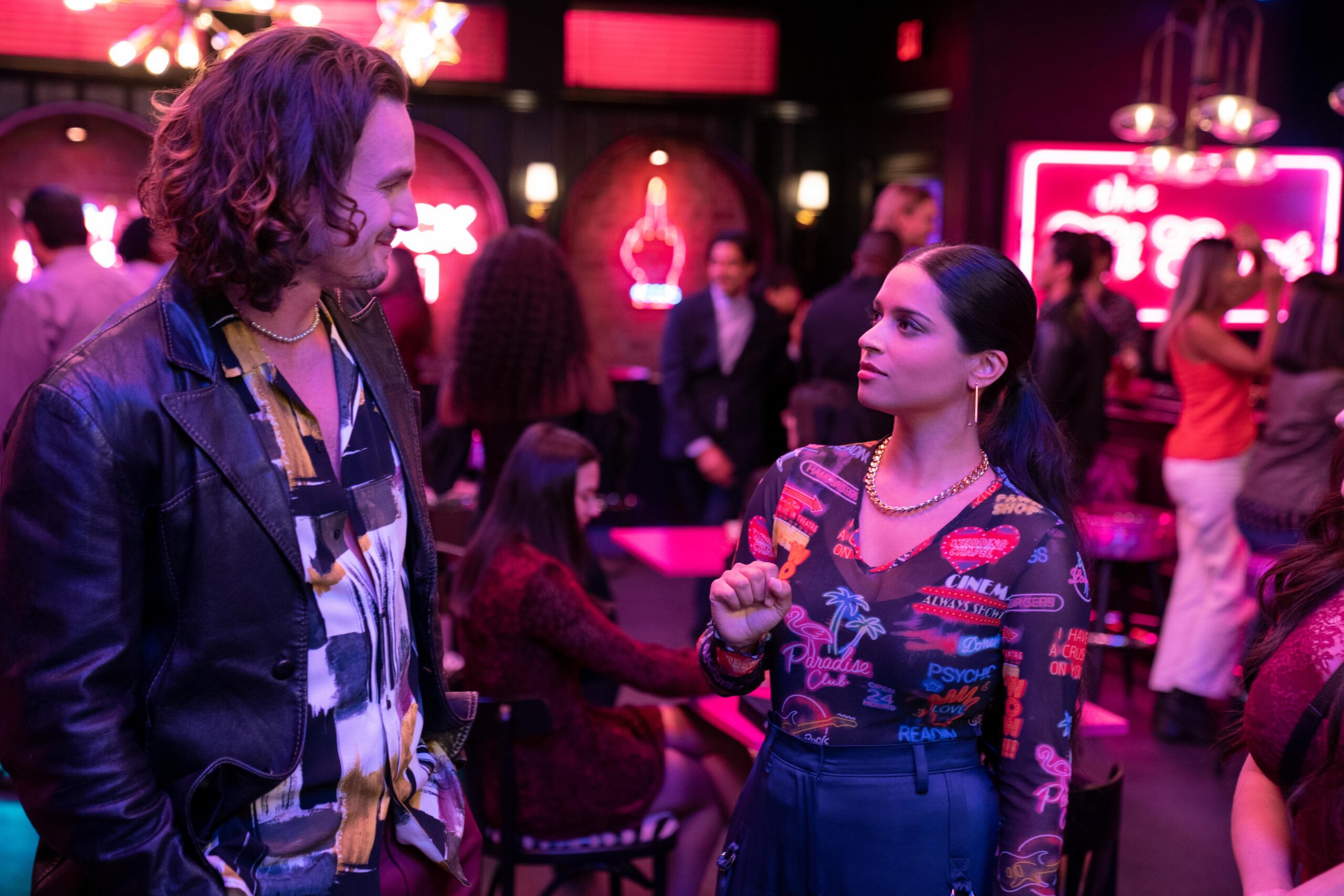
Instead of seizing the opportunity to curate a beautiful queer relationship and maintaining that, the writers turn Liv into a plot device, inserting her to remind Stella that she’s not ready for commitment. It’s a shame because Liv is a fun, intriguing character.
Despite its flaws, of which there are many, Dollface Season 2 shines when it hones in on the power of female friendships and the importance of sisterhood. While its brand of feminism occasionally veers into “Rosé All Day” territory, Jules and her friends elevate one another, and it’s wholeheartedly refreshing to see women not pitted against each other.
Here’s hoping a potential third season leans more into the magical realism, ups the stakes, and blesses us with all the Cat Lady. You can never go wrong with Beth Grant.
Stray Observations:
- Andrew W.K., Dennings’ real-life fiancé, makes a cameo in Season 2 Episode 8, “Homecoming Queen,” and it’s glorious. They get to makeout! Macaulay Culkin, Brenda Song’s boyfriend, appeared in Season 1’s Christmas-themed episode.
- On a materialistic note, the fashion in Season 2 is enviable and pure, quintessential LA.
- Between Jules’s suitors, Wes is the optimal choice. Sorry, “Fender.” How do you break up with Matthew Gray Gubler?
- If Dollface ever gets a spinoff, it should feature Sky and Q. Santina Muha and Owen Thiele deliver the goods as Woöm’s resident office gossipers.
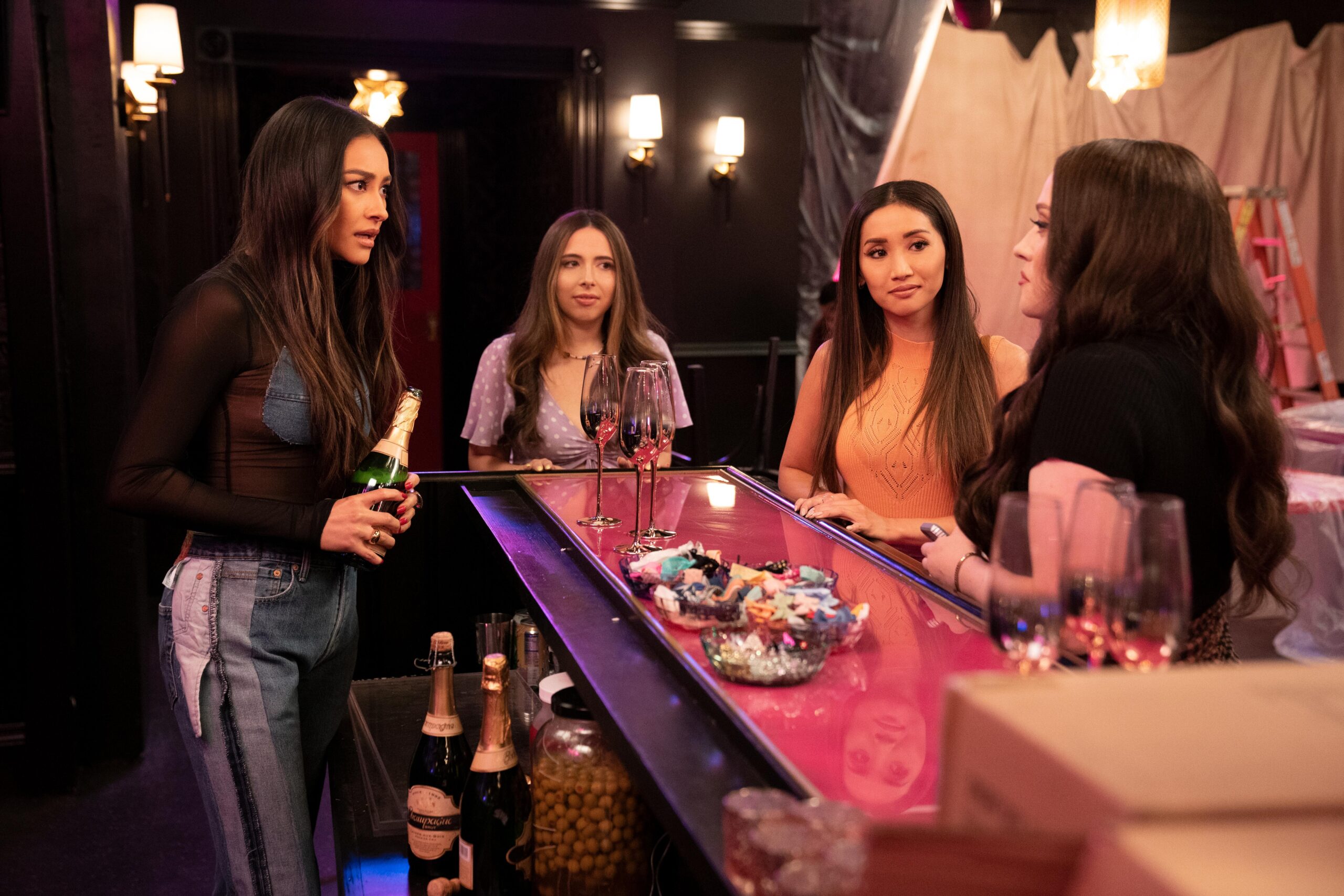
- Every bar should have an overabundance of hair ties like The Gi Spot. Anyone with long hair can attest to the struggle of incessantly misplacing hair ties like a dryer loses socks.
- The LA stereotypes are beyond accurate. Hats off to the writers.
What did you think of this season of Dollface? Share your thoughts in the comments below!
Critic Rating:
User Rating:
Dollface Season 2 is now streaming on Hulu.
 Follow us on Twitter and
  Instagram!
Want more from Tell-Tale TV? Subscribe to our newsletter here!
Melody McCune

Melody loves TV. Maybe too much. Besides being a Senior Writer for Tell-Tale TV, she's the Managing Editor for Geek Girl Authority, an Independent Contractor for Sideshow Collectibles, and a Senior Writer for Eulalie Magazine. Additionally, she has bylines in Culturess, Widget, and inkMend on Medium. To top it all off, she's a critic for Rotten Tomatoes and CherryPicks.