
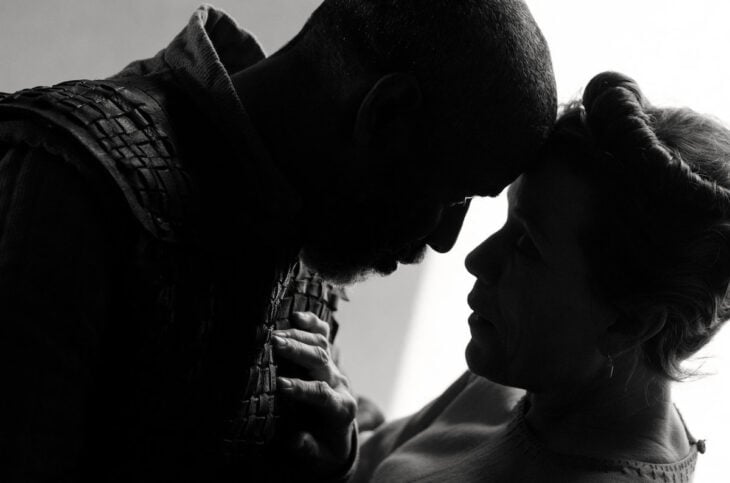
The Tragedy of Macbeth Review: A Dark and Haunting New Take on the Scottish Play
The thing about The Tragedy of Macbeth that too many fail to remember, whether we’re speaking about William Shakespeare’s play or the A24 adaptation of the same name, is that this is a horror story. A psychological nightmare that follows the utter despair and dissolution of a once-great man in the wake of a series of bloody, misguided, and selfish choices.
Too often, people seem to think of Macbeth as an actor’s showcase — which, of course, it is. Just think of all the acting greats who’ve tackled the Thane of Cawdor over the years — Patrick Stewart, Michael Fassbender, Ian McKellen, Kenneth Branagh, to name just a few — and the many incredible monologues it contains
But that’s not all it is — and those same people often forget that it’s also one of Shakespeare’s self-identified weirdest plays. full of literal ghosts, bizarre prophecies, levitating daggers, and all manner of vaguely supernatural things, whose reality is often left up to the viewer to discern.
Is Macbeth crazy? Maybe! Is he cursed? Could be! Is his moral disintegration almost entirely his own fault? Absolutely! Maybe the lesson here is that it’s generally a good idea to be happy with your lot and not listen to vague pronouncements of future glory from strange potentially demonic women? All of the above, I think.
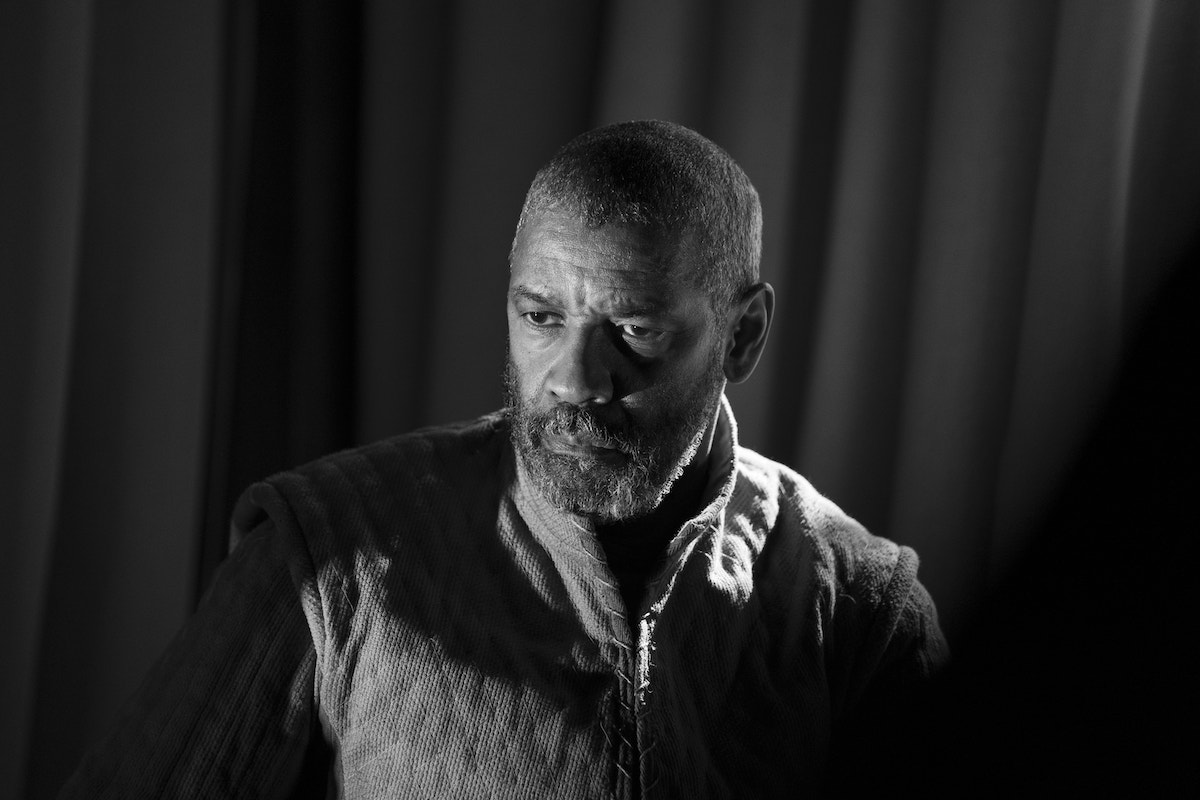
Denzel Washington is no stranger to or a slouch at performing Shakespeare (for the Gen-Xers among us, I suspect the 1993 adaptation of Much Ado About Nothing in which he plays Don Pedro was fairly formative), but he manages to give even those of us who are very familiar with this play a chance to see Macbeth through fresh eyes.
From his open and obvious ambition — too many interpretations try to blame all of Macbeth’s decisions on his wife, but here he’s an active, often eager participant — to his genuine surprise at how much it actually sucks to kill another person and his slow spiral into madness, Washington is excellent throughout, often choosing quiet understatement instead of the bombast that can so often characterize this role.
The soft despair of his “Tomorrow and Tomorrow and Tomorrow” soliloquy after his wife’s death, the determined but reserved reading of “Lay on Macduff!” when he realizes he’s likely staring at his own death, his utterly disaffected expression whenever the witches show up — Washington is constantly making interesting and unexpected choices. Which often feels like a breath of fresh air for those of us that have seen this play repeatedly approached the same way.
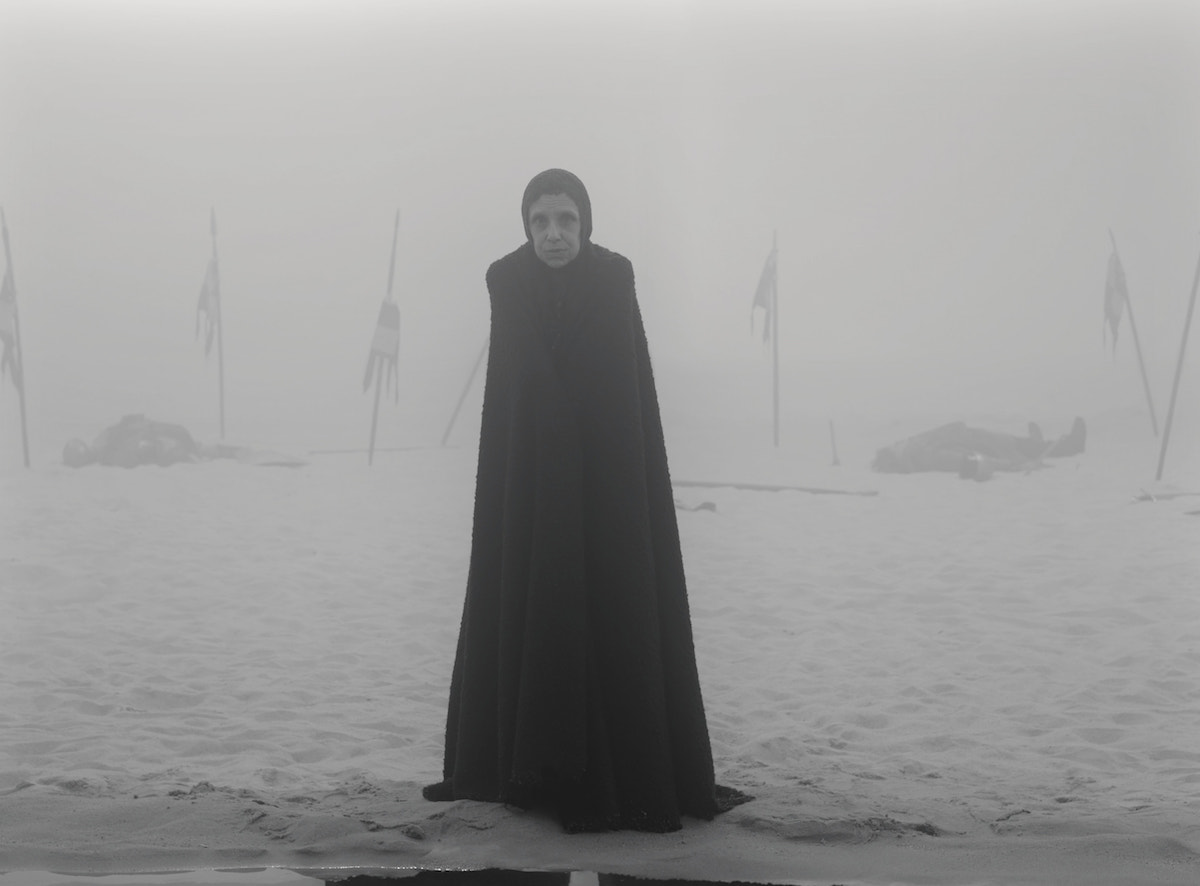
What’s truly striking about this Macbeth, however, is the cinematography. Presented entirely in black and white, the film features a claustrophobic, noir-ish style that feels like nothing so much as a horror movie.
Swirling fog, sparse fields, characters that seem to disappear and reappear out of nowhere, clouds of furious, squawking crows. It’s brutal and strangely beautiful, and the way that director Joel Coen uses light and darkness as mirrors of one another is mesmerizing.
(The “Is this a dagger I see before me” sequence, In which Macbeth contemplates Duncan’s murder, staring at a levitating dagger down a hallway that ultimately melts away into the door handle to his room is going to stay with me for a long time.)
If you’ve seen any of A24’s horror films, or their medieval fantasy The Green Knight, this Macbeth will feel familiar to you, with its oppressive atmosphere, constantly escalating sense of dread, and the weird setting that simultaneously manages to look like the backstage of a run-down West End theater and a collective fever dream.
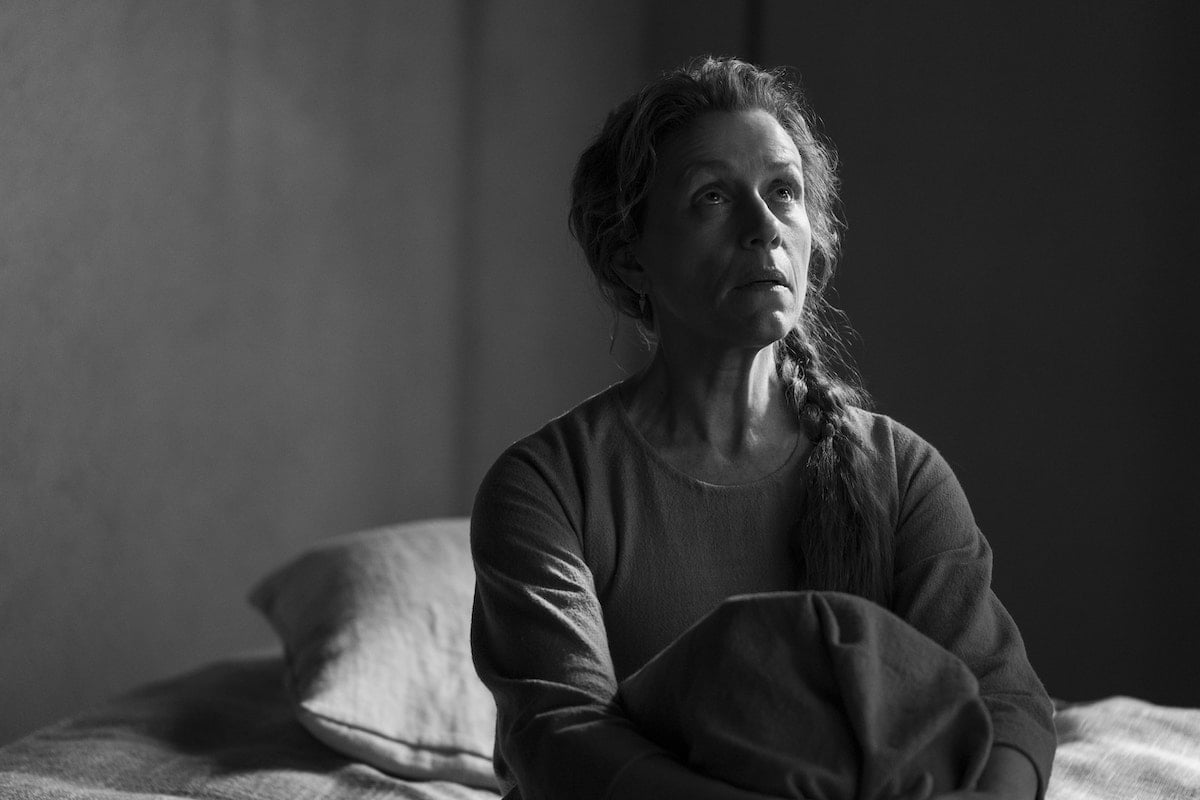
Despite how good her performance is, overall — I’m not entirely sure what to make of Frances McDormand’s Lady Macbeth. Her Machiavellian skill is obvious, as is her willingness (at least initially) to do the things her husband can’t. And, perhaps most interestingly, her love for Macbeth is crystal clear.
Far too often the Macbeths don’t appear to even like one another that much, let alone seem capable of masterminding multiple murder plots together in the name of stealing a crown. Here, they’re both older, they’ve clearly experienced real losses. They don’t have children, and this insane attempt to seize the crown is literally their last chance. So while McDormand’s Lady Macbeth is still clearly a schemer, she’s one with a purpose that goes behind her own ambition.
It’s an intriguing — and oddly friendly — read on a character who far too often is portrayed as a cold shrew who happens to be a master at manipulating her husband. Yet, if The Tragedy of Macbeth has a significant failing, it is this: Lady Macbeth’s descent into madness is one of its weakest elements.
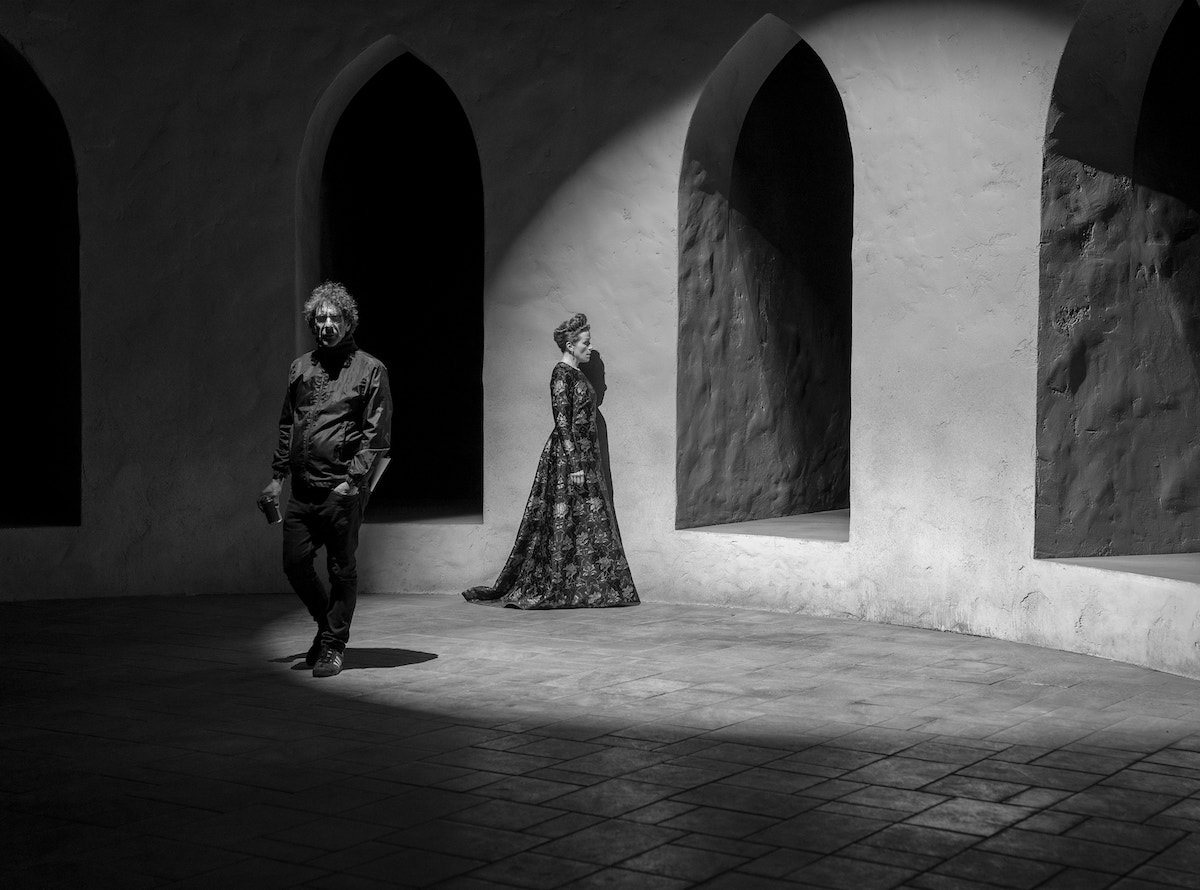
Part of the reason for that is because Lady Macbeth has been portrayed throughout the rest of the film as so in command, so thoroughly organized, so comfortable with her heinous choices before she’s even truly made them, that it’s hard to square the circle of “out, out damned spot” after that.
She experiences moments of discomfort, obviously, and has to “screw her courage to the sticking place” more than once. But narratively speaking, I can’t pinpoint the moment where the crack in her psyche begins and it makes her unraveling feel like something that has to happen simply because it’s one of the most famous scenes in the play, not because it’s coming at a natural moment for this version of the character.
Stray Thoughts and Observations:
- Kathryn Hunter is phenomenal as the witch — or the witches, or lurking crows, or vague swamp monster things, depending on your point of view — and deserves a special shoutout all her own. Her bodily contortions, her creepy line readings, her generally monstrous countenance all combine to a presentation of this aspect of the play that I don’t think I’ve ever seen before.
- A downside of the black and white aesthetic is that it requires quite a commanding presence from the various actors to stand out within it. Washington and McDormand are obviously more than capable of this, as is the aforementioned Hunter. But, unfortunately, many of the play’s supporting characters kind of slide into a wall of sameness when you look back at it. (I didn’t even realize Brendan Gleeson was playing Duncan until I saw his name in the credits.)
- A notable exception to that trend is Corey Hawkins, who manages to do a lot with Macduff in just a handful of scenes.
What did you think of The Tragedy of Macbeth? Share your thoughts in the comments below!
Critic Rating:
User Rating:
The Tragedy of Macbeth is now streaming on Apple TV+.
 Follow us on Twitter and on
  Instagram!
Want more from Tell-Tale TV? Subscribe to our newsletter here!
Lacy Baugher

Lacy is a pop culture enthusiast and television critic who loves period dramas, epic fantasy, space adventures, and the female characters everyone says you're supposed to hate. Ninth Doctor enthusiast, Aziraphale girlie, and cat lady, she's a member of the Television Critics Association and Rotten Tomatoes-approved. Find her at LacyMB on all platforms.