

Dickinson Review: This is my letter to the World (Season 3 Episode 4)
After dropping three episodes with a lot of family and external drama, Dickinson Season 3 Episode 4, “This is my letter the World,” brings back into the inner mind of our heroine, with the help of a few familiar faces.
Let’s back up though.
In the episode’s first act, Emily, who is still internalizing the conflict of the Civil War, has sent out her “letters to the World” to Union army camps across the country.
Now, it’s unlikely that this actually happened due to Emily’s reclusive nature, but it does help to emphasize the fact that Emily is trying to reconcile what’s happening in the world with her own myopic bubble of Amherst.
In one of these camps where we reconnect with a Dickinson character we’ve seen little of so far this season, Henry. While we’ve seen more of Henry’s wife Betty (which I’m not complaining about, at all) I’m glad we’re finally catching up with a character that’s been around since Dickinson Season 1.
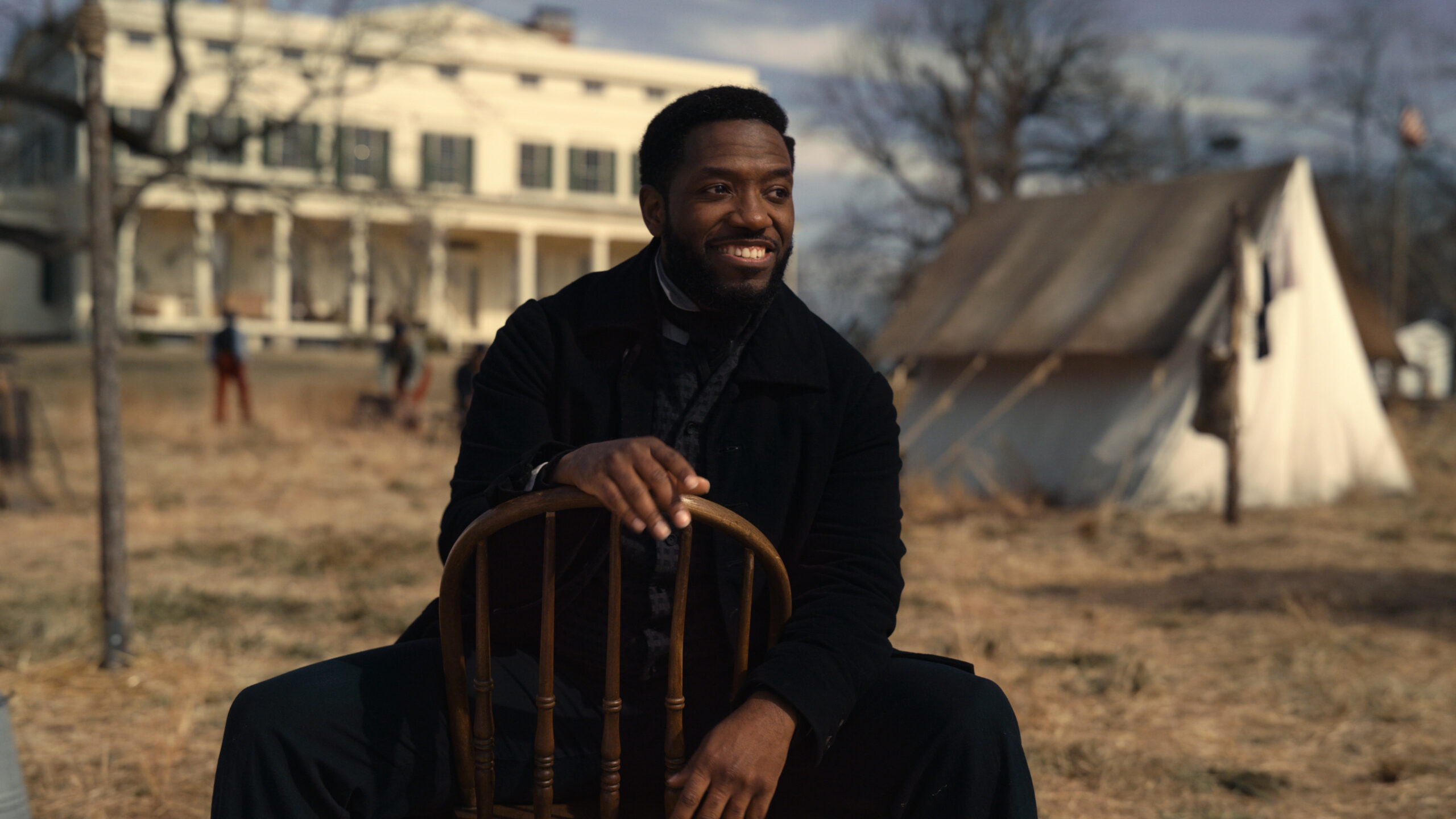
He has been called down to South Carolina to help a White Colonel educate a primarily Black militia. Upon first meeting Col. Higginson, the man is enthusiastic and fired up for the Union’s cause, determined to serve the Union and offer some newly freed slaves the opportunity to fight alongside the soldiers.
It’s quickly evident that these men are not quite the equals that the Colonel is saying they are.
I’m intrigued as to where this new character is going to go. At first glance, Col. Higginson seems to be an ally to the abolitionist movement, clearly calling on Henry due to the man’s impressive background creating an “underground” abolitionist paper in Massachusetts.
On the other hand, he seems like any other ambitious military man determined to make a name for himself by impressing the higher-ups. And it might be at the expense of the people around him, namely Henry himself.
Dickinson has always triumphed at its snarky, subtle commentary on current events, and Higginson is coming off as a performative ally in many ways. Some of his phrases (and that intricate made-up handshake) could have been overheard in a 2021 conversation.
I’ve said it before, but kudos to the Dickinson writers for once again making the 1800s feel modern and relevant.
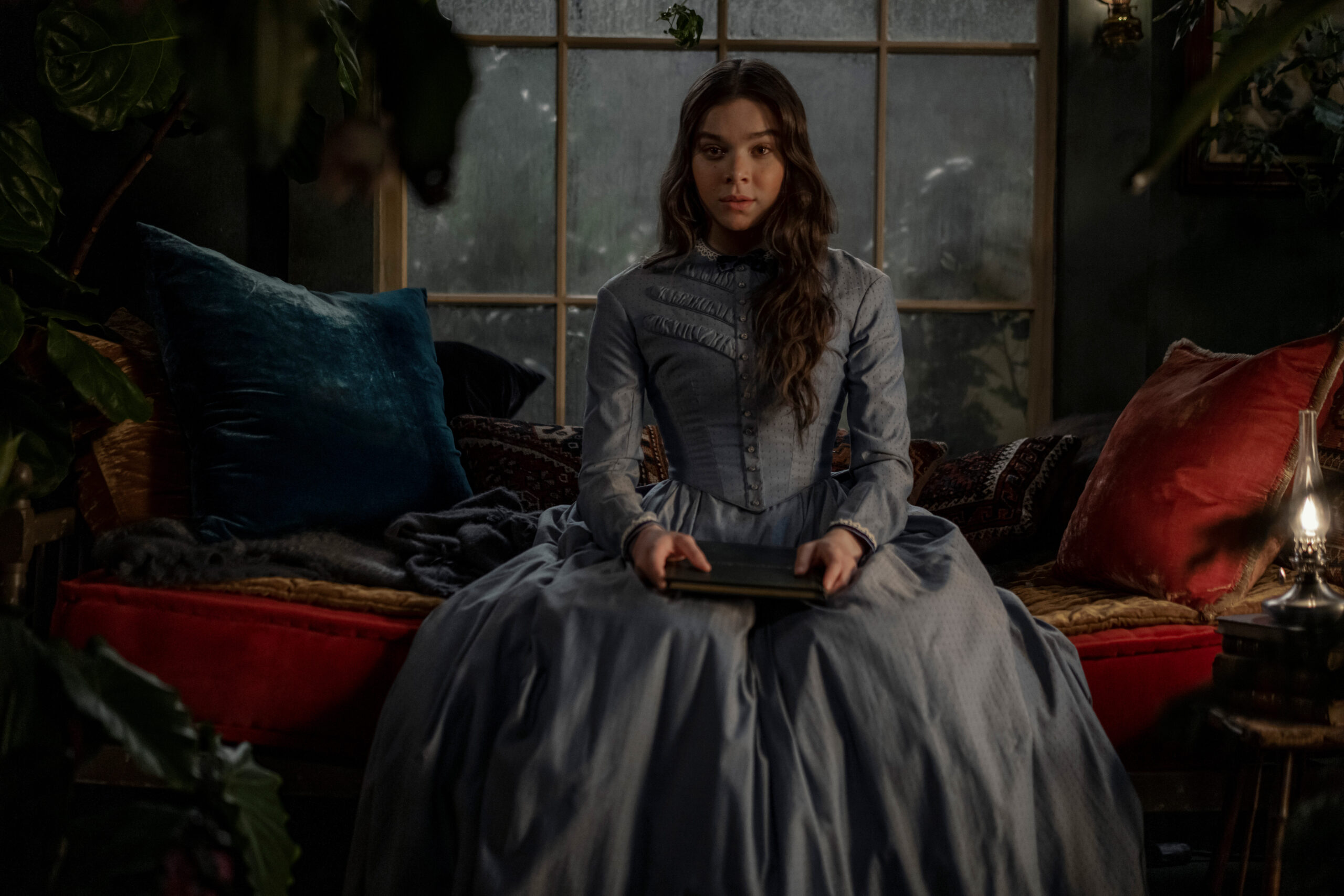
Back to Emily and Amherst. She’s… soul searching.
She does this by digging out a copy of Walt Whitman’s Leaves of Grass and reading it sneakily in her family’s green room, like a teenager trying to hide that they’re reading a smutty romance novel.
Now, for those of us who didn’t take any English Lit classes beyond high school, Whitman is known as America’s poet and is also historically considered to be bisexual. He, or at least his collection of poems, helps Emily come to terms with her own sexuality on this episode.
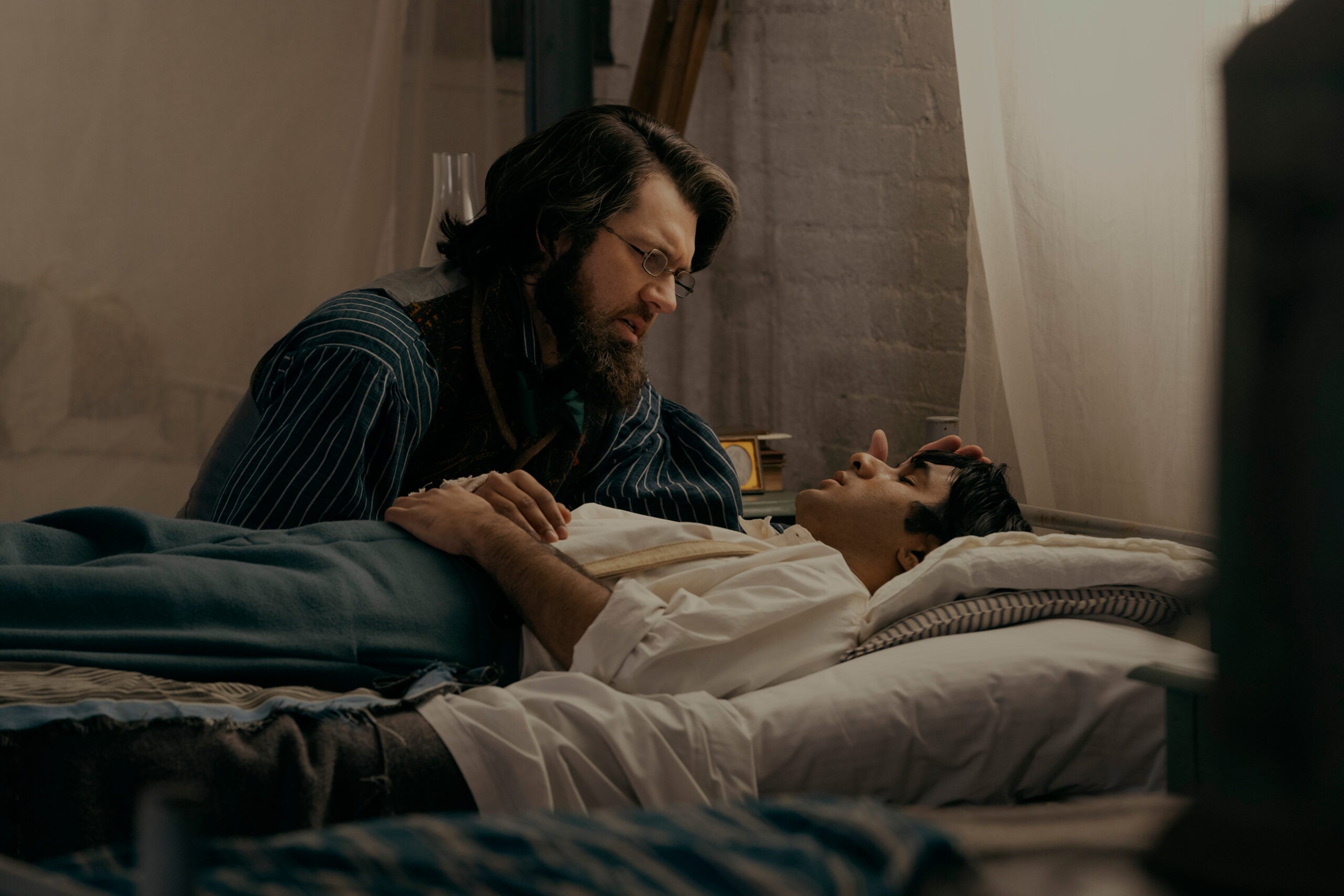
I’ll admit this sequence did confuse me at first. The stark pivot from Emily in her cottage-core, plant-mom, green room to a Civil War infirmary lost me there for a second. I assumed she actually did journey off to a camp and we were watching a little time jump until it cut back to her in the room reading.
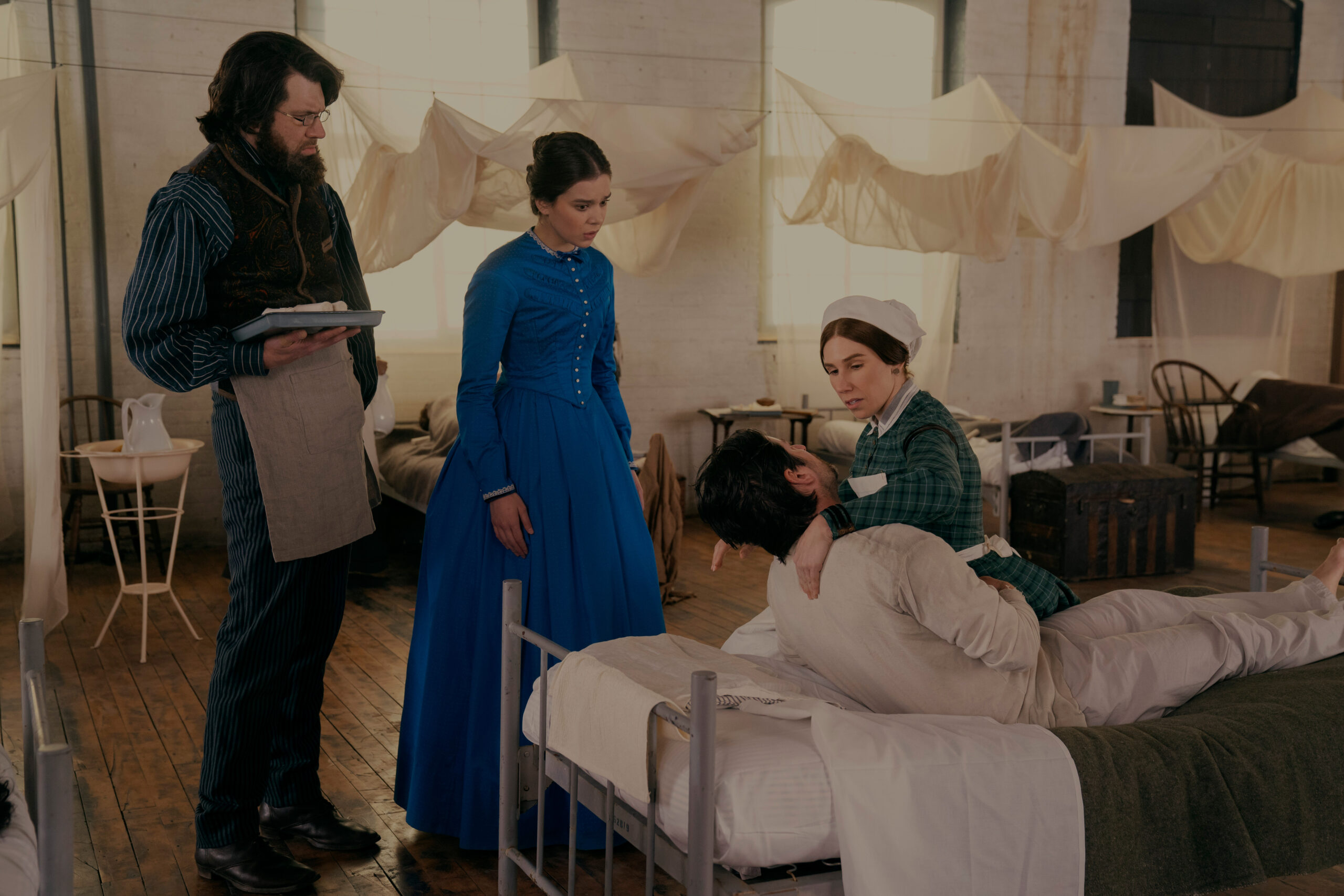
Nevertheless, it’s a clever way for Emily to contextualize herself among other notable writers and poets of the time, by having her imagine herself interacting with them. After all, what is a writer without a vivid imagination?
Billy Eichner is the perfect Walt Whitman for this story, especially since they set this encounter in New York City itself and Whitman was from the Long Island area. Nobody quite screams New York City like Mr. Billy on the Street himself.
This episode also includes the reappearance of Louisa May Alcott, (Zosia Mamet) whom we haven’t seen since Dickinson Season 1. There’s nothing quite like the Civil War to bring writers together.
Eichner and Mamet play their characters to a T. Whitman speaks in boisterous, flouncy phrases, overdramatizing everything. Alcott is dry and witty, telling it as it is in this imaginary hospital in Emily’s mind. Of all of the “guest” stars in Emily’s life, this pairing has to be my favorite.
This imaginary encounter is also telling of what mid-1800s writers were drawing inspiration from, and how they were tapping into it. Alcott makes a seamless reappearance into Dickinson Season 3 because she was apparently also actually a nurse in the war, a “surprising but legit fact.”
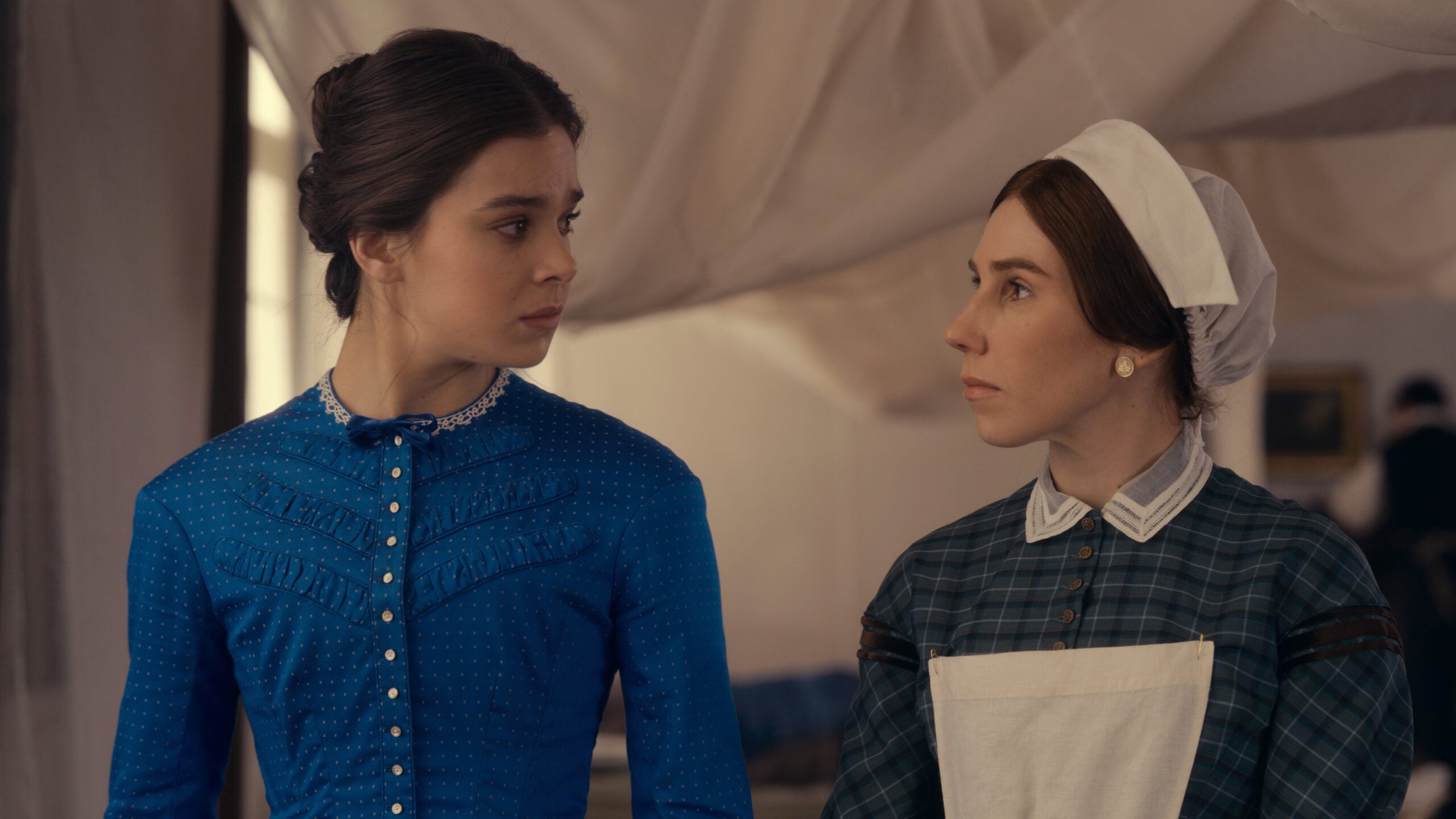
This all ties back to Emily’s main struggle thus far — trying to figure out her own purpose and inspiration for writing. Whitman’s conjuring makes sense because he was briefly mentioned in the last episode of Dickinson, noting that the poet was taking a sabbatical from writing and volunteering as a nurse instead, since “words don’t matter,” right now.
I’ll admit that I’ve never read Leaves of Grass, but from Emily’s reaction to the words, I was left very interested in the collection’s content. There’s one scene where Hailee looks absolutely on edge just from turning the pages. Having to untie your shoelaces because you’re getting too hot and bothered? Iconic.
With a bit of research though, it seems like Whitman’s most popular work is also subtly sexual in nature, so when Emily’s imagination takes the duo to an NYC underground gay bar I guess that also makes sense in some strange way.
Like I’m sure it is for so many young queer people in the city, this is illuminating for Ms. Dickinson. Walt Whitman serves as her imaginary spiritual guru, reminding her that life is all about balance and that focusing on the pain should also come with focusing on the pleasure.
And from where does Emily derive her pleasure? Sue.
The first trio of Dickinson Season 3 episodes had Emily pulling away from Sue and her new baby. As an introvert, I think it makes total sense why she was doing that. With so many life changes happening around her Emily was pulling away into her shell to keep herself protected.
From what we’ve seen of Emily and Sue’s relationship in the last two seasons, Emily had come to a reluctant acceptance of Sue and Austin’s relationship, relegating herself to the best friend. When that dynamic changed in the Dickinson Season 2 finale and carried on into Dickinson Season 3, Emily remained cautiously affectionate.
Her walls are weakened but they hadn’t fully crumbled until this episode. Even in the supercharged Dickinson Season 2 finale, Emily didn’t express her love for Sue. And while Sue has expressed her adoration for Emily numerous times so far this season, Emily has been hesitant to reciprocate.
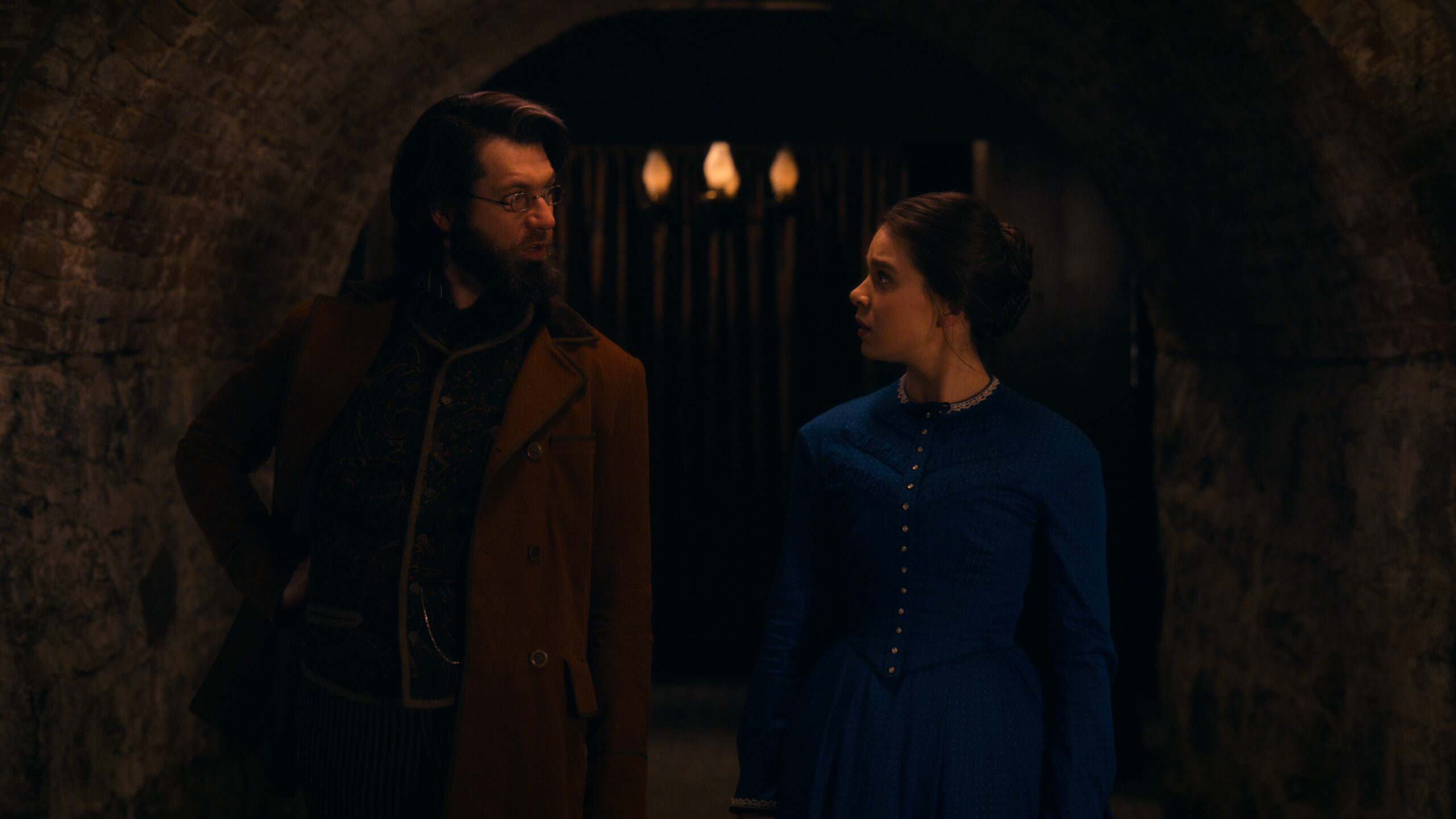
Whitman’s poems get her to internally scream her love for her friend/sister/lover, so I’m thinking everything is going to change after this episode, or at least I’m hopefully optimistic that this will start to resolve itself in the coming episodes.
While it’ll certainly benefit her relationship in the long run, I think it’ll also help actualize Emily into the poet we know she became through her legacy.
The dance club scene has a different tone than much of this season so far, which I also hope indicates a shift for the remainder of the season. It’s another one of those little anachronisms that make this show so delightful. So what if 19th-century poets danced to pop music in a dark speakeasy?
I would have paid a lot more attention in AP Lit if I thought the writers were cool.
Stray Thoughts
- Lavina Dickinson is the most dramatic bitch (affectionate) on television. Burying herself alive to feel like a dead soldier? She is a method actor. She belongs in the theater (picture Mrs. Darbus from High School Musical saying theater). Anna Baryshnikov is comedic starling in the making.
- Henry was really leaning into the “cool teacher” vibe. He already has the backward chair sit down.
- Favorite line from Mrs. Dickinson: “I live for laundry day.”
- That one Austin/Sue scene seemed oddly placed in this episode, and kind of unnecessary. I guess it’s good to see him trying to be a good father, and if I were Sue, I’d rather him be present than off doing who knows what.
What did you think of this episode of Dickinson? Share your thoughts in the comments below!
Critic Rating:
User Rating:
Dickinson Season 3 is available to stream on Apple TV+. New episodes premiere on Fridays.
 Follow us on Twitter and on
  Instagram!
Want more from Tell-Tale TV? Subscribe to our newsletter here!
Marissa Crenwelge

Marissa is an avid pop-culture enthusiast and "daylights" as a digital marketing manager for sports and entertainment brands. When she's not writing or watching new TV and movies, Marissa enjoys spending time with her Australian Shepard, Luna, and spending too much money online shopping. Find her on Twitter at @marissacrenwlge