
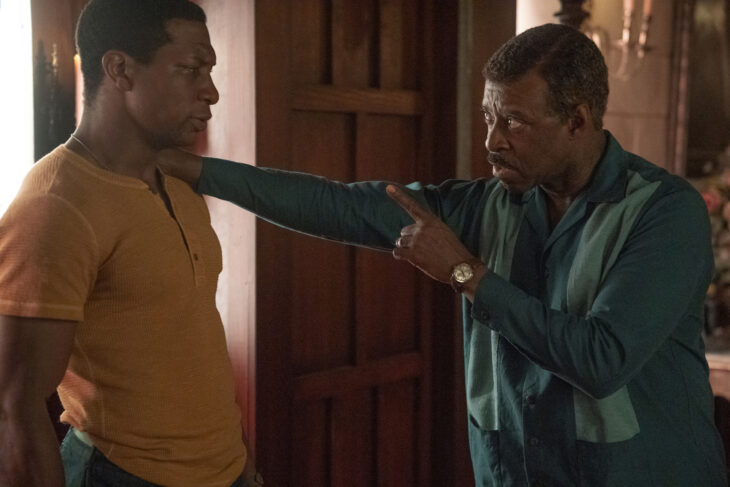
Lovecraft Country Review: Whitey’s on the Moon (Season 1 Episode 2)
The Braithwhite home becomes a house of mirrors and horrors on Lovecraft Country Season 1 Episode 2, “Whitey’s on the Moon,” as we are given answers we may not entirely understand yet.
The episode expertly uses the guilt, regret, and secrets of its protagonists to delve deep into their respective psyches to find what makes them tick. It may be surrounded by witchcraft, portals, and creatures, but it’s the human emotion that drives the episode’s impact.
Plus it’s nice to have characters who are immediately suspicious of their new surroundings rather than being completely fine with all of the strange occurrences because it means nice things. “Movin’ On Up” by Ja’net Dubois is a perfect song for the occasion, both with its ties to The Jeffersons and to the short-lived luxury they find themselves in.
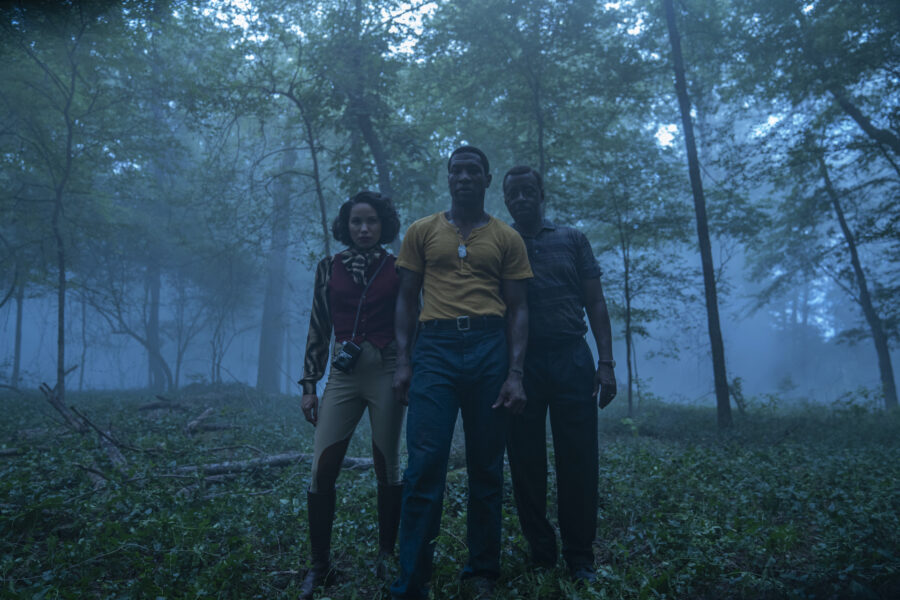
A lot of what Atticus, Leti, and George face throughout the episode is a supernatural version of gaslighting, where it begins as Atticus looking like he’s lost it, with the mentions of the monsters being dismissed, until it devolves into their wants, desires, and fears being used against them.
Their trio of scenes, of George sharing a dance with Dora Freeman, of Leti sharing both intimate details and an intimate moment with Atticus, and of Atticus reliving one of his darker moments, helps to define their characters as the weirdness around them unravels.
Leti’s scene is the most interesting, not because it’s Atticus who appears before her, but because of the vulnerable story that she shares. It’s a heart-wrenching story of either tragedy or abandonment on the part of her mother, where loneliness is the result but the question of what happened is just as devastating to consider.
It’s a window that helps show why she may always be on the move, as she doesn’t want to stay around long enough to trust again.
George’s scene appears to signify a closeness with Dora, Atticus’ mother, than we initially know. Is there a romantic connection, or simply a tight relationship where Montrose is the bond between them? With the solemn conversation between George and Montrose later on, it looks to be pointing in the former direction.
The hint of Montrose perhaps not being Atticus’ father is an intriguing one, especially with the illusion dance George shares with Dora. It’s possible that George is really his father and there is more to unravel.
There is a quick line where Montrose makes mention that the letter he sends to Atticus has been written under duress, and so it makes the confusion of the K and the D from Ardham take on new meaning: he may have been leading them down the wrong path to save them. Unfortunately, Atticus and George make too good of a team.
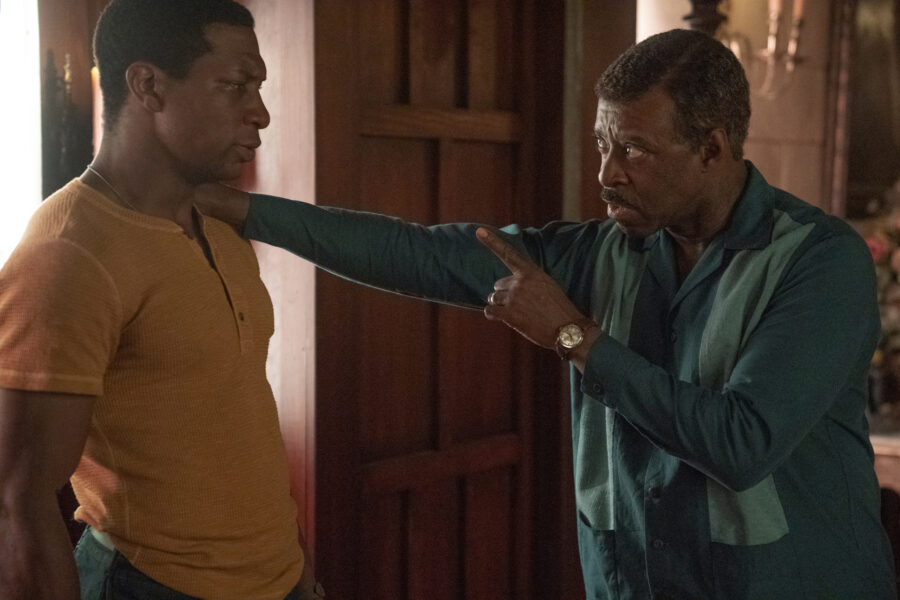
George Freeman is the glue of this group, and so taking him away is both heartbreaking for them, and a major loss for the show. Courtney B. Vance brings a warm gravitas to the show, and his caring optimism helps center everyone, especially after their illusions. He is the voice of reason to snap everyone back, the calm needed to make it through.
George’s death is a shattering moment for them all, and will likely play on Atticus the most.
Atticus is told by the Braithwhites that they will heal George’s wound as they have Leti’s if he willingly participates; his reversal may be George’s undoing, though it’s quite likely that with Atticus sacrificed, George may never have been healed anyway.
Michael K. Williams as Montrose is a wonderful addition to the cast. He’s always perfect with every role he takes on, and this one looks to be rather complex with his strained relationship and the harsh past he does not want to face. Hopefully we get a a lot of scenes between Williams and Jonathan Majors, as we learn more about the Freeman legacy.
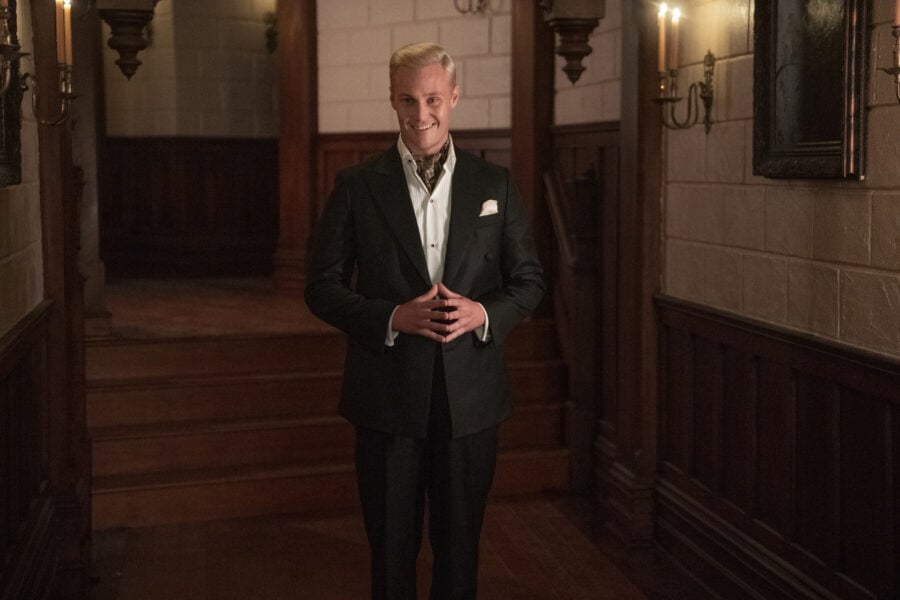
Racism is definitely apparent and prevalent still, but there’s this feeling of finally having an upper hand as both Atticus and George clue in and make good use of their standing. The Braithwhites and their lodge need Atticus, and so while concessions are made in their favor, they overplay their hand a bit too much.
In the end, only Atticus is needed, as he’s been successfully lured into the lodge trap already. But there is a strange nuance to the racism on this episode in comparison to the previous, where it’s not exactly subtle (as Dell’s words are pretty explicit at the stone tower), and not entirely without disdain (like the lodge members reluctantly leaving their meal).
The Braithwhite clan and the nearby village accept them because they have to, but they can’t hide their prejudices even when on their best behavior. Samuel’s way of hurting anyone who means something to Atticus shows how barbaric they are willing to be, and Montrose’s shackles are a very clear sign that the past is still present in this strange preserved place in the woods.
It’s a more dangerous form of racism, where a grudging acceptance hides the plot to murder through occult means.
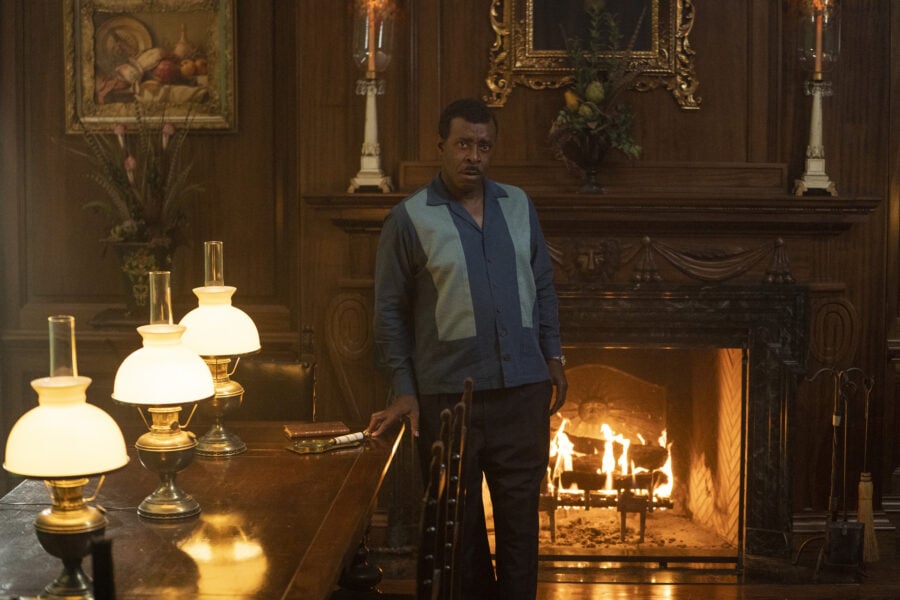
The Braithwhite cult (they may call themselves an order, but it’s totally a cult) prove to have some form of wizardry, though it’s not clear if they are witches and wizards or hold power through their bloodline.
The spells are more ward-like in their nature, though they can provide healing, as well. We’ll need to see more of what they are capable of, from those who survived, to see the limits.
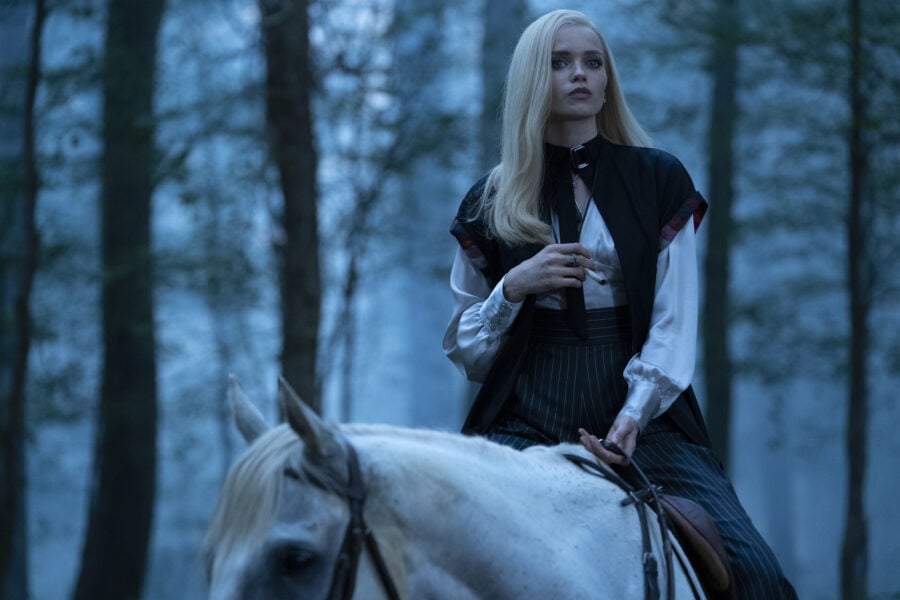
Christina may be one to reason with, as there is an opening where she is swayed by Atticus’ words, but she still has the air of entitlement and authority when she speaks with Atticus.
The ritual is a fantastic visualization of the Garden coming to the lodge, where visual effects and storytelling bring paradise into view and turn it into Atticus’ vision of his mother, the paradise he wishes he could return.
Books becoming plot devices is a fantastic recurring theme, the power of ideas reigning. Montrose using the Count of Monte Cristo trick, George learning the rules of the lodge through reading their rule book, and the reappearance of The House on the Borderland and Other Stories all help give books a prominent spot, including during the wonderful opening montage.
An intriguing thought arrives at the end of the episode, as it essentially closes off the story originating from the premiere: where do we go from here? Does the show take the episodic, short story nature of the novel, or does it continue on this path of family history and mysteries?
We know that people can survive death, as Leti is resurrected on the couch in George’s room, so it’s possible George will come back in some way. In a world full of monsters and spells, infinite possibilities are at the show’s fingertips.
There’s also the younger members of the clan, Christina and William, who are not shown to perish in the lodge collapse. Will they haunt Atticus and company in the hopes for vengeance, or will they be up to something bigger? We need more information on Dora, too, and how she factors into everything.
Either way, this is a fun but bittersweet step forward.
What did you think of this episode of Lovecraft Country? Share your thoughts in the comments below!
Critic Rating:
User Rating:
Lovecraft Country airs Sundays at 9/8c on HBO.
 Follow us on Twitter and on
  Instagram!
Want more from Tell-Tale TV? Subscribe to our newsletter here!
Kevin Lever

Kevin Lever has been following television closely for most of his life, but in starting to cover it, he has grown a further appreciation. He strives to give the blockbusters their due, and give the lesser known shows a spotlight to find more fans.