
Mrs. America Review: Shirley (Season 1 Episode 3)
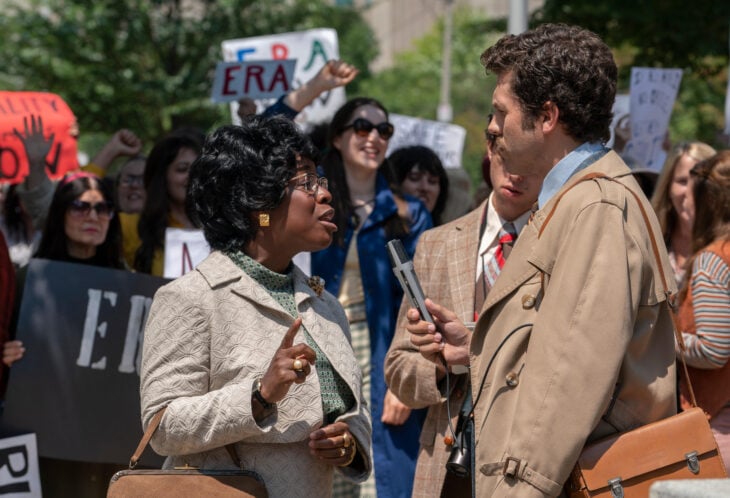
The matter of intersectionality, or the lack thereof when it comes to the history of the feminist movement, comes into play on Mrs. America Season 1 Episode 3, “Shirley.”
There is incredible timeliness with Shirley’s story—the whole business of dropping out of a presidential race and the subsequent pressure for endorsements. Focusing on Shirley Chisholm (Uzo Aduba) and her experience during this time highlights the harmfulness of white feminism.

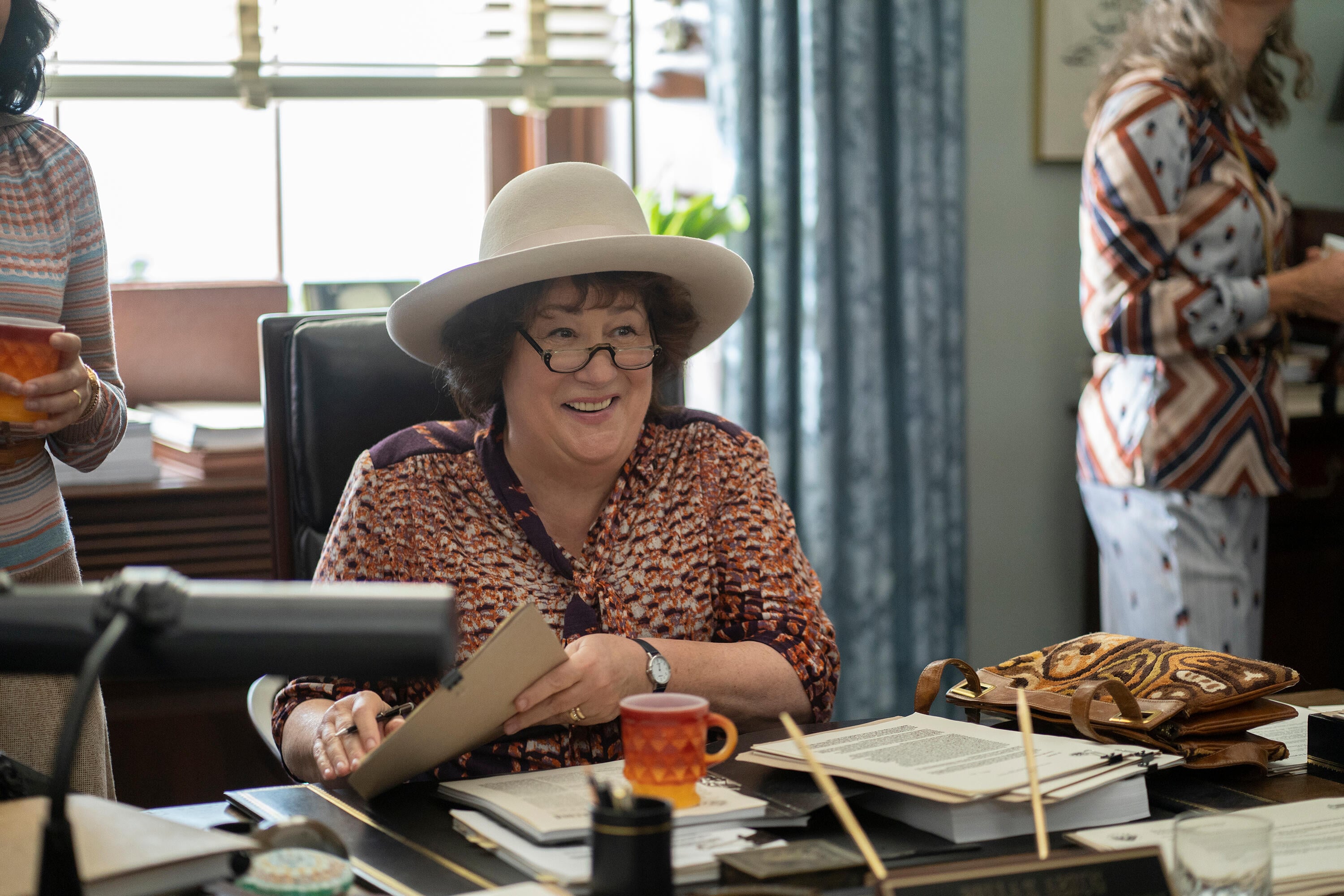
The liberationists, and in particular Bella Abzug (Margo Martindale), prioritize their concerns over Shirley’s, a woman of color. When things get dicey, they want her to end her campaign for president and take a back seat in the movement so they can push forward on the issues they deem the most important while still using her platform.
It screams of the hollow inclusion of women of color in the earlier stages of feminist culture when they should have been leading the way.
Bella: So now you’re breaking the rules?
Shirley: Whose rules?
Bella: The rules. The rules to conventions. Have you lost your mind?
Shirley: Oh, and who gets to make the rules? It’s rigged—the whole damn system, and it’s been going on for so long, and you don’t even feel the strings.
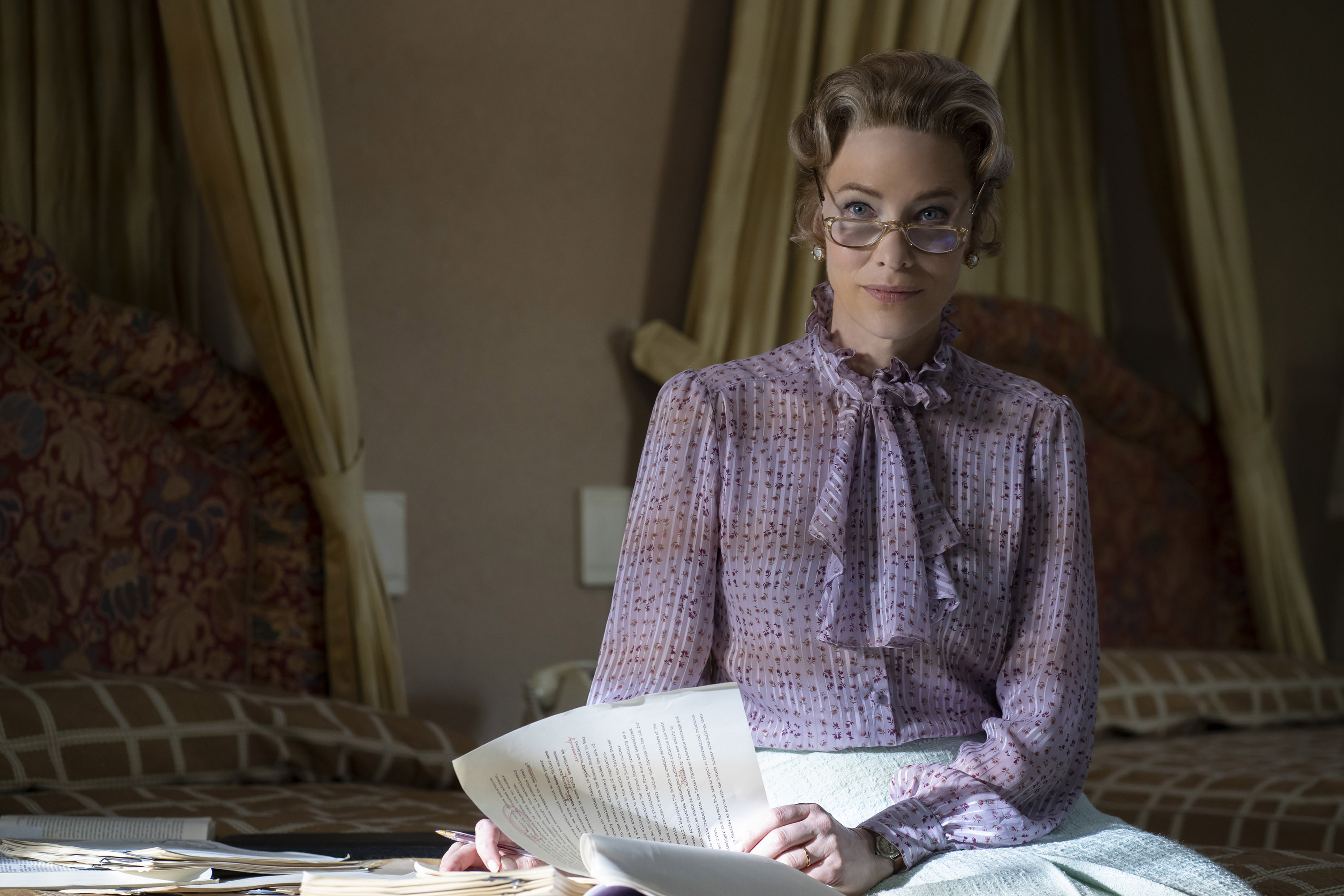
Phyllis Schlafly (Cate Blanchett) talks about the rules, too.
Phyllis: […] now we are a national organization. We do have to have rules of conduct. ‘Cause it serves our cause better if we all use identical language. It’s how we’re really going to make it stick. It’s one voice one message.
This line of connection between Phyllis and Bella is an unfortunate one but an accurate example of white feminism. While Phyllis is talking about the rules to edge out racially charged opinions, that same rhetoric is used to silence women of color within the women’s liberation movement.
A big component of those that practice white feminism is refusing to acknowledge their own privilege. And in the case of Phyllis and her campaign against the ERA, it is trying to protect a warped vision of privilege.
Their slogan becomes S.T.O.P the ERA, an acronym for Stop Taking Our Privileges. While marginalized groups fight tooth and nail for basic human rights, these white women use that vernacular to protect the rights and privileges they have that aren’t even in danger.
No one is coming to take their rights to be housewives and homemakers away, but the government is constantly, actively, working to take rights away—and deny them in the first place—from the underprivileged.
The examination of intersectionality and the divisiveness caused when it is not employed in acts of feminism on this episode is superb, and it carries the through line of the dangers of infighting that I wrote about in my review of Mrs. America Season 1 Episode 2, “Gloria.”
It’s done in a narrative storytelling way, and rightly so. It shows rather than preaches.
A major part of its success is Aduba as Shirley. She deftly depicts the congresswoman’s fierce passion and her undiluted morals. Her portrayal of Shirley’s paranoia at the time feels justified and real.
Just as I love Mrs. America’s spotlight on feminism, I also love that the mistakes made by white feminists are called out.
What did you think of this episode of Mrs. America? Share your thoughts in the comments below!
Critic Rating:
User Rating:
Mrs. America airs Wednesdays at 9/8c on FX on Hulu.
 Follow us on Twitter and on
  Instagram!
Want more from Tell-Tale TV? Subscribe to our newsletter here!
Erin Allen

Erin is a former script supervisor for film and television. She's an avid fan of middle aged actresses, dark dramas, and irreverent comedies. She loves to read actual books and X-Files fan fiction. Her other passions include pointing out feminist issues, shipping Mulder and Scully, and collecting pop culture mugs.