
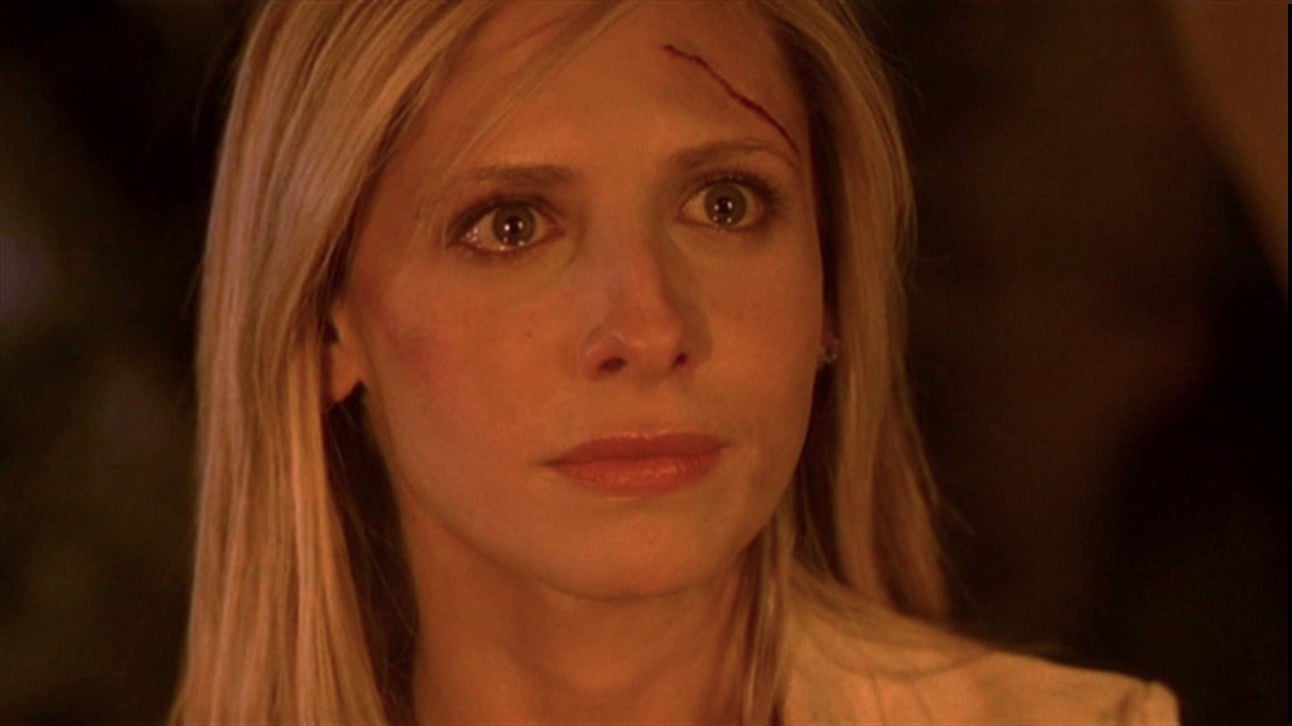
The Buffy Effect: Evolution of the TV Heroine
When I was growing up, Buffy the Vampire Slayer was a big deal.
I didn’t really understand it then, of course. I was just a kid. Kids are terribly simple creatures — they either like things, or they don’t. So all I knew then was that I liked Buffy. I wanted to be like her. She was pretty, smart, and badass. More than that, she was a heroine.
But that wasn’t all that Buffy was, no. Heroines have existed in movies and television long before she appeared, even if they weren’t as common as they are now.
Buffy, however, liked shopping, hated homework, had regular friends, and always — always had a sassy reply. In short, Buffy was one of us.
Yes, she was first and foremost a TV heroine who killed vampires/demons and all sorts of supernatural creatures, but she was also a teenager. She went to school, had to deal with her own Mean Girl and had a curfew (that she never ever observed, but still). She was relatable. She was human.
She was also the first of her kind.
Heroines before Buffy were, well …heroines. Kick-ass chicks who took no prisoners and always had an eye on the goal, like Sarah Connor, women who were braver than anyone could ever be, like Ripley, or just smart leaders of Rebellions, like Leia. They weren’t people like you and me. They were ideals that we could never live up to.
Enter Buffy Summers.
Vampires are all the rage now, but they weren’t when Buffy was a weekly staple of our TV screens. If anything, you can say Buffy made vampires relevant again. From tortured Angel, to sassy and misunderstood Spike, Buffy the Vampire Slayer opened the door for a new interpretation of the genre, and for a new type heroine to go with it.
This is only part of its appeal, but it’s probably the part that gives it the immense staying power that it’s had. I saw Buffy live on TV, but I’ve known many people who saw it afterwards, on DVD, on re-runs, even on Netflix and loved it just as much as I did. It’s aged well, people tell me. Its themes are still relevant.
Of course, I answer back. Buffy the Vampire Slayer invented some of those themes. What did you expect?
The show presented, for the first time, a female protagonist who was not only capable of taking care of herself, but was also required by the plot to kicks ass and take names. In the context of Buffy the Vampire Slayer, we didn’t look to titular protagonist as just a “strong woman.” She was strong, period. In fact, she was the strongest person in the show, by far.
And we’re not talking mental strength here, no. We’re talking the other kind.
Recently, I read about a study called “Positive Female Role-Models Eliminate Negative Effects of Sexually Violent Media,” and I don’t think I need to tell you the hypothesis presented in this study, because the title is pretty much self-explanatory. Interestingly enough, in the study, the researchers called this “The Buffy Effect” and especially referenced the impact Buffy had in younger women.
And they say television doesn’t change lives.
The whole point of the study is this: we (the proverbial we) benefit from seeing strong women on TV. We’ve been saying that for years, of course, but now there’s actual research to back up the concept. In that framework, the importance of a show like Buffy the Vampire Slayer cannot be understated. She was certainly not the first strong female character on TV, but she was the most well-rounded.
She was the first one who made us think that heroism was something we could all aspire to.
Buffy had a family – one that was introduced early on, not that one that took seasons to make an appearance, almost as a half-assed attempt to give depth to the character.
Buffy had friends — quirky, loving, unique friends. She also had and enemies. Normal high school enemies, I mean, not just the undead kind.
Buffy had a boyfriend – granted, he was a vampire without a soul who loved brooding and turned evil when he experienced a moment of true happiness, but a boyfriend nonetheless.
She had all those things, and she lost them. Her life sucked at times, and it changed for the worse, and then maybe, a little bit for the better. We know. We were there with her every step of the way. We understand her troubles.
Having to kill your boyfriend to close a portal to Hell? Okay, maybe we can’t relate to that one. But losing your mother? That can happen to any of us. Dealing with annoying little sisters? Been there, done that.
We were Buffy. She was us. And that’s why we loved her. That’s why we still love her. That’s why, television these days strives to present not just the kickass heroine, the Sydney Bristow type, but the regular every day woman, the girl next door who’s also smart, kind, and much more than a love interest.
The Felicity Smoaks, the Kimmy Schmidts, the Temperance Brennans.
Because you don’t have to be one or the other. You can be both. You can be a combination. Or, you can just be good at computers, or good at talking, or very, very smart, or even good at solving other people’s problems.
There are different kinds of heroines. We can all be the heroines of our own life. We don’t need to kill vampires or swear off the mall forever to do so. We can complain about training, and about the stupid vampires ruining our dates and/or our outfits, get bad grades, eat too much, and still be kind of awesome.
Buffy taught us that.
So, thank you, Buffy, not just for yourself, but for the countless other heroines who came after. Thanks for paving the way. We’re not sure where we’d be without you, but we think it would be a dark, dark place.
Lissete Lanuza Sáenz

Lawyer. Writer. Columnist. Geek. Falls in madly in love with fictional characters. Hates the color yellow, misogyny, and people who are late. Can always be found with a book. Watches an absurd amount of TV every week, often, while eating coffee ice cream. She has no regrets. You can check out her blog here: Absurday. Lissete is a senior writer for Tell-Tale TV. Follow @lizziethat
3 comments
Awww… this article made me tear up a bit. Now in my 40’s, I keep wanting to share Buffy with my daughter for all the reasons you’ve stated above. And to this day, if asked what my favorite show is… it’s Buffy the Vampire Slayer because there’s never quite a more perfect answer than this one.
Veronica Mars gets a special mention and my daughter and I have shared that show and movie together already. Felicity Smoak, Kimmy Schmidt, and so many more get prized watching time in this house since they’re hearts are strong, their words fierce and though they be just a girl — they rule the worlds they’re a part of.
If I ever have a daughter, you can bet I’ll be sharing Buffy with her. This, to me, is the one and most perfect instance of Joss Whedon just getting it right, and the actress delivering perfectly. We’ll be talking about her for many, many years – and there are great male chraracters in that show, so the fact that Buffy is still the thing people most like about the show says A LOT.
Well, you know, the show is “Buffy the Vampire Slayer”, and Buffy is the protagonist. But yeah, she is one of the most complex and interesting characters of the show to my eyes. She’s strong, yet can be vulnerable. She’s likable, yet has flaws. She’s not dumb, but not Willow smart either. She has a strong sense of morality, yet makes mistakes, has moments of weakness and she is often ready to risk a lot(like, the world) for the people she loves and cares about. Basically, she’s a real human being. Many other characters are too, of course. And some of them also offer similarly interesting complexity. But I do think Buffy is one of the most successfully written character on television. I don’t think I’ve ever empathized with a character as much. But that’s just Joss being the genius writer that he is. Char
Comments are closed.